Table of Contents
Introduction: Protecting Your Investment, Preserving Your Space
Furniture is more than just functional—it’s an investment in comfort, style, and home value. Yet, daily wear and tear, accidental bumps, spills, or scratches can quickly dull its appeal. Enter plastic furniture protectors: versatile, durable accessories designed to shield furniture from damage while maintaining its original beauty. From table corner guards to chair leg caps, these unassuming tools are unsung heroes of home care, extending the lifespan of your furniture and safeguarding your peace of mind. This article explores the purpose, types, materials, and benefits of plastic furniture protectors, with a special focus on two key solutions: cat-scratch-resistant chair covers and floor-scratch-preventing stool leg guards, helping you understand why they’re a must-have for modern households.
Core Functions: Why Plastic Furniture Protectors Matter
Plastic furniture protectors serve multiple roles, addressing common furniture woes with precision:
1. Scratch and Scuff Resistance
Furniture legs, edges, and corners are prime targets for scratches from pets, children, or moving furniture. Plastic protectors act as a physical barrier, absorbing impact and preventing direct contact between hard surfaces (e.g., hardwood floors, walls) and furniture.
2. Impact Absorption
Accidental drops or bumps (e.g., a toddler’s toy hitting a coffee table) can chip or crack furniture. Thick, flexible plastics like polyethylene (PE) or thermoplastic rubber (TPR) absorb and distribute impact forces, reducing the risk of damage to the furniture’s surface or structure.
3. Stain and Moisture Protection
Spills, food crumbs, or liquid splashes can seep into furniture crevices, causing stains or mold growth. Plastic protectors—especially waterproof or water-resistant varieties—act as a barrier, keeping liquids and debris away from porous materials like wood or fabric.
4. Anti-Slip and Stability
Sliding chairs or wobbly furniture can damage floors or cause accidents. Rubberized plastic protectors (e.g., chair leg grips) add traction, preventing furniture from sliding on smooth surfaces like tile or laminate.
Specialized Protectors: Cat-Scratch Chairs & Floor-Safe Stools
Two of the most sought-after plastic furniture protectors address two common household challenges: cat scratches on chairs and stool legs scratching floors. Let’s dive into their design, materials, and benefits.
1. Cat-Scratch-Resistant Chair Covers
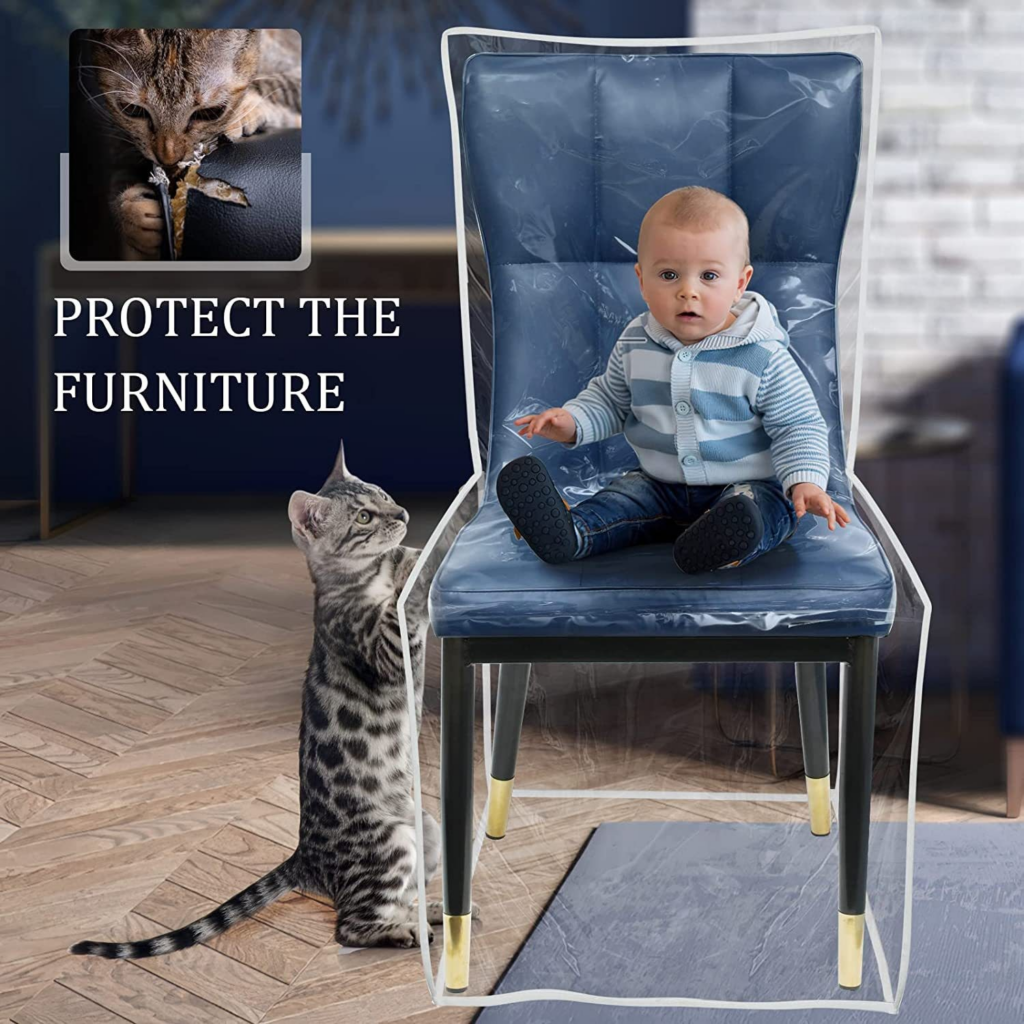
Cats are beloved pets, but their claws can wreak havoc on upholstered chairs, sofas, or armchairs. A cat-scratch-resistant chair cover is a plastic-based solution designed to protect furniture while keeping it comfortable for both pets and humans.
Key Features:
- Soft, Flexible Materials: Most are made from food-grade silicone, TPU (thermoplastic polyurethane), or thick vinyl. These materials are gentle on furniture (preventing fabric tears) yet durable enough to withstand sharp cat claws.
- Anti-Scratch Texture: Many feature a textured surface (e.g., ribbed or bumpy) that discourages cats from clawing—cats dislike the sensation of digging into soft but resilient plastic.
- Adjustable Fit: Elastic bands, Velcro, or snap closures ensure the cover stays securely on chairs of various sizes, from armchairs to dining chairs.
- Easy to Clean: Wipeable or machine-washable designs (check labels) make maintenance a breeze, even with cat hair or spilled treats.
Why They Matter:
Cat scratches don’t just ruin the look of furniture—they can expose underlying padding, leading to sagging or structural damage. A cat-scratch-resistant cover acts as a sacrificial layer, absorbing claw pressure and extending the life of your chair. Plus, they’re discreet: many are clear or neutral-colored, blending with your decor.
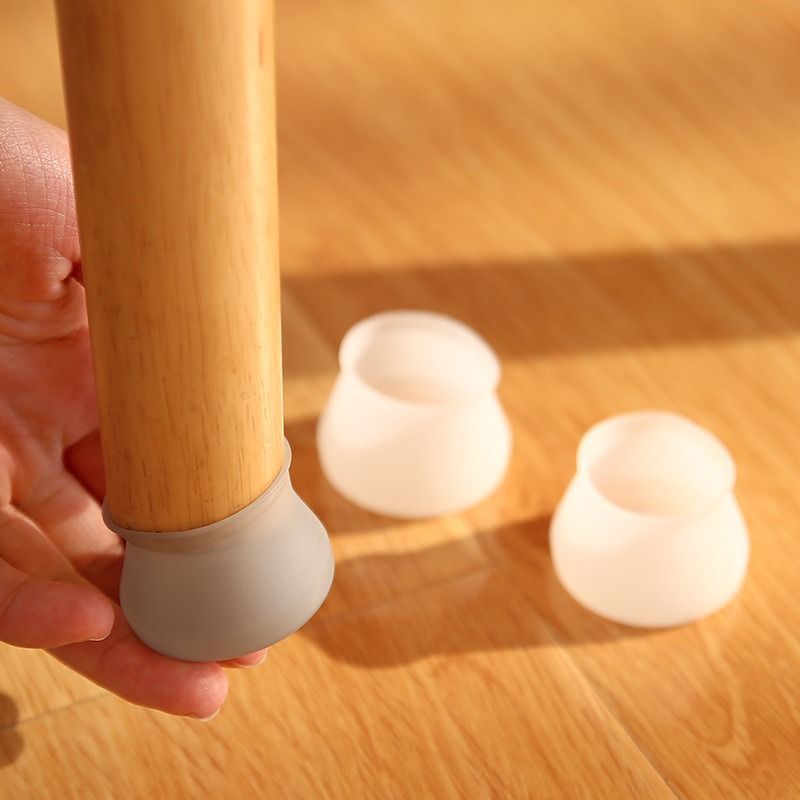
2. Floor-Scratch-Preventing Stool Leg Guards
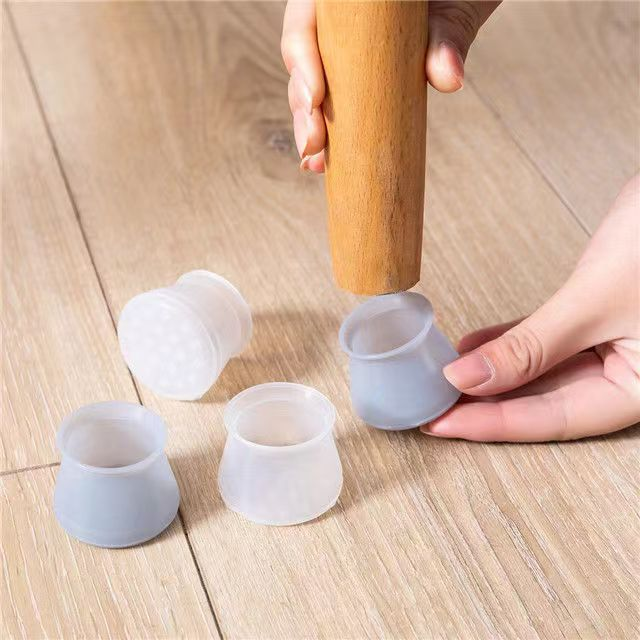
Stools, bar stools, or kitchen chairs with metal or hard plastic legs can scratch hardwood, laminate, or tile floors—especially in high-traffic areas like kitchens or home bars. Floor-scratch-preventing stool leg guards are plastic-based accessories that cushion legs and protect floors.
Key Features:
- Shock-Absorbing Materials: Made from TPR, rubber, or thick PE, these guards absorb impact when stools are moved or sat on, reducing pressure on floors.
- Non-Slip Design: Textured undersides (e.g., rubberized grips) prevent stools from sliding on smooth floors, minimizing accidental scrapes.
- Low Profile: Slim, unobtrusive designs (often 1–2mm thick) fit under stools without raising them, maintaining the room’s aesthetic.
- Universal Fit: Adjustable or universal sizes accommodate most stool leg diameters (common sizes: 1–2 inches), making them compatible with most furniture.
Why They Matter:
Scratches on floors are not only unsightly—they can weaken the floor’s finish, leading to costly repairs. Stool leg guards act as a buffer, distributing the weight of the stool and user evenly. They’re especially valuable in homes with kids or pets, who often move stools accidentally.
Types and Materials: Choosing the Right Protector
Plastic furniture protectors come in diverse forms and materials, each tailored to specific needs. Understanding their differences helps you select the best fit:
By Function
- Edge/Corner Guards: Thick, L-shaped or rounded plastic covers for sharp table/wall edges (e.g., dining table corners).
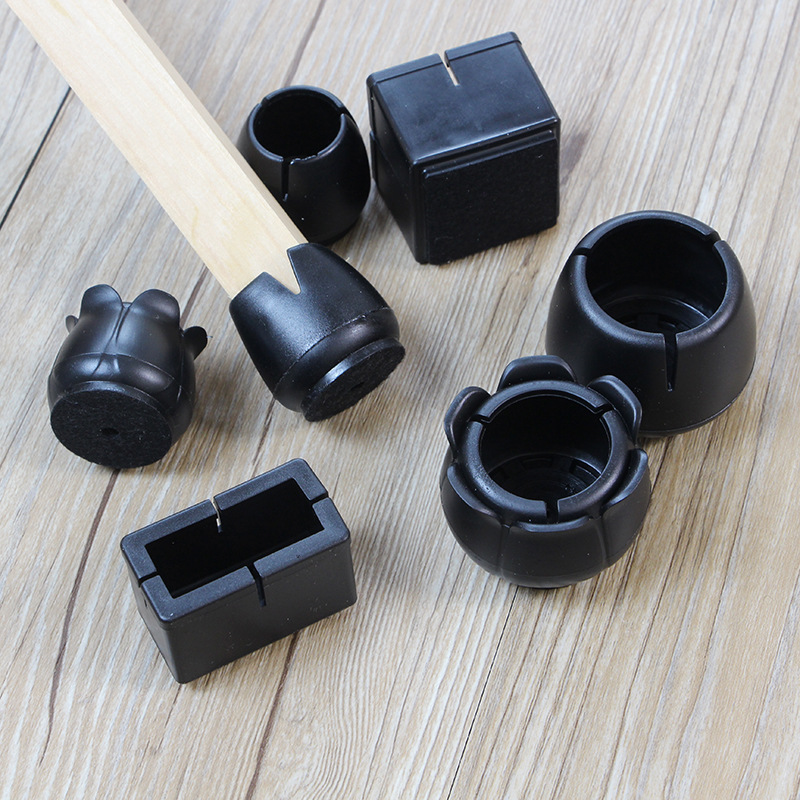
- Leg Caps/Covers: Small, cylindrical protectors for chair, table, or stool legs (e.g., floor-scratch guards, cat-scratch chair covers).
- Surface Mats/Trays: Flat plastic sheets for placing under vases, plants, or hot dishes to prevent heat/moisture damage.
- Adjustable Straps: Elastic or Velcro-backed plastic strips to secure loose furniture parts (e.g., loose drawer handles).
By Material
- PVC (Polyvinyl Chloride): Durable, waterproof, and affordable. Ideal for high-moisture areas (bathrooms, kitchens) or heavy-use furniture (dining tables).
- PE (Polyethylene): Lightweight, flexible, and chemical-resistant. Often used for chair leg caps or edge guards.
- TPR (Thermoplastic Rubber): Combines rubber’s softness with plastic’s durability. Perfect for anti-slip chair leg grips or cat-scratch covers.
- Silicone: Soft, flexible, and heat-resistant (up to 400°F/200°C). Great for protecting surfaces from hot items or as baby-safe corner guards.
Application Scenarios: Protecting Every Room
Plastic furniture protectors adapt to diverse environments, from busy family homes to commercial spaces:
1. Family Homes with Kids/Pets
- Cat Owners: Install cat-scratch-resistant chair covers on armchairs or sofas to protect upholstery from claws.
- Pet-Friendly Floors: Use floor-scratch-preventing stool leg guards on kitchen stools or bar stools to shield hardwood floors.
- High-Traffic Zones: Rubberized edge guards on coffee tables or TV stands guard against daily bumps from kids’ toys.
2. Dining Areas
- Floor Protection: Clear plastic chair leg caps prevent scuffs on hardwood or laminate floors during meals.
- Table Safety: Thick TPR edge guards shield sharp corners during family dinners, especially with active toddlers.
3. Living Rooms and Offices
- Furniture Stabilization: Adjustable plastic straps secure loose couch cushions or wobbly desks.
- Surface Preservation: Clear plastic trays under potted plants or decorative items prevent water damage to wooden end tables.
Buying Guide: Key Considerations
To choose the right plastic furniture protectors, evaluate these factors:
1. Fit and Compatibility
Measure the furniture part (e.g., chair leg diameter, table edge length) to ensure the protector matches. Look for adjustable or universal designs if exact sizes are unavailable.
2. Material Safety
For homes with kids or pets, opt for non-toxic, phthalate-free plastics (e.g., food-grade silicone or BPA-free PVC).
3. Durability
Check for thickness (e.g., 2–3mm PVC for high-traffic areas) and flexibility. A protector that bends but doesn’t break under pressure is ideal.
4. Ease of Installation and Maintenance
Choose protectors that require no tools (e.g., adhesive-backed or slip-on designs). Ensure they’re easy to clean—waterproof or wipeable materials (silicone, PVC) are best for messy environments.
5. Aesthetic Appeal
Many plastic protectors are clear, transparent, or neutral-colored (black, white, beige) to blend with furniture. For visible areas, select discrete designs that don’t detract from your decor.
Conclusion: Small Accessories, Big Impact
Plastic furniture protectors are far more than “add-ons”—they’re essential tools for preserving your furniture’s beauty, functionality, and value. From cat-scratch-resistant chair covers to floor-scratch-preventing stool leg guards, these specialized protectors address common household challenges with precision. By shielding against scratches, spills, and impacts, they save you money on repairs and keep your home looking fresh for years. Whether you’re a busy parent, a pet owner, or a homeowner seeking longevity for your investments, plastic furniture protectors deliver peace of mind with every use.
How to purchase: https://looperbuy.com/search?keywords=plastic+furniture+protectors&globalType=1688
Common Questions About Plastic Furniture Protectors
1. Do plastic protectors damage furniture? No—when applied correctly, they’re designed to be non-adhesive and non-corrosive. Avoid cheap, sticky protectors that may leave residue; opt for silicone or PE coatings instead.
2. How long do they last? Quality plastic protectors last 2–5 years, depending on usage. Heavy-duty options (e.g., TPR or ABS) may last longer in high-traffic areas.
3. Can I use them on delicate furniture? Yes—soft materials like silicone or thin TPU are gentle on wood, marble, or laminated surfaces.
4. Are they eco-friendly? Most plastics are recyclable, but check for recycling symbols (e.g., #1 for PET, #2 for HDPE). Some brands offer biodegradable plastic options (e.g., PLA-based protectors).
5. Do they affect furniture functionality? No—protectors are designed to be slim and unobtrusive. For example, chair leg caps are thin enough to fit under most furniture without lifting it off the floor.
Hot Tags: Plastic furniture protectors; Cat-scratch chair covers; Floor-scratch stool guards; Furniture edge guards; Chair leg caps; Scratch-resistant protectors; Anti-slip furniture pads; Child-safe furniture covers; Pet-friendly furniture protectors; Waterproof furniture protectors