Table of Contents
Introduction to American Shipping
The shipping industry is a vital component of the American economy, facilitating trade both domestically and internationally. As globalization continues to shape the landscape of commerce, understanding the dynamics of shipping in the American market becomes increasingly important. This article explores the various aspects of American shipping, including its significance, the different modes of transportation, key players in the industry, and the challenges faced by shipping companies.
The Importance of Shipping in the American Economy
Facilitating Trade and Commerce
Shipping is the backbone of trade in the United States, enabling the movement of goods across states and borders. It allows businesses to access new markets, source materials from different regions, and distribute products to consumers nationwide. The efficiency of the shipping industry directly impacts the economy, influencing trade balances and economic growth.
Supporting Supply Chains
In today’s interconnected economy, supply chains often span multiple states and countries. Shipping ensures that raw materials, components, and finished products are transported efficiently between suppliers, manufacturers, and consumers. A well-functioning shipping system is vital for maintaining the flow of goods and minimizing delays in production and delivery.
Enhancing Consumer Access
Shipping provides consumers with access to a wide variety of products. E-commerce platforms enable individuals to purchase goods from various sellers, often at competitive prices. This increased access to products enhances consumer choice and drives competition among businesses.
Modes of Shipping in the United States
Ocean Freight
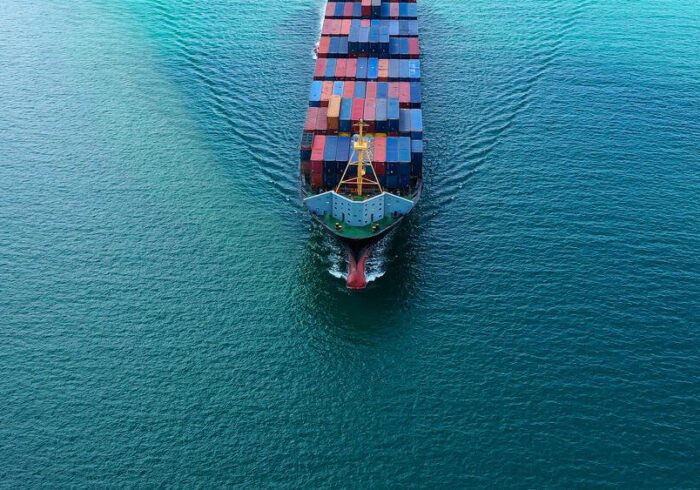
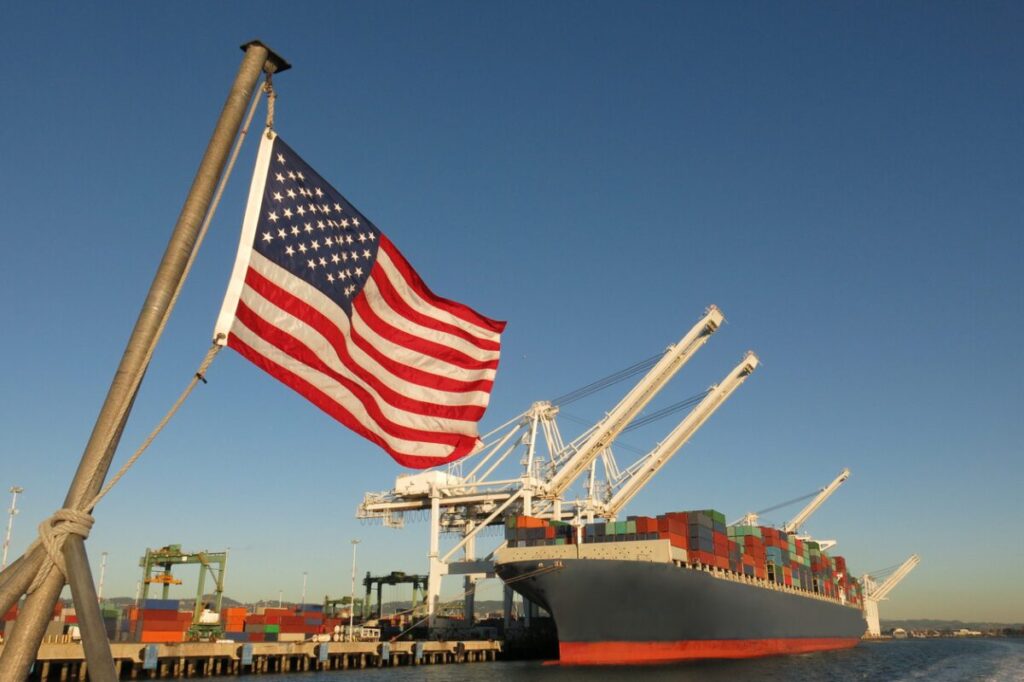
Ocean freight is one of the most common methods of transporting goods internationally. It involves shipping containers via cargo ships across oceans and seas. Ocean freight is ideal for bulk shipments and large quantities of goods, making it a popular choice for businesses engaged in international trade.
Container Shipping
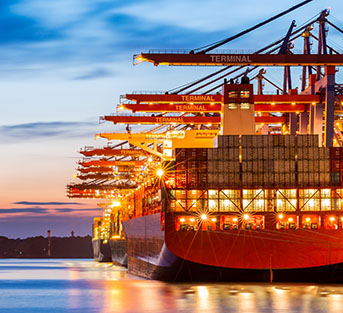
Container shipping is a key component of ocean freight. Standardized containers allow for efficient loading, unloading, and transportation of goods. This method reduces handling costs and minimizes the risk of damage during transit. Container ships can carry thousands of containers, making them a vital part of the shipping network.
Air Freight
Air freight is the fastest mode of transportation for shipping goods. It is commonly used for high-value or time-sensitive items, such as electronics, pharmaceuticals, and perishable goods. While air freight is more expensive than ocean freight, its speed and reliability make it an attractive option for businesses that require quick delivery.
Advantages of Air Freight
- Speed: Air freight significantly reduces transit times, allowing businesses to respond quickly to market demands.
- Reliability: Airlines typically have strict schedules, ensuring timely deliveries and minimizing delays.
- Global Reach: Air freight services are available to virtually every corner of the globe, making it a versatile option for shipping.
Land Transportation
Land transportation, including trucking and rail, is essential for moving goods within the United States. It often serves as a complementary mode to ocean and air freight, facilitating the final leg of the shipping process.
Trucking
Trucking is a flexible and efficient way to transport goods overland. It allows for door-to-door delivery, making it a popular choice for businesses that require direct shipping to customers or distribution centers. Trucking is particularly important in regions with well-developed road networks.
Rail Freight
Rail freight is an economical option for transporting large quantities of goods over long distances. It is often used for bulk commodities, such as coal, grain, and minerals. Rail transport is environmentally friendly and can reduce congestion on roadways.
Key Players in the American Shipping Industry
Shipping Lines
Shipping lines are companies that operate cargo ships and provide transportation services for goods. They play a central role in the shipping industry, offering various services, including container shipping, bulk shipping, and logistics solutions. Major shipping lines include Maersk, MSC, and Hapag-Lloyd, which dominate the market and operate extensive fleets.
Freight Forwarders
Freight forwarders act as intermediaries between shippers and carriers. They coordinate the logistics of shipping, including booking cargo space, preparing documentation, and managing customs clearance. Freight forwarders simplify the shipping process for businesses, allowing them to focus on their core operations.
Customs Brokers
Customs brokers facilitate the clearance of goods through customs authorities. They ensure that shipments comply with regulations and handle the necessary paperwork. Customs brokers play a crucial role in preventing delays and ensuring that goods are transported legally and efficiently.
Challenges in the American Shipping Industry
Regulatory Compliance
The shipping industry is subject to a complex web of regulations and compliance requirements. Different states and countries have varying customs laws, tariffs, and import/export restrictions. Navigating these regulations can be challenging for businesses, and non-compliance can result in delays, fines, or confiscation of goods.
Environmental Concerns
The shipping industry is a significant contributor to greenhouse gas emissions and environmental pollution. As awareness of climate change grows, there is increasing pressure on shipping companies to adopt sustainable practices. This includes investing in cleaner technologies, optimizing routes, and reducing waste.
Supply Chain Disruptions
Global events, such as natural disasters, political instability, and pandemics, can disrupt supply chains and impact shipping operations. Companies must develop contingency plans to mitigate the effects of such disruptions and ensure continuity in their operations.
The Future of Shipping in the United States
Technological Advancements
The shipping industry is undergoing a technological revolution. Innovations such as blockchain, artificial intelligence, and the Internet of Things (IoT) are transforming how goods are tracked, managed, and transported. These technologies enhance transparency, improve efficiency, and reduce costs.
Blockchain in Shipping
Blockchain technology has the potential to revolutionize shipping by providing a secure and transparent way to track shipments. It enables real-time visibility into the supply chain, reducing the risk of fraud and improving accountability among stakeholders.
Sustainability Initiatives
As environmental concerns continue to rise, the shipping industry is increasingly focusing on sustainability. Companies are exploring alternative fuels, such as biofuels and hydrogen, to reduce their carbon footprint. Additionally, there is a growing emphasis on eco-friendly packaging and waste reduction practices.
E-Commerce Growth
The rise of e-commerce is reshaping the shipping landscape. As more consumers turn to online shopping, shipping companies must adapt to meet the demands of fast and reliable delivery. This includes investing in last-mile delivery solutions and optimizing logistics networks.
Conclusion
Shipping is a vital component of the American economy, facilitating trade and commerce while connecting businesses with consumers. Understanding the various modes of transportation, key players in the industry, and the challenges faced by shipping companies is essential for navigating this complex landscape. As technology continues to advance and sustainability becomes a priority, the future of shipping in the United States holds exciting possibilities for businesses and consumers alike.
To optimize your shipping operations and gain valuable insights into the logistics industry, visit LooperBuy for expert resources and tools tailored to enhance your business success: https://looperbuy.com/.
Related Questions & Answers
· What are the main modes of transportation used in American shipping? The main modes of transportation include ocean freight, air freight, and land transportation (trucking and rail).
· How do shipping lines differ from freight forwarders? Shipping lines operate cargo ships and provide transportation services, while freight forwarders act as intermediaries, coordinating logistics and managing customs clearance.
· What challenges do shipping companies face in the American market? Challenges include regulatory compliance, environmental concerns, and supply chain disruptions.
· How is technology changing the shipping industry in the United States? Technological advancements, such as blockchain and IoT, are improving transparency, efficiency, and cost-effectiveness in shipping operations.
· What role do customs brokers play in American shipping? Customs brokers facilitate the clearance of goods through customs, ensuring compliance with regulations and handling necessary paperwork.
Hot Tags: American Shipping; Global Trade; Freight Forwarding; Shipping Lines; E-Commerce; Supply Chain; Logistics; Environmental Sustainability; Transportation Modes