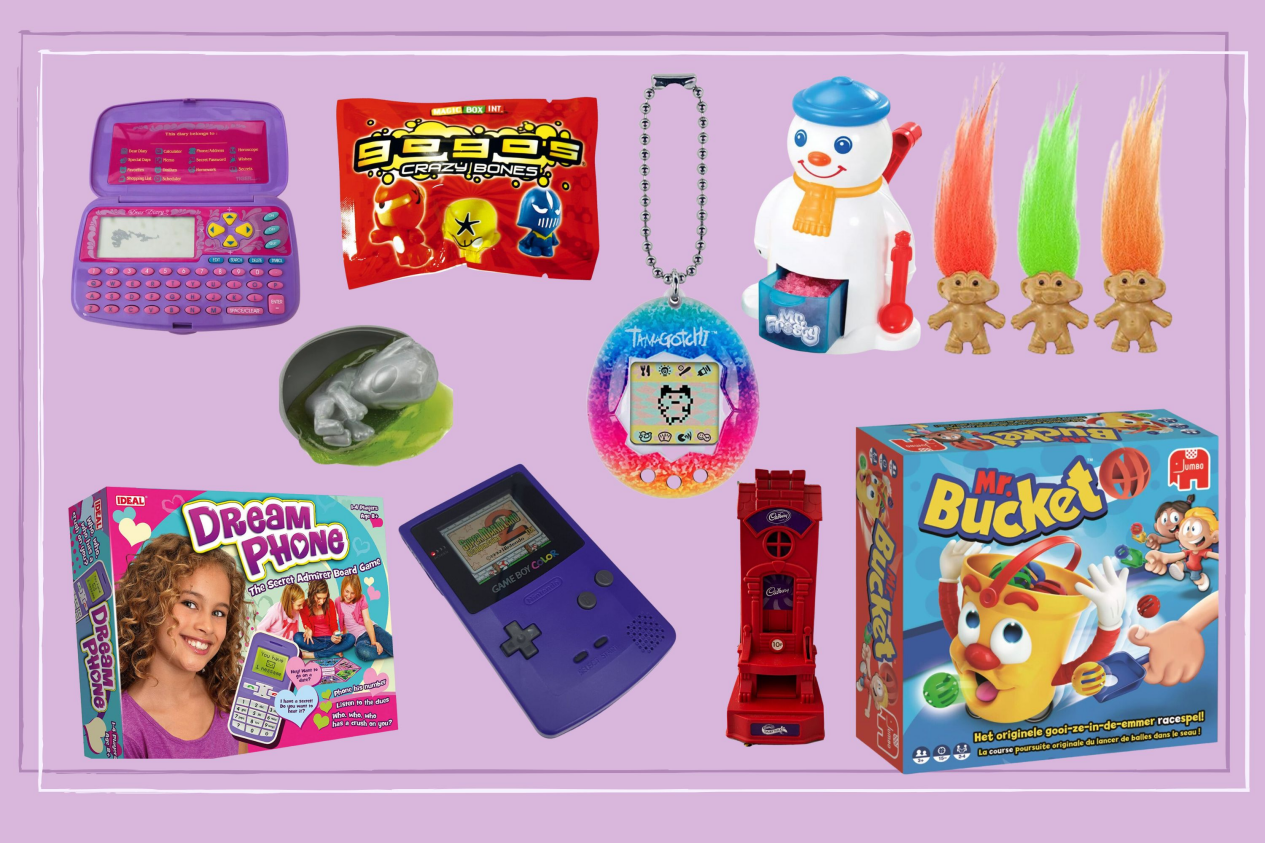
The 1990s was a vibrant decade for children’s toys, marked by innovation, creativity, and a unique cultural landscape. Toys from this era not only entertained but also shaped the childhood experiences of millions. This article explores the various aspects that made 90s children’s toys iconic, delving into their cultural significance, the evolution of play, and the nostalgia they evoke today.
Table of Contents
The Cultural Landscape of the 90s
A Decade of Change
The 90s were a time of significant change in society, technology, and entertainment. The rise of the internet began to influence how children interacted with toys. Video games became more sophisticated, and television shows aimed at children proliferated, leading to a surge in toy tie-ins. This decade saw the emergence of brands that would become household names, such as Pokémon, Tamagotchi, and Beanie Babies. The cultural shifts of the 90s also reflected broader societal changes, including the increasing importance of technology in everyday life. Children were not just passive consumers of toys; they were active participants in a rapidly evolving entertainment landscape that included video games, cartoons, and the beginnings of online gaming.
The Influence of Media
Television and movies played a crucial role in shaping the toy market. Iconic shows like “Mighty Morphin Power Rangers,” “The Magic School Bus,” and “Teletubbies” not only entertained children but also inspired a range of toys that allowed kids to engage with their favorite characters. The marketing strategies of the time often included catchy jingles and memorable commercials that made these toys irresistible. The synergy between media and toys created a phenomenon where children felt a personal connection to the characters, leading to a desire to own the toys associated with them. This connection was further enhanced by the use of vibrant packaging and interactive advertisements that captured the imagination of young viewers.
Iconic Toys of the 90s
Action Figures and Dolls
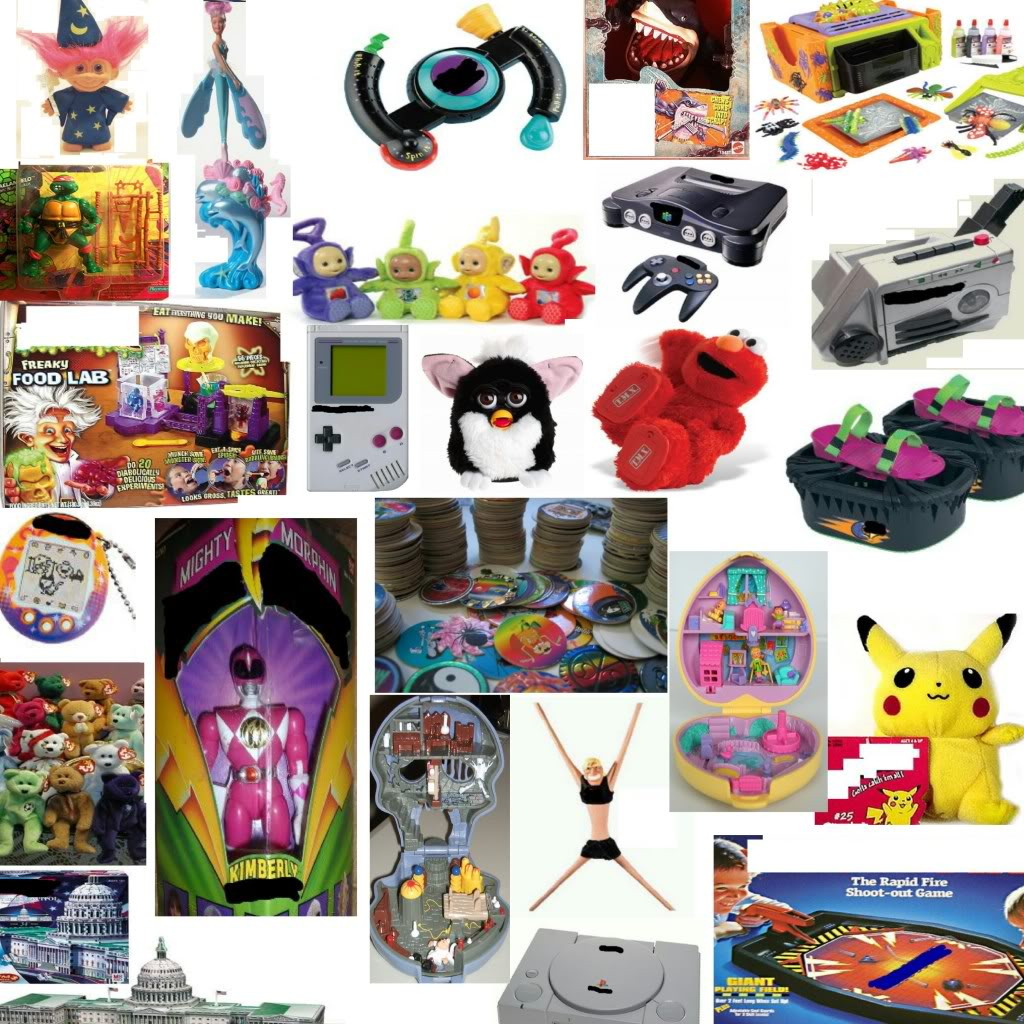
The 90s were a golden age for action figures and dolls. Brands like Barbie and G.I. Joe continued to thrive, while new entrants like the Power Rangers and the various iterations of Pokémon action figures captured the imaginations of children. These toys often came with elaborate backstories and accessories, encouraging imaginative play. The diversity of characters and themes allowed children to create their own narratives, fostering creativity and storytelling skills. Additionally, the introduction of limited edition figures and special collections created a sense of exclusivity, making these toys even more desirable among collectors and young fans alike.
Electronic Toys
The introduction of electronic toys revolutionized playtime. Tamagotchis, virtual pets that required care and attention, became a cultural phenomenon. Children were captivated by the idea of nurturing a digital creature, which added a new layer of responsibility to play. Similarly, the Furby, an interactive robotic toy, became a must-have item, capable of responding to voice commands and engaging in simple conversations. These electronic toys not only entertained but also taught children about responsibility and empathy, as they had to ensure their virtual pets were fed and happy. The blend of technology and play opened up new avenues for engagement, making playtime more interactive and dynamic.
Board Games and Puzzles
Board games also saw a resurgence in the 90s, with classics like “Hungry Hungry Hippos” and “The Game of Life” being staples in many households. These games encouraged social interaction and family bonding, making them a vital part of childhood. Puzzles, too, remained popular, with colorful designs and themes that appealed to a wide range of interests. The tactile nature of board games and puzzles provided a counterbalance to the increasing screen time associated with video games, allowing families to come together for shared experiences. The strategic elements of many board games also helped develop critical thinking and problem-solving skills in children, making play both fun and educational.
The Evolution of Play
From Physical to Digital
As technology advanced, so did the nature of play. The introduction of gaming consoles like the Nintendo 64 and the PlayStation changed how children engaged with toys. Video games became a dominant form of entertainment, often overshadowing traditional toys. However, this shift also led to the creation of toys that complemented gaming experiences, such as collectible figures and themed merchandise. The integration of video games into the toy market created a new hybrid of play, where children could enjoy both physical toys and digital experiences. This evolution reflected a broader trend in entertainment, where interactive and immersive experiences became the norm.
The Rise of Collectibles
The 90s also marked the rise of collectible toys. Beanie Babies, for instance, became a massive craze, with some rare editions fetching thousands of dollars. This trend encouraged children to not only play with their toys but also to collect and trade them, fostering a sense of community among young collectors. The excitement of hunting for rare items and the thrill of trading with friends added a social dimension to play, making it more than just an individual activity. Collecting also taught children about value and the importance of taking care of their belongings, as the condition of a toy could significantly impact its worth.
Nostalgia and Legacy
The Power of Nostalgia
For many adults today, the toys of the 90s evoke a strong sense of nostalgia. The memories associated with these toys often reflect simpler times, filled with creativity and imagination. This nostalgia has led to a resurgence of interest in 90s toys, with many brands re-releasing classic items or creating retro-inspired versions. The emotional connection that adults have with these toys often translates into a desire to share them with their children, creating a bridge between generations. This phenomenon highlights the lasting impact of 90s toys on popular culture and the ways in which they continue to resonate with new audiences.
Modern Interpretations
Today, many of the toys that defined the 90s are being reimagined for a new generation. Brands are tapping into the nostalgia of parents while introducing these toys to their children. This blend of old and new ensures that the legacy of 90s children’s toys continues to thrive. The revival of classic toys often includes modern updates, such as enhanced technology or new designs, making them relevant in today’s market. This approach not only satisfies the nostalgia of older consumers but also introduces timeless play patterns to younger audiences, ensuring that the joy of these toys endures.
Conclusion
The toys of the 90s were more than just playthings; they were a reflection of the cultural and technological shifts of the decade. From action figures to electronic pets, these toys shaped the childhoods of millions and continue to hold a special place in the hearts of those who grew up during this vibrant era. As we look back, it’s clear that the impact of 90s children’s toys is still felt today, both in the toys we see on store shelves and in the fond memories they evoke.
Related Questions and Answers
1. What were some of the most popular toys in the 90s?
Some of the most popular toys included Tamagotchis, Furby, Beanie Babies, and action figures from franchises like Power Rangers and Pokémon.
2. How did technology influence 90s toys?
Technology introduced electronic toys like Tamagotchis and Furbies, which required interaction and care, changing the way children played.
3. Why do 90s toys evoke nostalgia?
90s toys evoke nostalgia because they remind adults of their childhood experiences, simpler times, and the joy of imaginative play.
4. What role did media play in the popularity of 90s toys?
Media, including television shows and movies, heavily influenced toy popularity by creating demand for merchandise tied to beloved characters and stories.
5. Are any 90s toys still popular today?
Yes, many 90s toys have seen a resurgence in popularity, with brands re-releasing classic items and creating new versions that appeal to both nostalgic adults and new generations of children.
How To Purchase:https://looperbuy.com/search?keywords=90s+Children%27s+Toys