Table of Contents
Introduction to E-commerce
The digital age has revolutionized the way we conduct business, leading to the rapid growth of e-commerce. Entrepreneurs are increasingly turning to online platforms to reach customers, and the opportunities are vast. This article provides a comprehensive overview of how to successfully navigate the e-commerce landscape, focusing on essential strategies and best practices for aspiring online business owners.
The E-commerce Ecosystem
Understanding Different E-commerce Models
E-commerce is not a one-size-fits-all approach; it encompasses various business models that cater to different market needs. Here are the primary types of e-commerce models:
- Business to Consumer (B2C): This model involves businesses selling products directly to consumers. It is the most common form of e-commerce, exemplified by companies like Amazon and Walmart.
- Business to Business (B2B): In this model, businesses sell products or services to other businesses. This includes wholesalers and manufacturers who supply goods to retailers.
- Consumer to Consumer (C2C): Platforms like eBay and Etsy facilitate transactions between consumers, allowing individuals to sell products to one another.
- Consumer to Business (C2B): This model allows individuals to sell their products or services to businesses, often seen in freelance work and influencer marketing.
The Appeal of Dropshipping
Dropshipping has emerged as a popular e-commerce model, particularly for new entrepreneurs. This model allows you to sell products without the need to maintain inventory. When a customer places an order, the product is shipped directly from the supplier to the customer, minimizing upfront costs and risks associated with unsold inventory.
Advantages of Dropshipping
- Low Startup Costs: Since you don’t need to invest in inventory upfront, the initial costs are significantly lower compared to traditional retail models.
- Flexibility: Dropshipping allows you to operate from anywhere with an internet connection, providing flexibility in terms of location and working hours.
- Wide Product Selection: You can offer a diverse range of products without the need to stock them, allowing you to test different markets and niches easily.
- Scalability: As your business grows, you can easily scale your operations without the logistical challenges of managing inventory.
Steps to Launch Your E-commerce Business
Identifying Your Niche
Choosing the right niche is a critical step in establishing a successful e-commerce business. A well-defined niche helps you target a specific audience and reduces competition. Consider the following factors when selecting your niche:
- Market Demand: Research current trends and consumer preferences to identify products that are in high demand. Tools like Google Trends and social media platforms can provide insights into what consumers are currently interested in.
- Personal Interest and Expertise: Select a niche that aligns with your passions and knowledge. This will make it easier to create content and market your products effectively.
- Profitability: Analyze potential profit margins in your chosen niche. Ensure that the products you select can be sold at a competitive price while still generating a profit.
Building Your Online Store
Once you have identified your niche, the next step is to build your online store. Several platforms make it easy to set up an e-commerce website, including:
- Shopify: A user-friendly platform that offers a range of customizable templates and features for e-commerce businesses. Shopify also provides integrated payment processing and shipping solutions.
- WooCommerce: A WordPress plugin that allows you to turn your existing website into an online store. It offers extensive customization options and is ideal for those familiar with WordPress.
- BigCommerce: A scalable platform suitable for businesses of all sizes, offering various built-in features such as SEO tools and multi-channel selling capabilities.
Sourcing Products
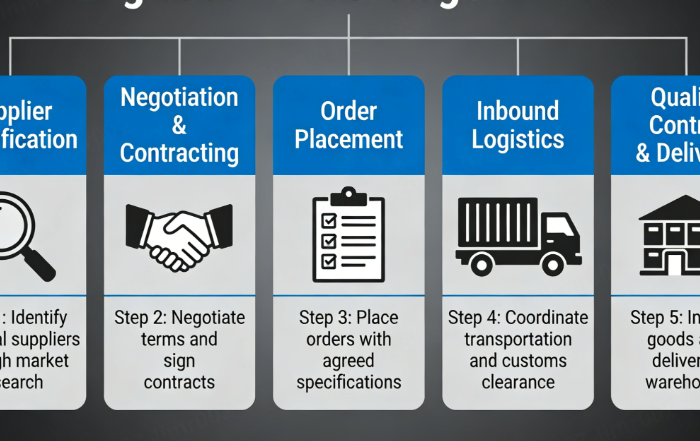
In a dropshipping model, sourcing products is a crucial step. You need to find reliable suppliers who can provide quality products at competitive prices. Here are some tips for sourcing products:
- Research Suppliers: Use platforms like AliExpress, Oberlo, or SaleHoo to find reputable suppliers. Look for suppliers with good reviews and a track record of timely deliveries.
- Order Samples: Before committing to a supplier, order samples to assess the quality of the products. This step is essential to ensure that the products meet your standards and those of your customers.
- Negotiate Terms: Establish clear terms regarding pricing, shipping times, and return policies with your suppliers. Good communication is key to maintaining a successful relationship with your suppliers.
Setting Up Payment and Shipping
Once your online store is built and products are sourced, you need to set up payment and shipping options. Consider the following:
- Payment Gateways: Choose reliable payment gateways like PayPal, Stripe, or Square to facilitate secure transactions. Ensure that your payment options are user-friendly and cater to your target audience.
- Shipping Solutions: Determine your shipping strategy, including shipping rates and delivery times. You can offer free shipping, flat-rate shipping, or real-time shipping rates based on customer location.
Marketing Your E-commerce Business
Crafting a Marketing Strategy
A solid marketing strategy is essential for driving traffic to your online store and converting visitors into customers. Consider the following marketing tactics:
- Search Engine Optimization (SEO): Optimize your website for search engines to improve visibility and attract organic traffic. Focus on keyword research, on-page SEO, and building backlinks to enhance your site’s authority.
- Social Media Marketing: Utilize platforms like Instagram, Facebook, and Pinterest to promote your products and engage with your audience. Create visually appealing content that resonates with your target demographic.
- Email Marketing: Build an email list to communicate with potential customers and keep them informed about promotions and new products. Use personalized email campaigns to increase engagement and drive sales.
Leveraging Paid Advertising
While organic marketing strategies are effective, paid advertising can provide a significant boost to your e-commerce business. Consider the following options:
- Google Ads: Use Google Ads to target specific keywords and drive traffic to your website. This can be particularly effective for reaching customers who are actively searching for products similar to yours.
- Social Media Ads: Platforms like Facebook and Instagram offer targeted advertising options that allow you to reach your ideal customers. Utilize retargeting ads to re-engage visitors who did not complete a purchase.
- Influencer Marketing: Collaborate with influencers in your niche to promote your products to their audience. Influencers can help build credibility and reach a wider audience.
Managing Your E-commerce Operations
Providing Excellent Customer Service
Customer service is a vital component of any successful e-commerce business. Consider the following practices to enhance customer satisfaction:
- Responsive Communication: Ensure that you respond promptly to customer inquiries and concerns. Use chatbots or live chat features to provide immediate assistance.
- Clear Return Policies: Establish clear return and refund policies to instill confidence in your customers. Make sure these policies are easily accessible on your website.
- Personalization: Use customer data to personalize the shopping experience, such as recommending products based on previous purchases. Personalized experiences can significantly enhance customer loyalty.
Analyzing Business Performance
Regularly analyzing your e-commerce performance is essential for identifying areas for improvement. Utilize tools like Google Analytics to track key metrics, including:
- Traffic Sources: Understand where your website traffic is coming from to optimize your marketing efforts. This data can help you allocate resources effectively.
- Conversion Rates: Monitor your conversion rates to identify potential bottlenecks in the purchasing process. A/B testing can help you determine which elements of your site are most effective.
- Customer Feedback: Collect and analyze customer feedback to improve your products and services. Use surveys and reviews to gain insights into customer preferences and pain points.
Staying Updated with E-commerce Trends
The e-commerce landscape is constantly evolving, and staying updated with the latest trends is crucial for maintaining a competitive edge. Some current trends include:
- Mobile Commerce: With the increasing use of smartphones, optimizing your online store for mobile devices is essential. Ensure that your website is mobile-friendly and offers a seamless shopping experience.
- Sustainability: Consumers are becoming more environmentally conscious, leading to a demand for sustainable products. Consider sourcing eco-friendly products and promoting your commitment to sustainability.
- Augmented Reality (AR): AR technology is gaining traction in e-commerce, allowing customers to visualize products in their environment before making a purchase. This can enhance the shopping experience and reduce return rates.
Conclusion
Navigating the e-commerce landscape requires careful planning and execution. By understanding different business models, selecting the right niche, building an effective online store, and implementing robust marketing strategies, you can create a successful e-commerce venture. Remember to prioritize customer service and continuously analyze your performance to ensure long-term success.
As you embark on your e-commerce journey, remember that the right products can elevate your business to new heights—discover unique offerings that will captivate your customers at https://looperbuy.com/.
Related Questions & Answers
· What are the legal considerations for starting a dropshipping business? When starting a dropshipping business, it’s essential to understand the legal requirements, including business registration, tax obligations, and compliance with consumer protection laws.
· How can I automate aspects of my dropshipping business to save time? You can automate your dropshipping business by using tools for inventory management, order processing, and customer communication, allowing you to focus on growth and strategy.
· What are some common pitfalls to avoid when starting a dropshipping business? Common pitfalls include failing to research suppliers, neglecting customer service, and underestimating marketing efforts. It’s crucial to plan and execute each aspect carefully.
· How do I handle returns and refunds in a dropshipping business? Establish clear return and refund policies with your suppliers and communicate these policies to your customers to ensure a smooth process.
· What are the best platforms for dropshipping? Popular platforms for dropshipping include Shopify, WooCommerce, and BigCommerce, each offering unique features to support your e-commerce business.
Hot Tags: E-commerce; Online Business; Dropshipping; Digital Marketing; E-commerce Strategies; Customer Service; Market Research; Business Models; E-commerce Trends