The evolution of domestic companionship has ushered in a new golden age for the pet industry, particularly within the realm of fashion. No longer relegated to simple functional blankets for warmth, modern pet apparel has become a sophisticated extension of personal identity, luxury, and advanced textile engineering. To design pet clothes today requires a multifaceted understanding of animal anatomy, behavioral psychology, and the shifting landscape of global fashion trends. As the bond between humans and their animals deepens, the expectation for high-quality, aesthetically pleasing, and ergonomically sound garments has never been higher. This transition from basic utility to high-concept couture represents a significant opportunity for creators who can balance the whimsical nature of pet style with the rigorous demands of safety and comfort.
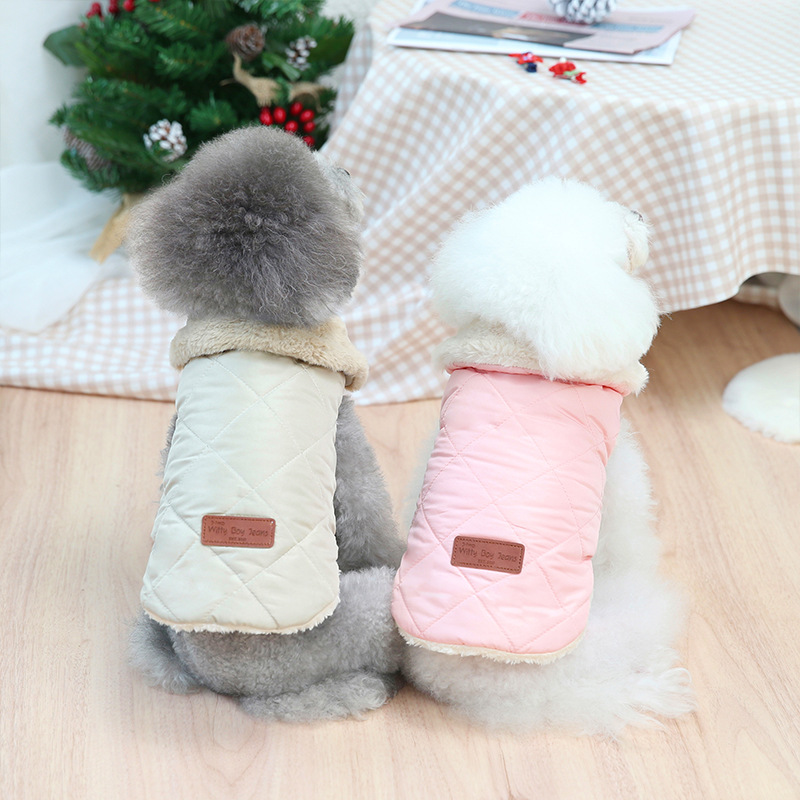
Table of Contents
The Cultural Renaissance of Pet Humanization
The primary driver behind the booming pet apparel market is the profound shift in how society views animals. Pets are increasingly treated as integral family members, often receiving the same level of care, attention, and lifestyle investment as children. This “humanization” of pets has naturally spilled over into the wardrobes of dogs, cats, and even smaller mammals. Owners today seek garments that reflect their own values, whether that involves sustainable manufacturing, high-end luxury branding, or street-style aesthetics. Consequently, the challenge to design pet clothes has moved into the professional sphere, attracting talent from traditional fashion houses and technical sports gear industries. This cultural shift ensures that pet fashion is not a passing fad but a permanent fixture of the modern consumer economy.
Economic Projections and the Professionalization of the Industry
Market analysts have noted a consistent upward trajectory in the valuation of the pet accessories and apparel sector. This growth is supported by a demographic that is willing to spend a premium on products that promise longevity and health benefits. As the industry professionalizes, we see a move away from mass-produced, low-quality items toward boutique collections that emphasize artisanal craftsmanship and innovative materials. Designers are now utilizing sophisticated software and supply chains that mirror the complexity of human garment production. This economic environment encourages innovation, allowing designers to experiment with specialized sizing, custom fabrics, and even integrated technology, setting a high bar for anyone entering the field.
Anatomical Integrity: The Foundation of Pet Pattern Making
The most significant hurdle when you set out to design pet clothes is the sheer diversity of the animal form. Unlike human fashion, which largely adheres to a vertical, bipedal silhouette, pet apparel must accommodate a vast array of body shapes, sizes, and movement patterns. From the deep-chested Greyhound to the broad-shouldered Bulldog, a one-size-fits-all approach is doomed to fail. Success in this field begins with a deep dive into the biomechanics of how an animal moves, breathes, and interacts with its environment.
The Challenges of Breed-Specific Geometry
Standardizing sizes in pet fashion is notoriously difficult because a “medium” for a Beagle is vastly different from a “medium” for a French Bulldog. Professional designers must create patterns that account for the unique proportions of different breed groups. This involves measuring not just the neck and chest girth, but also the distance between the front legs, the curvature of the spine, and the placement of the tail. A well-designed garment should stay in place during a full sprint without twisting or bunching, which requires a mastery of tension and fabric draping. By focusing on breed-specific geometry, a designer can ensure that their clothes provide a flattering fit that does not compromise the animal’s natural silhouette.
Ergonomics and the Biomechanics of Movement
Movement is the essence of a pet’s life. Whether they are jumping, rolling, or running, their clothing must act as a second skin. When designers design pet clothes, they must prioritize the range of motion in the shoulder and hip joints. High-cut leg openings are often necessary to prevent chafing, while elasticated panels can provide the necessary give for a dog to stretch fully. Furthermore, the weight of the garment must be distributed evenly to avoid putting pressure on the spine or interfering with the animal’s balance. An ergonomic approach ensures that the pet remains comfortable for hours of wear, reducing the likelihood of them trying to scratch or bite the garment off.
The Textile Revolution: Materials and Safety Standards
The choice of fabric is perhaps the most critical technical decision in the design process. Pet clothing is subject to significantly more wear and tear than human clothing, involving exposure to dirt, moisture, and the abrasive nature of fur and claws. Therefore, the materials selected must be exceptionally durable while remaining soft enough for sensitive skin.
Durability, Breathability, and Fur Management
Natural fibers like organic cotton and bamboo are popular for their breathability and hypoallergenic properties, making them ideal for base layers. However, for outerwear, technical synthetics often provide the necessary protection against the elements. Fabrics like ripstop nylon and reinforced polyester offer resistance to tears and snags, which is essential for active dogs that enjoy off-leash adventures. Additionally, designers are increasingly looking for “fur-repellent” finishes. Traditional wool, for example, can become a magnet for loose hair, making the garment look messy and difficult to clean. Modern designers often opt for smooth-surface weaves that allow hair to be easily brushed off, maintaining the aesthetic integrity of the piece.
Safety First: Hardware and Chemical Compliance
Safety is an absolute priority when you design pet clothes. Unlike humans, pets explore their world with their mouths, meaning any button, zipper, or sequin is a potential choking hazard. Professional designers favor heavy-duty snap fasteners or high-quality Velcro that can withstand vigorous movement. Moreover, the chemicals used in dyes and fabric treatments must be strictly non-toxic and lead-free. Many pets have thinner skin than humans and can absorb harmful substances more easily. Ensuring that all materials meet rigorous safety standards is not just a legal requirement in many jurisdictions but a moral obligation for the designer to protect the well-being of the animal.
Seasonal Innovation: Adapting to Environmental Extremes
The functionality of pet clothing is often dictated by the weather. As global climates become more unpredictable, there is a rising demand for garments that can handle extreme heat and extreme cold. This has led to a surge in technical innovation within the pet apparel space.
Winter Engineering and Thermal Insulation
In cold climates, clothing is a health necessity for many breeds, particularly those with short coats or low body fat. Designers are now incorporating advanced thermal linings that reflect the pet’s body heat back toward them without adding excessive bulk. Down-alternative fills and high-loft fleeces provide excellent insulation while remaining lightweight. Water-resistant outer shells are also crucial for keeping the undercoat dry, as a wet pet can lose body heat rapidly. The goal in winter design is to provide maximum warmth with minimum restriction, allowing the pet to enjoy their winter walks in total comfort.
Summer Solutions and Cooling Technology
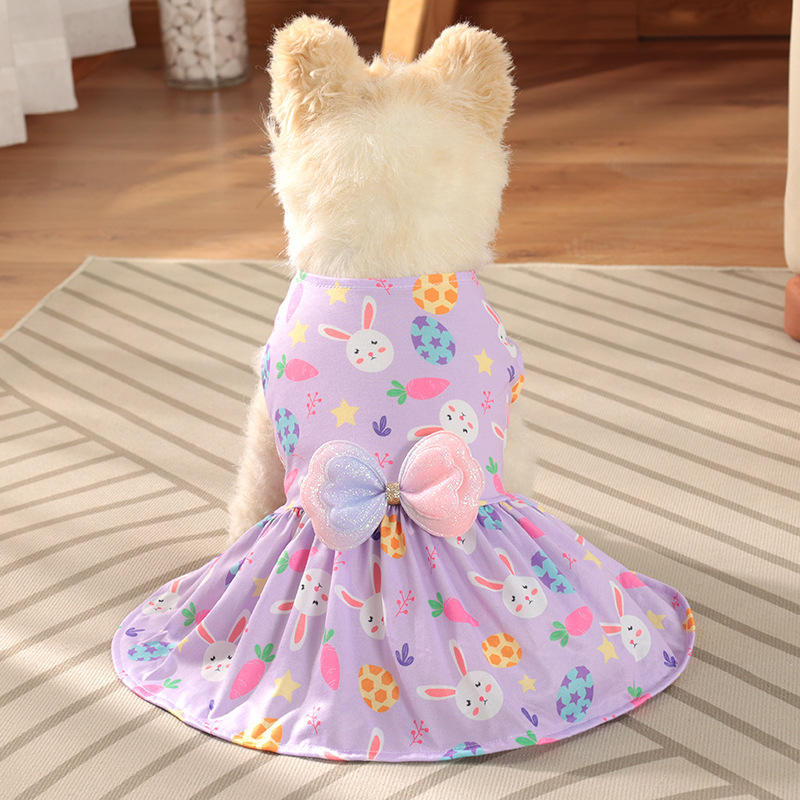
Overheating is a serious risk for many animals, particularly brachycephalic (flat-faced) breeds. Summer fashion focuses heavily on heat mitigation. Cooling vests made from specialized evaporative fabrics are a major trend. These garments are soaked in water, and as the water evaporates, it draws heat away from the animal’s body. Additionally, lightweight mesh fabrics allow for maximum airflow, while UV-protective treatments shield pets with thin hair from sun damage. By designing for the specific challenges of the summer months, creators can provide essential tools for pet safety during the hottest parts of the year.
The Creative Process: From Conceptualization to Production
The journey to design pet clothes is a meticulous process that balances artistic vision with practical constraints. It begins with extensive research into current fashion trends, which are then adapted for the unique context of the pet world.
Trend Adaptation and Aesthetic Selection
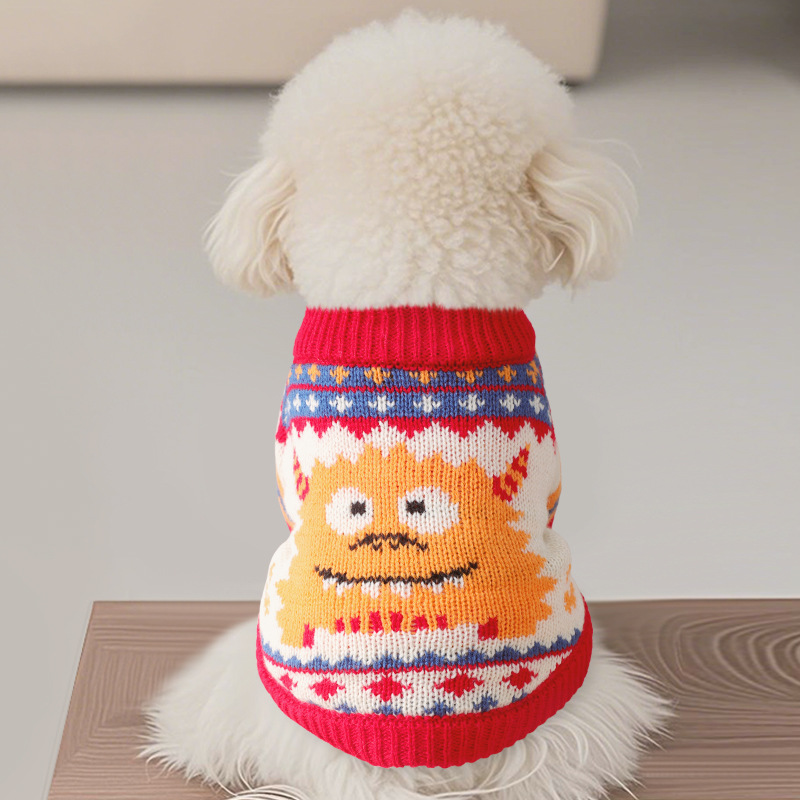
Pet owners often want their animals to match their own style. This has led to the rise of “mini-me” fashion, where human trends—such as oversized hoodies, vintage denim, or minimalist chic—are translated into pet sizes. However, a direct translation is rarely successful. Designers must determine which elements of a trend can be safely and comfortably adapted. For example, a heavy metal chain that looks great on a human runway would be far too heavy and dangerous for a small dog. Instead, the designer might use a lightweight, metallic-finished plastic that achieves the same look without the risk. This process of creative adaptation is where the true artistry of pet fashion lies.
Prototyping and Real-World Testing
No design is complete without rigorous testing. After the initial sketches and digital patterns are finalized, a prototype is created. This sample must be tested on live animals of various sizes to observe how it performs in motion. Does the collar slip? Does the belly strap stay secure during a bathroom break? Is the fabric too loud when the dog walks? These are questions that can only be answered through real-world observation. Professional designers often iterate through several versions of a garment before it ever reaches the production line, ensuring that every detail has been perfected for the end-user.
Marketing and Branding in the Digital Marketplace
In a crowded market, the success of a pet clothing line depends heavily on branding and the ability to connect with a passionate community of pet lovers. The digital era has changed how these products are discovered and consumed.
The Influence of Social Media and Visual Storytelling
Platforms like Instagram and TikTok have become the primary galleries for pet fashion. High-quality photography and engaging video content that shows the clothes in action are essential for building a brand. Pet “influencers”—animals with large followings—can provide incredible visibility for a new designer. However, the most successful brands go beyond just pretty pictures; they tell a story about the bond between the pet and the owner. They emphasize the quality of their materials, the ethics of their production, and the lifestyle that their clothes represent. This emotional connection is what turns a one-time buyer into a loyal brand advocate.
Sustainability as a Competitive Edge
Modern consumers are increasingly concerned about the environmental impact of their purchases. Brands that prioritize sustainable practices—such as using recycled ocean plastics for jackets or organic fibers for shirts—often see a higher level of engagement and loyalty. Sustainability in pet fashion also means creating “slow fashion” items that are built to last for years, rather than “fast fashion” pieces that are discarded after a single season. By aligning a brand with these values, a designer can appeal to the ethical sensibilities of the modern pet parent and differentiate themselves from lower-quality competitors.
The Future of Pet Fashion: Technology and Beyond
As we look toward the future, the integration of technology into pet apparel is the next great frontier. We are already seeing the first generation of “smart” clothes that can monitor a pet’s vital signs or track their location via GPS.
Smart Fabrics and Biometric Integration
Future designs may include fabrics that can change color or texture based on the pet’s body temperature or stress levels. Imagine a coat that turns a specific color if a dog is beginning to overheat, alerting the owner to take action immediately. Furthermore, the seamless integration of health monitors that sync with a veterinarian’s office could revolutionize pet healthcare. The challenge for designers will be to house these electronic components in a way that remains comfortable, washable, and durable.
Customization and 3D Printing
The rise of 3D printing and on-demand manufacturing could also solve the perennial problem of sizing. In the future, an owner might be able to scan their pet with a smartphone and have a perfectly tailored garment printed to their exact specifications. This would eliminate waste and ensure a perfect fit every time. While this technology is still in its infancy for pet apparel, the potential for mass customization is vast and represents the next logical step in the evolution of the industry.
Conclusion
To design pet clothes is to participate in a unique intersection of love, art, and science. It is an industry that demands excellence because its subjects cannot speak for themselves. By focusing on the fundamentals of anatomy, the innovation of textiles, and the ethics of production, designers can create products that truly enhance the lives of pets and their owners. As the world continues to embrace animals as true companions, the field of pet fashion will only become more creative, more technical, and more essential. The future of pet style is not just about looking good; it is about providing the comfort, safety, and dignity that our four-legged friends deserve.
How to purchase:Online B2B sourcing platform, China purchase, Chinese suppliers – LooperBuy
Frequently Asked Questions
1. What is the most important rule when you begin to design pet clothes?
The absolute priority is the safety and comfort of the animal. A garment must never restrict breathing, vision, or the ability to move naturally. Designers must avoid small parts that could be chewed off and swallowed, and always choose non-toxic, pet-safe materials that won’t irritate the skin.
2. How do I ensure my designs fit many different breeds?
Focus on adjustable features and anatomical landmarks. Instead of rigid sizes, use adjustable straps, elastic panels, and multi-point closure systems. Understanding the specific chest-to-neck ratios of different breed groups is also essential for creating patterns that don’t slide or bunch during activity.
3. Which fabrics are best for dogs with sensitive skin or allergies?
Natural, breathable, and hypoallergenic fibers are the best choice for sensitive pets. Organic cotton, bamboo, and hemp are excellent because they allow for airflow and do not trap moisture or heat. Avoid synthetic fabrics with harsh chemical treatments or rough textures that could cause chafing or hives.
4. Can clothing actually benefit a pet’s health during the summer?
Yes, specialized cooling apparel can be life-saving in hot weather. Cooling vests that use evaporative technology help lower a pet’s core temperature, which is especially important for breeds prone to heatstroke. Additionally, UV-protective fabrics can prevent painful sunburns on hairless or light-colored pets.
5. How do I make my pet clothing brand more sustainable?
Sustainability starts with material sourcing and ends with durability. Use recycled or organic textiles, minimize plastic packaging, and ensure your manufacturing partners follow ethical labor practices. Most importantly, design high-quality garments that are built to last, encouraging owners to buy less but buy better.
HOT TAG: pet fashion industry trends, professional dog apparel design, sustainable pet clothing materials, canine anatomy and ergonomics, luxury pet couture, animal safety standards in fashion, pet humanization marketing, functional pet wear innovation, breathable fabrics for pets, thermal pet insulation, bespoke pet tailoring, petfluencer brand strategy, eco-friendly pet textiles, smart pet wearables, pet clothing manufacturing, summer cooling tech for dogs, winter pet safety gear, hypoallergenic animal fabrics, 3D printed pet clothes, custom pet fashion growth.