The landscape of modern outdoor design is undergoing a profound transformation, driven by a growing intersection between environmental stewardship and a demand for high-performance materials. For decades, the gold standard for luxury outdoor furnishings was natural timber—teak, cedar, and redwood—valued for their organic warmth and prestigious aesthetic. However, the inherent vulnerabilities of natural wood, including its susceptibility to rot, insect infestation, and the relentless cycle of seasonal maintenance, have paved the way for a more durable successor. The era of plastic wood furniture represents a material innovation that has evolved from humble industrial beginnings into a cornerstone of sustainable luxury. This resilient revolution is not merely about replacing one material with another; it represents a fundamental shift in how we perceive longevity and responsibility in the furniture industry.
Table of Contents
The Historical Genesis of Synthetic Timber
The story of plastic wood, often referred to in technical circles as High-Density Polyethylene (HDPE) or poly-lumber, began in the mid-20th century as researchers looked for ways to manage the burgeoning surplus of post-consumer plastic waste. While the first iterations of wood-plastic composites appeared in the 1960s, these early versions often lacked the structural integrity and aesthetic refinement required for consumer-grade furniture. It was not until the late 1980s and early 1990s that pioneering manufacturers began refining the process of turning recycled milk jugs and detergent bottles into solid, lumber-like planks. These innovators recognized that HDPE possessed unique molecular properties—namely its high strength-to-density ratio and chemical inertness—that made it an ideal candidate for outdoor applications where moisture and UV exposure would otherwise destroy organic fibers. Over the last thirty years, the material has transitioned from a niche industrial solution used primarily for ocean piers and playground equipment to a mainstream favorite for high-end residential patios and luxury resorts across the globe.
The Scientific Foundation of Synthetic Lumber
To truly appreciate the value of this material, one must understand the molecular science that differentiates it from traditional plastics. High-Density Polyethylene is a thermoplastic polymer produced from the monomer ethylene. Unlike low-density plastics used for thin films or grocery bags, HDPE has a large strength-to-density ratio and a high degree of molecular branching that provides it with exceptional rigidity. When these polymers are processed into furniture-grade lumber, they create a substance that is essentially non-porous. This lack of porosity is the defining characteristic that allows the material to survive in environments that would rot natural wood within a few years. Because water cannot penetrate the surface, the internal structure remains stable regardless of humidity levels or direct rainfall.
The Transformation from Waste to Wealth
The manufacturing journey of plastic wood furniture is a masterclass in the circular economy. It begins at recycling centers, where post-consumer plastics are meticulously sorted. For high-quality furniture, HDPE is the preferred resin because it does not leach chemicals and remains structurally stable under wide temperature fluctuations. Once sorted, the plastic is shredded into small flakes and subjected to a rigorous multi-stage cleaning process to remove contaminants like paper labels, adhesives, and organic residue. This clean plastic is then melted and formed into uniform pellets, which serve as the raw feedstock for the extrusion process. This conversion of waste into a high-value consumer good is one of the most effective ways to mitigate the global plastic crisis while providing a product that serves a functional and aesthetic purpose in the home.
The Extrusion and Finishing Process
During the extrusion phase, the molten HDPE is combined with specialized UV-inhibiting agents and high-grade pigments. Unlike painted wood, where the color sits on the surface and is prone to chipping, the pigments in synthetic lumber are infused throughout the entire cross-section of the material. This ensures that even if the furniture is scratched or deeply gouged, the color remains consistent, and the material never requires repainting or staining. The molten mixture is then forced through metal dies to create various profiles that mimic the dimensions of traditional lumber. High-pressure cooling systems stabilize the shape of these planks, after which they are precision-cut and machined into the components that form the final chairs, tables, and benches. Advanced texturing techniques are often applied at this stage, embossing a realistic wood grain onto the surface to provide a tactile experience that is indistinguishable from natural timber to the casual observer.
Engineering for the Extremes
The most compelling argument for the adoption of plastic wood furniture lies in its extraordinary resilience against environmental stressors. Traditional wood furniture is essentially a biological material; it is designed by nature to eventually decompose when exposed to moisture and oxygen. In a garden environment, this process is accelerated by rain, humidity, and soil-borne microbes. In contrast, HDPE is fundamentally immune to the most common killers of outdoor furniture: rot, mold, and mildew. In coastal environments where salt air can corrode metal and cause wood to warp at an alarming rate, synthetic lumber remains unaffected. This makes it the premier choice for beachfront properties and poolside lounging where the combination of water, salt, and sun is most intense.
Defeating the Traditional Enemies of Timber
Beyond its resistance to water, the structural integrity of this material extends to its defense against physical and biological threats. Unlike natural timber, which can splinter and crack over time as it loses its internal oils, plastic wood maintains a degree of flexural strength that allows it to withstand heavy use without becoming brittle. It is also inherently resistant to wood-boring insects, carpenter ants, and termites. This eliminates the need for the toxic chemical treatments or pesticides often required to protect cedar or pressure-treated pine. For the consumer, this means an investment that does not just last for a few seasons, but for decades, often outliving the very houses they are placed in. Furthermore, the material’s high density makes it heavy enough to remain stationary during high winds, providing a sense of security that lightweight plastic or aluminum furniture cannot offer.
The Environmental Imperative
In an era of increasing climate consciousness, the environmental credentials of plastic wood furniture are perhaps its most significant asset. The industry serves as a vital component of global sustainability efforts by diverting millions of pounds of plastic waste from landfills and oceans every year. It is estimated that a single large Adirondack chair can contain the recycled equivalent of hundreds of milk jugs. By choosing synthetic lumber, consumers are effectively locking away plastic waste in a durable, long-term product rather than allowing it to contribute to the global pollution crisis. This process turns a potential environmental hazard into a functional asset that enhances the beauty of a home.
Reducing the Carbon Footprint of the Home
Moreover, the manufacturing process itself has become increasingly eco-efficient over the years. Leading producers often operate near-zero-waste facilities, where any scrap material generated during the cutting and assembly phases is immediately reground and fed back into the extrusion line. Because the material is entirely recyclable, the furniture itself can theoretically be reprocessed at the end of its life cycle, though given its multi-decade lifespan, this rarely occurs within a single generation. Furthermore, by reducing the demand for hardwoods like teak, ipe, and mahogany, the synthetic lumber industry helps mitigate the pressure on global forests and reduces the carbon footprint associated with international timber shipping and the devastating effects of deforestation in tropical regions.
Design Without Limits
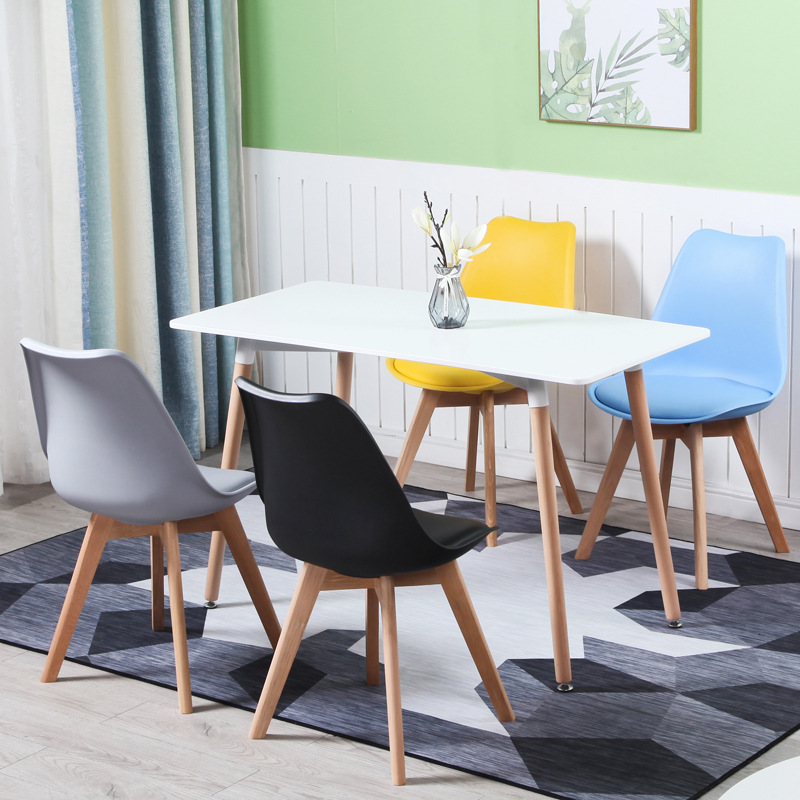
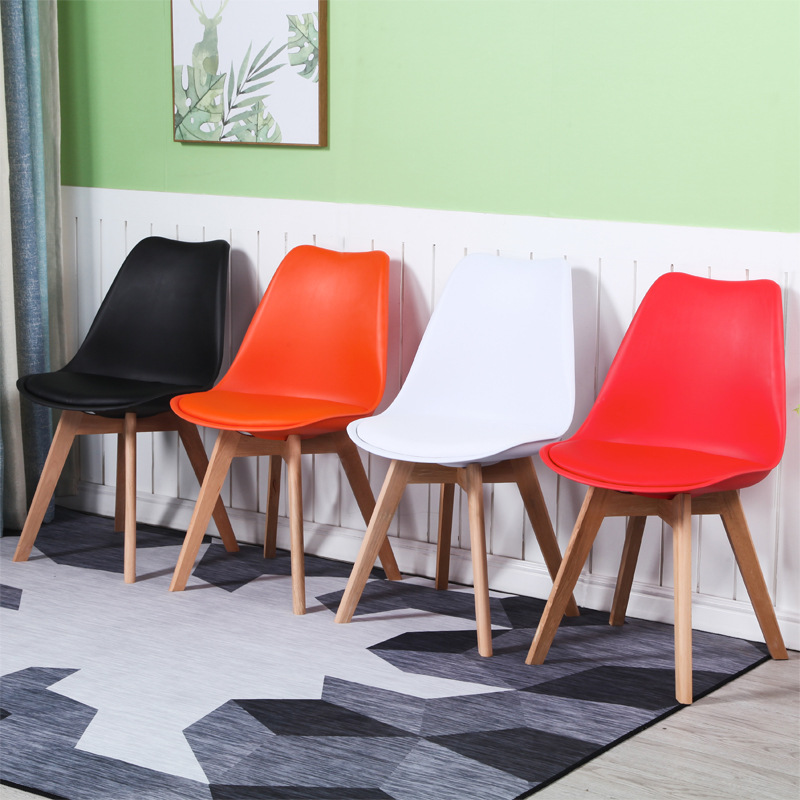
One common misconception about plastic-based furniture is that it must look industrial or artificial. Modern design techniques have shattered this stereotype completely. Engineers now use sophisticated molding and finishing processes to create a wide array of textures and styles. The availability of colors is far superior to what can be achieved with wood stains. From vibrant tropical hues like sunset orange and lime green to classic earth tones like slate gray, sand, and driftwood, the palette is nearly infinite. This allows homeowners to coordinate their outdoor décor with their interior design themes in a way that was previously difficult with limited wood species.
The Versatility of Modern Color Palettes
Architects and professional designers are increasingly turning to this material because it allows for clean, minimalist lines that are difficult to maintain in organic materials. Because the material is consistent in density and lacks the knots or grain defects found in timber, it can be machined to incredibly tight tolerances. This precision allows for the creation of modern, mid-century, and contemporary designs that look just as at home in an upscale urban penthouse as they do in a rustic mountain cabin. The material’s ability to be curved and shaped through heat-bending also opens up ergonomic possibilities that traditional wood cannot match, leading to chairs that are more comfortable and supportive for the human form.
The Long-Term Financial Equation
While the initial purchase price of high-quality plastic wood furniture can be higher than that of softwoods or budget metals, the long-term return on investment is undeniable. The primary cost of outdoor furniture is often not the purchase price, but the hidden expenses of maintenance and eventual replacement. Natural wood requires annual sanding, sealing, and oiling to prevent graying and decay. These maintenance cycles require both time and expensive specialty products. Metal furniture, on the other hand, often requires rust treatments or expensive repainting when the powder coating is breached. Plastic wood eliminates these recurring costs entirely, making it a more economical choice over the span of five to ten years.
Calculating the True Cost of Ownership
When one calculates the “cost per year of use,” synthetic lumber consistently outperforms almost every other outdoor material. For commercial owners, such as restaurant or hotel managers, this reduction in labor and material costs translates to significant operational savings. For the homeowner, it provides the ultimate luxury: time. Instead of spending a weekend every spring refinishing the deck furniture, owners can simply spray their chairs down with a hose and get back to enjoying their outdoor space. The peace of mind that comes from knowing your furniture will look exactly the same next year as it does today is a value proposition that is difficult to quantify but easy to appreciate.
Preserving Your Investment
Despite its reputation for being virtually indestructible, a few simple care habits can ensure your furniture looks pristine for a lifetime. Regular cleaning is the most effective way to prevent the buildup of environmental pollutants like pollen, dust, or salt spray. A simple solution of warm water and mild dish soap is usually sufficient to remove most surface grime. For more stubborn stains, such as those caused by spilled food or bird droppings, a soft-bristle brush can be used to scrub the textured grain without fear of damaging the finish. Because the material is chemically resistant, it can handle cleaning agents that would destroy the finish on a wooden chair.
Daily Care and Seasonal Management
In areas with high humidity, some owners may notice small spots of surface mold or mildew. It is important to remember that these organisms are not eating the plastic; they are feeding on organic debris like pollen or food particles that have settled on the surface. A solution of one part bleach to ten parts water can safely be used to sanitize the furniture without affecting the color. Additionally, periodically checking and tightening the stainless steel hardware—the screws and bolts that hold the pieces together—will ensure the furniture remains stable and safe through years of use. While covers are not strictly necessary for protection against the elements, they can be useful during the off-season to keep the furniture clean and ready for immediate use when the weather turns warm.
The Future of Outdoor Comfort
As we look toward the future, the evolution of synthetic lumber continues to accelerate. We are seeing the introduction of marine-grade polymers that offer even higher levels of UV protection for extreme desert or tropical environments. Research into smart additives is also underway, with the potential for materials that remain cooler to the touch in direct sunlight or possess enhanced antimicrobial properties. The integration of advanced manufacturing with recycled plastics also promises a future where furniture can be custom-contoured to the human body, providing levels of ergonomic support previously impossible with standard lumber dimensions. The shift toward plastic wood is not just a trend; it is a permanent change in the way we build for the outdoors.
Conclusion
In summary, the transition toward plastic wood furniture marks a significant milestone in the history of domestic and commercial design. By repurposing plastic waste into a material that surpasses the durability of natural wood, we have created a solution that addresses both aesthetic desires and environmental necessities. Its immunity to rot, ease of maintenance, and design versatility make it a compelling choice for anyone looking to invest in their outdoor living space. As manufacturing technologies continue to advance, the distinction between natural and synthetic will likely continue to blur, leaving us with beautiful, functional, and responsible products that stand the test of time. Investing in these pieces is not just an act of decorating a patio; it is a commitment to a future where quality and sustainability exist in perfect harmony.
How to purchase:Online B2B sourcing platform, China purchase, Chinese suppliers – LooperBuy
Frequently Asked Questions
1. Does it get too hot in the sun?
While it absorbs some heat, it is less thermally conductive than metal and stays similar to natural wood temperatures.
2. Can I paint it?
Painting is not recommended as the non-porous surface prevents paint from adhering; however, the infused color never needs touching up.
3. Is it safe for families?
Yes, it is completely splinter-free and non-toxic, making it ideal for children and pets who use the furniture daily.
4. How do I clean it?
A simple mix of soap and water is sufficient for most cleaning, while a mild bleach solution can handle stubborn spots.
5. Will it blow away in the wind?
No, the material is high-density and heavy, ensuring it stays firmly in place even during significant storms or high winds.
HOT TAGS:
Sustainable Outdoor Furniture, Recycled HDPE Design, Eco-Friendly Patio Solutions, Poly Lumber Benefits, Weatherproof Garden Decor, Zero-Maintenance Living, Modern Synthetic Timber, Circular Economy Products, Durable Adirondack Chairs, UV-Resistant Outdoor Sets, Coastal Grade Furnishings, High-Density Polyethylene Innovation, Sustainable Home Improvement, Green Living Decor, Luxury Recycled Plastic, Long-Lasting Patio Furniture, Wood Alternative Materials, Maintenance-Free Backyard, Recycled Plastic Engineering, All-Weather Seating Options.