In today’s globalized economy, the ability to efficiently manage international shipping is crucial for businesses looking to expand their reach. As e-commerce continues to grow, understanding the intricacies of global logistics becomes increasingly important. This article explores the various aspects of international shipping, including best practices, challenges, and innovative solutions that can help businesses thrive in the global marketplace.
Table of Contents
Understanding International Shipping
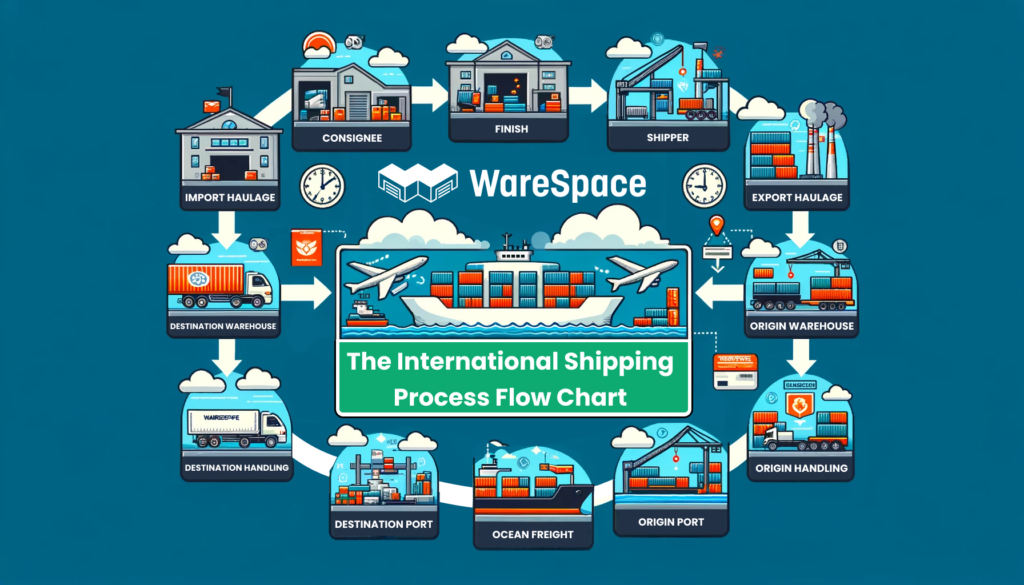
International shipping refers to the process of transporting goods across international borders. This complex operation involves various stakeholders, including manufacturers, freight forwarders, customs brokers, and shipping companies. The goal is to ensure that products reach their destination safely, on time, and in compliance with all regulations.
Key Components of International Shipping
- Freight Forwarding: Freight forwarders act as intermediaries between shippers and carriers, helping businesses navigate the complexities of international shipping. They manage logistics, documentation, and customs clearance.
- Customs Clearance: This process involves preparing and submitting the necessary documentation to facilitate the import and export of goods. Understanding customs regulations is essential to avoid delays and penalties.
- Shipping Methods: Businesses can choose from various shipping methods, including air freight, sea freight, and land transportation. Each method has its advantages and disadvantages, depending on factors such as cost, speed, and the nature of the goods being shipped.
- Insurance: Insuring shipments is crucial to protect against potential losses due to damage, theft, or delays. Businesses should evaluate their insurance options to ensure adequate coverage.
- Packaging and Labeling: Proper packaging and labeling are essential for ensuring that goods arrive safely and comply with international regulations. This includes using appropriate materials and providing accurate information on labels.
The Importance of Efficient Logistics
Efficient logistics play a vital role in the success of international shipping. Businesses that streamline their logistics processes can reduce costs, improve delivery times, and enhance customer satisfaction. Here are some key benefits of efficient logistics:
Cost Reduction
By optimizing logistics operations, businesses can minimize shipping costs. This includes negotiating better rates with carriers, consolidating shipments, and reducing waste in the supply chain.
Improved Delivery Times
Efficient logistics enable businesses to deliver products to customers more quickly. This is particularly important in the e-commerce sector, where consumers expect fast shipping and timely delivery.
Enhanced Customer Satisfaction
When businesses can provide reliable and timely shipping, customer satisfaction increases. Happy customers are more likely to return for future purchases and recommend the business to others.
Competitive Advantage
In a crowded marketplace, businesses that excel in logistics can differentiate themselves from competitors. Efficient shipping processes can be a key selling point for customers.
Challenges in International Shipping
While international shipping offers numerous opportunities, it also presents several challenges that businesses must navigate. Understanding these challenges is essential for developing effective strategies.
Regulatory Compliance
Each country has its own regulations governing imports and exports. Businesses must stay informed about these regulations to avoid delays and penalties. This includes understanding tariffs, duties, and documentation requirements.
Customs Delays
Customs clearance can be a significant bottleneck in the shipping process. Delays can occur due to incomplete documentation, inspections, or changes in regulations. Businesses should work closely with customs brokers to minimize these delays.
Language Barriers
Language differences can complicate communication with international partners, suppliers, and customers. Businesses should consider hiring bilingual staff or using translation services to facilitate communication.
Cultural Differences
Cultural differences can impact business relationships and negotiations. Understanding the cultural norms and practices of different countries can help businesses build stronger partnerships and avoid misunderstandings.
Shipping Costs
International shipping can be expensive, especially for small businesses. Fluctuating fuel prices, currency exchange rates, and tariffs can all impact shipping costs. Businesses should regularly review their shipping strategies to identify cost-saving opportunities.
Innovative Solutions for Global Shipping
To overcome the challenges of international shipping, businesses can adopt innovative solutions that enhance efficiency and reduce costs. Here are some strategies to consider:
Technology Integration
Leveraging technology can streamline logistics operations and improve visibility throughout the supply chain. Businesses can use software solutions for inventory management, order tracking, and data analytics to optimize their shipping processes.
Automation
Automating repetitive tasks, such as order processing and documentation, can save time and reduce errors. Businesses can implement automated systems to handle these tasks, allowing staff to focus on more strategic activities.
Partnering with Third-Party Logistics Providers
Third-party logistics (3PL) providers can help businesses manage their shipping operations more effectively. By outsourcing logistics to a 3PL, businesses can benefit from their expertise, resources, and established networks.
Sustainable Practices
Adopting sustainable shipping practices can reduce environmental impact and appeal to eco-conscious consumers. Businesses can explore options such as carbon offsetting, using eco-friendly packaging, and optimizing transportation routes to minimize emissions.
Continuous Improvement
Regularly reviewing and refining logistics processes is essential for maintaining efficiency. Businesses should gather feedback from customers and partners, analyze performance metrics, and implement changes as needed to improve their shipping operations.
Conclusion
Navigating the complexities of international shipping is essential for businesses looking to expand their reach in the global marketplace. By understanding the key components of shipping, addressing challenges, and adopting innovative solutions, businesses can enhance their logistics operations and achieve success. As the world continues to evolve, staying informed and adaptable will be crucial for thriving in the competitive landscape of international logistics.
As you explore the world of international shipping, discover a vast selection of products at competitive prices to enhance your business offerings. Start your journey today at https://looperbuy.com/.
Related Questions & Answers
· What are the key components of international shipping? The key components include freight forwarding, customs clearance, shipping methods, insurance, and packaging and labeling.
· How can businesses reduce shipping costs? Businesses can reduce shipping costs by negotiating better rates, consolidating shipments, and optimizing their supply chain.
· What challenges do businesses face in international shipping? Challenges include regulatory compliance, customs delays, language barriers, cultural differences, and fluctuating shipping costs.
· How can technology improve logistics operations? Technology can streamline logistics through inventory management, order tracking, and data analytics, enhancing overall efficiency.
· What are sustainable practices in shipping? Sustainable practices include carbon offsetting, using eco-friendly packaging, and optimizing transportation routes to minimize environmental impact.
Hot Tags: International Shipping; Logistics Management; E-commerce Solutions; Freight Forwarding; Customs Clearance; Shipping Costs; Technology Integration; Sustainable Practices; Third-Party Logistics