Table of Contents
Introduction to E-Commerce Evolution
The landscape of e-commerce has undergone significant transformations over the past decade. With the rise of technology and changing consumer behaviors, businesses are continually seeking innovative ways to reach their customers. One of the most intriguing developments in this space is the emergence of new business models that leverage automation and artificial intelligence. This article delves into these innovative approaches, focusing on how they are reshaping the e-commerce industry.
Understanding Innovative Business Models
The Shift Towards Automation
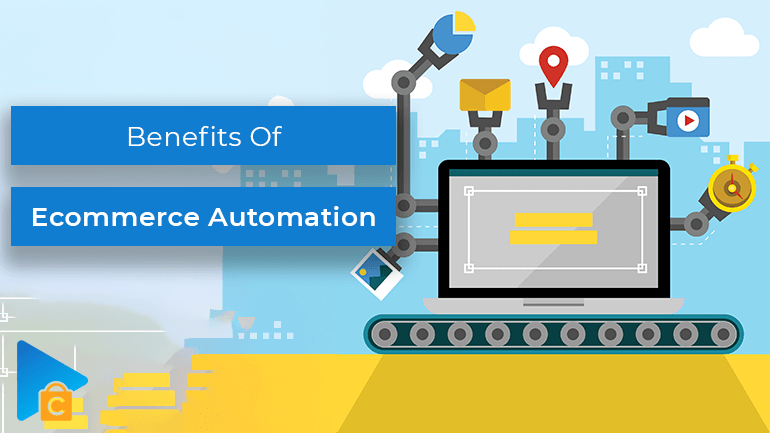
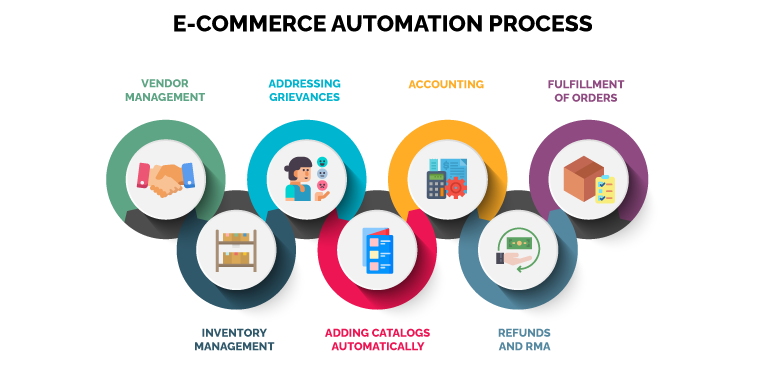
Automation has become a cornerstone of modern business practices. In e-commerce, this shift is evident in various aspects, from inventory management to customer service. Businesses are increasingly adopting automated systems to streamline operations, reduce costs, and enhance customer experiences.
Benefits of Automation
- Efficiency: Automated systems can process orders and manage inventory much faster than manual methods.
- Cost Reduction: By minimizing human intervention, businesses can significantly cut labor costs.
- Improved Accuracy: Automation reduces the likelihood of human error, ensuring that orders are fulfilled correctly.
The Role of Artificial Intelligence
Artificial intelligence (AI) is revolutionizing how businesses interact with customers. AI-driven tools can analyze consumer data to provide personalized shopping experiences, recommend products, and even predict future buying behaviors.
Applications of AI in E-Commerce
- Personalization: AI algorithms can analyze customer preferences and browsing history to tailor product recommendations.
- Chatbots: AI-powered chatbots provide instant customer support, answering queries and assisting with purchases 24/7.
- Inventory Management: AI can forecast demand, helping businesses maintain optimal stock levels and reduce waste.
Exploring Dropshipping as a Business Model
What is Dropshipping?
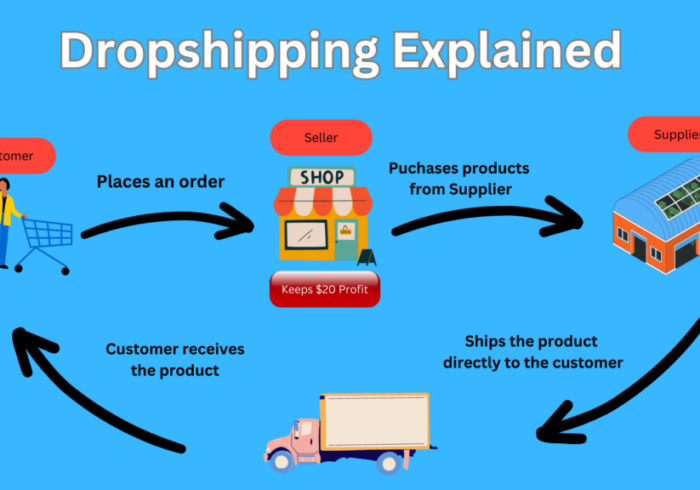
Dropshipping is a retail fulfillment method where a store does not keep the products it sells in stock. Instead, when a store sells a product, it purchases the item from a third party and has it shipped directly to the customer. This model has gained popularity due to its low overhead costs and minimal risk.
Advantages of Dropshipping
- Low Startup Costs: Entrepreneurs can start a dropshipping business without investing heavily in inventory.
- Flexibility: Dropshipping allows for a wide range of products to be offered without the need for physical storage.
- Scalability: As sales increase, businesses can easily scale operations without the constraints of inventory management.
Challenges of Dropshipping
While dropshipping offers numerous benefits, it also comes with its own set of challenges.
Common Issues Faced by Dropshippers
- Supplier Reliability: The success of a dropshipping business heavily relies on the reliability of suppliers. Delays or quality issues can lead to dissatisfied customers.
- Thin Margins: Competition in the dropshipping space can lead to lower profit margins, making it essential for businesses to find unique products or niches.
- Limited Control: Since dropshippers do not handle the products directly, they have limited control over shipping times and product quality.
The Intersection of AI and Dropshipping
Enhancing Dropshipping with AI
Integrating AI into dropshipping can significantly enhance the efficiency and effectiveness of the business model. AI tools can assist in various areas, from product selection to customer engagement.
AI Tools for Dropshippers
- Product Research Tools: AI can analyze market trends and consumer preferences to identify profitable products for dropshipping.
- Dynamic Pricing: AI algorithms can adjust prices in real-time based on demand, competition, and inventory levels.
- Customer Insights: AI can provide valuable insights into customer behavior, helping dropshippers tailor their marketing strategies.
Case Studies of Successful AI-Driven Dropshipping Businesses
Several businesses have successfully integrated AI into their dropshipping models, leading to increased sales and customer satisfaction.
Example 1: A Fashion Dropshipping Store
A fashion retailer utilized AI to analyze customer data and predict trends. By offering personalized recommendations and targeted marketing campaigns, the store saw a significant increase in conversion rates.
Example 2: An Electronics Dropshipping Business
An electronics dropshipper implemented AI-driven chatbots to handle customer inquiries. This not only improved response times but also enhanced customer satisfaction, leading to repeat purchases.
The Future of E-Commerce: Trends to Watch
The Rise of Social Commerce
Social media platforms are increasingly becoming shopping destinations. With features that allow users to purchase products directly through social media, businesses are leveraging these platforms to reach a broader audience. This trend is particularly popular among younger consumers who prefer shopping through their favorite social media channels.
Benefits of Social Commerce
- Increased Engagement: Social media allows brands to engage with customers in real-time, fostering a sense of community.
- Targeted Advertising: Businesses can use social media analytics to target specific demographics, ensuring that their marketing efforts reach the right audience.
- Seamless Shopping Experience: Social commerce provides a streamlined shopping experience, allowing customers to discover and purchase products without leaving the platform.
Sustainability in E-Commerce
As consumers become more environmentally conscious, sustainability is becoming a crucial factor in purchasing decisions. E-commerce businesses are responding by adopting sustainable practices, such as eco-friendly packaging and carbon-neutral shipping options.
Implementing Sustainable Practices
- Eco-Friendly Packaging: Businesses are exploring biodegradable and recyclable packaging materials to reduce their environmental impact.
- Carbon Offsetting: Some companies are investing in carbon offset programs to balance out their emissions from shipping and logistics.
- Sustainable Sourcing: E-commerce businesses are increasingly sourcing products from suppliers that prioritize sustainability in their manufacturing processes.
The Importance of Data Security
With the rise of e-commerce, data security has become a top priority for businesses and consumers alike. Protecting customer information is essential for maintaining trust and compliance with regulations.
Strategies for Enhancing Data Security
- Encryption: Implementing encryption protocols can protect sensitive customer data during transactions.
- Regular Audits: Conducting regular security audits can help identify vulnerabilities and ensure compliance with data protection regulations.
- Customer Education: Educating customers about safe online shopping practices can empower them to protect their information.
Conclusion
The future of e-commerce is bright, with innovative business models like dropshipping and the integration of AI paving the way for new opportunities. As technology continues to evolve, businesses that embrace these changes will be well-positioned to thrive in the competitive landscape. By understanding the benefits and challenges of these models, entrepreneurs can make informed decisions that drive success.
As you explore the innovative world of e-commerce and discover the potential of dropshipping and AI, don’t miss out on the opportunity to elevate your shopping experience with exclusive deals and unique products at LooperBuy. Check it out here: https://looperbuy.com/.
Related Questions & Answers
· What is dropshipping? Dropshipping is a retail fulfillment method where a store does not keep the products it sells in stock. Instead, it purchases the item from a third party and has it shipped directly to the customer.
· What are the advantages of dropshipping? The advantages of dropshipping include low startup costs, flexibility in product offerings, and scalability without the need for inventory management.
· What challenges do dropshippers face? Common challenges include supplier reliability, thin profit margins, and limited control over shipping and product quality.
· How can AI enhance dropshipping? AI can enhance dropshipping by providing tools for product research, dynamic pricing, and customer insights, leading to improved efficiency and sales.
· What are some successful examples of AI-driven dropshipping businesses? Successful examples include a fashion retailer that used AI for trend analysis and an electronics dropshipper that implemented AI chatbots for customer service.
Hot Tags: E-Commerce; Dropshipping; Artificial Intelligence; Automation; Business Models; Online Retail; Customer Experience; Market Trends; Supply Chain Management