In the dynamic world of e-commerce, businesses are continually adapting to meet the demands of consumers. One of the most critical aspects of this adaptation is the fulfillment process, which plays a pivotal role in customer satisfaction and overall business success. This article explores various fulfillment strategies, with a particular focus on drop shipping, and provides insights into how businesses can optimize their operations for better results.
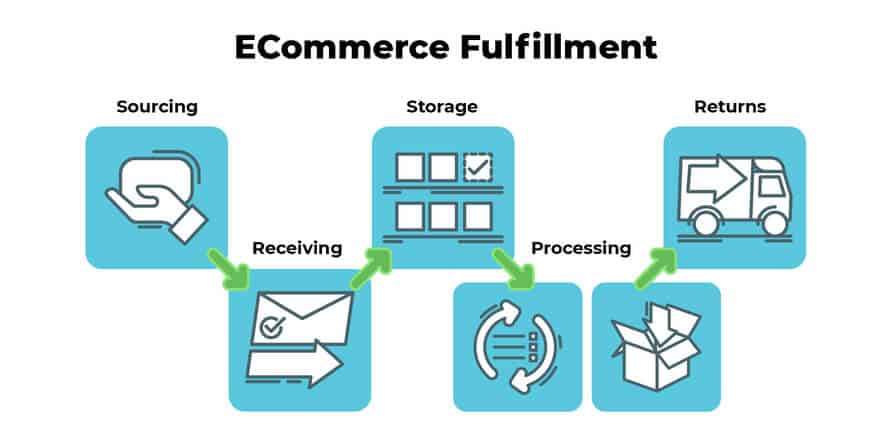
Table of Contents
The Importance of Fulfillment in E-commerce
Fulfillment encompasses all the steps involved in processing an order, from receiving it to delivering the product to the customer. In an era where consumers expect fast and reliable service, effective fulfillment strategies are essential for maintaining a competitive edge.
What is Drop Shipping?
Drop shipping is a fulfillment method that allows retailers to sell products without holding any inventory. When a customer places an order, the retailer purchases the item from a third-party supplier, who then ships it directly to the customer. This model has gained popularity due to its low overhead costs and minimal risk.
Benefits of Effective Fulfillment Strategies
- Cost Reduction: By utilizing drop shipping, businesses can significantly reduce their operational costs. They avoid expenses related to warehousing, inventory management, and unsold stock.
- Flexibility and Scalability: Drop shipping allows businesses to scale their operations quickly. Retailers can easily add new products to their online store without the constraints of physical inventory.
- Enhanced Customer Experience: Efficient fulfillment processes lead to faster shipping times and improved order accuracy, which are crucial for customer satisfaction. Happy customers are more likely to return and recommend the business to others.
- Focus on Core Business Activities: With fulfillment outsourced to suppliers, businesses can concentrate on marketing, customer service, and product development, leading to overall growth.
Challenges in E-commerce Fulfillment
Despite its advantages, e-commerce fulfillment, particularly drop shipping, comes with its own set of challenges that businesses must navigate.
Inventory Management Difficulties
One of the significant challenges of drop shipping is managing inventory levels. Retailers must rely on suppliers to maintain accurate stock levels. If a supplier runs out of stock, it can lead to delays in order fulfillment and customer dissatisfaction. To mitigate this risk, businesses can implement inventory management software that provides real-time updates on stock levels, allowing retailers to adjust their offerings accordingly.
Quality Assurance Issues
Since retailers do not handle the products directly, ensuring quality can be a challenge. If a customer receives a defective item, it reflects poorly on the retailer, even if the issue lies with the supplier. Establishing strong relationships with reliable suppliers is essential to mitigate this risk. Retailers should conduct regular quality checks and request samples from suppliers to ensure that the products meet their standards.
Shipping Complications
Shipping times can vary significantly between suppliers, leading to inconsistent delivery experiences for customers. Retailers must communicate clearly about shipping times and manage customer expectations to avoid dissatisfaction. Offering multiple shipping options can also enhance the customer experience, allowing them to choose between standard and expedited shipping based on their needs.
Customer Service Challenges
With drop shipping, retailers may have limited control over the fulfillment process. This can complicate customer service efforts, especially when addressing issues related to shipping, returns, or product quality. Retailers must be proactive in providing support and resolving customer concerns. Implementing a robust customer service platform can help streamline communication and ensure that customer inquiries are addressed promptly.
Best Practices for Optimizing Fulfillment
To overcome the challenges associated with e-commerce fulfillment, businesses can adopt several best practices.
Select Reliable Suppliers
Choosing trustworthy suppliers is crucial for successful drop shipping. Retailers should conduct thorough research, read reviews, and establish clear communication channels with suppliers to ensure a smooth fulfillment process. Building long-term relationships with suppliers can lead to better pricing, priority service, and improved product quality.
Implement Inventory Management Tools
Utilizing inventory management software can help retailers track stock levels and automate order processing. This technology can provide real-time updates on product availability, reducing the risk of overselling. Additionally, integrating inventory management with e-commerce platforms can streamline operations and enhance efficiency.
Improve Customer Communication
Clear communication with customers is essential for managing expectations. Retailers should provide accurate shipping estimates, order tracking information, and prompt responses to inquiries. Transparency fosters trust and enhances the overall customer experience. Utilizing automated email notifications can keep customers informed about their order status, further improving satisfaction.
Focus on Branding and Marketing
While fulfillment is crucial, businesses should not overlook the importance of branding and marketing. Developing a strong brand identity and implementing effective marketing strategies can drive traffic to the online store and increase sales. Utilizing social media, content marketing, and search engine optimization (SEO) can help businesses reach a wider audience and attract potential customers.
Monitor Performance Metrics
Regularly analyzing fulfillment performance metrics can help retailers identify areas for improvement. Key performance indicators (KPIs) such as order accuracy, shipping times, and customer satisfaction can provide valuable insights into the effectiveness of fulfillment strategies. By tracking these metrics, businesses can make data-driven decisions to enhance their operations.
Enhance the Return Process
An efficient return process is vital for maintaining customer satisfaction. Retailers should establish a clear and straightforward return policy that is easily accessible to customers. Providing prepaid return labels and offering hassle-free exchanges can encourage customers to shop with confidence. Additionally, analyzing return data can help businesses identify trends and address any underlying issues with product quality or customer expectations.
Stay Updated on Industry Trends
The e-commerce landscape is constantly evolving, and staying informed about the latest trends in fulfillment technology and consumer behavior is essential. Businesses should regularly attend industry conferences, participate in webinars, and subscribe to relevant publications to keep abreast of new developments. Adopting innovative technologies, such as artificial intelligence and automation, can further enhance fulfillment efficiency and customer experience.
Understanding Profit Margins in Drop Shipping
One of the critical considerations for e-commerce businesses using drop shipping is the impact on profit margins. Since retailers do not purchase inventory upfront, they often face higher per-unit costs from suppliers. This can lead to thinner profit margins compared to traditional retail models. To counteract this, businesses can negotiate better pricing with suppliers, focus on high-demand products with better margins, and implement effective marketing strategies to drive sales volume.
Comparing Drop Shipping and Third-Party Logistics (3PL)
Another important aspect of fulfillment is understanding the differences between drop shipping and using a third-party logistics (3PL) provider. While both methods involve outsourcing fulfillment, they operate differently. Drop shipping allows retailers to sell products without holding inventory, while 3PL providers manage inventory, warehousing, and shipping on behalf of the retailer. Businesses must evaluate their specific needs, budget, and growth plans to determine which model is best suited for their operations.
Managing Customer Expectations
Effectively managing customer expectations regarding shipping times is crucial for maintaining satisfaction. Retailers should provide clear information about estimated delivery times during the checkout process and send updates as orders are processed and shipped. Offering multiple shipping options, including express delivery, can also help meet diverse customer needs. Additionally, retailers should be transparent about potential delays, especially during peak seasons or unforeseen circumstances.
Conclusion
E-commerce fulfillment, particularly through drop shipping, presents a unique opportunity for businesses to streamline operations and enhance customer satisfaction. By understanding the benefits and challenges of this model, retailers can implement effective strategies to succeed in the competitive e-commerce landscape. With careful planning, reliable suppliers, and a focus on customer communication, businesses can thrive in the world of online retail.
As you explore the world of e-commerce fulfillment and consider the benefits of drop shipping, remember that platforms like LooperBuy can help you streamline your operations and enhance your product offerings. Discover more at https://looperbuy.com/.
Related Questions & Answers
· How does drop shipping impact profit margins for e-commerce businesses? Drop shipping can lead to thinner profit margins due to higher per-unit costs from suppliers. Businesses can negotiate better pricing and focus on high-demand products to improve margins.
· What are the key differences between using a 3PL and drop shipping for fulfillment? Drop shipping allows retailers to sell without holding inventory, while 3PL providers manage inventory, warehousing, and shipping. Businesses should evaluate their needs to choose the best model.
· How can e-commerce businesses effectively manage customer expectations regarding shipping times with drop shipping? Retailers should provide clear shipping estimates, offer multiple shipping options, and communicate transparently about potential delays to manage customer expectations effectively.
· How can e-commerce businesses effectively manage customer expectations regarding shipping times with drop shipping? Retailers can manage customer expectations by providing clear shipping estimates during checkout, offering multiple shipping options, and sending timely updates about order status. Transparency about potential delays is also crucial.
· What are the key differences between using a 3PL and drop shipping for fulfillment? The main difference is that drop shipping allows retailers to sell products without holding inventory, while a 3PL provider manages inventory, warehousing, and shipping. Businesses should assess their operational needs to determine which model suits them best.
Hot Tags: E-commerce Strategies; Drop Shipping Model; Fulfillment Optimization; Online Business Growth; Inventory Solutions; Customer Experience; Supply Chain Management; Shipping Efficiency; Retail Success