
In the fast-paced world we live in, it can be easy to forget the messages we hear during sermons. A sermon notebook serves as a powerful tool for capturing insights, reflections, and lessons learned during these spiritual gatherings. This article explores the purpose of using a sermon notebook, the benefits it offers, tips for effective note-taking, and how to organize your notes for maximum impact.
Table of Contents
The Purpose of a Sermon Notebook
A sermon notebook is more than just a collection of notes; it is a personal record of your spiritual journey. The primary purpose of keeping a sermon notebook is to enhance your understanding and retention of the messages delivered during church services. By writing down key points, personal reflections, and action steps, you create a tangible resource that you can refer back to in the future.
Additionally, a sermon notebook encourages active listening. When you take notes, you engage more deeply with the sermon, making it easier to absorb and reflect on the teachings. This practice transforms passive listening into an interactive experience, allowing you to connect more profoundly with the message.
Benefits of Keeping a Sermon Notebook
Improved Retention of Information
One of the most significant benefits of maintaining a sermon notebook is improved retention of information. Studies have shown that writing things down helps reinforce memory. When you jot down notes during a sermon, you are more likely to remember the key points long after the service has ended. This is particularly important in a spiritual context, where the teachings can have a lasting impact on your life.
Personal Reflection and Growth
A sermon notebook provides a space for personal reflection. After each sermon, you can take time to reflect on how the message applies to your life. This reflection can lead to personal growth and a deeper understanding of your faith. By noting down your thoughts and feelings, you create a record of your spiritual journey, which can be incredibly valuable over time.
Enhanced Engagement with the Sermon
Taking notes during a sermon keeps you engaged and focused. It can be easy to let your mind wander during a lengthy sermon, but having a notebook in front of you encourages active participation. You are more likely to stay attentive and absorb the message when you are physically writing it down.
A Resource for Future Reference
Your sermon notebook becomes a valuable resource for future reference. When you face challenges or seek guidance, you can revisit your notes to find relevant teachings and insights. This can be particularly helpful during difficult times when you need encouragement or direction.
Building a Community of Faith
Sharing insights from your sermon notebook with others can foster community and discussion within your church. Whether in small groups or casual conversations, your notes can serve as a springboard for deeper discussions about faith and spirituality. This sharing can strengthen your connections with fellow believers and enhance your understanding of the teachings.
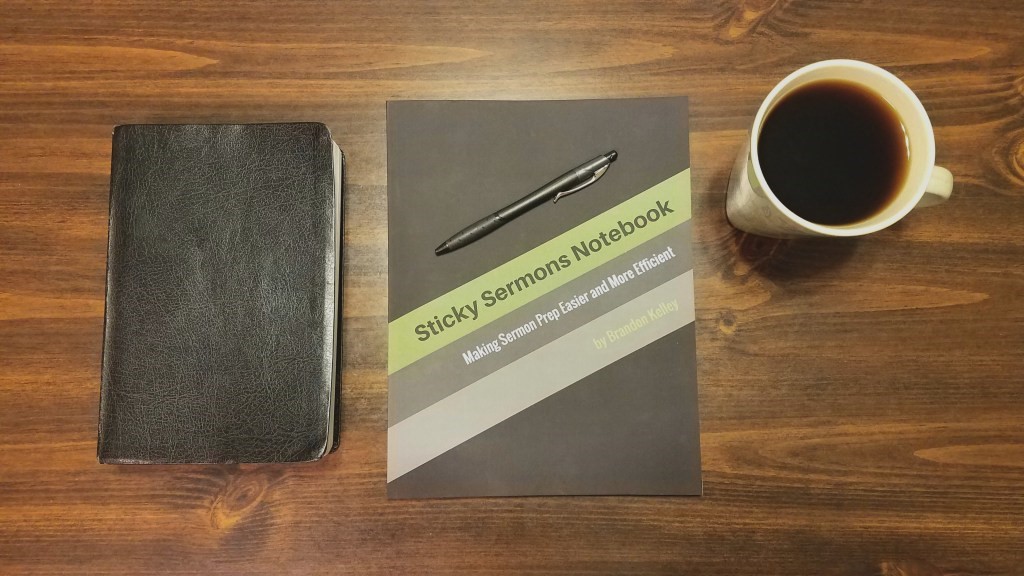
Tips for Effective Sermon Note-Taking
Prepare Your Tools
Before attending a sermon, ensure you have the right tools. Choose a notebook that you enjoy using, whether it’s a simple spiral-bound notebook or a beautifully designed journal. Having a pen that writes smoothly can also make the note-taking process more enjoyable.
Create a Structured Format
Develop a consistent format for your notes. This could include sections for the sermon title, key points, personal reflections, and action steps. A structured format makes it easier to review your notes later and find specific information when needed.
Focus on Key Points
During the sermon, focus on capturing key points rather than trying to write everything down verbatim. Listen for main ideas, scripture references, and any personal insights that resonate with you. This approach allows you to distill the message into its most impactful elements.
Use Symbols and Abbreviations
To speed up your note-taking, consider using symbols and abbreviations. For example, you might use an asterisk (*) to highlight important points or a question mark (?) to indicate something you want to explore further. This shorthand can help you keep up with the pace of the sermon while still capturing essential information.
Review and Reflect After the Sermon
After the sermon, take a few moments to review your notes. Add any additional thoughts or insights that come to mind. This reflection time is crucial for solidifying the message in your mind and considering how it applies to your life.
How to Organize Your Sermon Notebook
Chronological Organization
One effective way to organize your sermon notebook is chronologically. This method allows you to see your spiritual growth over time as you look back at past sermons. You can easily track themes and topics that have been addressed in your church community.
Thematic Organization
Alternatively, you might choose to organize your notes thematically. This approach involves grouping notes by topics such as faith, love, forgiveness, or service. This organization can be particularly helpful if you want to revisit specific themes or teachings.
Use Tabs or Dividers
If your notebook allows for it, consider using tabs or dividers to separate different sections. This can make it easier to navigate your notes and find specific information quickly. For example, you could have separate sections for different sermon series or topics of interest.
Digital Options
If you prefer a digital approach, consider using note-taking apps that allow you to organize your notes effectively. Many apps offer features like tagging, searching, and cloud storage, making it easy to access your notes from anywhere.
Regularly Review and Update
Make it a habit to regularly review and update your sermon notebook. This could be a monthly or quarterly practice where you reflect on what you’ve learned and how you’ve applied it to your life. This ongoing engagement with your notes will help reinforce the teachings and keep your spiritual journey active.
Conclusion
Keeping a sermon notebook is a valuable practice that can enhance your spiritual journey. By capturing insights, reflections, and lessons learned, you create a personal resource that supports your growth and understanding of faith. The benefits of improved retention, personal reflection, and enhanced engagement make this practice worthwhile for anyone seeking to deepen their spiritual life.
How to purchase:https://looperbuy.com/search?keywords=Sermon+Notebook
Related Questions and Answers
1. What should I include in my sermon notebook?
Include the sermon title, key points, personal reflections, scripture references, and any action steps you want to take.
2. How can I stay focused during a sermon?
Taking notes can help you stay engaged and focused. Additionally, preparing mentally before the sermon can enhance your concentration.
3. Is it better to use a physical notebook or a digital app for sermon notes?
It depends on personal preference. Some people prefer the tactile experience of writing in a physical notebook, while others appreciate the organization and accessibility of digital apps.
4. How often should I review my sermon notes?
Regularly reviewing your notes, such as monthly or quarterly, can help reinforce the teachings and keep your spiritual journey active.
5. Can I share my sermon notes with others?
Absolutely! Sharing your notes can foster community and discussion within your church, enhancing your understanding of the teachings.