Table of Contents
Introduction to Clothes Drop Shipping
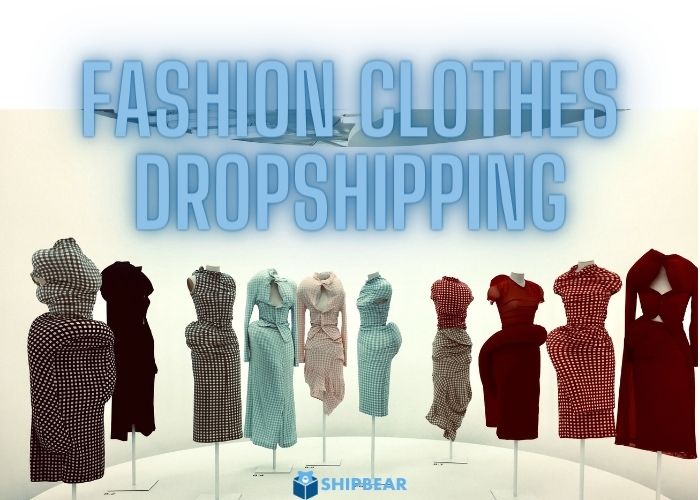
In recent years, the e-commerce landscape has transformed dramatically, with drop shipping emerging as a popular business model. Among the various niches within drop shipping, clothes drop shipping has gained significant traction. This model allows entrepreneurs to sell clothing items without holding any inventory, making it an attractive option for those looking to enter the fashion industry. In this comprehensive guide, we will explore the ins and outs of clothes drop shipping, including how to start, the benefits, challenges, and strategies for success.
Understanding the Drop Shipping Model
What is Drop Shipping?
Drop shipping is a retail fulfillment method where a store does not keep the products it sells in stock. Instead, when a store sells a product, it purchases the item from a third party and has it shipped directly to the customer. This means that the seller never sees or handles the product. This model is particularly appealing for new entrepreneurs as it requires minimal upfront investment.
How Clothes Drop Shipping Works
In the context of clothes drop shipping, the process involves several key steps:
- Choosing a Niche: Selecting a specific segment of the clothing market, such as activewear, formal wear, or sustainable fashion.
- Finding Suppliers: Partnering with reliable suppliers who offer a wide range of clothing items and can handle shipping directly to customers.
- Setting Up an Online Store: Creating an e-commerce website or using platforms like Shopify or WooCommerce to showcase products.
- Marketing Your Store: Utilizing digital marketing strategies to attract customers to your online store.
- Processing Orders: When a customer places an order, the seller forwards the order details to the supplier, who then ships the product directly to the customer.
Benefits of Clothes Drop Shipping
Low Startup Costs
One of the most significant advantages of clothes drop shipping is the low startup costs. Entrepreneurs do not need to invest in inventory upfront, which reduces financial risk. This model allows individuals to start their businesses with minimal capital, making it accessible to a broader audience.
Flexibility and Scalability
Clothes drop shipping offers flexibility in terms of location and working hours. Entrepreneurs can manage their businesses from anywhere with an internet connection. Additionally, as the business grows, it can easily scale by adding new products or expanding into new markets without the need for significant investment in inventory.
Wide Product Range
With clothes drop shipping, entrepreneurs can offer a vast array of products without the constraints of physical inventory. This allows for experimentation with different styles, trends, and niches, enabling sellers to cater to diverse customer preferences.
Challenges of Clothes Drop Shipping
Quality Control Issues
One of the primary challenges of clothes drop shipping is maintaining quality control. Since sellers do not handle the products directly, they must rely on suppliers to deliver high-quality items. Poor quality can lead to customer dissatisfaction and damage the seller’s reputation.
Shipping Times
Shipping times can vary significantly depending on the supplier’s location and shipping methods. Long shipping times can frustrate customers and lead to negative reviews. It is crucial for sellers to communicate estimated delivery times clearly and manage customer expectations.
Competition
The clothes drop shipping market is highly competitive, with many sellers vying for the same customer base. To stand out, entrepreneurs must develop unique selling propositions and effective marketing strategies.
How to Start a Clothes Drop Shipping Business
Step 1: Research Your Niche
Before diving into clothes drop shipping, it is essential to conduct thorough market research. Identify trends, target demographics, and potential competitors. This information will help you choose a niche that aligns with your interests and has a viable market.
Step 2: Find Reliable Suppliers
Finding trustworthy suppliers is critical to the success of your clothes drop shipping business. Look for suppliers with a good reputation, quality products, and reliable shipping options. Platforms like AliExpress, Oberlo, and Spocket can help you connect with potential suppliers.
Step 3: Set Up Your Online Store
Creating an online store is the next step in your drop shipping journey. Choose an e-commerce platform that suits your needs, such as Shopify or WooCommerce. Customize your store’s design, add product listings, and ensure that the checkout process is user-friendly.
Step 4: Develop a Marketing Strategy
To attract customers to your online store, you need a solid marketing strategy. Utilize social media marketing, search engine optimization (SEO), and email marketing to reach your target audience. Collaborating with influencers in the fashion industry can also help increase brand visibility.
Step 5: Monitor and Optimize
Once your store is up and running, continuously monitor its performance. Analyze sales data, customer feedback, and website traffic to identify areas for improvement. Optimize your marketing strategies and product offerings based on this data to enhance your business’s success.
Marketing Strategies for Clothes Drop Shipping
Social Media Marketing
Social media platforms like Instagram, Facebook, and Pinterest are powerful tools for promoting your clothes drop shipping business. Create engaging content that showcases your products, shares fashion tips, and connects with your audience. Utilize paid advertising options to reach a broader audience and drive traffic to your store.
Influencer Collaborations
Partnering with influencers in the fashion niche can significantly boost your brand’s visibility. Influencers can showcase your products to their followers, providing social proof and driving sales. Choose influencers whose style aligns with your brand and who have an engaged audience.
Email Marketing
Building an email list is crucial for long-term success in clothes drop shipping. Use email marketing to keep customers informed about new arrivals, promotions, and exclusive offers. Personalized emails can help foster customer loyalty and encourage repeat purchases.
Conclusion
Clothes drop shipping presents a unique opportunity for aspiring entrepreneurs to enter the fashion industry with minimal risk. By understanding the drop shipping model, leveraging effective marketing strategies, and continuously optimizing your business, you can build a successful online clothing store. While challenges exist, the potential rewards make this business model an attractive option for those willing to put in the effort.
Ready to elevate your fashion game and explore a wide range of trendy clothing options? Discover the perfect pieces for your wardrobe at https://looperbuy.com/.
Related Questions & Answers
· What is the best platform for clothes drop shipping? Shopify and WooCommerce are popular platforms for setting up clothes drop shipping stores due to their user-friendly interfaces and extensive features.
· How do I find reliable suppliers for clothes drop shipping? You can find reliable suppliers through platforms like AliExpress, Oberlo, and Spocket, which connect you with vetted suppliers.
· What are the common challenges in clothes drop shipping? Common challenges include quality control issues, long shipping times, and high competition in the market.
· How can I market my clothes drop shipping business effectively? Utilize social media marketing, influencer collaborations, and email marketing to reach your target audience and drive traffic to your store.
· Is clothes drop shipping a profitable business model? Yes, clothes drop shipping can be profitable if you choose the right niche, find reliable suppliers, and implement effective marketing strategies.
Hot Tags: Clothes Drop Shipping; E-commerce Business; Fashion Industry; Online Store; Digital Marketing; Supplier Management; Market Research; Social Media Marketing; Influencer Collaborations