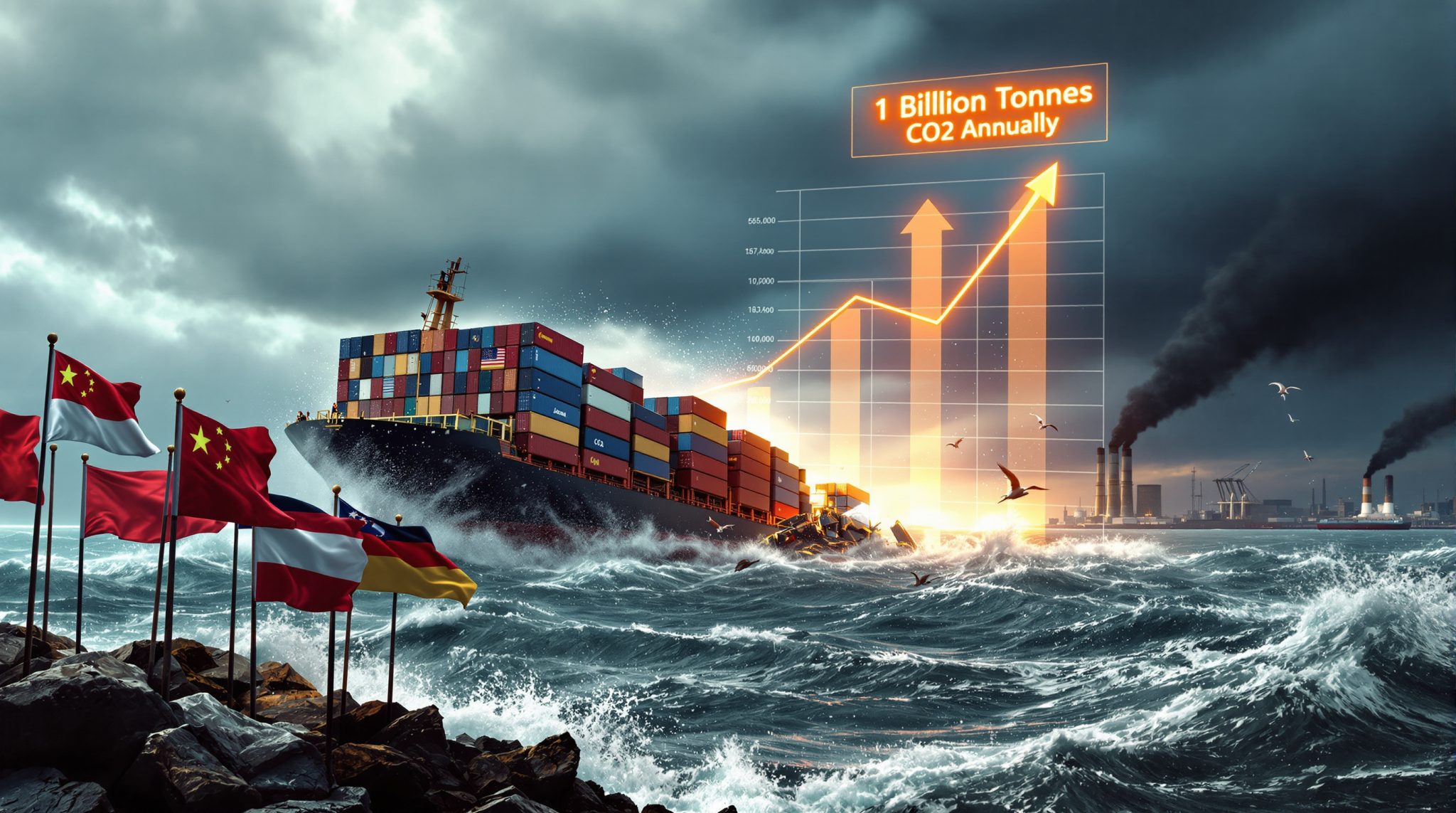
In today’s interconnected world, global shipping has become a vital component of international trade. As businesses expand their reach across borders, the demand for efficient and reliable shipping solutions has surged. This article delves into the intricacies of global shipping, highlighting the expertise required to navigate this complex landscape and the role of shipping experts in ensuring smooth operations.
Table of Contents
Understanding Global Shipping
Global shipping refers to the transportation of goods across international borders. This process involves various modes of transport, including sea, air, and land, and requires a deep understanding of logistics, customs regulations, and supply chain management. The global shipping industry is a multi-billion dollar sector that plays a crucial role in facilitating trade and commerce worldwide.
The Importance of Shipping Experts
Shipping experts are professionals who specialize in the logistics and transportation of goods. Their expertise is essential for businesses looking to optimize their shipping processes, reduce costs, and ensure compliance with international regulations. These experts possess a wealth of knowledge about shipping routes, customs procedures, and the latest technologies that can enhance efficiency.

Key Components of Global Shipping
To fully appreciate the role of shipping experts, it is essential to understand the key components of global shipping.
1. Logistics Management
Logistics management involves planning, implementing, and controlling the flow of goods from the point of origin to the point of consumption. This process includes inventory management, warehousing, transportation, and order fulfillment. Effective logistics management ensures that products are delivered on time and in good condition.
Inventory Management
Inventory management is a critical aspect of logistics that involves tracking and managing stock levels to meet customer demand without overstocking. Shipping experts utilize advanced inventory management systems to forecast demand accurately, ensuring that businesses maintain optimal stock levels.
Transportation Management
Transportation management focuses on the movement of goods from one location to another. Shipping experts analyze various transportation modes to determine the most cost-effective and efficient options. They also negotiate contracts with carriers to secure favorable rates and ensure timely deliveries.
2. Customs Compliance
Navigating customs regulations is one of the most challenging aspects of global shipping. Each country has its own set of rules and regulations governing the import and export of goods. Shipping experts are well-versed in these regulations and can help businesses avoid costly delays and penalties.
Tariffs and Duties
Understanding tariffs and duties is essential for businesses engaged in international trade. Shipping experts help companies calculate the costs associated with importing and exporting goods, ensuring compliance with local laws and regulations.
Documentation
Proper documentation is crucial for smooth customs clearance. Shipping experts assist businesses in preparing the necessary paperwork, including bills of lading, commercial invoices, and certificates of origin, to facilitate the customs process.
3. Freight Forwarding
Freight forwarding is the process of arranging the transportation of goods on behalf of shippers. Freight forwarders act as intermediaries between shippers and carriers, ensuring that shipments are handled efficiently. They also provide valuable services such as documentation, insurance, and tracking.
Role of Freight Forwarders
Freight forwarders play a vital role in the shipping process by coordinating all aspects of transportation. They manage the logistics of moving goods, including selecting carriers, negotiating rates, and ensuring compliance with regulations. Their expertise allows businesses to focus on their core operations while leaving the complexities of shipping to the professionals.
4. Supply Chain Optimization
Optimizing the supply chain is crucial for reducing costs and improving efficiency. Shipping experts analyze the entire supply chain to identify bottlenecks and areas for improvement. They implement strategies to streamline operations, reduce lead times, and enhance overall performance.
Lean Supply Chain Practices
Adopting lean supply chain practices can significantly improve efficiency. Shipping experts work with businesses to eliminate waste, reduce excess inventory, and optimize processes. This approach not only lowers costs but also enhances customer satisfaction by ensuring timely deliveries.
Collaboration and Communication
Effective communication and collaboration among supply chain partners are essential for success. Shipping experts facilitate communication between suppliers, manufacturers, and distributors, ensuring that everyone is aligned and working towards common goals.
The Role of Technology in Global Shipping
Technology has revolutionized the global shipping industry, making it more efficient and transparent. Shipping experts leverage various technological tools to enhance their operations.
1. Tracking and Visibility
Real-time tracking systems allow businesses to monitor their shipments at every stage of the journey. This visibility helps companies manage their inventory more effectively and respond quickly to any issues that may arise. Advanced tracking technologies, such as GPS and RFID, provide accurate location data, enabling businesses to optimize their logistics operations.
2. Automation
Automation tools streamline various aspects of the shipping process, from order processing to documentation. By reducing manual tasks, shipping experts can focus on more strategic activities that add value to the business. Automated systems can also minimize errors, improve accuracy, and enhance overall efficiency.
3. Data Analytics
Data analytics plays a crucial role in decision-making within the shipping industry. Shipping experts use data to analyze trends, forecast demand, and optimize routes. This data-driven approach enables businesses to make informed decisions that enhance their shipping operations.
Predictive Analytics
Predictive analytics allows shipping experts to anticipate future trends based on historical data. By analyzing past shipping patterns, they can forecast demand fluctuations and adjust their strategies accordingly. This proactive approach helps businesses stay ahead of the competition and meet customer expectations.
Challenges in Global Shipping
Despite the advancements in technology and logistics, the global shipping industry faces several challenges.
1. Regulatory Changes
Changes in regulations can significantly impact shipping operations. Shipping experts must stay informed about the latest developments in customs laws, trade agreements, and environmental regulations to ensure compliance. Failure to comply with these regulations can result in costly fines and delays.
2. Supply Chain Disruptions
Natural disasters, political instability, and pandemics can disrupt supply chains and affect shipping schedules. Shipping experts must develop contingency plans to mitigate the impact of such disruptions. This may involve identifying alternative suppliers, adjusting shipping routes, or increasing inventory levels to buffer against potential delays.
3. Rising Costs
The cost of shipping has been on the rise due to various factors, including fuel prices, labor costs, and increased demand for shipping services. Shipping experts work to identify cost-saving opportunities and negotiate favorable rates with carriers. They also explore alternative shipping methods, such as intermodal transport, to reduce costs while maintaining service quality.
The Future of Global Shipping
As the global economy continues to evolve, the shipping industry must adapt to new trends and challenges. Shipping experts will play a crucial role in shaping the future of global shipping.
1. Sustainability
Sustainability is becoming increasingly important in the shipping industry. Shipping experts are exploring eco-friendly practices, such as using alternative fuels and optimizing routes to reduce carbon emissions. Companies are also investing in greener technologies, such as electric and hybrid vessels, to minimize their environmental impact.
2. E-commerce Growth
The rise of e-commerce has transformed the shipping landscape. Shipping experts are adapting to the demands of online retailers by offering flexible and efficient shipping solutions that meet customer expectations. This includes same-day delivery options, real-time tracking, and streamlined returns processes.
3. Digital Transformation
The digital transformation of the shipping industry is underway, with more companies adopting advanced technologies to enhance their operations. Shipping experts will need to embrace these changes to remain competitive in the market. This includes leveraging artificial intelligence, machine learning, and blockchain technology to improve efficiency and transparency.
4. Comparison of Transport Modes
Different modes of transport—sea, air, and land—each have their advantages and disadvantages in global shipping. Understanding these differences is crucial for businesses when selecting the most appropriate shipping method.
Sea Freight
Sea freight is the most common method for transporting large volumes of goods internationally. It is cost-effective for bulk shipments but can be slower than other methods. Shipping experts often recommend sea freight for non-urgent deliveries, especially for heavy or oversized cargo.
Air Freight
Air freight is the fastest mode of transport, making it ideal for time-sensitive shipments. However, it is also the most expensive option. Shipping experts advise businesses to use air freight for high-value items or perishable goods that require quick delivery.
Land Transport
Land transport, including trucking and rail, is essential for moving goods within countries and between neighboring countries. It offers flexibility and can be combined with other transport modes for efficient logistics solutions. Shipping experts often utilize land transport for last-mile delivery, ensuring that goods reach their final destination promptly.
Key Considerations for Selecting a Freight Forwarder
Choosing the right freight forwarder is critical for successful global shipping. Businesses should consider several factors when selecting a freight forwarder to ensure they partner with a reliable and efficient provider.
1. Experience and Expertise
A freight forwarder’s experience in the industry and knowledge of specific markets can significantly impact shipping success. Businesses should look for forwarders with a proven track record and expertise in their particular industry.
2. Network and Relationships
A strong network of carriers and relationships with customs officials can facilitate smoother shipping processes. Freight forwarders with established connections can help businesses navigate challenges more effectively.
3. Services Offered
Different freight forwarders offer varying services, including customs clearance, warehousing, and insurance. Businesses should assess their specific needs and choose a forwarder that can provide comprehensive solutions.
4. Technology and Tracking Capabilities
Freight forwarders that utilize advanced technology for tracking and managing shipments can provide businesses with greater visibility and control over their logistics operations. This capability is essential for ensuring timely deliveries and addressing any issues that may arise.
5. Cost Structure
Understanding the cost structure of a freight forwarder is crucial for budgeting and financial planning. Businesses should request detailed quotes and compare costs among different providers to ensure they receive competitive rates.
Managing Risks in Global Shipping
Global shipping involves inherent risks that businesses must manage effectively to protect their interests. Shipping experts play a vital role in identifying and mitigating these risks.
1. Insurance Coverage
Obtaining adequate insurance coverage is essential for protecting shipments against loss or damage. Shipping experts can help businesses assess their insurance needs and select appropriate coverage options.
2. Risk Assessment
Conducting a thorough risk assessment allows businesses to identify potential vulnerabilities in their shipping processes. Shipping experts can analyze factors such as supplier reliability, transportation routes, and geopolitical risks to develop strategies for mitigating these risks.
3. Contingency Planning
Developing contingency plans is crucial for addressing unexpected disruptions in the shipping process. Shipping experts can help businesses create plans that outline alternative suppliers, transportation routes, and communication protocols to ensure continuity in operations.
4. Compliance Monitoring
Ongoing compliance monitoring is essential for avoiding legal issues and penalties. Shipping experts can assist businesses in staying informed about regulatory changes and ensuring that all shipping activities comply with relevant laws and regulations.
Conclusion
Global shipping is a complex and dynamic industry that requires the expertise of professionals who understand the intricacies of logistics, customs compliance, and supply chain management. As businesses continue to expand their global reach, the role of shipping experts will become increasingly vital in ensuring efficient and reliable shipping solutions.
As you navigate the complexities of global shipping, ensure your business thrives by leveraging innovative solutions that streamline your logistics and enhance efficiency. Discover how you can elevate your shipping experience today at https://looperbuy.com/.
Frequently Asked Questions
1. What is global shipping?
Global shipping refers to the transportation of goods across international borders using various modes of transport, including sea, air, and land.
2. Why are shipping experts important?
Shipping experts are crucial for optimizing shipping processes, ensuring compliance with regulations, and reducing costs for businesses engaged in international trade.
3. What challenges does the global shipping industry face?
The global shipping industry faces challenges such as regulatory changes, supply chain disruptions, and rising shipping costs.
4. How is technology impacting global shipping?
Technology enhances global shipping through real-time tracking, automation, and data analytics, improving efficiency and transparency in operations.
5. What is the future of global shipping?
The future of global shipping will focus on sustainability, adapting to e-commerce growth, and embracing digital transformation to enhance operations.
HOT TAG: global shipping, logistics management, customs compliance, freight forwarding, supply chain optimization, shipping technology, e-commerce shipping, sustainability in shipping, shipping experts, international trade, data analytics, automation in shipping, tracking systems, predictive analytics, digital transformation, risk management, freight forwarder selection, transport modes comparison