Navigating the Future of International Trade From Global Shipping
In an era where global commerce is more interconnected than ever, the role of shipping is crucial. This article explores the significance of global shipping, the challenges faced by the industry, and the innovations that are shaping its future.
Table of Contents
The Significance of Global Shipping
Global shipping is the lifeblood of international trade, facilitating the movement of goods across borders. It connects manufacturers, suppliers, and consumers, enabling the efficient exchange of products and services. The importance of global shipping can be understood through several key aspects.
Economic Impact
Global shipping significantly contributes to economic growth. By facilitating trade, it allows countries to specialize in the production of goods they can produce most efficiently. This specialization leads to increased productivity and economic development. For instance, countries rich in natural resources can export raw materials, while others can focus on manufacturing finished products. The World Trade Organization estimates that trade accounts for over 50% of global GDP, underscoring the importance of shipping in the global economy.
Job Creation
The shipping industry is a major source of employment worldwide. From dockworkers to logistics managers, the sector provides millions of jobs. Additionally, it supports related industries such as manufacturing, retail, and transportation, further amplifying its impact on job creation. According to the International Maritime Organization, the shipping industry directly employs over 1.5 million seafarers and millions more in related sectors, highlighting its role as a significant employment driver.
Global Supply Chains
Modern businesses rely on complex global supply chains that depend on efficient shipping. Companies source materials from different parts of the world, assemble products in various locations, and distribute them globally. This interconnectedness highlights the importance of reliable shipping services in maintaining the flow of goods. The COVID-19 pandemic exposed vulnerabilities in these supply chains, leading to increased scrutiny of shipping practices and the need for more resilient logistics strategies.
Challenges Facing Global Shipping
While global shipping offers numerous benefits, it also faces several challenges that can impact its efficiency and effectiveness.
Regulatory Compliance
Shipping companies must navigate a complex web of regulations that vary by country. Compliance with customs laws, safety standards, and environmental regulations can be daunting. Failure to adhere to these regulations can result in delays, fines, and damage to a company’s reputation. The International Maritime Organization has established various conventions and regulations that shipping companies must follow, including the International Convention for the Safety of Life at Sea and the International Convention for the Prevention of Pollution from Ships.
Environmental Concerns
The shipping industry is a significant contributor to greenhouse gas emissions. As global awareness of climate change grows, there is increasing pressure on shipping companies to adopt more sustainable practices. This includes investing in cleaner technologies and reducing emissions during transport. The International Maritime Organization has set ambitious targets to reduce greenhouse gas emissions from shipping by at least 50% by 2050 compared to 2008 levels, pushing the industry towards greener solutions.
Supply Chain Disruptions
Events such as natural disasters, geopolitical tensions, and pandemics can disrupt global supply chains. The COVID-19 pandemic, for example, highlighted vulnerabilities in shipping networks, leading to delays and increased costs. Companies must develop strategies to mitigate these risks and ensure continuity in their operations. This may involve diversifying suppliers, increasing inventory levels, or investing in technology to enhance visibility across the supply chain.
Cybersecurity Threats
As shipping becomes increasingly digital, the threat of cyberattacks looms larger. Maritime cybersecurity is now a critical concern for shipping companies. Protecting sensitive data and ensuring the integrity of shipping operations are paramount. Companies are investing in advanced cybersecurity measures to safeguard their systems against potential threats, ensuring that operations remain uninterrupted and secure. The rise of ransomware attacks and data breaches in various sectors has prompted shipping companies to prioritize cybersecurity training and infrastructure.
Innovations Shaping the Future of Global Shipping
To address the challenges faced by the shipping industry, several innovations are emerging that promise to enhance efficiency and sustainability.
Digitalization
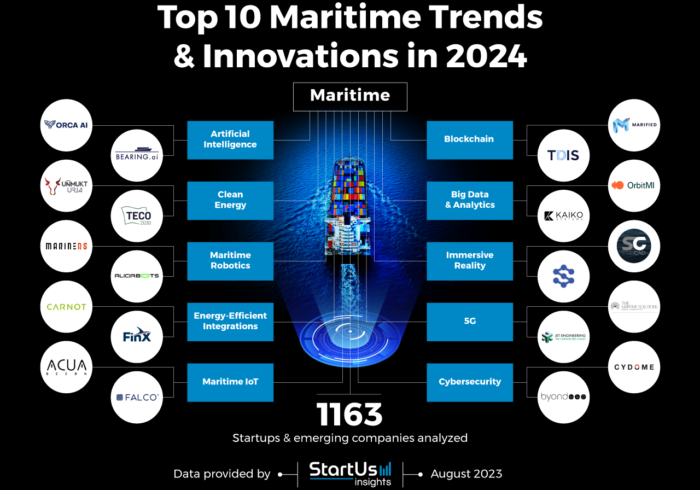
The adoption of digital technologies is transforming global shipping. Companies are leveraging data analytics, artificial intelligence, and blockchain to optimize operations. Digital platforms enable real-time tracking of shipments, improving transparency and reducing delays. For instance, blockchain technology can enhance security and traceability in shipping, allowing for more efficient documentation and reducing the risk of fraud. The integration of IoT devices in shipping containers provides real-time data on temperature, humidity, and location, ensuring that perishable goods are transported under optimal conditions.
Sustainable Practices
Shipping companies are increasingly focusing on sustainability. This includes investing in fuel-efficient vessels, exploring alternative fuels, and implementing waste reduction strategies. By adopting greener practices, companies can reduce their environmental impact and meet regulatory requirements. Initiatives such as the use of biofuels, wind-assisted propulsion, and energy-efficient ship designs are gaining traction in the industry. Furthermore, many companies are adopting circular economy principles, aiming to minimize waste and maximize resource efficiency throughout the shipping process.
Automation
Automation is revolutionizing the shipping industry. From automated cranes in ports to autonomous vessels, technology is streamlining operations and reducing labor costs. Automation enhances efficiency and allows companies to respond more quickly to changing market demands. The use of drones for last-mile delivery and automated guided vehicles in warehouses are examples of how automation is reshaping logistics. Additionally, automated systems can optimize routing and scheduling, reducing fuel consumption and improving delivery times.
Maritime Cybersecurity
As shipping becomes increasingly digital, the threat of cyberattacks looms larger. Maritime cybersecurity is now a critical concern for shipping companies. Protecting sensitive data and ensuring the integrity of shipping operations are paramount. Companies are investing in advanced cybersecurity measures to safeguard their systems against potential threats, ensuring that operations remain uninterrupted and secure. The rise of ransomware attacks and data breaches in various sectors has prompted shipping companies to prioritize cybersecurity training and infrastructure.
Latest Advancements in Maritime Cybersecurity
Recent advancements in maritime cybersecurity include the development of more sophisticated threat detection systems and the implementation of machine learning algorithms to predict and prevent cyber threats. Companies are also focusing on creating incident response plans that can be activated in the event of a cyberattack, ensuring that they can quickly recover and minimize damage. Additionally, partnerships with cybersecurity firms are becoming more common, allowing shipping companies to leverage specialized expertise in protecting their digital assets.
The Future of Global Shipping
As the global economy continues to evolve, the shipping industry must adapt to new trends and challenges. Several key factors will shape the future of global shipping.
E-commerce Growth
The rise of e-commerce is driving demand for efficient shipping solutions. Consumers expect fast and reliable delivery of goods, prompting shipping companies to innovate and improve their services. Last-mile delivery solutions, in particular, are becoming a focal point for logistics providers. Companies are investing in technology to enhance delivery speed and accuracy, including the use of predictive analytics to optimize delivery routes. The growth of online shopping has also led to an increase in smaller, more frequent shipments, requiring shipping companies to adapt their operations accordingly.
Geopolitical Dynamics
Geopolitical tensions can significantly impact global shipping routes and trade agreements. Companies must stay informed about international relations and adapt their strategies accordingly. This may involve diversifying supply chains or exploring new markets to mitigate risks. The ongoing trade disputes between major economies, such as the United States and China, highlight the need for companies to remain agile in their shipping strategies. Additionally, changes in trade policies and tariffs can affect shipping costs and routes, necessitating a proactive approach to risk management.
Technological Advancements
The continued advancement of technology will play a crucial role in the future of global shipping. Innovations in logistics management, data analytics, and communication will enhance operational efficiency. Companies that embrace these technologies will be better positioned to compete in the global marketplace. The integration of the Internet of Things in shipping allows for improved tracking and monitoring of shipments, leading to better decision-making and resource allocation. Furthermore, advancements in artificial intelligence can help optimize supply chain management by predicting demand and identifying potential disruptions.
Emerging Economies
Emerging economies are reshaping global shipping routes and volumes. As countries like India, Brazil, and various African nations continue to develop, their demand for imported goods and their capacity to export products are increasing. This shift is prompting shipping companies to adjust their strategies to accommodate new trade flows and capitalize on growth opportunities in these regions. The rise of middle-class consumers in these markets is also driving demand for a wider variety of goods, further influencing shipping patterns.
Environmental Regulations
As environmental concerns continue to grow, shipping companies will face increasing pressure to comply with stricter regulations aimed at reducing emissions and promoting sustainability. The International Maritime Organization’s targets for reducing greenhouse gas emissions will require companies to invest in cleaner technologies and adopt more sustainable practices. This may include retrofitting existing vessels with energy-efficient technologies or investing in new ships that meet higher environmental standards.
Alternative Fuels
The exploration of alternative fuels is becoming increasingly important in the shipping industry. Traditional marine fuels, such as heavy fuel oil, are being scrutinized for their environmental impact. Companies are investigating options like liquefied natural gas (LNG), hydrogen, and biofuels as potential alternatives. LNG, for instance, produces significantly lower emissions compared to conventional fuels, making it a more environmentally friendly option. The development of hydrogen fuel cells is also gaining traction, with the potential to revolutionize shipping by providing a zero-emission energy source.
How Smaller Shipping Companies Can Adopt Sustainable Practices
Smaller shipping companies can adopt sustainable practices by focusing on energy efficiency, waste reduction, and sustainable sourcing. Implementing energy-efficient technologies, such as LED lighting and energy-efficient engines, can significantly reduce operational costs and environmental impact. Additionally, smaller companies can engage in partnerships with larger firms to share resources and knowledge on sustainability initiatives. Training employees on sustainable practices and encouraging a culture of environmental responsibility can also lead to meaningful changes within the organization.
Long-Term Effects of Geopolitical Instability on Global Shipping Routes
Geopolitical instability can have profound long-term effects on global shipping routes. Conflicts, trade wars, and diplomatic tensions can lead to the rerouting of shipping lanes, increased shipping costs, and delays in delivery times. Companies may need to invest in alternative routes and logistics solutions to mitigate these risks. Additionally, geopolitical instability can impact the availability of resources and labor, further complicating shipping operations. As a result, companies must remain vigilant and adaptable to navigate the complexities of an ever-changing geopolitical landscape.
Effective Strategies for Mitigating Supply Chain Disruptions
To mitigate supply chain disruptions, companies can adopt several effective strategies. Diversification of suppliers is crucial; relying on multiple sources for materials can reduce the risk of disruptions caused by a single supplier’s failure. Additionally, companies should invest in technology that enhances visibility across the supply chain, allowing for real-time monitoring and quicker response times to potential issues. Building strong relationships with suppliers and logistics partners can also foster collaboration and improve communication during crises.
Implementing Digital Transformation Initiatives
Smaller shipping companies can effectively implement digital transformation initiatives by starting with a clear strategy that outlines their goals and objectives. Investing in training for employees to ensure they are equipped to use new technologies is essential. Additionally, smaller companies can leverage cloud-based solutions to reduce costs and improve scalability. Collaborating with technology providers can also help smaller firms access the latest innovations without the burden of significant upfront investments.
Long-Term Implications of Increased Automation on the Workforce
The increased automation in the shipping industry will have significant long-term implications for the workforce. While automation can lead to greater efficiency and reduced operational costs, it may also result in job displacement for certain roles. However, it is essential to recognize that automation can create new job opportunities in areas such as technology management, data analysis, and cybersecurity. Companies will need to invest in retraining and upskilling their workforce to prepare employees for the changing job landscape.
Conclusion
Global shipping is a vital component of the modern economy, facilitating trade and connecting businesses worldwide. While it faces challenges such as regulatory compliance and environmental concerns, innovations in digitalization, sustainability, and automation are paving the way for a more efficient and responsible shipping industry. As the landscape of global trade continues to evolve, staying informed and adaptable will be key for companies looking to thrive in this dynamic environment.
As you navigate the dynamic world of global shipping and logistics, don’t miss out on the opportunity to enhance your shopping experience with seamless delivery solutions. Discover more at LooperBuy.
Frequently Asked Questions
1. What is global shipping?
Global shipping refers to the transportation of goods across international borders, facilitating trade between countries.
2. What are the main challenges in global shipping?
The main challenges include regulatory compliance, environmental concerns, and supply chain disruptions.
3. How is technology impacting global shipping?
Technology is enhancing global shipping through digitalization, automation, and improved logistics management, leading to greater efficiency.
4. What role does global shipping play in the economy?
Global shipping supports economic growth by enabling trade, creating jobs, and facilitating global supply chains.
5. How can companies ensure sustainability in shipping?
Companies can adopt sustainable practices by investing in fuel-efficient vessels, exploring alternative fuels, and implementing waste reduction strategies.Navigating the Future of International Trade From Global Shipping Limited
HOT TAG: global shipping limited, international trade, logistics solutions, supply chain management, sustainable shipping practices, digital transformation, e-commerce logistics, shipping industry challenges, automation in shipping, maritime cybersecurity, alternative fuels, environmental regulations, geopolitical dynamics, supply chain disruptions, workforce implications, maritime technology advancements, risk management strategies, shipping efficiency, global market trends, shipping cost reduction, last-mile delivery solutions.