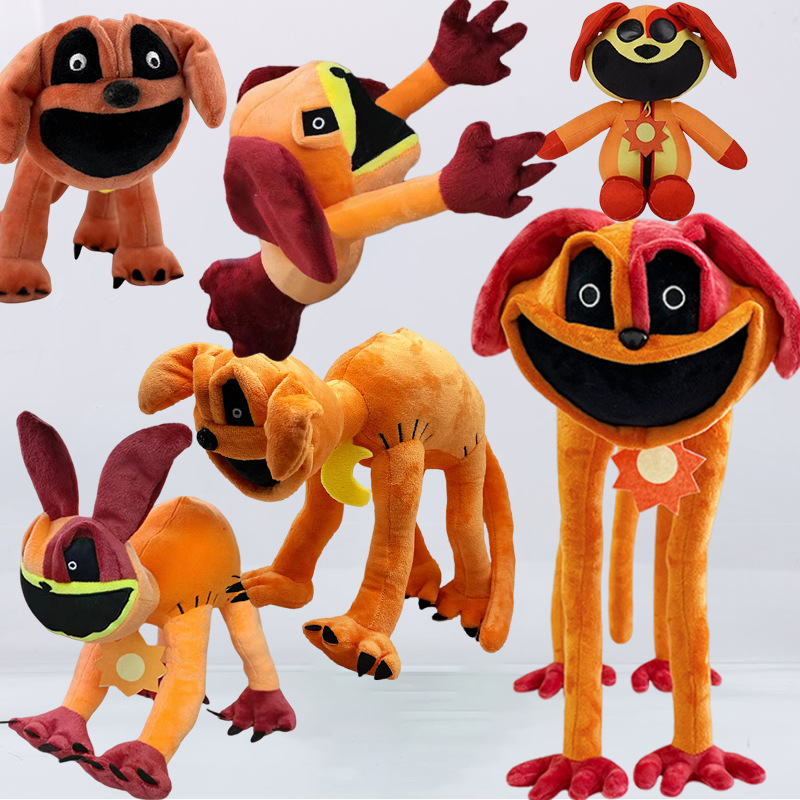
Walking a pet toy is not just a fun activity; it’s an engaging way to foster creativity and imagination in children while providing them with a sense of responsibility. In this article, we will explore the various aspects of pet toys designed for walking, their benefits, and how they can enhance playtime for kids.
Table of Contents
The Rise of Interactive Pet Toys
What Are Interactive Pet Toys?
Interactive pet toys are designed to mimic the behavior of real pets, allowing children to engage in imaginative play. These toys often come with features such as walking, barking, and even responding to commands, making them a delightful addition to any child’s toy collection. They can range from simple plush toys that walk when pulled to more complex electronic versions that respond to voice commands or remote controls.
Why Are They Popular?
The popularity of interactive pet toys has surged in recent years due to several factors:
- Imitation of Real Pets: Children love to imitate their parents or older siblings who have pets. Interactive pet toys allow them to experience the joy of pet ownership without the responsibilities that come with a real animal.
- Educational Value: These toys can teach children about caring for pets, including the importance of exercise and companionship. They can also introduce concepts of empathy and nurturing, as children learn to care for their toys as they would a real pet.
- Physical Activity: Walking a pet toy encourages children to be active, promoting physical health while they play. This is particularly important in an age where screen time is prevalent, and outdoor play is often limited.
- Social Interaction: These toys can serve as a bridge for social interaction among children. When kids play together with their pet toys, they engage in cooperative play, sharing ideas and creating stories, which enhances their social skills.
- Stress Relief: Engaging with pet toys can also provide emotional benefits. The act of caring for a toy can be soothing for children, helping them to manage stress and anxiety. This is particularly beneficial in today’s fast-paced world, where children may feel overwhelmed.
Benefits of Walking a Pet Toy
Encouraging Physical Activity
Walking a pet toy can motivate children to move around, which is essential for their physical development. It encourages them to engage in active play rather than sedentary activities like watching TV or playing video games. The act of walking a toy can also help develop gross motor skills as children learn to coordinate their movements with the toy.
Fostering Imagination and Creativity
When children walk their pet toys, they often create scenarios and stories, enhancing their imaginative skills. This type of role-playing can help develop their social skills as they interact with peers during play. For instance, a child might pretend they are taking their pet toy to the park, creating a narrative that involves other toys or friends, which can lead to collaborative storytelling.
Teaching Responsibility
Caring for a pet toy can instill a sense of responsibility in children. They learn to take care of their toy, ensuring it is clean and functioning, which can translate into better habits when they eventually care for a real pet. This responsibility can also extend to understanding the needs of pets, such as feeding, grooming, and exercising, which are essential lessons for any future pet owner.
Enhancing Cognitive Skills
Interactive pet toys can also enhance cognitive skills. Many toys come with features that require children to solve problems or make decisions. For example, a toy that requires a child to figure out how to make it walk or respond to commands can stimulate critical thinking and problem-solving abilities. This cognitive engagement is crucial for their overall development.
Developing Empathy
Walking pet toys can help children develop empathy. As they care for their toys, they learn to understand the feelings and needs of others. This can be particularly beneficial in teaching children how to interact with real pets and other people. By nurturing their toys, children can practice compassion and kindness, which are essential social skills.
Choosing the Right Walking Pet Toy
Factors to Consider
When selecting a walking pet toy, consider the following factors:
- Age Appropriateness: Ensure the toy is suitable for your child’s age group. Some toys may have small parts that are not safe for younger children. Always check the packaging for age recommendations.
- Durability: Look for toys made from high-quality materials that can withstand rough play. Toys that are well-constructed will last longer and provide more value.
- Features: Some toys come with additional features like sound effects, lights, or remote controls, which can enhance the play experience. Consider what features will engage your child the most.
- Maintenance: Consider how easy it is to clean and maintain the toy. Some toys may require batteries, while others may be rechargeable. Understanding the maintenance needs can help you choose a toy that fits your lifestyle.
- Safety Standards: Ensure that the toy meets safety standards and regulations. Look for certifications that indicate the toy has been tested for safety, especially if it is intended for younger children.
Popular Options
There are various types of walking pet toys available on the market. Here are a few popular choices:
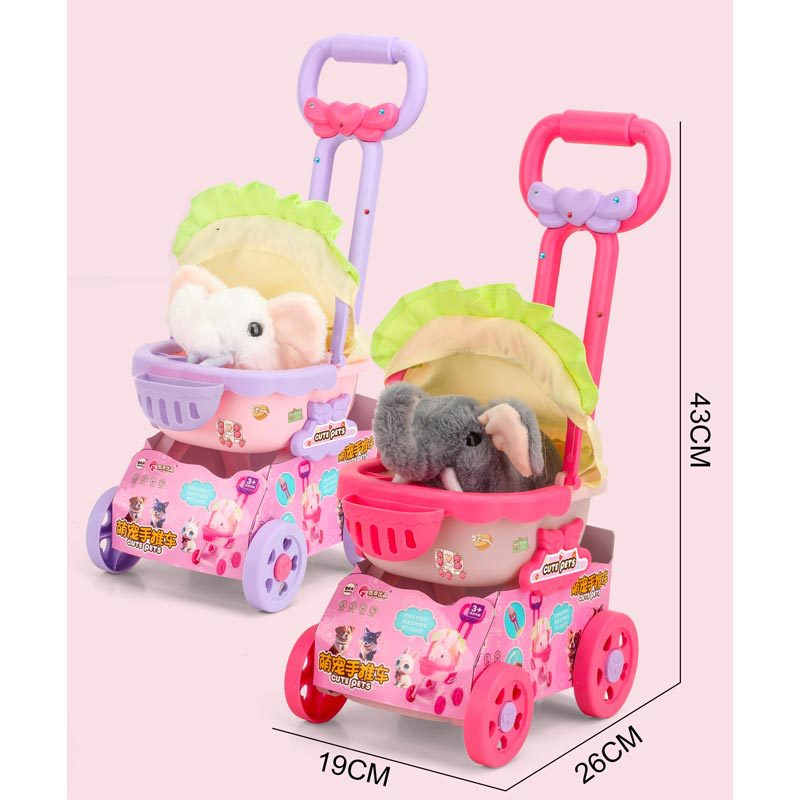
- Plush Walking Dogs: These soft toys often come with leashes and can walk, bark, and wag their tails. They are typically designed to be cuddly and safe for younger children.
- Remote-Controlled Pets: These toys can be controlled via a remote, allowing for more interactive play. They often have advanced features, such as the ability to perform tricks or respond to commands.
- Battery-Operated Toys: Many walking pet toys are battery-operated, providing realistic movements and sounds. These toys can be particularly engaging as they mimic real pet behavior.
- Educational Toys: Some walking pet toys are designed with educational purposes in mind, incorporating learning elements such as counting, colors, or even basic commands.
- Eco-Friendly Options: With growing awareness of environmental issues, many manufacturers are now producing eco-friendly walking pet toys. These toys are made from sustainable materials and are designed to be safe for both children and the planet.
How to Make the Most of Walking Your Pet Toy
Create a Fun Walking Route
Set up a designated area in your home or yard where your child can walk their pet toy. This could include obstacles to navigate around or a small path to follow, making the experience more engaging. You can use cones, toys, or even furniture to create a mini obstacle course that challenges your child and their toy.
Incorporate Playtime with Friends
Encourage your child to invite friends over for a pet walking day. This not only enhances social interaction but also allows for shared imaginative play. Children can take turns walking their toys, creating a fun and competitive environment where they can showcase their toys’ abilities.
Use Accessories
Enhance the play experience by providing accessories such as toy food, bowls, and grooming kits. This can help children learn about pet care while having fun. You can also create a “pet show” where children can present their toys and explain how they care for them, fostering public speaking skills and confidence.
Organize Themed Events
Consider organizing themed playdates or events centered around pet toys. For example, a “Pet Parade” where children can dress up their toys and themselves, or a “Pet Talent Show” where they can showcase tricks or special features of their toys. These events can create lasting memories and encourage creativity.
Creative Scenarios for Play
Encourage your child to come up with creative scenarios for their pet toy. They might pretend to take their toy on a vacation, to the vet, or even on a treasure hunt. These imaginative scenarios can help develop storytelling skills and enhance their ability to think creatively.
Safety Tips for Walking Pet Toys
Supervision
Always supervise young children while they play with interactive pet toys, especially if they have small parts that could pose a choking hazard. It’s essential to ensure that the play environment is safe and free from hazards.
Check for Damage
Regularly inspect the toy for any signs of wear and tear. Replace or repair damaged toys to ensure safe play. This includes checking for loose parts, frayed edges, or any other potential safety issues.
Set Boundaries
Establish clear boundaries for where the pet toy can be walked, especially if you have pets or small children in the home. This can help prevent accidents and ensure that playtime remains safe and enjoyable.
Educate About Care
Teach your child how to properly care for their walking pet toy. This includes cleaning it after play, storing it safely, and understanding the importance of treating toys gently. This education can help instill a sense of respect for their belongings.
The Future of Walking Pet Toys
Innovative Designs
As technology advances, the designs of walking pet toys are becoming more sophisticated. New features such as voice recognition, app connectivity, and enhanced interactivity are emerging. These innovations can provide a more immersive experience for children, allowing them to engage with their toys in new and exciting ways.
Therapeutic Uses
Walking pet toys are also being explored for therapeutic uses, particularly for children with special needs. These toys can provide comfort and companionship, helping to reduce anxiety and promote social interaction. They can also be used in therapeutic settings to encourage movement and engagement in children who may struggle with traditional forms of play.
Eco-Friendly Options
With growing awareness of environmental issues, many manufacturers are now producing eco-friendly walking pet toys. These toys are made from sustainable materials and are designed to be safe for both children and the planet. Choosing eco-friendly options can teach children about the importance of caring for the environment.
The Role of Technology
The integration of technology into walking pet toys is also on the rise. Some toys now come equipped with sensors that allow them to respond to touch or voice commands, making playtime more interactive. This technological advancement not only enhances the play experience but also encourages children to engage with their toys in new ways.
Conclusion
How to purchase:https://looperbuy.com/search?keywords=walk+a+pet+toy&globalType=china
Walking a pet toy is a delightful way for children to engage in active play while learning valuable lessons about responsibility and care. By choosing the right toy and creating an engaging play environment, parents can enhance their child’s playtime experience. Interactive pet toys not only provide entertainment but also foster creativity and physical activity, making them a worthwhile addition to any child’s toy collection.
Frequently Asked Questions
1. What age is appropriate for walking pet toys?
Most walking pet toys are suitable for children aged 3 and up, but always check the manufacturer’s recommendations for specific age guidelines.
2. How do I clean a walking pet toy?
Most plush walking pet toys can be spot cleaned with a damp cloth. For deeper cleaning, check if the toy is machine washable.
3. Can walking pet toys help with my child’s social skills?
Yes, walking pet toys encourage imaginative play, which can enhance social interactions when children play together.
4. Are there any safety concerns with walking pet toys?
Always supervise young children during play, and regularly check the toy for any small parts that could pose a choking hazard.
5. How can I enhance my child’s play experience with a walking pet toy?
Incorporate accessories like toy food and grooming kits, and create a fun walking route for added engagement.
6. What are the best walking pet toys for toddlers?
Some of the best walking pet toys for toddlers include plush toys with simple mechanisms, such as those that walk when pulled or have minimal electronic features to ensure safety.
7. How do walking pet toys aid in developing empathy in children?
Walking pet toys help children practice caring for another being, which fosters empathy as they learn to recognize and respond to the needs of their toys.
8. What are some creative scenarios for playing with walking pet toys?
Children can create scenarios such as taking their pet toy to the vet, going on a picnic, or even hosting a pet birthday party, enhancing their storytelling and imaginative skills.
HOT TAG:interactive pet toys, walking pet toys, children’s imaginative play, educational toys for kids, physical activity for children, pet care responsibility, creative play scenarios, empathy development in children, toddler-friendly toys, remote-controlled pet toys, plush walking dogs, eco-friendly pet toys, role-playing activities, social skills enhancement, fun outdoor play, engaging children’s toys, nurturing skills, storytelling with toys, pet ownership education, safe playtime practices