When it comes to packing a lunch, whether for work, school, or a picnic, keeping food fresh and safe to eat is a top priority. One effective way to achieve this is by using an ice pack in your lunch box. But why exactly should you consider incorporating an ice pack into your lunch packing routine? This article will explore the benefits, types, and best practices for using ice packs in lunch boxes, ensuring your meals stay cool and delicious. By understanding the importance of food safety and freshness, you can make informed choices that enhance your lunch experience.
Table of Contents
The Importance of Keeping Lunch Cool
Food Safety
One of the primary reasons to use an ice pack in your lunch box is food safety. Perishable items such as meats, dairy products, and certain fruits and vegetables can spoil if not kept at the right temperature. The USDA recommends that perishable foods should not be left at room temperature for more than two hours. An ice pack helps maintain a safe temperature, reducing the risk of foodborne illnesses. This is particularly crucial during warmer months or when traveling, as bacteria can multiply rapidly in warm conditions. By using an ice pack, you can significantly lower the chances of food spoilage, ensuring that your lunch remains safe to consume.
Freshness and Taste
In addition to safety, keeping your lunch cool helps maintain the freshness and taste of your food. Warm temperatures can cause salads to wilt, sandwiches to become soggy, and fruits to lose their crispness. An ice pack ensures that your lunch remains as fresh as possible, making your meal more enjoyable. The texture and flavor of food can greatly impact your eating experience; for instance, a crisp salad or a cold sandwich is far more appealing than a warm, limp version. By using an ice pack, you not only preserve the quality of your food but also enhance your overall dining experience, making lunchtime something to look forward to.
Types of Ice Packs for Lunch Boxes
Gel Packs
Gel packs are a popular choice for lunch boxes. They are filled with a gel-like substance that freezes solid and stays cold for an extended period. Gel packs are versatile and can be found in various sizes and shapes, making them suitable for different types of lunch boxes. Their ability to maintain a low temperature for hours makes them ideal for long days at work or school. Additionally, many gel packs are designed to be leak-proof, ensuring that you won’t have to deal with any mess in your lunch box. This reliability makes gel packs a favorite among parents packing lunches for their children.
Hard Plastic Ice Packs
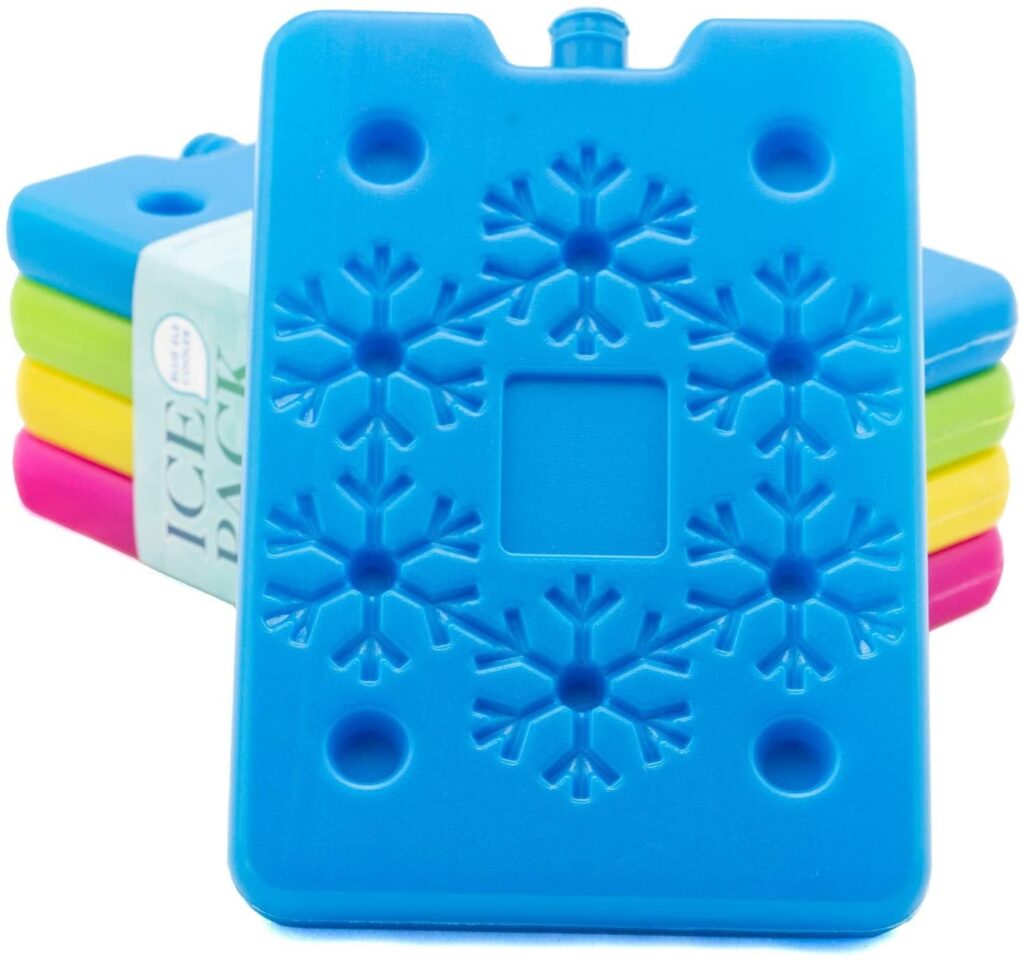
Hard plastic ice packs are another option. These packs are typically filled with a non-toxic gel and are designed to be durable and long-lasting. They can be placed flat in a lunch box, maximizing space and cooling efficiency. The rigid structure of hard plastic packs allows them to provide consistent cooling without the risk of puncturing or leaking. They are particularly useful for those who prefer a more structured approach to packing their lunches, as they can be easily stacked or arranged to fit snugly alongside food items.
Soft Ice Packs
Soft ice packs are flexible and can conform to the shape of your lunch box. This feature allows them to fit snugly around your food items, providing better cooling coverage. Soft packs are often lighter and easier to handle, making them a great choice for kids’ lunch boxes. Their flexibility means they can be placed in various configurations, ensuring that every item in the lunch box is kept cool. This adaptability is especially beneficial for parents who want to ensure that their children’s lunches remain fresh and appetizing throughout the school day.
DIY Ice Packs
For those who prefer a more economical option, DIY ice packs can be made at home. A simple method involves filling a resealable plastic bag with water and freezing it. Alternatively, you can mix water with dish soap for a more flexible ice pack that won’t freeze solid. This DIY approach not only saves money but also allows for customization in size and shape. Making your own ice packs can be a fun project, especially for families, and it ensures that you always have a cooling solution on hand without needing to purchase additional products.
How to Use Ice Packs Effectively
Pre-Freezing
To maximize the effectiveness of your ice pack, ensure it is fully frozen before placing it in your lunch box. This preparation allows it to provide the best cooling effect throughout the day. It’s advisable to keep your ice packs in the freezer overnight or for at least several hours before use. This way, when you pack your lunch in the morning, the ice pack is at its coldest, ensuring that your food stays fresh for as long as possible. Proper pre-freezing is essential for maintaining the ideal temperature for perishable items.
Placement
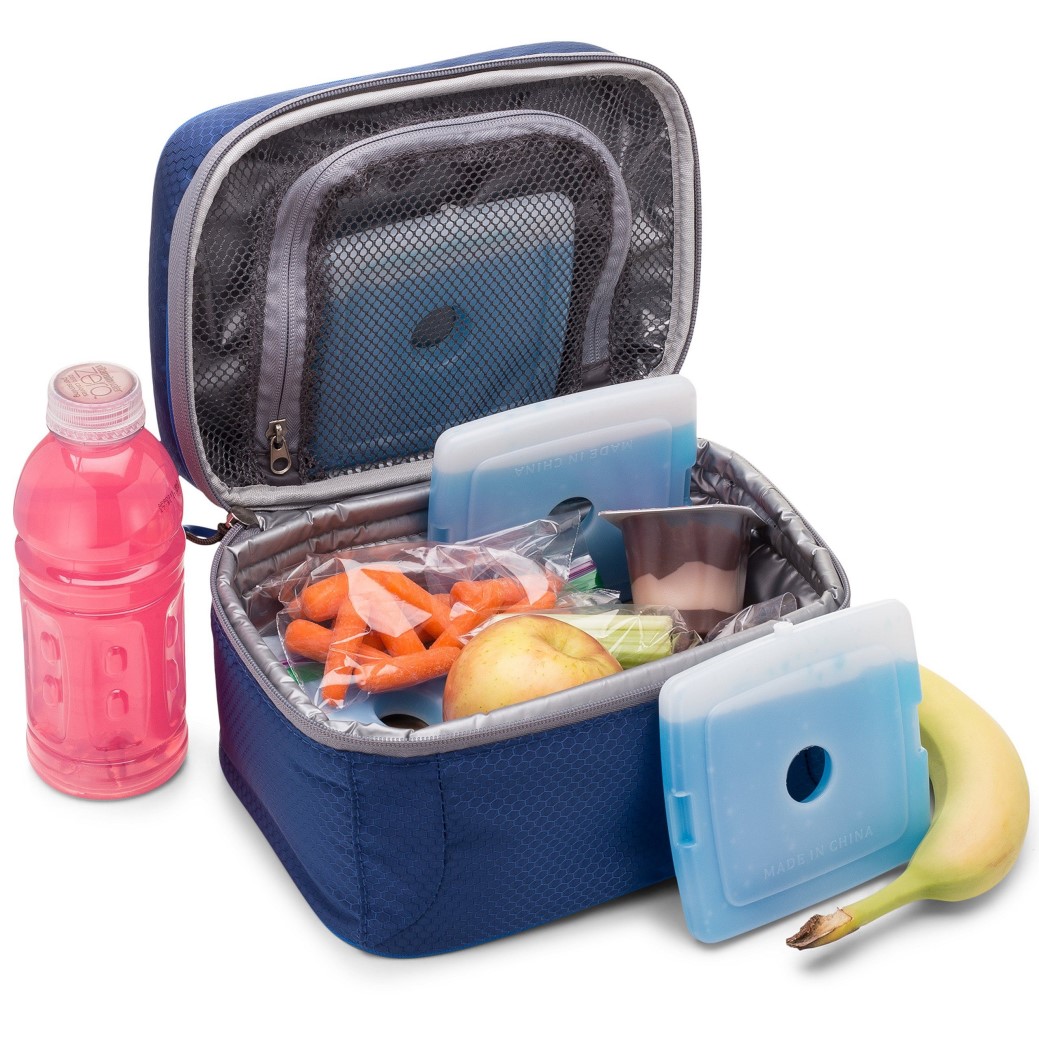
The placement of the ice pack in your lunch box is crucial. Ideally, the ice pack should be placed on top of the food items, as cold air sinks. This positioning helps keep the entire contents of the lunch box cool. Additionally, placing the ice pack against the food items can create a barrier that prevents warm air from entering the lunch box. If your lunch box has compartments, consider placing the ice pack in a way that it touches as many food items as possible, maximizing its cooling effect.
Pairing with Insulated Lunch Boxes
Using an insulated lunch box in conjunction with an ice pack can significantly enhance cooling efficiency. Insulated lunch boxes are designed to retain cold temperatures, making them an excellent choice for keeping your food fresh. The combination of insulation and an ice pack creates a controlled environment that helps maintain the ideal temperature for your lunch. This pairing is particularly beneficial for longer outings, such as day trips or picnics, where access to refrigeration may be limited.
Benefits of Using Ice Packs in Lunch Boxes
Convenience
Using an ice pack is a convenient way to ensure your lunch stays cool without the need for constant refrigeration. This convenience is especially beneficial for those who pack their lunches the night before or for kids who take their lunches to school. With an ice pack, you can prepare your meals in advance, knowing that they will remain safe and fresh until it’s time to eat. This ease of preparation can save time in the morning and reduce stress, allowing you to focus on other important tasks.
Cost-Effective
Investing in a few good-quality ice packs can save you money in the long run. By keeping your food fresh and safe, you reduce the likelihood of food waste and the need to buy lunch on the go. This cost-effectiveness is particularly appealing for families looking to save money on meals. Instead of spending money on takeout or pre-packaged lunches, you can prepare healthy, homemade meals that are both delicious and economical.
Versatility
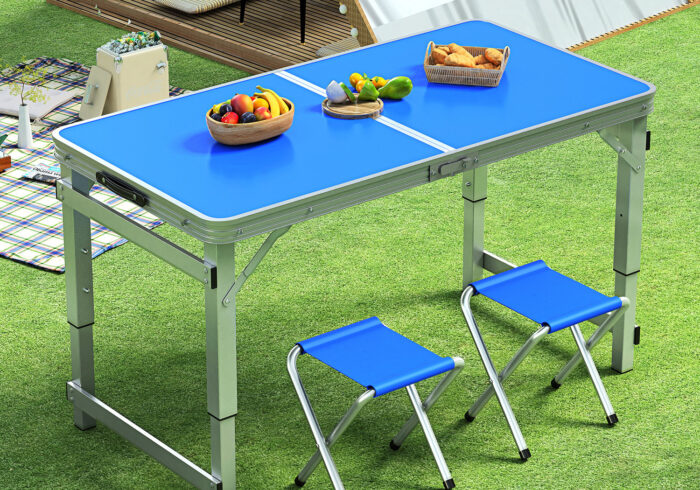
Ice packs are not just for lunch boxes. They can be used in coolers for picnics, beach trips, or camping. Their versatility makes them a valuable addition to any food storage routine. Whether you’re heading out for a day at the beach or a weekend camping trip, ice packs can help keep your food and drinks cold. This multifunctionality ensures that you get the most use out of your investment, making ice packs a practical choice for various occasions.
Choosing the Right Ice Pack
Size and Shape
When selecting an ice pack, consider the size and shape that will best fit your lunch box. Some lunch boxes have specific compartments, so choosing an ice pack that fits well is essential for optimal cooling. A well-fitted ice pack can help maximize space and ensure that your food items are adequately cooled. Additionally, consider the types of food you typically pack; for instance, if you often include larger items, a larger ice pack may be necessary.
Material
Look for ice packs made from non-toxic materials, especially if they will be used for children’s lunches. Many brands offer BPA-free options, ensuring safety for all users. The material of the ice pack can also affect its durability and performance. High-quality materials will withstand repeated use and freezing without degrading, providing reliable cooling for years to come.
Duration of Cooling
Different ice packs have varying cooling durations. If you need your lunch to stay cool for an extended period, opt for packs designed for longer-lasting cooling. Some ice packs are specifically engineered to maintain low temperatures for up to 12 hours or more, making them ideal for long days away from home. Understanding your needs will help you choose the right ice pack for your lifestyle.
Tips for Maintaining Your Ice Packs
Regular Cleaning
To ensure hygiene, regularly clean your ice packs according to the manufacturer’s instructions. This practice prevents the buildup of bacteria and keeps your food safe. Cleaning your ice packs after each use is a good habit, especially if they have come into contact with food. A simple wash with soap and water can help maintain their condition and ensure they remain safe for future use.
Proper Storage
Store your ice packs in the freezer when not in use. Keeping them ready to go will make packing lunches more efficient. Having your ice packs readily available means you can quickly grab them when preparing your lunch, saving time and effort. Additionally, consider designating a specific spot in your freezer for your ice packs to ensure they are easy to find.
Check for Damage
Inspect your ice packs for any signs of damage, such as leaks or cracks. Damaged packs should be replaced to ensure they function correctly. Regularly checking your ice packs can help you avoid unpleasant surprises when you need them most. If you notice any issues, it’s best to address them immediately to maintain the effectiveness of your cooling solution.
Conclusion
Incorporating an ice pack into your lunch box is a simple yet effective way to keep your food safe, fresh, and enjoyable. With various types available, you can choose the one that best fits your needs and preferences. By following best practices for usage and maintenance, you can ensure that your lunches remain delicious and safe to eat. Ultimately, using an ice pack not only enhances the quality of your meals but also contributes to a healthier lifestyle by encouraging home-cooked lunches over fast food options.
How to purchase:https://looperbuy.com/search?keywords=Ice+Pack+for+Lunch+Box
Frequently Asked Questions
1. How long do ice packs keep food cold?
Ice packs can keep food cold for several hours, depending on the type and size of the pack, as well as the ambient temperature. Generally, larger and more insulated packs will provide longer cooling durations.
2. Can I use regular ice instead of an ice pack?
While regular ice can be used, it can create a mess as it melts. Ice packs are designed to stay cold longer and are more convenient, making them a better choice for packed lunches.
3. Are ice packs safe for food?
Yes, most ice packs are made from non-toxic materials and are safe for food. Always check for BPA-free options to ensure safety for all users, especially children.
4. How do I clean my ice packs?
Most ice packs can be wiped down with soap and water. Check the manufacturer’s instructions for specific cleaning guidelines to ensure proper maintenance.
5. Can I use ice packs for other purposes?
Yes, ice packs can be used for coolers, picnics, and even for injuries to reduce swelling. Their versatility makes them a practical addition to any household.