Starting a dropshipping business can be an exciting venture, especially for those looking to enter the e-commerce world without the burden of managing inventory. This guide will walk you through the essential steps to set up your dropshipping business effectively, ensuring you have a solid foundation for success.
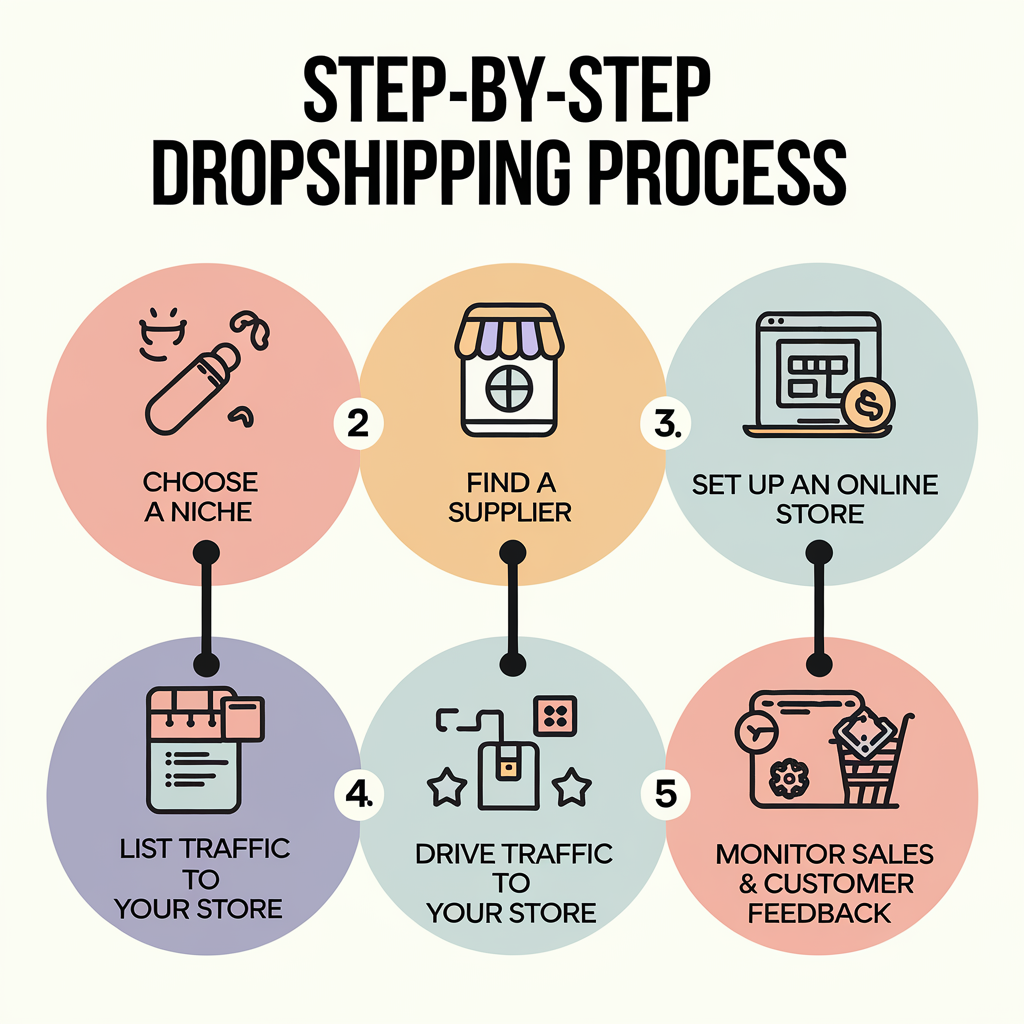
Table of Contents
Understanding Dropshipping
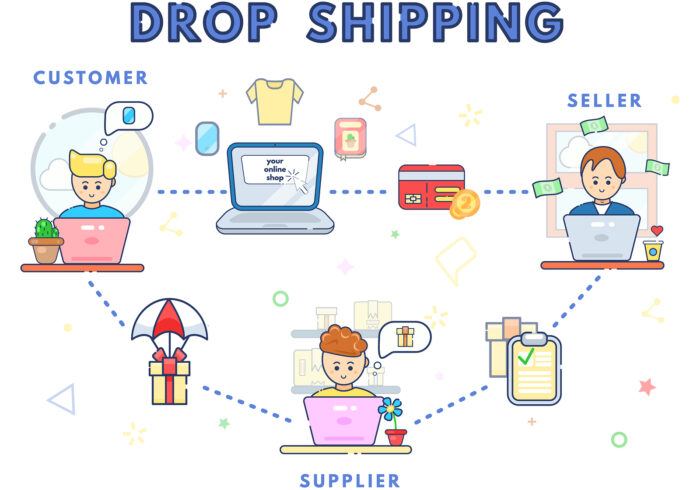
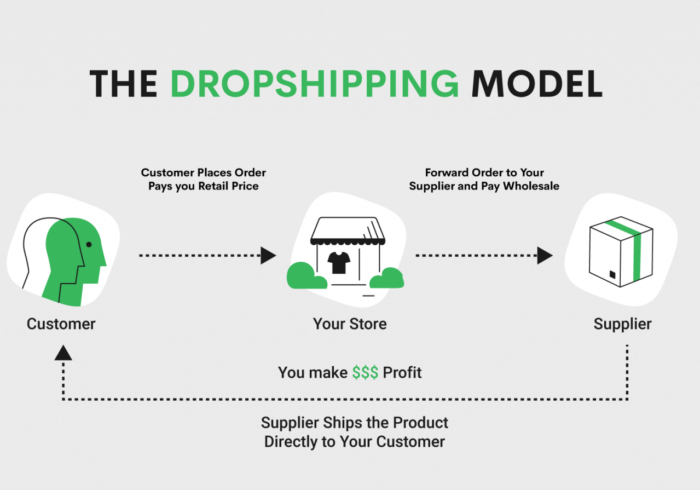
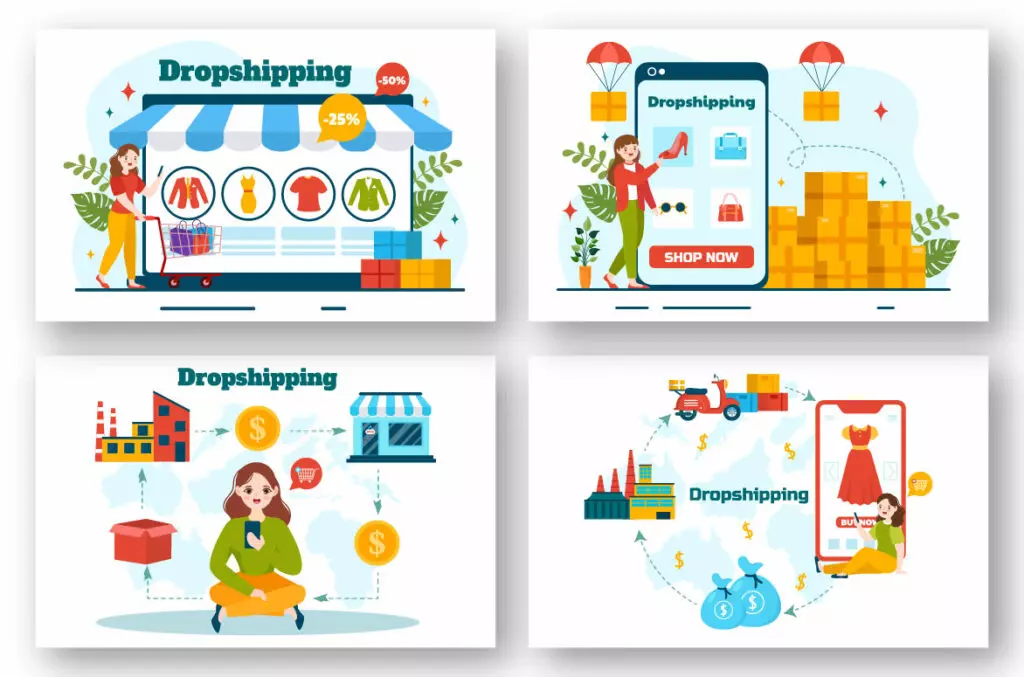
Dropshipping is a retail fulfillment method where a store doesn’t keep the products it sells in stock. Instead, when you sell a product, you purchase the item from a third party and have it shipped directly to the customer. This means you never see or handle the product. The primary advantage of dropshipping is that it allows you to start an online business with minimal upfront investment.
Benefits of Dropshipping
- Low Startup Costs: You don’t need to invest in inventory upfront, which significantly reduces the financial risk.
- Wide Product Selection: You can offer a variety of products without worrying about storage space.
- Flexibility: You can run your business from anywhere with an internet connection.
- Scalability: As your business grows, you can easily add new products and suppliers without the need for additional infrastructure.
Challenges of Dropshipping
While dropshipping has many advantages, it also comes with its own set of challenges:
- Low Profit Margins: Since you are not buying in bulk, the profit margins can be lower compared to traditional retail.
- Inventory Issues: If a supplier runs out of stock, it can lead to delays and customer dissatisfaction.
- Shipping Complexities: Managing shipping from multiple suppliers can complicate logistics and increase costs.
- High Competition: The low barrier to entry means many people are entering the dropshipping space, making it competitive.
Step-by-Step Guide to Setting Up Your Dropshipping Business
Step 1: Choose Your Niche
Selecting the right niche is crucial for your dropshipping business. A niche is a specific segment of the market that you will focus on. Here are some tips for choosing a profitable niche:
- Research Market Trends: Use tools like Google Trends to identify what products are currently in demand. Look for trends that show consistent growth rather than fleeting fads.
- Consider Your Interests: Choose a niche that you are passionate about, as this will make it easier to market your products. Your enthusiasm can translate into better marketing and customer engagement.
- Analyze the Competition: Look at existing businesses in your chosen niche to understand their strengths and weaknesses. Identify gaps in the market that you can fill.
Step 2: Find Reliable Suppliers
Once you have chosen your niche, the next step is to find suppliers who can provide the products you want to sell. Here are some ways to find reliable suppliers:
- Online Directories: Websites like Alibaba, SaleHoo, and Oberlo can help you connect with suppliers. These platforms often have reviews and ratings to help you assess supplier reliability.
- Trade Shows: Attending trade shows can give you the opportunity to meet suppliers in person and see their products. This can also help you build relationships that are beneficial for your business.
- Supplier Reviews: Always check reviews and ratings of suppliers to ensure they are reputable and reliable. Look for suppliers with a history of good customer service and timely shipping.
Step 3: Build Your Online Store
Creating an online store is one of the most critical steps in setting up your dropshipping business. Here’s how to do it:
- Choose an E-commerce Platform: Popular platforms include Shopify, WooCommerce, and BigCommerce. These platforms offer user-friendly interfaces and various features tailored for dropshipping.
- Design Your Store: Customize your store’s design to reflect your brand. Ensure it is user-friendly and mobile-responsive. A clean, professional design can enhance customer trust and improve conversion rates.
- Add Products: List your products with high-quality images, detailed descriptions, and competitive pricing. Make sure to include shipping information and return policies. Use SEO-friendly descriptions to improve your store’s visibility in search engines.
Step 4: Set Up Payment Processing
To accept payments from customers, you need to set up a payment processing system. Here are some popular options:
- PayPal: A widely used payment processor that is easy to integrate into your online store. It offers buyer protection, which can increase customer confidence.
- Stripe: Another popular option that allows you to accept credit card payments directly on your site. Stripe is known for its developer-friendly API and robust features.
- Square: Ideal for businesses that also sell in-person, as it offers both online and offline payment solutions. Square provides tools for inventory management and sales tracking.
Step 5: Market Your Dropshipping Business
Once your store is set up, it’s time to attract customers. Here are some effective marketing strategies:
- Social Media Marketing: Use platforms like Instagram, Facebook, and Pinterest to promote your products and engage with potential customers. Create visually appealing content that showcases your products in use.
- Search Engine Optimization (SEO): Optimize your website for search engines to increase organic traffic. Focus on relevant keywords, quality content, and backlinks. Consider starting a blog related to your niche to drive traffic and establish authority.
- Email Marketing: Build an email list and send newsletters to keep customers informed about new products and promotions. Use personalized emails to enhance customer engagement and retention.
Step 6: Manage Customer Service
Providing excellent customer service is essential for retaining customers and building a good reputation. Here are some tips:
- Respond Promptly: Address customer inquiries and complaints quickly to enhance customer satisfaction. Use chatbots for immediate responses during off-hours.
- Offer Clear Policies: Make sure your return and shipping policies are easy to find and understand. Transparency can help build trust with your customers.
- Use Automation Tools: Consider using chatbots or automated email responses to handle common customer queries efficiently. This can free up your time for more complex customer interactions.
Step 7: Analyze and Optimize
After launching your dropshipping business, it’s important to continuously analyze your performance and make improvements. Here’s how:
- Track Key Metrics: Monitor sales, traffic sources, and customer behavior using tools like Google Analytics. Understanding your metrics can help you make informed decisions.
- A/B Testing: Experiment with different marketing strategies, product listings, and website designs to see what works best. A/B testing can help you optimize your conversion rates.
- Gather Feedback: Encourage customers to leave reviews and feedback to identify areas for improvement. Use surveys to gain insights into customer preferences and experiences.
Step 8: Scale Your Business
Once your dropshipping business is running smoothly, consider ways to scale it. Here are some strategies:
- Expand Your Product Range: Introduce new products that complement your existing offerings. This can attract new customers and increase sales from existing ones.
- Explore New Markets: Consider targeting international markets or different demographics. Research the demand for your products in these new markets.
- Invest in Advertising: Use paid advertising on social media and search engines to reach a larger audience. Retargeting ads can help convert visitors who didn’t make a purchase on their first visit.
Step 9: Stay Updated with Industry Trends
The e-commerce landscape is constantly evolving. Stay informed about industry trends and changes in consumer behavior. Here are some ways to keep up:
- Follow Industry Blogs: Subscribe to e-commerce blogs and newsletters to receive the latest news and insights.
- Join Online Communities: Participate in forums and social media groups related to dropshipping and e-commerce. Networking with other entrepreneurs can provide valuable tips and support.
- Attend Webinars and Workshops: Look for online events that focus on dropshipping and e-commerce strategies. These can provide you with new ideas and techniques to implement in your business.
Step 10: Leverage Technology and Automation
In the fast-paced world of e-commerce, leveraging technology can give you a competitive edge. Here are some ways to incorporate technology into your dropshipping business:
- Inventory Management Software: Use software that integrates with your e-commerce platform to keep track of stock levels across multiple suppliers. This can help prevent overselling and stockouts.
- Automated Order Fulfillment: Many dropshipping platforms offer automated order fulfillment services that can streamline the process of sending orders to suppliers and notifying customers.
- Customer Relationship Management (CRM): Implement a CRM system to manage customer interactions and data throughout the customer lifecycle. This can help improve customer service and retention.
Step 11: Focus on Branding
Building a strong brand is essential for standing out in the competitive dropshipping market. Here are some branding strategies:
- Create a Unique Brand Identity: Develop a memorable logo, color scheme, and brand voice that resonates with your target audience. Consistency across all platforms is key to building brand recognition.
- Tell Your Brand Story: Share the story behind your business and what makes it unique. This can help create an emotional connection with your customers.
- Engage with Your Audience: Use social media to interact with your customers, respond to comments, and create a community around your brand. Engaging content can foster loyalty and encourage repeat purchases.
Step 12: Monitor Legal and Tax Obligations
As your dropshipping business grows, it’s important to stay compliant with legal and tax regulations. Here are some considerations:
- Business Registration: Depending on your location, you may need to register your business and obtain necessary licenses. Research local regulations to ensure compliance.
- Sales Tax: Understand the sales tax requirements for your business, especially if you are selling in multiple states or countries. Consider using tax automation software to simplify this process.
- Terms and Conditions: Create clear terms and conditions for your website, including privacy policies and return policies. This can help protect your business and inform customers of their rights.
Conclusion
Setting up a dropshipping business requires careful planning and execution. By following the steps outlined in this guide, you can create a successful online store that meets the needs of your target market. Remember to stay adaptable and continuously seek ways to improve your business. With dedication and the right strategies, your dropshipping venture can thrive in the competitive e-commerce landscape.
Ready to take your dropshipping business to the next level? Discover a wide range of products and seamless integration with LooperBuy to enhance your online store today! Explore Now.
Article Summary: This comprehensive guide provides a step-by-step approach to setting up a successful dropshipping business. It covers essential aspects such as choosing a niche, finding reliable suppliers, building an online store, and effective marketing strategies. By following these steps, aspiring entrepreneurs can launch their dropshipping ventures with confidence and scale their businesses over time.
Hot Tags: Dropshipping; E-commerce; Online Business; Supplier Management; Market Research; Customer Service; SEO; Social Media Marketing; Payment Processing; Business Strategy; Niche Selection; Product Sourcing; E-commerce Platforms; Marketing Strategies; Business Optimization; Sales Tracking; Customer Retention; Brand Building; Digital Marketing; E-commerce Trends; Business Growth; Online Store Setup; Inventory Management; Business Planning; Profit Margins; E-commerce Success; Dropshipping Tips; Market Analysis; Business Development; E-commerce Solutions.
Related Questions & Answers
· What is dropshipping?
Dropshipping is a retail fulfillment method where a store sells products without holding inventory. Instead, products are shipped directly from suppliers to customers.
· How much does it cost to start a dropshipping business?
Starting a dropshipping business can be done with minimal investment, often under $500, depending on the platform and marketing strategies you choose.
· Can I start dropshipping without a website?
Yes, you can start dropshipping using online marketplaces like eBay or Amazon, but having your own website can enhance your brand and customer experience.
· What are the best platforms for dropshipping?
Popular platforms for dropshipping include Shopify, WooCommerce, and BigCommerce, each offering unique features for online store management.
· How do I find reliable suppliers for dropshipping?
You can find reliable suppliers through online directories, trade shows, and by checking reviews and ratings from other dropshippers.