The dropshipping model has been a popular choice for entrepreneurs looking to enter the e-commerce space with minimal upfront investment. However, as we approach 2025, many are questioning whether dropshipping is still a viable business model or if it has reached its expiration date. This article delves into the current state of dropshipping, the challenges it faces, and the strategies that can help entrepreneurs thrive in this evolving landscape.
Table of Contents
Understanding Dropshipping: A Brief Overview
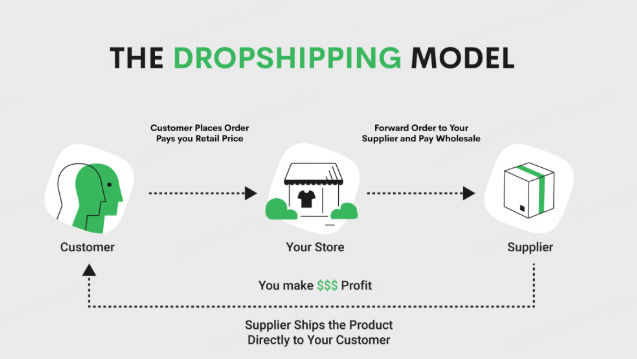
Dropshipping is a retail fulfillment method where a store doesn’t keep the products it sells in stock. Instead, when a store sells a product, it purchases the item from a third party and has it shipped directly to the customer. This model allows entrepreneurs to start an online business without the need for inventory, making it an attractive option for many.
The Rise of Dropshipping
The dropshipping model gained significant traction in the early 2010s, primarily due to its low barrier to entry. Entrepreneurs could set up online stores with minimal investment, leveraging platforms like Shopify and WooCommerce. The allure of dropshipping was further enhanced by the vast array of products available from suppliers, particularly in regions like China.
Current Trends in E-commerce
As we move into 2025, the e-commerce landscape is changing rapidly. The COVID-19 pandemic accelerated the shift towards online shopping, and consumer behavior has evolved. Shoppers are now more discerning, seeking quality products, faster shipping, and better customer service. This shift presents both challenges and opportunities for dropshippers.
Is Dropshipping Really Dead?
The question “Is dropshipping dead?” is often met with mixed responses. While some argue that the traditional dropshipping model is no longer effective, others believe that it is simply evolving.
Challenges Facing Dropshippers
- Increased Competition: The low barrier to entry means that more people are entering the dropshipping space, leading to saturated markets. This saturation makes it harder for new entrants to stand out and achieve profitability.
- Rising Costs: As competition increases, so do advertising costs. Platforms like Facebook and Google have seen a rise in ad prices, making it more expensive for dropshippers to acquire customers.
- Supply Chain Issues: The global supply chain has been under strain, leading to delays and increased shipping costs. Dropshippers who rely on overseas suppliers may find it challenging to meet customer expectations for fast delivery.
- Changing Consumer Preferences: Today’s consumers are more informed and have higher expectations. They demand transparency, sustainability, and ethical practices from the brands they support. This shift requires dropshippers to adapt their offerings and marketing strategies accordingly.
- Regulatory Challenges: As e-commerce grows, so does scrutiny from regulatory bodies. Dropshippers must navigate complex legal landscapes, including tax regulations, import/export laws, and consumer protection standards.
The Evolution of Dropshipping
Despite these challenges, dropshipping is not dead. Instead, it is evolving. Successful dropshippers are adapting their strategies to thrive in this new environment.
- Niche Focus: Instead of trying to sell everything to everyone, successful dropshippers are focusing on niche markets. By targeting specific audiences, they can reduce competition and build a loyal customer base.
- Quality Over Quantity: As consumers become more discerning, dropshippers are prioritizing quality products. This shift not only enhances customer satisfaction but also reduces the likelihood of returns and negative reviews.
- Automation and Technology: The use of automation tools is becoming increasingly important. From inventory management to customer service, leveraging technology can help dropshippers streamline operations and focus on growth.
- Sustainability Practices: With growing consumer awareness around environmental issues, dropshippers are incorporating sustainable practices into their business models. This includes sourcing products from eco-friendly suppliers and using sustainable packaging.
- Building Strong Relationships with Suppliers: Establishing solid relationships with suppliers can lead to better pricing, faster shipping times, and improved product quality. Dropshippers who invest time in nurturing these relationships often see better results.
Strategies for Success in Dropshipping
To succeed in the evolving dropshipping landscape, entrepreneurs must adopt new strategies that align with current market trends.
Building a Strong Brand
In a crowded marketplace, branding is crucial. Dropshippers should focus on creating a unique brand identity that resonates with their target audience. This includes developing a compelling brand story, designing eye-catching visuals, and maintaining consistent messaging across all platforms.
- Creating a Unique Value Proposition: A strong value proposition clearly communicates what sets your brand apart from competitors. This could be anything from exclusive products to exceptional customer service.
- Investing in Professional Branding: High-quality branding materials, including logos, packaging, and website design, can significantly impact consumer perception. Investing in professional branding can enhance credibility and attract more customers.
- Engaging with Your Audience: Building a community around your brand can foster loyalty. Engage with your audience through social media, email newsletters, and interactive content to create a sense of belonging.
Enhancing Customer Experience
Providing an exceptional customer experience can set a dropshipping business apart from the competition. This includes offering fast shipping, easy returns, and responsive customer service. Building trust with customers is essential for long-term success.
- Streamlining the Purchase Process: A user-friendly website with a seamless checkout process can reduce cart abandonment rates. Ensure that your site is optimized for mobile devices, as many consumers shop on their phones.
- Implementing a Robust Customer Service System: Quick and effective customer service can turn a negative experience into a positive one. Consider using chatbots for immediate responses and providing multiple channels for customer support.
- Personalizing the Shopping Experience: Personalization can enhance customer satisfaction. Use data analytics to understand customer preferences and tailor product recommendations accordingly.
Leveraging Social Media and Influencer Marketing
Social media platforms are powerful tools for reaching potential customers. Dropshippers should utilize platforms like Instagram, TikTok, and Facebook to showcase their products and engage with their audience. Collaborating with influencers can also help increase brand visibility and credibility.
- Creating Engaging Content: High-quality visuals and engaging content can capture attention on social media. Use videos, stories, and user-generated content to showcase your products in action.
- Running Targeted Ad Campaigns: Social media advertising allows for precise targeting based on demographics, interests, and behaviors. Running targeted ad campaigns can help reach the right audience effectively.
- Partnering with Influencers: Collaborating with influencers who align with your brand values can amplify your reach. Influencers can provide authentic endorsements that resonate with their followers.
Adapting to Market Changes
The e-commerce landscape is constantly changing, and dropshippers must be agile. Staying informed about industry trends, consumer preferences, and technological advancements will enable entrepreneurs to pivot their strategies as needed.
- Monitoring Industry Trends: Regularly research market trends and consumer behavior to stay ahead of the curve. Subscribe to industry newsletters, attend webinars, and participate in online forums to gather insights.
- Embracing New Technologies: Technology is rapidly evolving, and dropshippers should leverage new tools to enhance their operations. This includes using AI for customer service, data analytics for market research, and automation for order fulfillment.
- Testing and Iterating: The ability to test new strategies and iterate based on results is crucial. Conduct A/B testing on marketing campaigns, product offerings, and website layouts to determine what works best.
The Future of Dropshipping
As we look ahead, the future of dropshipping appears promising for those willing to adapt. The e-commerce market is projected to continue growing, driven by advancements in technology and changing consumer behaviors.
Embracing E-commerce Innovations
- Artificial Intelligence and Machine Learning: AI and machine learning can enhance various aspects of dropshipping, from inventory management to customer service. These technologies can help predict trends, optimize pricing, and personalize marketing efforts.
- Augmented Reality (AR): AR technology can provide customers with immersive shopping experiences. For example, allowing customers to visualize products in their own space can enhance their confidence in purchasing.
- Blockchain Technology: Blockchain can improve transparency and security in the supply chain. By using blockchain, dropshippers can track products from suppliers to customers, ensuring authenticity and reducing fraud.
Sustainability and Ethical Practices
The demand for sustainable and ethically sourced products is on the rise. Dropshippers who prioritize sustainability will likely attract a growing segment of environmentally conscious consumers.
- Sourcing from Ethical Suppliers: Partnering with suppliers who adhere to ethical practices can enhance your brand’s reputation. Ensure that your suppliers prioritize fair labor practices and environmentally friendly production methods.
- Implementing Sustainable Packaging: Using eco-friendly packaging materials can reduce your environmental impact and appeal to consumers who prioritize sustainability.
- Promoting Transparency: Being transparent about your sourcing and production processes can build trust with consumers. Share information about your suppliers and the steps you take to ensure ethical practices.
Exploring Profitable Niches
As the dropshipping landscape evolves, identifying profitable niches becomes crucial. Some of the most promising niches for 2025 include:
- Health and Wellness Products: With an increasing focus on health, products related to fitness, nutrition, and mental well-being are in high demand. This includes supplements, fitness equipment, and wellness gadgets.
- Eco-Friendly Products: As consumers become more environmentally conscious, eco-friendly products such as reusable bags, biodegradable items, and sustainable home goods are gaining popularity.
- Home Office Supplies: The shift to remote work has created a demand for home office supplies, including ergonomic furniture, organizational tools, and tech accessories.
- Pet Products: The pet industry continues to grow, with pet owners willing to spend on high-quality food, toys, and accessories. Niche products for specific pet types can also be lucrative.
- Personalized Products: Customization is a growing trend. Offering personalized items, such as engraved jewelry or custom apparel, can attract consumers looking for unique gifts.
Conclusion
In conclusion, while the traditional dropshipping model may be facing challenges, it is far from dead. Entrepreneurs who are willing to adapt, innovate, and focus on quality will find opportunities for success in the evolving e-commerce landscape. By embracing new strategies and technologies, dropshippers can continue to thrive in 2025 and beyond.
As you explore the evolving landscape of dropshipping and seek to capitalize on emerging trends, consider enhancing your shopping experience with unique and quality products from LooperBuy. Discover what’s in store for you today at LooperBuy.
Article Summary: This article explores the current state of dropshipping as we approach 2025, addressing the challenges and opportunities within the e-commerce landscape. It highlights the importance of niche marketing, quality products, and leveraging technology to succeed in a competitive market. The conclusion emphasizes that while traditional dropshipping may be evolving, it remains a viable business model for those willing to adapt.
Hot Tags: Dropshipping; E-commerce Trends; Online Business; Niche Marketing; Supply Chain Management; Customer Experience; Brand Building; Social Media Marketing; Influencer Collaboration; Automation Tools; Market Adaptation; Profitability; Business Strategies; Consumer Behavior; Digital Marketing; E-commerce Growth; Shipping Solutions; Product Quality; Inventory Management; Entrepreneurial Success; E-commerce Challenges; Dropshipping Strategies; Online Retail; Business Innovation; E-commerce Platforms; Market Saturation; Advertising Costs; Global Supply Chain; E-commerce Future; Dropshipping Myths
Related Questions & Answers
· What are the most profitable dropshipping niches in 2025?
Some of the most profitable niches include health and wellness products, eco-friendly items, home office supplies, pet products, and personalized goods.
· How can AI and automation improve dropshipping businesses?
AI and automation can enhance inventory management, customer service, and marketing efforts, allowing dropshippers to operate more efficiently and effectively.
· What are the best strategies for building a strong dropshipping brand?
Creating a unique value proposition, investing in professional branding, and engaging with your audience are key strategies for building a strong brand in dropshipping.