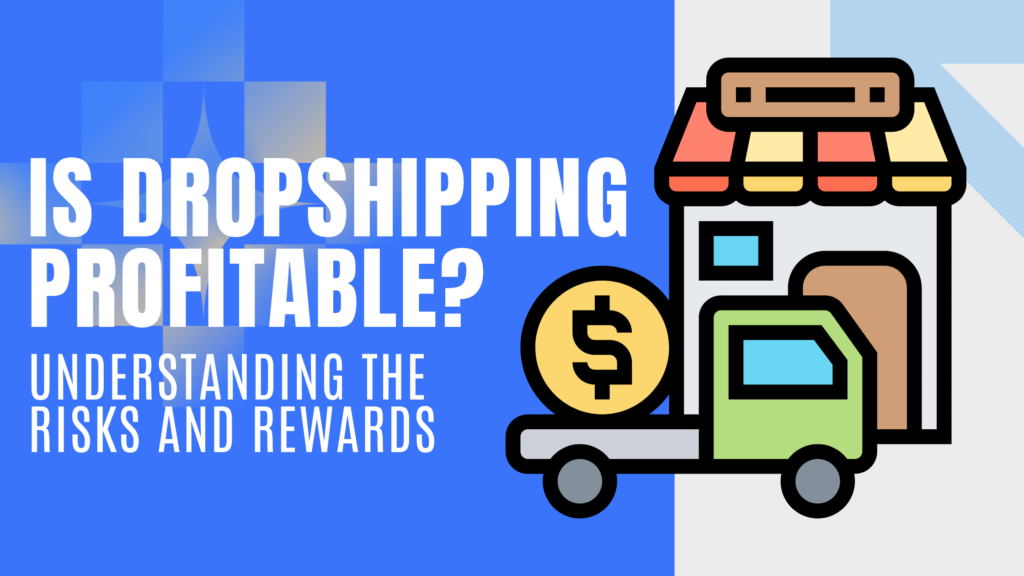
Dropshipping has emerged as a popular business model in the e-commerce landscape, allowing entrepreneurs to sell products without holding inventory. This model has attracted many due to its low startup costs and minimal risk. However, the question remains: Is dropshipping profitable? In this article, we will explore the profitability of dropshipping, the factors that influence it, and strategies to maximize your earnings.
Table of Contents
Understanding Dropshipping
What is Dropshipping?
Dropshipping is a retail fulfillment method where a store does not keep the products it sells in stock. Instead, when a store sells a product, it purchases the item from a third party and has it shipped directly to the customer. This means that the seller never sees or handles the product. The primary advantage of dropshipping is that it allows entrepreneurs to start a business with minimal upfront investment.
How Does Dropshipping Work?
The dropshipping process involves several key steps:
- Customer Places an Order: A customer visits your online store and places an order for a product.
- Order Forwarded to Supplier: You receive the order and forward it to your supplier, who holds the inventory.
- Supplier Ships the Product: The supplier ships the product directly to the customer on your behalf.
- You Keep the Profit: You earn the difference between the retail price you charged the customer and the wholesale price you paid to the supplier.
This model eliminates the need for inventory management and reduces overhead costs, making it an attractive option for many aspiring entrepreneurs.
Profitability of Dropshipping
Average Profit Margins
The profitability of dropshipping can vary significantly based on several factors, including the niche, product selection, and marketing strategies. On average, dropshipping profit margins range from 15% to 30%. However, some successful dropshippers report margins exceeding 50% on specific products. The key to achieving higher margins lies in selecting the right products and effectively managing costs.
Factors Influencing Profitability
- Product Selection: Choosing the right products is crucial. High-demand, low-competition items tend to yield better profit margins. Conduct thorough market research to identify trending products that align with consumer interests.
- Supplier Relationships: Establishing strong relationships with reliable suppliers can lead to better pricing and improved service. Negotiate terms that allow for competitive pricing while ensuring product quality.
- Marketing Strategies: Effective marketing is essential for driving traffic to your store. Utilize social media, search engine optimization (SEO), and paid advertising to reach your target audience. The more traffic you generate, the higher your potential sales.
- Operational Efficiency: Streamlining your operations can significantly impact your bottom line. Automate processes where possible, such as order fulfillment and customer service, to reduce labor costs and improve efficiency.
- Customer Service: Providing excellent customer service can lead to repeat business and positive reviews, which are vital for long-term success. Address customer inquiries promptly and resolve issues effectively to build trust and loyalty.
Strategies for Maximizing Dropshipping Profitability
1. Niche Down
Focusing on a specific niche can help you stand out in a crowded market. By catering to a particular audience, you can tailor your marketing efforts and product offerings to meet their unique needs. This targeted approach often results in higher conversion rates and customer loyalty.
2. Optimize Pricing
Pricing your products competitively is essential for attracting customers while maintaining profitability. Conduct market research to understand the pricing landscape in your niche. Consider offering discounts or bundling products to encourage larger purchases.
3. Leverage Data Analytics
Utilize data analytics tools to track sales performance, customer behavior, and market trends. Analyzing this data can provide valuable insights into which products are performing well and which marketing strategies are most effective. Use this information to make informed decisions and adjust your business strategy accordingly.
4. Invest in Quality Marketing
Effective marketing is crucial for driving traffic to your store. Invest in high-quality content marketing, social media advertising, and search engine optimization to increase your visibility. Consider collaborating with influencers in your niche to reach a broader audience.
5. Focus on Customer Retention
Acquiring new customers can be costly, so focusing on retaining existing customers is vital. Implement loyalty programs, offer personalized recommendations, and maintain regular communication with your customers to encourage repeat purchases.
Challenges in Dropshipping
While dropshipping offers numerous advantages, it also comes with its own set of challenges that can impact profitability.
1. Low Profit Margins
One of the most significant challenges in dropshipping is the low profit margins. Since many dropshippers sell similar products, competition can drive prices down, making it difficult to maintain healthy margins. To combat this, focus on unique products or value-added services that differentiate your offerings.
2. Supplier Reliability
Your business is only as good as your suppliers. If a supplier fails to deliver on time or provides low-quality products, it can damage your reputation and lead to customer dissatisfaction. Establishing strong relationships with multiple suppliers can help mitigate this risk.
3. Inventory Management
Although dropshipping eliminates the need for physical inventory, you still need to manage stock levels with your suppliers. If a product is out of stock, it can lead to canceled orders and unhappy customers. Regularly communicate with your suppliers to stay updated on inventory levels.
4. Shipping Complexities
Shipping can be complicated in dropshipping, especially if you work with multiple suppliers. Different suppliers may have varying shipping times and costs, which can confuse customers. Clearly communicate shipping policies and provide tracking information to enhance the customer experience.
5. Marketing Costs
While marketing is essential for driving traffic, it can also be a significant expense. Balancing your marketing budget while ensuring effective outreach is crucial. Experiment with different marketing channels and strategies to find what works best for your business.
Future Trends in Dropshipping
As the e-commerce landscape continues to evolve, several trends are shaping the future of dropshipping.
1. Increased Automation
Automation tools are becoming increasingly popular in dropshipping. From order fulfillment to customer service, automating repetitive tasks can save time and reduce errors. Look for software solutions that integrate with your e-commerce platform to streamline operations.
2. Sustainability Focus
Consumers are becoming more environmentally conscious, leading to a demand for sustainable products. Dropshippers who prioritize eco-friendly products and practices may find a competitive advantage in the market. Consider sourcing from suppliers who share your commitment to sustainability.
3. Personalization
Personalization is key to enhancing the customer experience. Use data analytics to understand customer preferences and tailor your marketing efforts accordingly. Personalized recommendations and targeted promotions can significantly increase conversion rates.
4. Mobile Commerce
With the rise of mobile shopping, optimizing your dropshipping store for mobile devices is essential. Ensure that your website is mobile-friendly and consider developing a mobile app to enhance the shopping experience.
5. Social Commerce
Social media platforms are increasingly becoming shopping destinations. Leverage social commerce by integrating your dropshipping store with platforms like Instagram and Facebook. Utilize shoppable posts and ads to reach potential customers where they spend their time.
Best Niches for Dropshipping in 2025
Identifying the right niche is crucial for dropshipping success. Here are some promising niches to consider for 2025:
1. Health and Wellness Products
The health and wellness industry continues to grow, with consumers increasingly seeking products that promote a healthy lifestyle. This includes supplements, fitness equipment, and organic foods. Dropshipping in this niche can be highly profitable, especially if you focus on unique or trending products.
2. Eco-Friendly Products
As sustainability becomes a priority for consumers, eco-friendly products are gaining traction. This niche includes reusable items, biodegradable products, and sustainable fashion. By offering environmentally friendly options, you can attract a conscientious customer base.
3. Home Office Supplies
With the rise of remote work, the demand for home office supplies has surged. This niche includes ergonomic furniture, office organization tools, and tech accessories. Targeting remote workers can lead to significant sales opportunities.
4. Pet Products
The pet industry is booming, with pet owners willing to spend on high-quality products for their furry friends. Consider dropshipping pet accessories, grooming products, and specialty foods. This niche has a loyal customer base and can yield high profit margins.
5. Tech Gadgets
Technology continues to evolve, and consumers are always on the lookout for the latest gadgets. Dropshipping tech accessories, smart home devices, and innovative tools can be lucrative. Stay updated on tech trends to identify in-demand products.
Marketing Your Dropshipping Business
1. Content Marketing
Creating valuable content can help establish your brand as an authority in your niche. Start a blog related to your products, offering tips, guides, and insights that resonate with your target audience. This not only drives traffic to your site but also improves your SEO rankings.
2. Social Media Engagement
Engaging with your audience on social media platforms is crucial. Share user-generated content, respond to comments, and create interactive posts to foster community. Platforms like Instagram and TikTok are particularly effective for visual products.
3. Email Marketing
Building an email list allows you to communicate directly with your customers. Use email marketing to share promotions, new product launches, and personalized recommendations. Segment your audience to tailor your messages for better engagement.
4. Influencer Collaborations
Partnering with influencers can significantly boost your brand visibility. Choose influencers whose audience aligns with your target market. Collaborations can include product reviews, giveaways, or sponsored posts to reach a wider audience.
5. Paid Advertising
Investing in paid advertising can yield quick results. Platforms like Google Ads and Facebook Ads allow you to target specific demographics and interests. Monitor your ad performance and adjust your strategy based on what works best.
Key Performance Indicators (KPIs) for Dropshipping
Tracking the right KPIs is essential for understanding your business performance. Here are some key metrics to monitor:
1. Conversion Rate
The conversion rate measures the percentage of visitors who make a purchase. A higher conversion rate indicates effective marketing and a user-friendly website. Aim to optimize your site to improve this metric.
2. Average Order Value (AOV)
AOV indicates the average amount spent by customers per transaction. Increasing AOV can significantly boost your revenue. Consider upselling or cross-selling products to encourage larger purchases.
3. Customer Acquisition Cost (CAC)
CAC measures the cost of acquiring a new customer. This includes marketing expenses divided by the number of new customers gained. Lowering CAC while maintaining quality leads is crucial for profitability.
4. Return on Ad Spend (ROAS)
ROAS measures the revenue generated for every dollar spent on advertising. A higher ROAS indicates effective ad campaigns. Regularly analyze your ad performance to optimize your spending.
5. Customer Lifetime Value (CLV)
CLV estimates the total revenue a customer will generate throughout their relationship with your business. Understanding CLV helps you determine how much you can invest in acquiring new customers.
Conclusion
In conclusion, dropshipping can be a profitable business model if approached strategically. While the average profit margins may seem modest, the potential for success lies in effective product selection, strong supplier relationships, and robust marketing strategies. By continuously optimizing your operations and focusing on customer satisfaction, you can build a sustainable and profitable dropshipping business.
As you embark on your dropshipping journey, remember that the right products can make all the difference in your success—explore unique and trending items that will captivate your customers at LooperBuy.
Article Summary: This article explores the profitability of dropshipping, highlighting key factors that influence success, including product selection, supplier relationships, and marketing strategies. It provides actionable strategies for maximizing profitability, emphasizing the importance of niche targeting, pricing optimization, and customer retention. Additionally, it discusses challenges in dropshipping, future trends, best niches for 2025, effective marketing strategies, and key performance indicators to track.
Hot Tags: Dropshipping; E-commerce; Profit Margins; Online Business; Market Research; Supplier Relationships; Customer Service; Marketing Strategies; Niche Products; Business Model; Inventory Management; Sales Optimization; Digital Marketing; E-commerce Trends; Profitability Analysis; Business Growth; Retail Fulfillment; Consumer Behavior; Order Fulfillment; Brand Loyalty; Product Selection; Operational Efficiency; Data Analytics; Customer Retention; Social Media Marketing; SEO; Influencer Marketing; E-commerce Success; Dropshipping Tips; Business Strategy.
Related Questions & Answers
· What are the biggest risks associated with dropshipping in 2025?
The biggest risks include low profit margins, reliance on suppliers for product quality and shipping, and intense competition in popular niches. Additionally, issues with inventory management and customer service can pose significant challenges.
· How can I effectively market my dropshipping business in a competitive market?
To effectively market your dropshipping business, focus on building a strong brand presence through content marketing, social media engagement, and influencer collaborations. Utilize targeted advertising and optimize your website for conversions to stand out in a competitive landscape.
· What are the key performance indicators (KPIs) to track for a dropshipping business?
Key performance indicators for a dropshipping business include conversion rate, average order value (AOV), customer acquisition cost (CAC), return on ad spend (ROAS), and customer lifetime value (CLV). Monitoring these metrics helps assess business performance and inform strategic decisions.