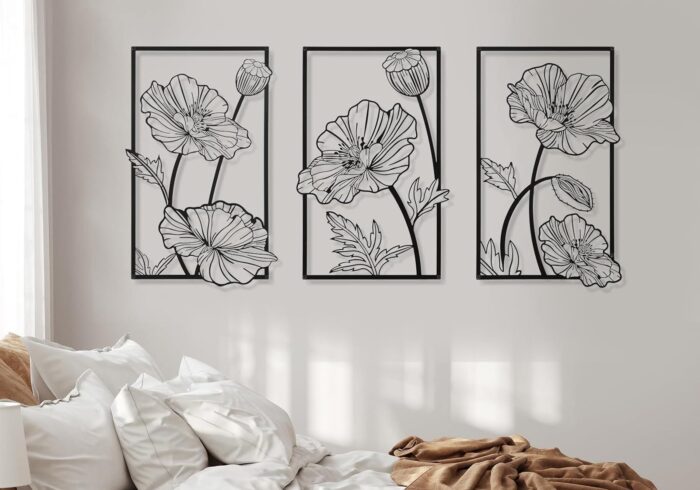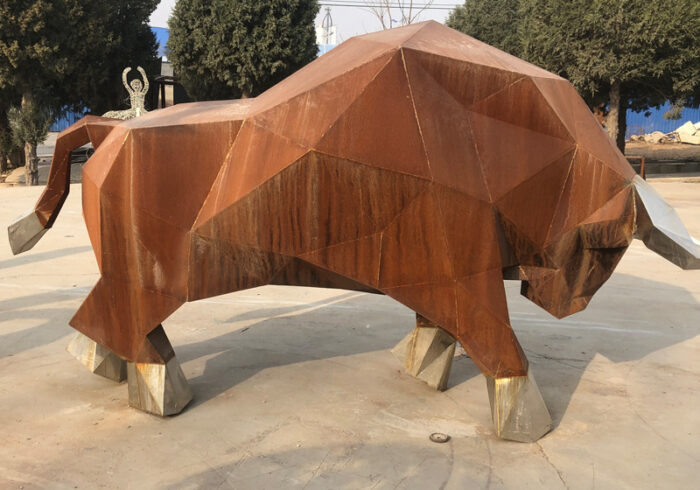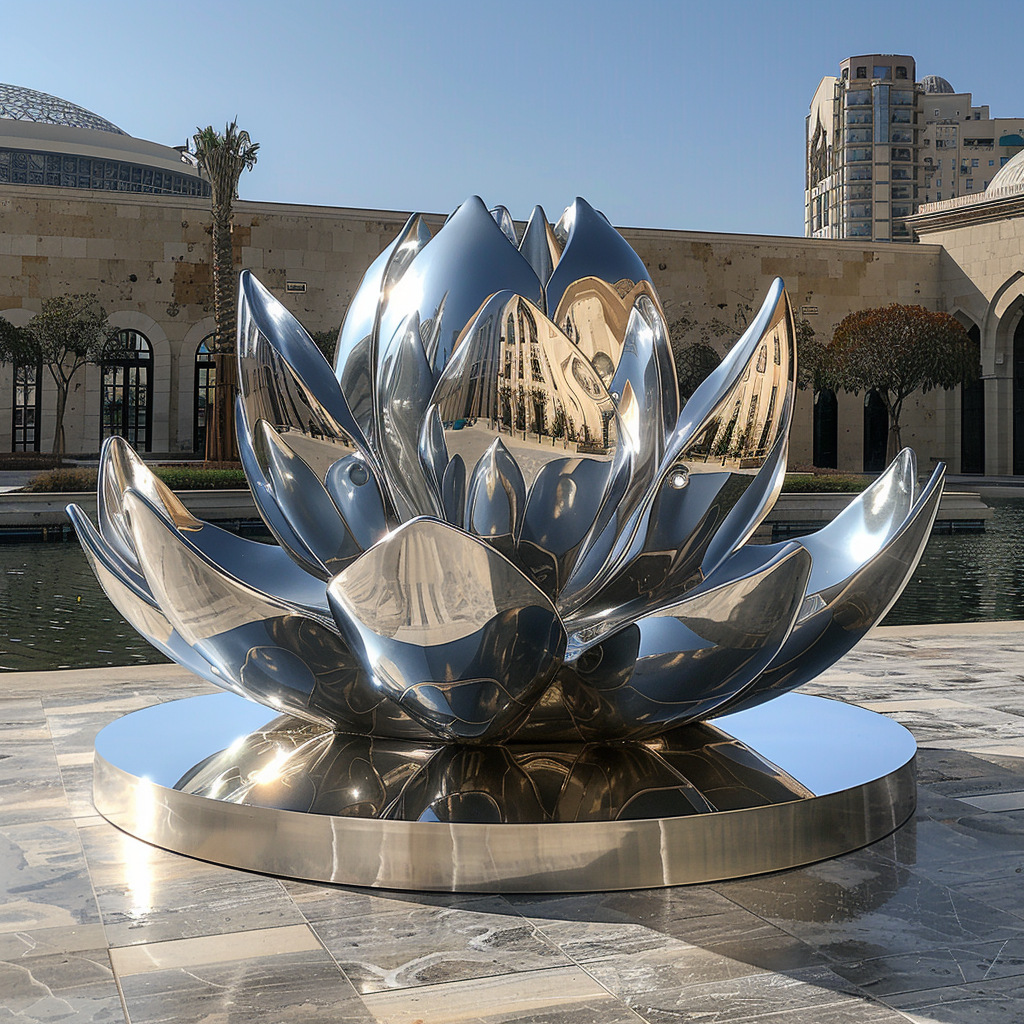
Metal flower sculptures have emerged as a captivating form of artistic expression, blending the beauty of nature with the durability of metal. These sculptures not only serve as decorative pieces but also evoke emotions and provoke thoughts about the relationship between art and the environment. In this article, we will explore the various aspects of metal flower sculptures, including their history, design techniques, and the impact they have on both public and private spaces.
Table of Contents
The History of Metal Flower Sculptures
Early Beginnings
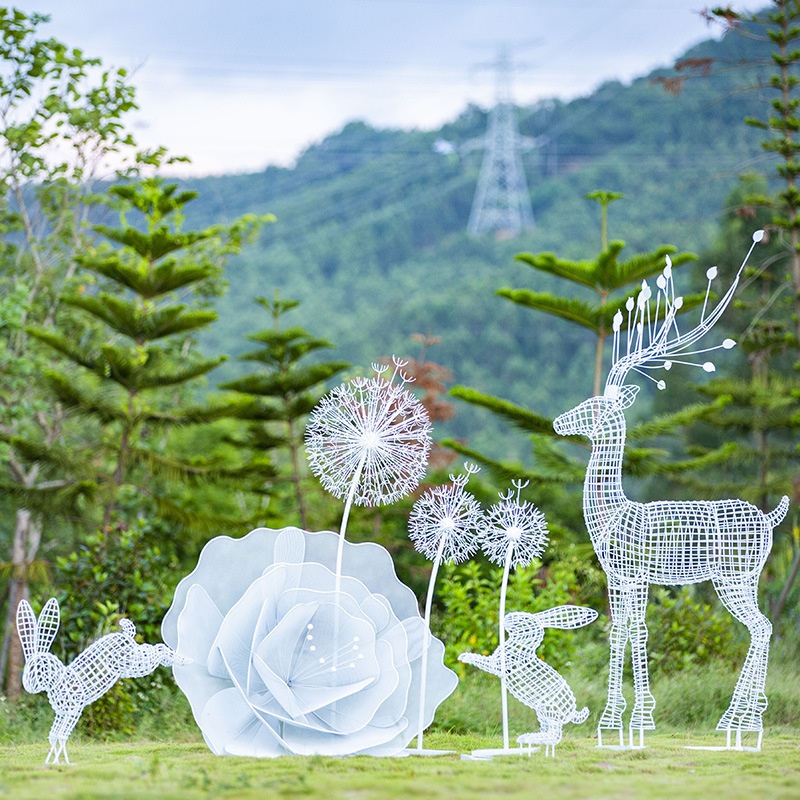
The use of metal in art dates back thousands of years, with ancient civilizations employing metals for both functional and decorative purposes. However, the specific genre of metal flower sculptures began to gain popularity in the 20th century. Artists started experimenting with various metals, such as steel, bronze, and aluminum, to create intricate designs that mimic the delicate forms of flowers. This experimentation was often influenced by the broader movements in art, such as modernism and abstract expressionism, which encouraged artists to break away from traditional forms and explore new materials and techniques.
Evolution Through the Decades
As industrialization progressed, artists began to incorporate discarded materials into their work, leading to the rise of recycled metal sculptures. This movement not only emphasized creativity but also highlighted environmental concerns, as artists sought to repurpose materials that would otherwise contribute to waste. Metal flower sculptures became a symbol of sustainability, showcasing how beauty can emerge from what is often considered trash. The 21st century has seen a resurgence in interest in eco-friendly art, with many artists focusing on the themes of nature and conservation, further solidifying the role of metal flower sculptures in contemporary art.
Design Techniques in Metal Flower Sculptures
Material Selection
The choice of material is crucial in the creation of metal flower sculptures. Artists often select metals based on their properties, such as malleability, durability, and resistance to corrosion. Common materials include:
- Steel: Known for its strength and versatility, steel can be shaped into intricate designs and is often used for larger sculptures. Its ability to withstand harsh weather conditions makes it a popular choice for outdoor installations.
- Aluminum: Lightweight and resistant to rust, aluminum is ideal for outdoor sculptures that need to withstand the elements. Its malleability allows for detailed designs, making it a favorite among artists.
- Bronze: This alloy is favored for its aesthetic appeal and longevity, often used in high-end sculptures. The natural patina that develops over time adds character and depth to the artwork.
Fabrication Techniques
The process of creating metal flower sculptures involves various fabrication techniques, including:
- Welding: This technique is essential for joining different metal pieces together, allowing artists to create complex structures. Skilled welders can manipulate metal to achieve seamless connections that enhance the overall design.
- Casting: Artists pour molten metal into molds to create detailed flower shapes, a method often used for bronze sculptures. This technique allows for intricate details that are difficult to achieve through other methods.
- Cutting and Shaping: Using tools like plasma cutters and grinders, artists can carve intricate designs into metal sheets, giving life to their floral creations. This process requires precision and an artistic eye to ensure that the final product reflects the intended design.
Finishing Touches
The final appearance of a metal flower sculpture is often enhanced through various finishing techniques. These may include:
- Painting: Artists may apply vibrant colors to their sculptures, using weather-resistant paints to ensure longevity. This not only adds visual interest but also allows for personalization, as artists can choose colors that resonate with their vision.
- Patina: This technique involves applying chemicals to the metal surface to create a unique, aged look, often seen in bronze sculptures. The patina process can transform the sculpture, giving it a sense of history and depth.
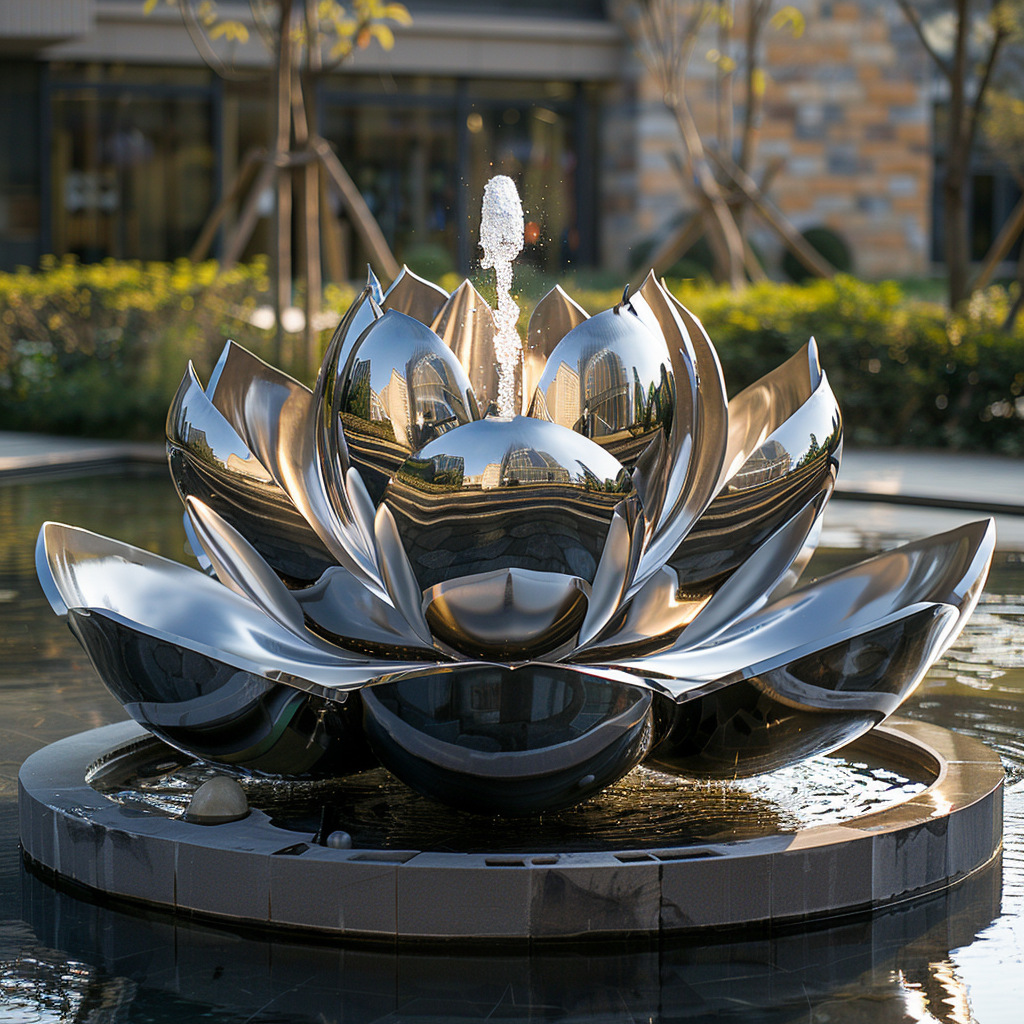
- Polishing: For a sleek, modern appearance, artists may polish the metal to a high shine, reflecting light and enhancing visual interest. This technique is particularly effective for sculptures intended for indoor display, where lighting can dramatically alter the perception of the piece.
The Impact of Metal Flower Sculptures
In Public Spaces
Metal flower sculptures have found their way into public art installations, parks, and gardens, where they serve as focal points that draw visitors. These sculptures often encourage interaction, inviting people to engage with art in a natural setting. Public installations can also foster community pride and beautify urban environments. For instance, large-scale metal flower sculptures can transform a dull park into a vibrant space, attracting families and art enthusiasts alike. Cities around the world have embraced public art initiatives, commissioning local artists to create metal sculptures that reflect the culture and identity of the community.
In Private Gardens
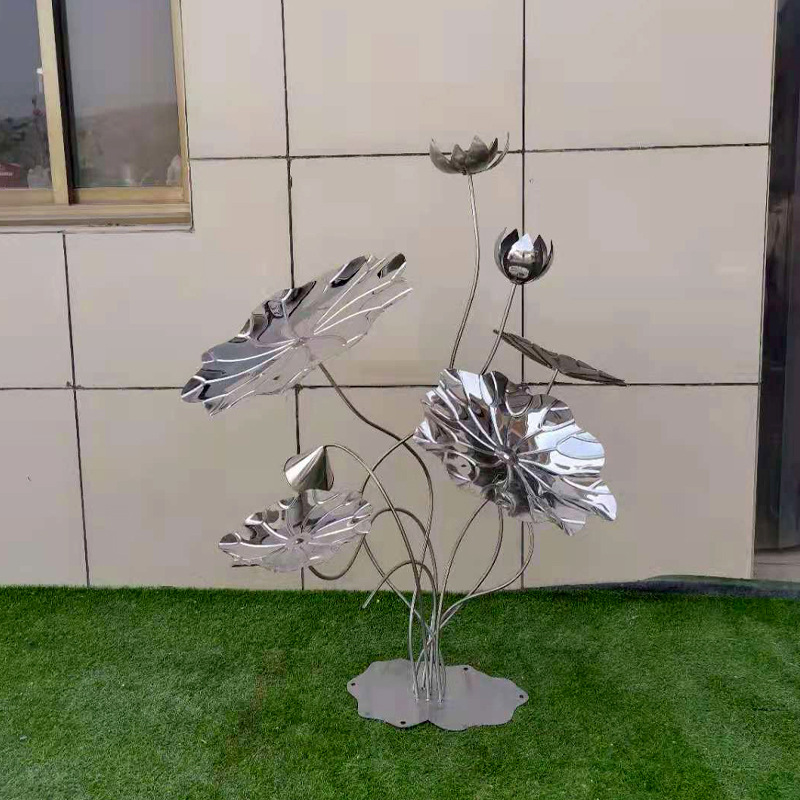
Homeowners increasingly incorporate metal flower sculptures into their gardens and outdoor spaces. These sculptures add a touch of elegance and whimsy, providing year-round beauty without the maintenance required by live plants. They can also serve as conversation starters, showcasing the homeowner’s taste and appreciation for art. Many artists offer custom designs, allowing homeowners to create unique pieces that reflect their personal style and the character of their garden. The versatility of metal flower sculptures means they can complement various garden themes, from modern minimalist designs to lush, traditional landscapes.
Symbolism and Emotional Resonance
Beyond their aesthetic appeal, metal flower sculptures often carry deeper meanings. Flowers are universally associated with beauty, growth, and transience, and when rendered in metal, they can symbolize resilience and permanence. Artists may use these sculptures to comment on environmental issues, the passage of time, or the interplay between nature and human intervention. For example, a sculpture depicting a flower breaking through concrete can symbolize hope and perseverance in the face of adversity. This symbolic depth adds layers of meaning to the artwork, inviting viewers to reflect on their own experiences and emotions.
Notable Artists and Their Works
Paul Hanis
Paul Hanis is renowned for his innovative approach to metal flower sculptures, often using recycled materials to create stunning pieces that reflect the beauty of nature. His work emphasizes sustainability and the importance of reusing materials, making a statement about environmental responsibility. Hanis’s sculptures often feature vibrant colors and intricate designs, drawing inspiration from the natural world. His ability to blend artistic vision with ecological consciousness has made him a prominent figure in the contemporary art scene.
Christ Centered Ironworks
This collective specializes in hand-forged metal sculptures, including intricate flower designs. Their work showcases the craftsmanship involved in creating metal art, with each piece telling a unique story through its design and execution. The artists at Christ Centered Ironworks often draw inspiration from biblical themes, infusing their sculptures with spiritual significance. Their attention to detail and commitment to quality craftsmanship have earned them a loyal following among art collectors and enthusiasts.
Local Artists
Many local artists contribute to the metal flower sculpture movement, often drawing inspiration from their surroundings. These artists may participate in community art projects, creating sculptures that reflect local flora and fauna, thus fostering a connection between the artwork and the environment. Local art fairs and exhibitions provide platforms for these artists to showcase their work, allowing them to reach a broader audience and gain recognition. This grassroots approach to art not only supports local economies but also enriches the cultural fabric of communities.
The Future of Metal Flower Sculptures
As technology advances, the future of metal flower sculptures looks promising. Innovations in fabrication techniques, such as 3D printing and laser cutting, are expanding the possibilities for artists. These technologies allow for greater precision and complexity in designs, enabling artists to push the boundaries of traditional sculpture. Additionally, the growing awareness of environmental issues is likely to inspire more artists to explore sustainable practices, further integrating the themes of nature and conservation into their work. The rise of digital art and virtual reality may also influence the way metal flower sculptures are conceptualized and experienced, opening new avenues for artistic expression.
The Role of Community in Art
Community involvement plays a crucial role in the success of metal flower sculptures, particularly in public spaces. Collaborative projects that engage local residents in the design and creation process can foster a sense of ownership and pride in the artwork. Workshops and educational programs can also introduce individuals to the techniques of metalworking, inspiring the next generation of artists. By creating opportunities for community engagement, artists can ensure that their work resonates with the people it is meant to serve.
Environmental Considerations
As the art world becomes increasingly aware of its environmental impact, many artists are adopting sustainable practices in their work. This includes sourcing materials locally, using recycled metals, and minimizing waste during the fabrication process. Metal flower sculptures can serve as powerful symbols of environmental stewardship, reminding viewers of the beauty of nature and the importance of preserving it. Artists who prioritize sustainability not only contribute to the art community but also advocate for a healthier planet.
The Intersection of Technology and Art
The integration of technology into the creation of metal flower sculptures is an exciting development. Artists are now able to use software to design intricate patterns and shapes, which can then be realized through advanced machinery. This intersection of technology and traditional craftsmanship allows for a new level of creativity and innovation. For instance, artists can create complex geometric patterns that would be nearly impossible to achieve by hand. This technological advancement not only enhances the artistic process but also opens up new possibilities for interactive sculptures that engage viewers in unique ways.
The Global Influence of Metal Flower Sculptures
Metal flower sculptures are not confined to any one culture or region; they have gained popularity worldwide. Artists from diverse backgrounds are interpreting the concept of metal flowers through their cultural lenses, resulting in a rich tapestry of styles and meanings. For example, in some cultures, flowers symbolize specific virtues or emotions, and artists may incorporate these meanings into their designs. This global influence enriches the art form, allowing for a dialogue between different cultures and artistic traditions.
The Economic Impact of Metal Flower Sculptures
The creation and sale of metal flower sculptures can have significant economic implications. Artists who produce these works contribute to the local economy by attracting tourists and art enthusiasts. Art installations in public spaces can increase foot traffic to nearby businesses, benefiting local shops and restaurants. Additionally, art fairs and exhibitions featuring metal sculptures provide platforms for artists to sell their work and gain exposure, fostering a vibrant arts community. The economic impact extends beyond the artists themselves, as the demand for metal sculptures can create jobs in fabrication, installation, and maintenance.
Educational Opportunities
Metal flower sculptures also present unique educational opportunities. Schools and community organizations can incorporate metalworking and sculpture-making into their curricula, teaching students valuable skills while fostering creativity. Workshops led by experienced artists can provide hands-on experience, allowing participants to explore their artistic potential. By engaging young people in the arts, communities can cultivate a new generation of artists who may continue the tradition of metal flower sculpture.
Conclusion
Metal flower sculptures represent a unique intersection of art, nature, and sustainability. They not only beautify spaces but also provoke thought about our relationship with the environment. As artists continue to innovate and experiment with materials and techniques, the allure of metal flower sculptures will undoubtedly grow, inspiring future generations to appreciate the beauty of art in all its forms. The ongoing dialogue between artists, communities, and the environment will shape the future of this captivating art form, ensuring that metal flower sculptures remain a vital part of our cultural landscape.
How to purchase:Online B2B sourcing platform, China purchase, Chinese suppliers – LooperBuy
Frequently Asked Questions
1. What materials are commonly used in metal flower sculptures?
Metal flower sculptures are typically made from materials such as steel, aluminum, and bronze, each chosen for its unique properties and aesthetic appeal.
2. How are metal flower sculptures created?
Artists use various techniques, including welding, casting, and cutting, to fabricate metal flower sculptures, often finishing them with paint or patina for added visual interest.
3. Where can I find metal flower sculptures for sale?
Metal flower sculptures can be found at art galleries, online marketplaces like eBay and Amazon, and through local artists or art fairs.
4. What is the significance of metal flower sculptures in public art?
In public spaces, metal flower sculptures serve as focal points that enhance the environment, encourage community engagement, and promote appreciation for art.
5. How do metal flower sculptures differ from traditional floral arrangements?
Unlike traditional floral arrangements, which are temporary and require maintenance, metal flower sculptures are permanent, low-maintenance art pieces that provide lasting beauty.
HOT TAG: metal flower sculptures, artistic expression, nature-inspired art, sustainable metal art, public art installations, decorative garden sculptures, eco-friendly design, contemporary metal artistry, innovative sculpture techniques, community art projects, environmental awareness, artistic craftsmanship, unique garden decor, cultural influences in art, metalworking techniques, vibrant outdoor art, artistic sustainability, creative metal designs, interactive sculptures, global art movements, educational art programs, artistic innovation, metal art trends, artistic collaboration, nature and art fusion.