Table of Contents
Understanding Anti Drop Shipping
In recent years, the e-commerce landscape has evolved dramatically, with drop shipping emerging as a popular business model. However, as the market becomes saturated, a new trend known as “anti drop shipping” has gained traction. This article delves into the concept of anti drop shipping, exploring its implications, benefits, and strategies for success.
What is Anti Drop Shipping?
Anti drop shipping refers to a business approach that counters the traditional drop shipping model. While drop shipping allows retailers to sell products without holding inventory, anti drop shipping emphasizes the importance of maintaining control over inventory and ensuring product quality. This model seeks to address the challenges associated with drop shipping, such as long shipping times, poor product quality, and lack of brand identity.
The Need for Anti Drop Shipping
The rise of anti drop shipping can be attributed to several factors:
- Consumer Expectations: Today’s consumers demand fast shipping and high-quality products. Drop shipping often leads to delays and inconsistencies, prompting businesses to seek alternatives.
- Brand Loyalty: As consumers become more discerning, they prefer brands that offer unique products and reliable service. Anti drop shipping allows businesses to build a strong brand identity by curating their product offerings.
- Market Saturation: The drop shipping market is becoming increasingly competitive, making it difficult for new entrants to succeed. Anti drop shipping provides a way for businesses to differentiate themselves.
Benefits of Anti Drop Shipping
Adopting an anti drop shipping model offers several advantages for e-commerce businesses:
Enhanced Product Quality
By maintaining control over inventory, businesses can ensure that the products they sell meet high-quality standards. This not only reduces the risk of returns but also enhances customer satisfaction. When customers receive products that meet or exceed their expectations, they are more likely to leave positive reviews and recommend the brand to others.
Faster Shipping Times
With inventory on hand, businesses can fulfill orders more quickly, meeting consumer expectations for fast delivery. This can lead to increased customer loyalty and repeat purchases. In an age where consumers are accustomed to same-day or next-day delivery, having products readily available can be a significant competitive advantage.
Improved Brand Identity
Anti drop shipping allows businesses to curate their product offerings, creating a unique brand identity. This differentiation can help attract a loyal customer base and increase market share. By focusing on a specific niche or product category, businesses can position themselves as experts in that area, further enhancing their brand reputation.
Greater Profit Margins
By sourcing products directly from manufacturers or wholesalers, businesses can negotiate better pricing and improve their profit margins. This is often more challenging in the drop shipping model, where retailers rely on third-party suppliers. With anti drop shipping, businesses can also implement pricing strategies that reflect the value of their curated offerings, allowing for higher profit margins.
Strategies for Implementing Anti Drop Shipping
To successfully implement an anti drop shipping model, businesses should consider the following strategies:
1. Build Strong Supplier Relationships
Establishing solid relationships with suppliers is crucial for ensuring product quality and reliability. Businesses should seek out manufacturers who align with their brand values and can provide consistent quality. Regular communication and collaboration with suppliers can lead to better pricing, exclusive products, and improved service levels.
2. Focus on Niche Markets
Identifying and targeting niche markets can help businesses stand out in a crowded e-commerce landscape. By offering unique products that cater to specific consumer needs, businesses can attract a dedicated customer base. Niche markets often have less competition, allowing businesses to establish themselves as leaders in that space.
3. Invest in Inventory Management
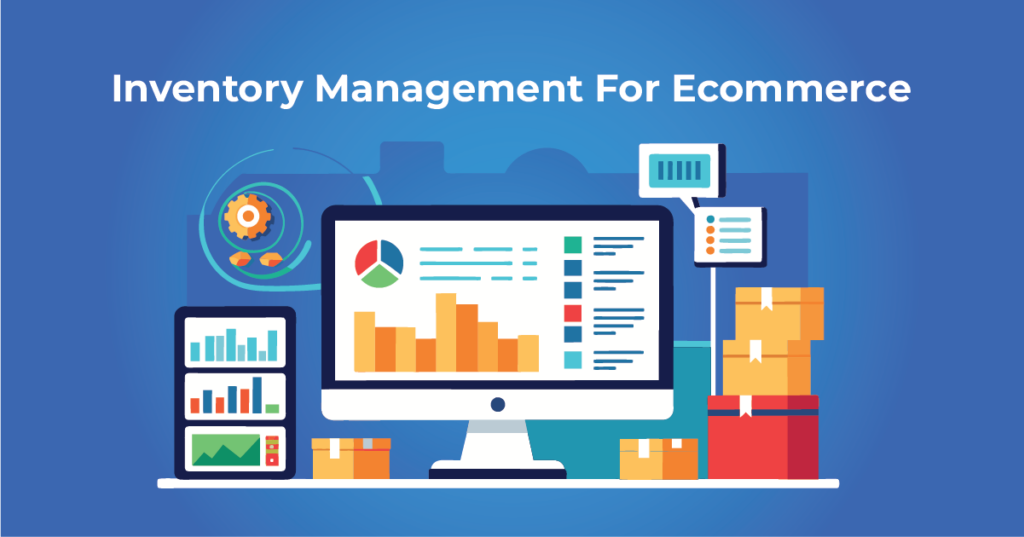
Effective inventory management is essential for the success of an anti drop shipping model. Businesses should invest in inventory management software to track stock levels, manage orders, and forecast demand. This technology can help prevent stockouts and overstock situations, ensuring that businesses can meet customer demand without incurring unnecessary costs.
4. Enhance Customer Experience
Providing an exceptional customer experience is key to building brand loyalty. Businesses should focus on improving their website usability, offering excellent customer service, and ensuring timely order fulfillment. Personalizing the shopping experience, such as through targeted marketing and tailored product recommendations, can also enhance customer satisfaction.
5. Leverage Digital Marketing
Utilizing digital marketing strategies can help businesses reach their target audience and drive traffic to their online store. This includes search engine optimization (SEO), social media marketing, and email marketing. By creating engaging content and utilizing data analytics, businesses can refine their marketing efforts and improve conversion rates.
Challenges of Anti Drop Shipping
While anti drop shipping offers numerous benefits, it also presents challenges that businesses must navigate:
Inventory Management Complexity
Managing inventory can be complex, especially for businesses with a wide range of products. Companies must invest in systems and processes to ensure efficient inventory management. This includes tracking inventory levels, managing supplier relationships, and forecasting demand accurately.
Higher Upfront Costs
Unlike drop shipping, which requires minimal upfront investment, anti drop shipping often involves purchasing inventory in bulk. This can strain cash flow, particularly for new businesses. To mitigate this risk, businesses should carefully analyze their financial situation and consider financing options if necessary.
Risk of Unsold Inventory
Businesses must be cautious about overstocking products, as unsold inventory can lead to financial losses. Implementing effective demand forecasting can help mitigate this risk. Additionally, businesses can consider strategies such as offering discounts on slow-moving items or bundling products to encourage sales.
The Future of Anti Drop Shipping
As the e-commerce landscape continues to evolve, the anti drop shipping model is likely to gain further traction. Businesses that prioritize quality, speed, and customer experience will be well-positioned to succeed. The following trends may shape the future of anti drop shipping:
Increased Focus on Sustainability
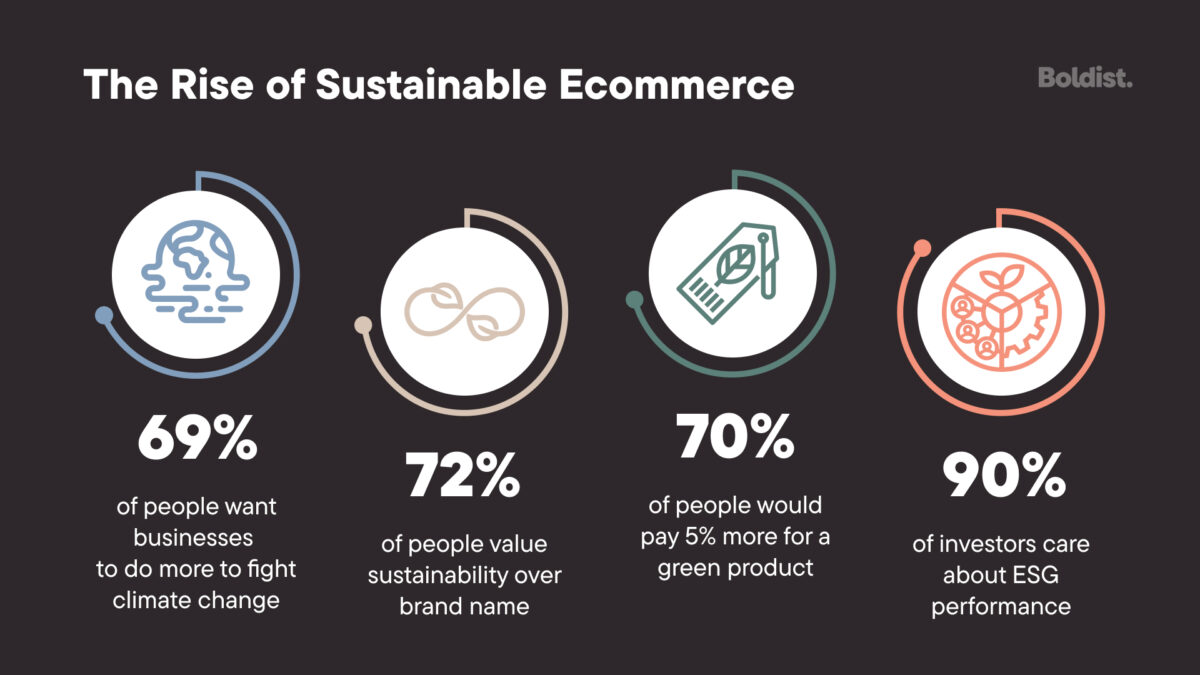
Consumers are becoming more environmentally conscious, leading to a demand for sustainable products and practices. Businesses that adopt eco-friendly practices, such as sourcing from sustainable suppliers or using environmentally friendly packaging, can attract a growing segment of conscious consumers.
Technological Advancements
Advancements in technology, such as artificial intelligence and machine learning, will continue to transform inventory management and customer experience. Businesses that leverage these technologies can improve efficiency, enhance personalization, and better predict consumer behavior.
Global Market Expansion
As e-commerce continues to grow globally, businesses will have opportunities to expand their reach beyond local markets. Anti drop shipping allows businesses to establish a presence in international markets by sourcing products from local suppliers and catering to regional preferences.
Emphasis on Customer Engagement
Building strong relationships with customers will become increasingly important. Businesses that engage with their customers through social media, personalized marketing, and loyalty programs will foster brand loyalty and encourage repeat purchases.
Expanding the Anti Drop Shipping Model
To further enhance the anti drop shipping model, businesses can explore additional strategies and practices that align with their goals and market demands.
1. Diversifying Product Offerings
Expanding product lines can help businesses cater to a broader audience and reduce dependency on a single product category. By diversifying offerings, businesses can mitigate risks associated with market fluctuations and changing consumer preferences. This approach also allows for cross-selling opportunities, where customers may purchase multiple items from different categories.
2. Utilizing Data Analytics
Data analytics can provide valuable insights into consumer behavior, preferences, and trends. By analyzing sales data, customer feedback, and market research, businesses can make informed decisions about product selection, pricing strategies, and marketing campaigns. This data-driven approach can enhance overall business performance and customer satisfaction.
3. Implementing Subscription Models
Subscription models can create a steady revenue stream and foster customer loyalty. By offering subscription services for curated products, businesses can provide convenience and value to customers. This model encourages repeat purchases and allows businesses to build long-term relationships with their customers.
4. Enhancing Online Presence
A strong online presence is crucial for attracting and retaining customers. Businesses should invest in a user-friendly website, optimize for mobile devices, and utilize social media platforms to engage with their audience. Creating high-quality content, such as blogs and videos, can also help establish authority in the niche and drive organic traffic.
5. Fostering Community Engagement
Building a community around the brand can enhance customer loyalty and engagement. Businesses can create forums, social media groups, or loyalty programs that encourage customers to connect with each other and the brand. This sense of community can lead to increased customer retention and word-of-mouth marketing.
Conclusion
Anti drop shipping represents a significant shift in the e-commerce landscape, offering businesses a way to address the challenges associated with traditional drop shipping. By focusing on product quality, customer experience, and brand identity, businesses can thrive in a competitive market. As consumer expectations continue to evolve, adopting an anti drop shipping model may be the key to long-term success in the e-commerce industry.
As you explore the benefits of anti drop shipping and seek to elevate your e-commerce business, consider discovering unique, high-quality products that can enhance your brand identity and customer satisfaction at Looperbuy. Shop now at Looperbuy!
Article Summary: This article explores the concept of anti drop shipping, a business model that counters traditional drop shipping by emphasizing inventory control and product quality. It discusses the benefits of this approach, including enhanced product quality, faster shipping times, and improved brand identity. Strategies for successful implementation and potential challenges are also examined, highlighting the importance of adapting to changing consumer expectations in the e-commerce landscape. The future of anti drop shipping is also considered, with a focus on sustainability, technological advancements, global market expansion, and customer engagement.
Hot Tags: Anti Drop Shipping; E-commerce Strategies; Inventory Management; Brand Identity; Consumer Expectations; Niche Markets; Digital Marketing; Supplier Relationships; Customer Experience; Profit Margins; Fast Shipping; Product Quality; Market Saturation; Online Retail; Business Model; E-commerce Trends; Retail Challenges; Demand Forecasting; Bulk Purchasing; Cash Flow Management; Unique Products; Customer Loyalty; Order Fulfillment; Website Usability; Social Media Marketing; SEO Strategies; Email Marketing; Financial Losses; Unsold Inventory; E-commerce Success; Sustainable Practices; Technological Advancements; Global Expansion; Community Engagement; Subscription Models; Data Analytics; Diversifying Product Offerings
Related Questions & Answers
· What are the best inventory management software options for anti-drop shipping?
Some of the best inventory management software options include TradeGecko, Skubana, and Cin7, which offer features tailored for e-commerce businesses to manage stock levels, orders, and supplier relationships effectively.
· How can I find reliable suppliers for anti-drop shipping products?
To find reliable suppliers, consider attending trade shows, using platforms like Alibaba or ThomasNet, and seeking recommendations from industry peers. It’s essential to vet suppliers by checking reviews, requesting samples, and establishing clear communication.
· What are some successful niche market examples for anti-drop shipping businesses?
Successful niche markets for anti drop shipping include eco-friendly products, pet supplies, health and wellness items, and specialty foods. These niches often have dedicated customer bases and less competition, making them ideal for anti drop shipping strategies.