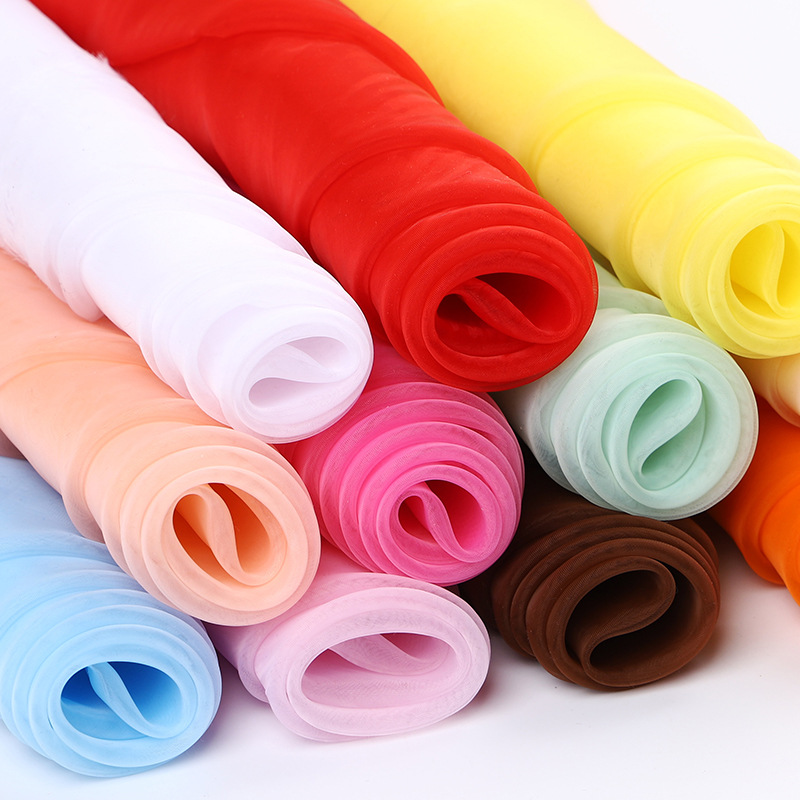
The home textiles industry is a vibrant and dynamic sector that encompasses a wide range of products, from curtains and bed linens to upholstery and decorative fabrics. As the demand for high-quality home textiles continues to grow, sourcing the right fabrics has become increasingly important for manufacturers, retailers, and designers alike. The Home Textiles Fabric Sourcing Expo serves as a pivotal event in this industry, bringing together key players to explore the latest trends, innovations, and sourcing opportunities. This article delves into the significance of the expo, the trends shaping the industry, and effective strategies for sourcing fabrics.
Table of Contents
Understanding the Home Textiles Fabric Sourcing Expo
The Home Textiles Fabric Sourcing Expo is an annual event that showcases a diverse array of fabric suppliers, manufacturers, and designers. It provides a platform for industry professionals to connect, collaborate, and discover new products. The expo typically features a wide range of exhibitors, including textile manufacturers, fabric suppliers, and design studios, all eager to showcase their latest offerings.
The Importance of the Expo
The expo plays a crucial role in the home textiles industry for several reasons:
- Networking Opportunities: The event brings together industry professionals from around the world, allowing for valuable networking opportunities. Attendees can meet potential suppliers, partners, and clients, fostering relationships that can lead to future collaborations.
- Trend Insights: The expo serves as a hub for discovering the latest trends in home textiles. Exhibitors often showcase innovative designs, sustainable materials, and cutting-edge technologies, providing attendees with insights into what is currently popular in the market.
- Sourcing Solutions: For manufacturers and retailers, the expo is an essential sourcing platform. It allows them to explore a wide variety of fabrics and materials, compare prices, and negotiate deals directly with suppliers.
- Educational Seminars: Many expos include seminars and workshops led by industry experts. These sessions cover a range of topics, from sustainable sourcing practices to the latest design trends, providing attendees with valuable knowledge to enhance their business strategies.
Key Trends in Home Textiles
As the home textiles industry evolves, several key trends are shaping the market. Understanding these trends is essential for anyone involved in fabric sourcing.
Sustainability and Eco-Friendly Materials
One of the most significant trends in the home textiles industry is the growing emphasis on sustainability. Consumers are increasingly seeking eco-friendly products, prompting manufacturers to adopt sustainable practices. This includes using organic materials, reducing waste, and implementing environmentally friendly production processes.
Innovations in Sustainable Fabrics
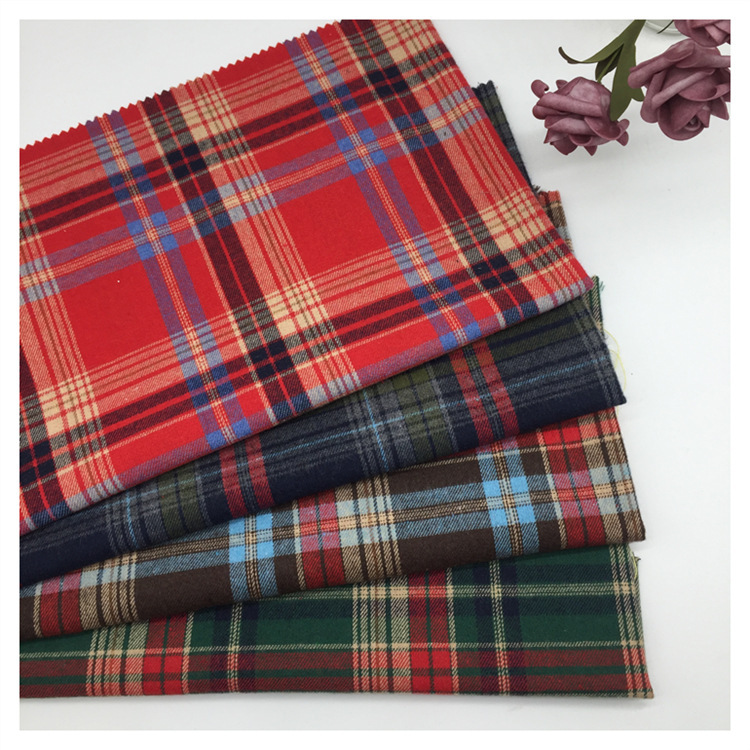
Innovations in sustainable fabrics are emerging rapidly. For instance, many companies are now producing textiles from recycled materials, such as plastic bottles and discarded fabrics. Additionally, natural fibers like organic cotton, linen, and hemp are gaining popularity due to their minimal environmental impact. These materials not only reduce the carbon footprint of textile production but also appeal to environmentally conscious consumers.
Certifications and Standards
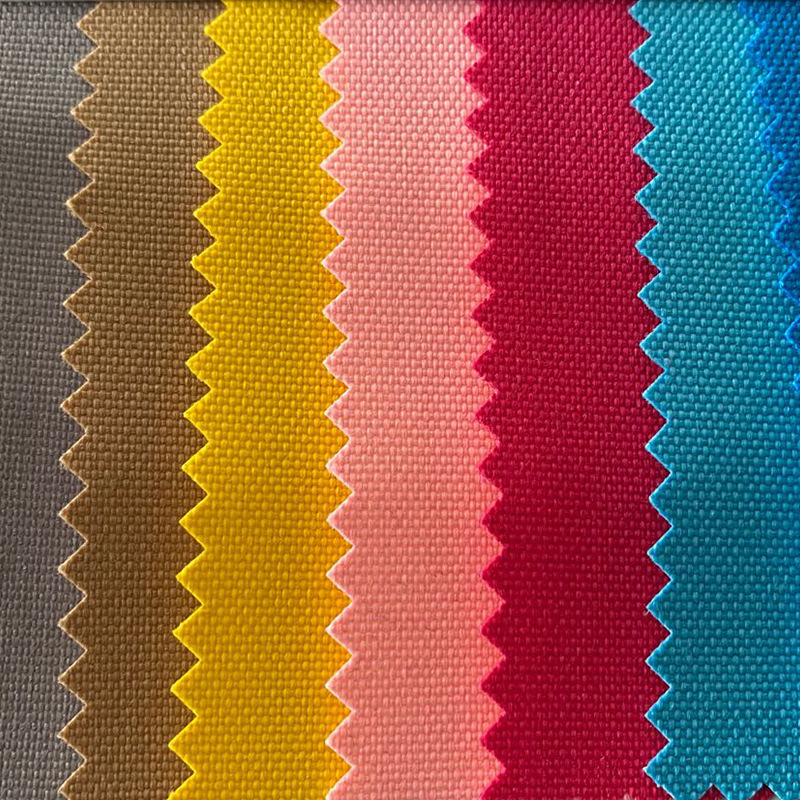
To ensure the sustainability of their products, many manufacturers are seeking certifications such as Global Organic Textile Standard (GOTS) and OEKO-TEX. These certifications provide assurance to consumers that the textiles they purchase are produced in an environmentally friendly manner and free from harmful substances. As awareness of sustainability grows, consumers are more likely to choose products that carry these certifications.
Technological Advancements
Technology is playing a pivotal role in the home textiles industry, particularly in fabric production and design. Advances in digital printing, for example, allow for intricate designs and patterns to be printed directly onto fabrics, reducing waste and production time.
Smart Textiles
The rise of smart textiles is another exciting development. These fabrics incorporate technology that allows them to respond to environmental stimuli, such as temperature or moisture. This innovation opens up new possibilities for functional home textiles, such as temperature-regulating bedding or moisture-wicking curtains. Smart textiles can enhance comfort and convenience in everyday life, making them increasingly popular among consumers.
Automation and Efficiency
Automation in textile manufacturing is also transforming the industry. Automated cutting machines, sewing robots, and inventory management systems are streamlining production processes, reducing labor costs, and increasing efficiency. This technological shift allows manufacturers to respond more quickly to market demands and produce high-quality textiles at a lower cost.
Customization and Personalization
Consumers are increasingly looking for personalized products that reflect their individual style. This trend has led to a rise in customization options for home textiles. Manufacturers are now offering services that allow customers to choose colors, patterns, and even fabric types to create unique products.
The Role of E-Commerce
The growth of e-commerce has also facilitated the demand for customized home textiles. Online platforms enable consumers to easily design and order personalized products from the comfort of their homes, further driving this trend. Many companies are investing in user-friendly online design tools that allow customers to visualize their customizations before making a purchase.
The Influence of Globalization
Globalization has significantly impacted the home textiles industry, leading to increased competition and a broader range of sourcing options. Manufacturers can now source fabrics from various countries, taking advantage of different production capabilities and cost structures. This globalization allows for a diverse selection of textiles, catering to various consumer preferences and market demands.
Challenges of Global Sourcing
While globalization offers numerous benefits, it also presents challenges. Issues such as fluctuating exchange rates, trade tariffs, and varying labor standards can complicate the sourcing process. Manufacturers must navigate these challenges carefully to ensure they maintain quality and ethical standards while remaining competitive in the market.
Effective Strategies for Sourcing Fabrics
Sourcing the right fabrics is crucial for success in the home textiles industry. Here are some effective strategies to consider:
Research and Identify Suppliers
Before attending the Home Textiles Fabric Sourcing Expo, it is essential to conduct thorough research on potential suppliers. Identify companies that align with your brand values and product requirements. Create a list of exhibitors you want to meet and prepare questions to ask during the expo.
Utilizing Online Resources
In addition to attending the expo, utilize online resources to identify potential suppliers. Websites like Alibaba, ThomasNet, and Maker’s Row can help you find manufacturers and suppliers that meet your specific needs. Reading reviews and testimonials can also provide insights into the reliability and quality of potential partners.
Evaluate Quality and Pricing
When sourcing fabrics, quality and pricing are paramount. Take the time to evaluate samples from different suppliers to ensure they meet your standards. Additionally, compare pricing to find the best value for your budget. Don’t hesitate to negotiate terms and conditions to secure favorable deals.
Understanding Fabric Specifications
Understanding fabric specifications is crucial for making informed sourcing decisions. Familiarize yourself with different fabric types, weaves, and finishes to ensure you select materials that meet your product requirements. Knowledge of fabric characteristics, such as durability, breathability, and care instructions, will help you choose the right textiles for your target market.
Build Relationships
Building strong relationships with suppliers can lead to long-term partnerships. Take the time to connect with representatives at the expo, and follow up after the event to maintain communication. A good relationship can lead to better pricing, exclusive offers, and priority access to new products.
Communication and Transparency
Effective communication is key to building strong supplier relationships. Be transparent about your needs, expectations, and any challenges you may face. Regular check-ins and updates can help maintain a positive working relationship and ensure that both parties are aligned on goals and objectives.
Stay Informed on Industry Trends
Keeping up with industry trends is essential for successful fabric sourcing. Attend seminars and workshops at the expo to gain insights into emerging trends and technologies. Subscribe to industry publications and follow relevant online platforms to stay informed about the latest developments.
Networking with Industry Experts
Networking with industry experts can provide valuable insights into market trends and best practices. Engage with speakers and panelists at the expo, and participate in discussions to gain a deeper understanding of the challenges and opportunities facing the home textiles industry.
Leverage Technology
Utilizing technology can streamline the sourcing process. Consider using digital tools to manage supplier information, track orders, and analyze pricing trends. Many companies now offer online platforms that facilitate fabric sourcing, making it easier to connect with suppliers and place orders.
Implementing Supply Chain Management Software
Investing in supply chain management software can enhance your sourcing efficiency. These tools can help you track inventory levels, manage supplier relationships, and analyze purchasing data. By leveraging technology, you can make more informed decisions and optimize your sourcing strategy.
Conclusion
The Home Textiles Fabric Sourcing Expo is a vital event for anyone involved in the home textiles industry. By understanding the significance of the expo, staying informed about industry trends, and implementing effective sourcing strategies, professionals can enhance their business operations and meet the growing demand for high-quality home textiles. As the industry continues to evolve, embracing sustainability, technology, and customization will be key to success.
How to purchase:Online B2B sourcing platform, China purchase, Chinese suppliers – LooperBuy
This article explores the significance of the Home Textiles Fabric Sourcing Expo, highlighting its role in networking, trend insights, and sourcing solutions. It discusses key trends in the home textiles industry, including sustainability, technological advancements, and customization. Effective strategies for sourcing fabrics are also provided, emphasizing the importance of research, quality evaluation, relationship building, and leveraging technology.
Hot Tags: Home Textiles; Fabric Sourcing; Textile Expo; Sustainable Fabrics; Custom Textiles; Smart Textiles; E-Commerce; Textile Trends; Fabric Suppliers; Home Decor; Interior Design; Eco-Friendly Fabrics; Digital Printing; Textile Innovations; Organic Materials; Upholstery Fabrics; Curtain Fabrics; Bedding Fabrics; Textile Manufacturing; Fabric Quality; Sourcing Strategies; Industry Networking; Trade Shows; Fabric Samples; Textile Design; Home Furnishings; Textile Industry; Fabric Market; Textile Technology; Home Textiles Expo
Related Questions & Answers
· What is the Home Textiles Fabric Sourcing Expo?
The Home Textiles Fabric Sourcing Expo is an annual event that showcases fabric suppliers and manufacturers, providing networking opportunities and insights into industry trends.
· Why is sustainability important in the home textiles industry?
Sustainability is crucial as consumers increasingly demand eco-friendly products, prompting manufacturers to adopt sustainable practices and materials.
· How can I effectively source fabrics for my business?
Effective sourcing involves researching suppliers, evaluating quality and pricing, building relationships, staying informed on trends, and leveraging technology.
· What are some current trends in home textiles?
Current trends include sustainability, technological advancements like smart textiles, and the demand for customization and personalization in products.
· How does e-commerce impact the home textiles market?
E-commerce facilitates the demand for customized home textiles, allowing consumers to design and order personalized products easily online.