Table of Contents
Introduction to Drop Shipping and Profit Margins
Drop shipping has emerged as a popular business model for entrepreneurs looking to enter the e-commerce space with minimal upfront investment. This model allows retailers to sell products without holding inventory, as they rely on third-party suppliers to fulfill orders. However, one of the critical aspects of running a successful drop shipping business is understanding profit margins. In this article, we will explore the average profit margin in drop shipping, factors affecting it, and strategies to optimize profitability.
What is Average Profit Margin in Drop Shipping?
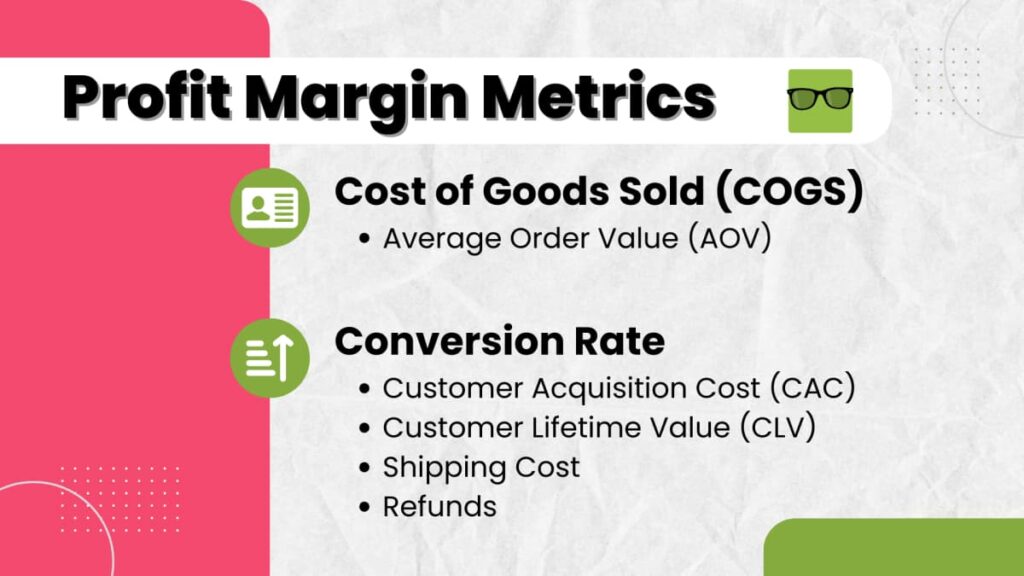
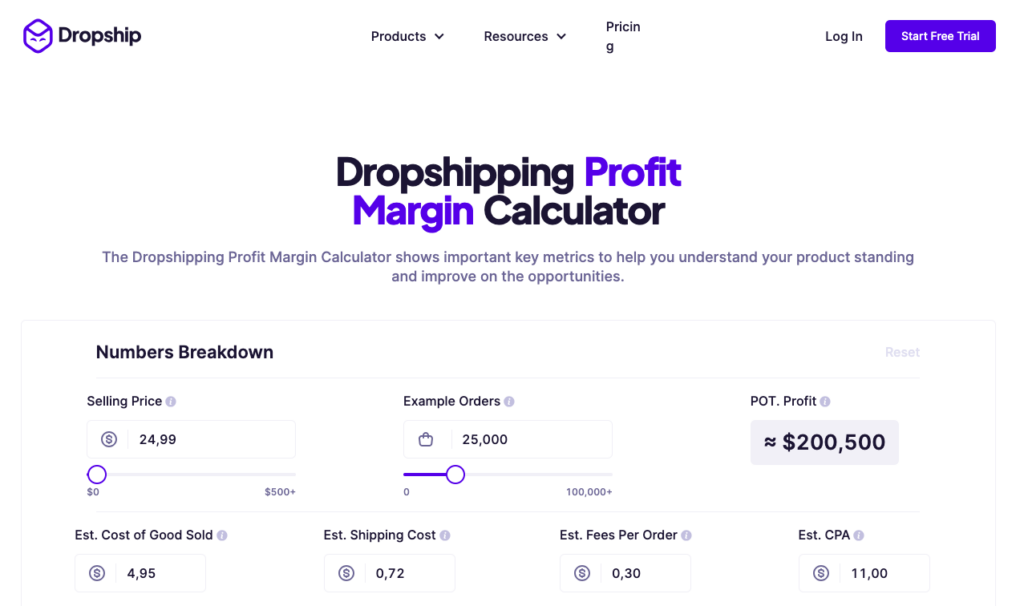
The average profit margin in drop shipping refers to the percentage of revenue that remains after all costs associated with selling a product are deducted. This includes the cost of goods sold (COGS), shipping fees, transaction fees, and any other operational expenses. Understanding this metric is crucial for drop shippers as it directly impacts their overall profitability.
Factors Influencing Profit Margins
Several factors can influence the average profit margin in drop shipping:
- Product Selection: The type of products you choose to sell can significantly affect your profit margins. High-demand, low-competition products often yield better margins.
- Supplier Relationships: Establishing strong relationships with suppliers can lead to better pricing, which in turn can improve profit margins.
- Market Competition: The level of competition in your niche can drive prices down, affecting your profit margins. It’s essential to find a balance between competitive pricing and maintaining healthy margins.
- Shipping Costs: Shipping fees can eat into your profits. Offering free shipping can attract customers but may require you to adjust your pricing strategy to maintain margins.
- Marketing Expenses: The cost of acquiring customers through marketing efforts can also impact profit margins. Effective marketing strategies that yield high conversion rates can help offset these costs.
Average Profit Margins in Drop Shipping: A Closer Look
Typical Profit Margin Ranges
In the drop shipping industry, profit margins typically range from 10% to 30%. However, this can vary widely based on the factors mentioned earlier. For instance, niche products with less competition may allow for higher margins, while highly competitive markets may force sellers to lower their prices, resulting in slimmer margins.
Case Studies of Successful Drop Shippers
To illustrate the impact of profit margins, let’s look at a few case studies of successful drop shippers:
Case Study 1: Niche Electronics Store
A drop shipper specializing in niche electronics managed to achieve a profit margin of 25%. By focusing on high-demand products and negotiating favorable terms with suppliers, they were able to maintain competitive pricing while ensuring profitability.
Case Study 2: Fashion Retailer
A fashion retailer using the drop shipping model found that their average profit margin was around 15%. They focused on trendy items and leveraged social media marketing to drive traffic, which helped them maintain a steady flow of sales despite lower margins.
Case Study 3: Home Decor Business
Another successful drop shipper operated in the home decor niche, achieving a profit margin of 20%. By curating a unique selection of products and utilizing influencer marketing, they were able to differentiate themselves from competitors and attract a loyal customer base.
Case Study 4: Health and Wellness Products
A drop shipper focusing on health and wellness products found that their profit margins varied significantly based on the product category. Supplements had a higher margin of around 30%, while fitness equipment had a lower margin of about 15%. This variability highlighted the importance of product selection in determining overall profitability.
Strategies to Improve Profit Margins in Drop Shipping
Optimize Product Selection
Choosing the right products is crucial for maximizing profit margins. Conduct thorough market research to identify trending products with high demand and low competition. Tools like Google Trends and keyword research can help you find profitable niches. Additionally, consider the following strategies:
- Use Data Analytics: Leverage data analytics tools to track sales trends and customer preferences. This information can guide your product selection and help you identify which items are likely to yield higher margins.
- Test New Products: Regularly test new products in your store to see how they perform. A/B testing can help you determine which products resonate with your audience and contribute to higher profit margins.
Build Strong Supplier Relationships
Developing strong relationships with suppliers can lead to better pricing and terms. Negotiate for bulk discounts or exclusive deals that can enhance your profit margins. Regular communication with suppliers can also help you stay informed about new products and pricing changes. Here are some tips for building effective supplier relationships:
- Communicate Clearly: Establish clear lines of communication with your suppliers. Regular check-ins can help you stay updated on inventory levels, pricing changes, and new product launches.
- Be Transparent: Share your business goals and challenges with your suppliers. A transparent relationship can foster trust and lead to better collaboration.
- Evaluate Supplier Performance: Regularly assess your suppliers’ performance in terms of product quality, shipping times, and customer service. This evaluation can help you make informed decisions about which suppliers to continue working with.
Implement Effective Marketing Strategies
Investing in effective marketing strategies can help you acquire customers at a lower cost. Utilize social media advertising, search engine optimization (SEO), and email marketing to reach your target audience. A well-executed marketing campaign can significantly improve your conversion rates and, consequently, your profit margins. Consider the following marketing strategies:
- Content Marketing: Create valuable content that resonates with your target audience. Blog posts, videos, and infographics can help establish your brand as an authority in your niche and drive organic traffic to your store.
- Social Media Engagement: Actively engage with your audience on social media platforms. Respond to comments, share user-generated content, and run contests to build a community around your brand.
- Email Campaigns: Develop targeted email campaigns to nurture leads and encourage repeat purchases. Personalized emails can significantly improve customer engagement and drive sales.
Monitor and Adjust Pricing
Regularly review your pricing strategy to ensure it aligns with market trends and competition. Use dynamic pricing strategies to adjust prices based on demand and competitor pricing. This flexibility can help you maintain healthy profit margins. Here are some pricing strategies to consider:
- Psychological Pricing: Use pricing strategies that appeal to customers’ emotions. For example, pricing an item at $19.99 instead of $20 can make it seem more attractive.
- Bundle Products: Consider offering product bundles at a discounted rate. This strategy can increase the average order value and improve overall profit margins.
- Seasonal Pricing: Adjust your pricing based on seasonal trends. For example, offering discounts during holidays can attract more customers and boost sales.
Reduce Operational Costs
Look for ways to streamline your operations and reduce costs. This could involve automating certain processes, using cost-effective shipping solutions, or leveraging technology to improve efficiency. Lower operational costs can directly enhance your profit margins. Here are some strategies to reduce costs:
- Automate Processes: Use automation tools to streamline order processing, inventory management, and customer service. Automation can save time and reduce the likelihood of errors.
- Negotiate Shipping Rates: Work with shipping carriers to negotiate better rates. Many carriers offer discounts for businesses that ship a high volume of packages.
- Outsource Non-Core Functions: Consider outsourcing tasks such as customer service or fulfillment to third-party providers. This can free up your time to focus on core business activities.
Common Mistakes That Lower Profit Margins
Understanding common pitfalls can help you avoid mistakes that negatively impact your profit margins. Here are some frequent errors drop shippers make:
- Ignoring Shipping Costs: Failing to account for shipping costs in your pricing strategy can lead to unexpected losses. Always factor in shipping when calculating your profit margins.
- Overlooking Customer Service: Poor customer service can lead to returns and negative reviews, which can harm your reputation and sales. Invest in customer service training and tools to ensure a positive experience for your customers.
- Neglecting Market Research: Not conducting thorough market research can result in poor product selection. Always stay informed about market trends and customer preferences to make data-driven decisions.
- Underestimating Marketing Costs: Many drop shippers underestimate the costs associated with marketing. Ensure you allocate a sufficient budget for marketing efforts to attract and retain customers.
Conclusion
Understanding the average profit margin in drop shipping is essential for anyone looking to succeed in this business model. By focusing on product selection, building strong supplier relationships, implementing effective marketing strategies, and continuously monitoring and adjusting pricing, drop shippers can optimize their profit margins and achieve long-term success. As the e-commerce landscape continues to evolve, staying informed and adaptable will be key to maintaining profitability in the drop shipping industry.
As you explore the world of drop shipping and optimize your profit margins, remember that the right products can make all the difference in your success. Discover unique and trending items that can elevate your business at LooperBuy.
Article Summary
This article explores the average profit margin in drop shipping, highlighting the factors that influence it and strategies to optimize profitability. It discusses typical profit margin ranges, case studies of successful drop shippers, and practical tips for improving margins through product selection, supplier relationships, marketing strategies, pricing adjustments, and cost reduction. Additionally, it addresses common mistakes that can lower profit margins and emphasizes the importance of customer service and market research.
Hot Tags: Average Profit Margin; Drop Shipping Strategies; E-commerce Profitability; Supplier Relationships; Product Selection; Marketing for Drop Shipping; Operational Efficiency; Niche Markets; Pricing Strategies; Customer Acquisition; E-commerce Trends; Profit Margin Optimization; Online Retail; Business Model; Market Research; Digital Marketing; Inventory Management; Shipping Solutions; Cost Reduction; Sales Conversion; E-commerce Success; Trend Analysis; Competitive Pricing; Business Growth; Profit Maximization; E-commerce Challenges; Supplier Negotiation; Customer Retention; Brand Building; E-commerce Tools; Market Competition
Related Questions & Answers
· What are common mistakes that lower profit margins in drop shipping?
Common mistakes include ignoring shipping costs, overlooking customer service, neglecting market research, and underestimating marketing costs. These errors can significantly impact profitability.
· How does product pricing strategy affect drop shipping profit margins?
A well-thought-out pricing strategy can enhance profit margins by ensuring that all costs are covered while remaining competitive. Dynamic pricing and psychological pricing can help optimize margins.
· What role does customer service play in maintaining healthy profit margins in drop shipping?
Excellent customer service can lead to repeat business and positive reviews, which are crucial for long-term success. Poor service can result in returns and negative feedback, harming profit margins.
· What are the best niches for drop shipping with high profit margins?
Some of the best niches for drop shipping with high profit margins include health and wellness products, electronics, fashion accessories, and home decor items. These niches often have less competition and higher demand.
· How can I negotiate better pricing with drop shipping suppliers?
To negotiate better pricing with drop shipping suppliers, build strong relationships, communicate your business goals, and be transparent about your needs. Regularly evaluate supplier performance and seek bulk discounts or exclusive deals.