Easter, a holiday celebrated by millions around the world, is often associated with themes of renewal, rebirth, and joy. While many people recognize Easter primarily for its religious significance, the question arises: is Easter also a gift-giving holiday? This article delves into the history, significance, and modern practices surrounding gift-giving during Easter, exploring how this tradition has evolved over time.
Table of Contents
The Historical Context of Easter

Origins of Easter
Easter’s roots can be traced back to ancient pagan festivals celebrating spring and fertility. The name “Easter” is believed to derive from Eostre, a goddess of spring in Germanic mythology. As Christianity spread, many of these pagan customs were absorbed into Christian traditions, leading to the celebration of Easter as the resurrection of Jesus Christ. This blending of traditions has created a rich tapestry of customs that vary widely across cultures.
Early Easter Traditions
In the early days of Christianity, Easter was primarily a religious observance. The focus was on prayer, reflection, and communal gatherings. However, as the holiday became more widely celebrated, various customs began to emerge, including the decoration of eggs, which symbolize new life and resurrection. The practice of decorating eggs can be traced back to ancient civilizations, where eggs were often painted and given as gifts during spring festivals.
In many cultures, eggs were seen as a symbol of fertility and rebirth, making them a fitting representation of the themes associated with Easter. The tradition of dyeing eggs has evolved into various artistic expressions, with intricate designs and patterns that reflect cultural heritage. In some cultures, eggs are even rolled down hills as a symbol of the rolling away of the stone from Jesus’ tomb.
The Evolution of Gift Giving at Easter
From Religious Observance to Secular Celebration
Over the centuries, Easter transformed from a solemn religious observance into a more secular celebration. This shift was influenced by cultural changes and the commercialization of holidays. In many Western countries, the practice of giving gifts during Easter became more common, particularly in the 19th and 20th centuries. Retailers began to market Easter-themed products, further embedding gift-giving into the holiday’s fabric.
The commercialization of Easter has led to a wide array of products available for consumers, from chocolate bunnies to elaborate gift baskets. This shift has also sparked discussions about the balance between the holiday’s spiritual significance and its commercial aspects. Many people express concern that the true meaning of Easter is overshadowed by consumerism, leading to a desire to return to more meaningful traditions.
The Role of the Easter Bunny
One of the most recognizable symbols of Easter is the Easter Bunny, a character that delivers eggs and treats to children. This figure has its origins in folklore and has become a central part of Easter celebrations, particularly in the United States. The Easter Bunny’s association with gift-giving has further solidified the idea of Easter as a holiday for exchanging gifts. The tradition of the Easter Bunny is thought to have originated in Germany, where children would leave out nests for the bunny to fill with eggs.
The Easter Bunny has become a beloved figure in many households, often leading to fun activities such as egg hunts. These hunts encourage children to search for hidden eggs, which can be filled with candy or small toys, adding an element of excitement to the holiday. The joy of discovering these hidden treasures fosters a sense of wonder and anticipation, making Easter a memorable experience for children.
Types of Easter Gifts
Traditional Easter Gifts
Easter gifts can vary widely, but some traditional options include:
- Easter Baskets: Often filled with chocolates, candies, and small toys, Easter baskets are a staple of the holiday. They are typically given to children and symbolize the joy of the season. The contents of these baskets can range from simple candies to elaborate gourmet treats, reflecting the giver’s thoughtfulness. Many families enjoy creating themed baskets that cater to the interests of the recipient, such as a basket filled with art supplies for a budding artist or a basket with gardening tools for a green thumb.
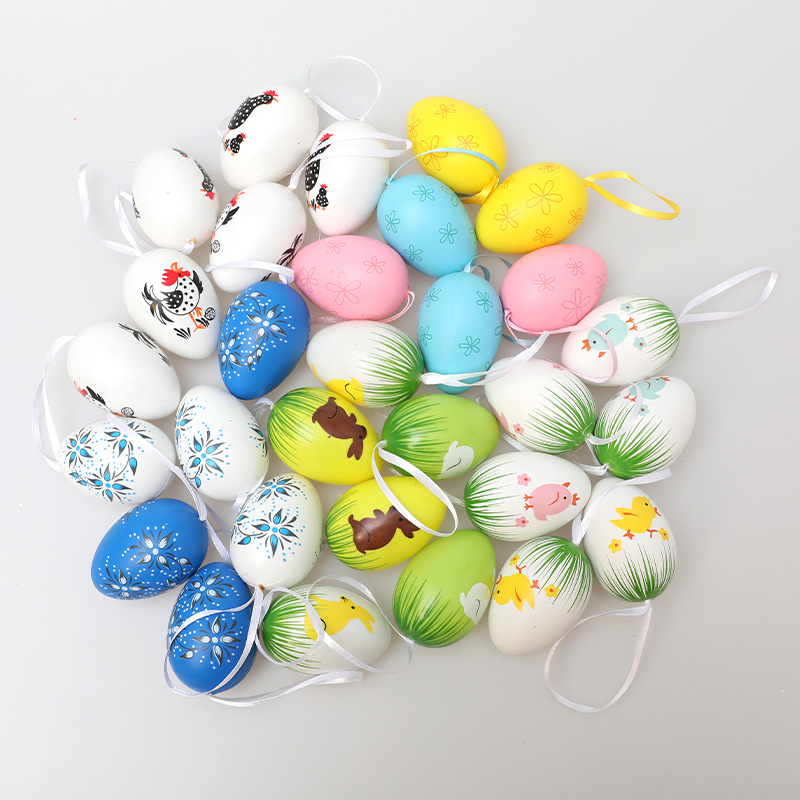
- Decorated Eggs: Whether chocolate or real eggs, decorated eggs are a popular gift that represents new life and the spirit of Easter. In many cultures, the act of dyeing and decorating eggs is a cherished family tradition, often involving children in the creative process. The eggs can be adorned with various designs, from simple colors to intricate patterns, and are often displayed as part of the holiday decor. In some cultures, eggs are even exchanged as gifts, symbolizing goodwill and friendship.
- Religious Gifts: Items such as crosses, prayer books, and other religious symbols are often given to reinforce the spiritual significance of the holiday. These gifts serve as reminders of the holiday’s deeper meaning and can be cherished for years to come. Many families choose to give religious-themed gifts that reflect their faith, such as personalized Bibles or decorative crosses for the home. These gifts can help instill a sense of spirituality and connection to the holiday’s origins.
Modern Trends in Easter Gift Giving
In recent years, the trend of gift-giving during Easter has expanded to include a variety of items, such as:
- Personalized Gifts: Many people now opt for personalized gifts, such as custom-made baskets or engraved items, to add a special touch to their Easter celebrations. Personalization can make a gift feel more meaningful and tailored to the recipient’s tastes. This trend has led to the popularity of custom Easter baskets that include the recipient’s name or favorite colors.
- Experiential Gifts: Instead of physical items, some families choose to give experiences, such as tickets to events or family outings, creating lasting memories. This trend reflects a growing desire for meaningful connections over material possessions. Experiences can range from a family trip to an amusement park to a cooking class that everyone can enjoy together. These gifts often foster stronger family bonds and create cherished memories that last a lifetime.
- Homemade Treats: Baking and gifting homemade treats has become a popular way to celebrate Easter, emphasizing the personal connection between the giver and the recipient. Homemade gifts often carry sentimental value and can be a delightful surprise for loved ones. Many families enjoy making traditional Easter treats, such as hot cross buns or decorated cookies, to share with friends and family. The act of baking together can also serve as a bonding experience, creating lasting memories in the kitchen.
Creative Alternatives to Traditional Easter Basket Fillers
As families seek to make their Easter celebrations more unique and meaningful, many are exploring creative alternatives to traditional basket fillers. Instead of relying solely on candy and toys, consider incorporating items that promote creativity, learning, and sustainability. Some ideas include:
- Art Supplies: Fill baskets with crayons, markers, coloring books, or DIY craft kits to inspire creativity in children. This not only provides entertainment but also encourages artistic expression.
- Gardening Kits: For families with a green thumb, consider including small pots, seeds, and gardening tools. This can be a fun way to teach children about nature and responsibility.
- Books: Adding a few age-appropriate books to an Easter basket can promote reading and learning. Choose stories that align with the themes of Easter or spring.
- Outdoor Games: Items like frisbees, jump ropes, or kites can encourage outdoor play and physical activity, making for a fun and healthy Easter celebration.
- Sustainable Products: Opt for eco-friendly items, such as reusable straws, beeswax wraps, or organic snacks, to promote sustainability and environmental awareness.
Eco-Friendly Alternatives
As awareness of environmental issues grows, many people are seeking eco-friendly alternatives to traditional Easter gifts. This includes opting for sustainable materials in gift baskets, such as reusable containers or biodegradable fillers. Additionally, choosing organic or fair-trade chocolates can help reduce the environmental impact associated with mass-produced candies.
Some families are also embracing the idea of giving experiences rather than physical gifts, which can help minimize waste. For example, a family outing to a local farm or nature reserve can provide a memorable experience without the need for material items. Eco-friendly crafts, such as planting seeds in biodegradable pots, can also serve as meaningful gifts that promote sustainability.
The Significance of Gift Giving at Easter
Strengthening Bonds
Gift-giving during Easter serves as a way to strengthen relationships among family and friends. It is an opportunity to express love, gratitude, and appreciation, reinforcing social bonds that are essential to community and family life. The act of giving can foster a sense of belonging and connection, making the holiday more meaningful for everyone involved. This emphasis on connection is particularly important in today’s fast-paced world, where meaningful interactions can sometimes be overlooked.
Celebrating Renewal and Hope
Easter is fundamentally about renewal and hope. The act of giving gifts aligns with these themes, as it symbolizes generosity and kindness. By sharing gifts, individuals can spread joy and positivity, reflecting the spirit of the season. This exchange of gifts can also serve as a reminder of the importance of community and the joy of giving. The act of giving can inspire others to pay it forward, creating a ripple effect of kindness and generosity.
Environmental Considerations
As gift-giving practices evolve, it is essential to consider the environmental impacts of producing Easter-related gifts, such as chocolate and plastic toys. The production of these items can contribute to waste and pollution, prompting many to seek more sustainable options. Eco-friendly gifts, such as reusable baskets or organic treats, are becoming increasingly popular as people become more aware of their environmental footprint.
Cultural Variations in Gift Giving
Different cultures celebrate Easter gift-giving traditions in unique ways. For instance, in some countries, it is customary to give small gifts to children, while in others, the focus may be on family gatherings and shared meals. Understanding these cultural variations can enrich one’s appreciation of the holiday and its significance across different communities.
In Greece, for example, it is traditional to give red-dyed eggs as gifts, symbolizing the blood of Christ and the joy of resurrection. In Poland, the custom of Śmigus-Dyngus involves splashing water on friends and family, symbolizing the cleansing of sins and the arrival of spring. These unique customs highlight the diverse ways in which people celebrate Easter around the world.
The Impact of Commercialization
The commercialization of Easter has sparked debates about the true meaning of the holiday. Many people express concern that the focus on consumerism detracts from the spiritual significance of Easter. As retailers promote extravagant gifts and elaborate celebrations, some individuals feel pressured to conform to these expectations, leading to a disconnect from the holiday’s original purpose.
To counteract this trend, many families are returning to simpler traditions that emphasize togetherness and gratitude. This shift towards mindfulness encourages individuals to reflect on the true meaning of Easter and to prioritize meaningful connections over material possessions.
The Historical Connection Between Easter and Chocolate
Chocolate has become a quintessential part of Easter celebrations, particularly in Western cultures. The connection between Easter and chocolate can be traced back to the 19th century when chocolate manufacturers began producing Easter-themed confections. The first chocolate eggs were made in Europe, and they quickly gained popularity as a delightful treat for children and adults alike.
The symbolism of chocolate during Easter is often linked to the themes of indulgence and celebration. As a treat that is often associated with special occasions, chocolate serves as a way to mark the joy of the Easter season. Today, chocolate bunnies, eggs, and other confections are staples in Easter baskets, contributing to the holiday’s festive atmosphere.

Conclusion
In conclusion, Easter has indeed evolved into a gift-giving holiday for many people around the world. While its origins are deeply rooted in religious traditions, the modern celebration of Easter encompasses a wide range of customs, including the exchange of gifts. Whether through traditional Easter baskets, personalized items, or shared experiences, the act of giving during this holiday fosters connections and celebrates the themes of renewal and joy.
How to purchase:Online B2B sourcing platform, China purchase, Chinese suppliers – LooperBuy
Frequently Asked Questions
1. What types of gifts are commonly given on Easter?
Common gifts include Easter baskets filled with chocolates and candies, decorated eggs, and religious items like crosses or prayer books.
2. Is gift-giving during Easter a new trend?
While gift-giving has become more popular in recent decades, the practice has historical roots that date back to early Christian traditions.
3. How can I make my Easter gifts more personal?
Consider personalizing gifts with names or special messages, or opt for homemade treats to add a personal touch.
4. Are there any specific customs associated with Easter gift-giving?
Yes, customs vary by culture, but common practices include giving Easter baskets, participating in egg hunts, and sharing meals with family.
5. What is the significance of the Easter Bunny in gift-giving?
The Easter Bunny symbolizes the joy of the season and is associated with delivering treats and gifts, particularly to children.
HOT TAG: Easter gifts, gift-giving traditions, Easter Bunny, personalized gifts, family celebrations, religious significance, modern Easter customs, chocolate eggs, Easter baskets, spring renewal, eco-friendly gifts, cultural variations, homemade treats, experiential gifts, commercialization of Easter, historical connection to chocolate, creative basket fillers, sustainable practices, community bonding, renewal and hope, traditional Easter foods, egg decorating, family gatherings, meaningful connections, seasonal celebrations, children’s activities, festive atmosphere, springtime joy, religious observances, cultural heritage, global Easter customs.