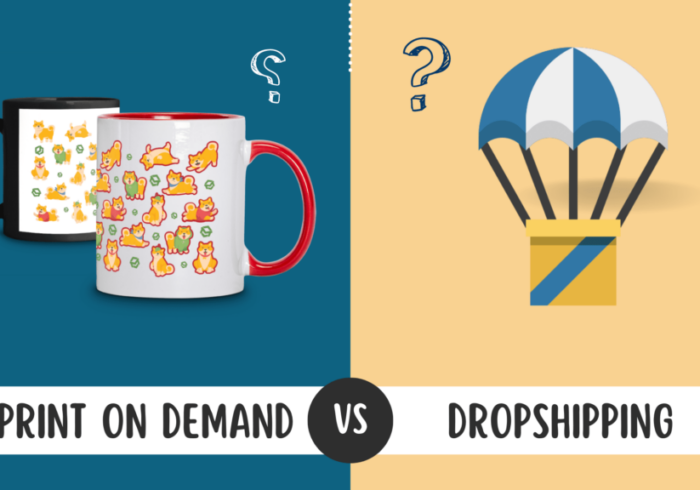
In the ever-evolving world of e-commerce, drop shipping and print on demand (POD) have emerged as two of the most popular business models. They offer entrepreneurs the chance to start their own online stores without the need for significant upfront investment or inventory management. This article will explore the best drop shipping print on demand strategies, tools, and tips to help you succeed in this lucrative market.

Table of Contents
Understanding Drop Shipping and Print on Demand
What is Drop Shipping?
Drop shipping is a retail fulfillment method where a store doesn’t keep the products it sells in stock. Instead, when a store sells a product, it purchases the item from a third party and has it shipped directly to the customer. This means that the seller never sees or handles the product, allowing for a low-risk business model.
What is Print on Demand?
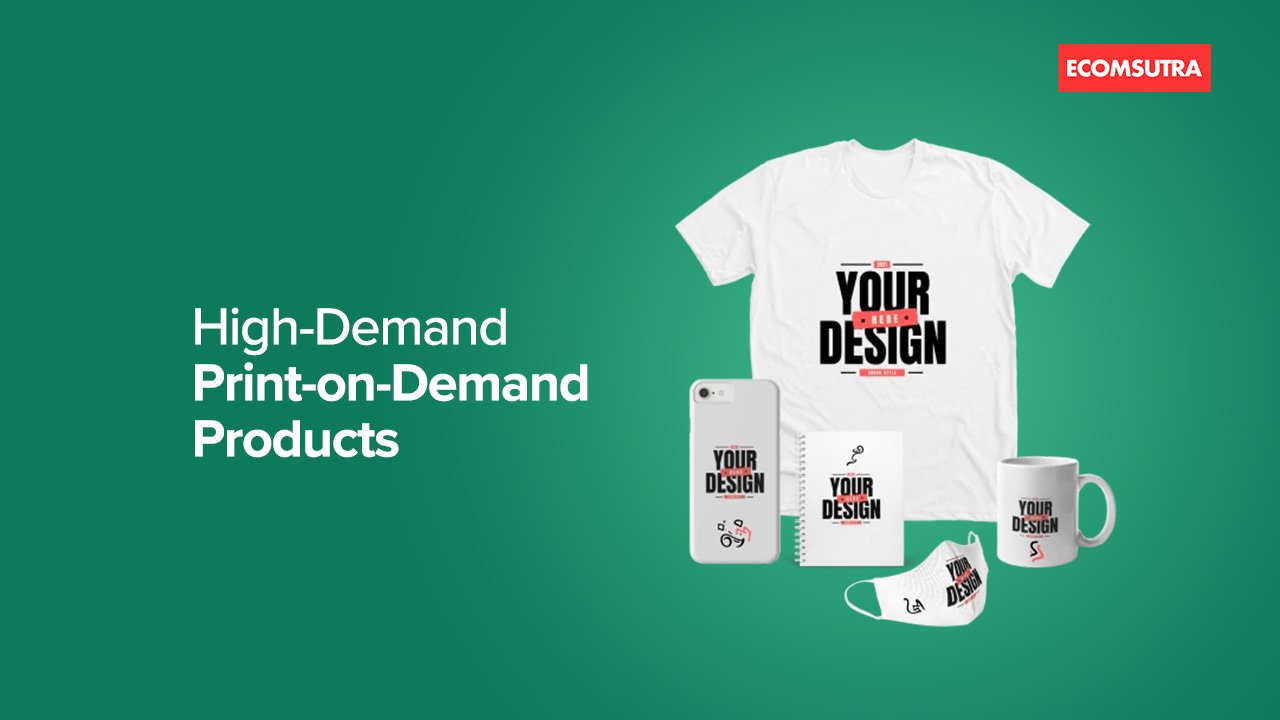
Print on demand is a subset of drop shipping that allows entrepreneurs to sell custom products without holding inventory. With POD, products are printed only after an order is placed, which means you can offer a wide range of designs and products without the financial burden of upfront costs. This model is particularly popular for items like t-shirts, mugs, and posters.
Why Choose Drop Shipping Print on Demand?
Low Startup Costs
One of the most significant advantages of drop shipping and print on demand is the low barrier to entry. You don’t need to invest in inventory or warehouse space, making it an ideal option for new entrepreneurs. You can start your online store with minimal financial risk.
Flexibility and Scalability
Drop shipping and POD businesses can be easily scaled. As your business grows, you can add new products and designs without worrying about inventory management. This flexibility allows you to adapt to market trends and customer preferences quickly.
Diverse Product Range
With print on demand, you can offer a wide variety of products, from clothing to home decor. This diversity allows you to cater to different customer segments and explore various niches, increasing your chances of success.
Setting Up Your Drop Shipping Print on Demand Business
Choosing the Right Niche
Selecting a niche is crucial for your drop shipping print on demand business. A well-defined niche helps you target your marketing efforts and attract a specific audience. Consider your interests, market demand, and competition when choosing a niche.
Researching Market Trends
Utilize tools like Google Trends, social media, and e-commerce platforms to identify trending products and niches. Look for gaps in the market where you can offer unique designs or products that cater to specific customer needs.
Selecting a Reliable Supplier
Your choice of supplier can make or break your drop shipping print on demand business. Look for suppliers with a good reputation, quality products, and reliable shipping times. Popular POD suppliers include Printful, Teespring, and Printify.
Evaluating Supplier Quality
Before committing to a supplier, order samples of their products to assess quality. This step is essential to ensure that the products you sell meet your customers’ expectations. Additionally, consider the supplier’s production times and shipping options, as these factors can significantly impact customer satisfaction.
Building Your Online Store
Creating an online store is the next step in your drop shipping print on demand journey. Platforms like Shopify, WooCommerce, and Etsy make it easy to set up an e-commerce site without extensive technical knowledge.
Designing Your Store
Focus on creating a user-friendly and visually appealing store. Use high-quality images, clear product descriptions, and an intuitive layout to enhance the shopping experience. Consider incorporating customer reviews and testimonials to build trust.
Setting Up Payment and Shipping Options
Integrating secure payment gateways is crucial for your online store. Popular options include PayPal, Stripe, and Shopify Payments. Ensure that your payment process is seamless and secure to enhance customer confidence.
For shipping, work with your supplier to determine the best shipping options for your products. Offer multiple shipping methods to cater to different customer preferences, and clearly communicate shipping times and costs on your website.
Marketing Your Drop Shipping Print on Demand Business
Leveraging Social Media
Social media is a powerful tool for promoting your drop shipping print on demand business. Platforms like Instagram, Facebook, and Pinterest allow you to showcase your products and connect with potential customers.
Creating Engaging Content
Develop a content strategy that includes eye-catching visuals, engaging captions, and relevant hashtags. Share behind-the-scenes content, customer stories, and product launches to keep your audience engaged. Consider using user-generated content to build community and trust.
Utilizing Influencer Marketing
Partnering with influencers in your niche can help you reach a broader audience. Look for influencers who align with your brand values and have an engaged following. Collaborate on product promotions, giveaways, or sponsored posts to increase visibility.
Building Relationships with Influencers
When reaching out to influencers, personalize your messages and explain why you believe they would be a good fit for your brand. Offer them free products or commissions on sales generated through their promotions to incentivize collaboration.
Implementing SEO Strategies
Search engine optimization (SEO) is essential for driving organic traffic to your online store. Optimize your product descriptions, blog content, and website structure to improve your search engine rankings.
Keyword Research
Conduct keyword research to identify relevant terms and phrases that potential customers are searching for. Use tools like Google Keyword Planner or SEMrush to find high-volume keywords related to your niche. Incorporate these keywords naturally into your product descriptions and blog posts.
Email Marketing
Email marketing is a powerful tool for nurturing customer relationships and driving sales. Build an email list by offering incentives such as discounts or exclusive content in exchange for sign-ups.
Crafting Effective Email Campaigns
Create targeted email campaigns that resonate with your audience. Segment your email list based on customer behavior and preferences to send personalized content. Use compelling subject lines and clear calls to action to encourage engagement.
Managing Your Drop Shipping Print on Demand Business
Customer Service Excellence
Providing excellent customer service is crucial for retaining customers and building a positive reputation. Respond promptly to inquiries, address concerns, and handle returns efficiently.
Building Customer Loyalty
Encourage repeat purchases by offering loyalty programs, discounts, or exclusive access to new products. Building a loyal customer base can significantly impact your long-term success. Consider implementing a referral program to incentivize customers to share your brand with their networks.
Analyzing Performance Metrics
Regularly analyze your business performance to identify areas for improvement. Track metrics such as sales, conversion rates, and customer feedback to make informed decisions.
Utilizing Analytics Tools
Use analytics tools like Google Analytics or Shopify Analytics to gain insights into your store’s performance. These tools can help you understand customer behavior and optimize your marketing strategies. Monitor key performance indicators (KPIs) to assess the effectiveness of your marketing efforts.
Automating Your Business Processes
As your business grows, consider automating repetitive tasks to save time and improve efficiency. Use tools like Zapier to connect different applications and automate workflows, such as order processing and email marketing.
Streamlining Order Fulfillment
Integrate your online store with your supplier’s system to automate order fulfillment. This integration can help reduce errors and ensure that orders are processed quickly, enhancing customer satisfaction.
Expanding Your Product Line
Exploring New Product Ideas
Once your initial product line is established, consider expanding your offerings to attract a broader audience. Research emerging trends and customer preferences to identify new product ideas.
Testing New Designs
Before launching new products, test designs with your audience. Use social media polls or email surveys to gather feedback on potential designs. This approach can help you gauge interest and make informed decisions about which products to launch.
Collaborating with Artists and Designers
Partnering with artists and designers can help you create unique and eye-catching products. Collaborate on limited edition designs or exclusive collections to attract attention and drive sales.
Common Pitfalls to Avoid
Underestimating Marketing Efforts
Many new entrepreneurs underestimate the importance of marketing. Simply setting up an online store is not enough; you need to actively promote your products and engage with your audience. Allocate a budget for marketing and explore various channels to reach potential customers.
Ignoring Customer Feedback
Customer feedback is invaluable for improving your products and services. Pay attention to reviews and suggestions, and be willing to make changes based on customer input. This responsiveness can enhance customer satisfaction and loyalty.
Failing to Optimize for Mobile
With a significant portion of online shopping occurring on mobile devices, ensure that your online store is mobile-friendly. Optimize your website design and checkout process for mobile users to provide a seamless shopping experience.
Not Keeping Up with Trends
The e-commerce landscape is constantly changing, and staying updated on industry trends is crucial. Regularly research market developments, emerging technologies, and consumer preferences to keep your business relevant and competitive.
Conclusion
Starting a drop shipping print on demand business can be a rewarding venture if approached strategically. By understanding the fundamentals, choosing the right niche, and implementing effective marketing strategies, you can build a successful online store. Remember to focus on quality, customer service, and continuous improvement to thrive in this competitive market.
As you embark on your journey in the drop shipping print on demand business, remember that the right tools and resources can significantly enhance your success. Discover a wide range of products and services tailored to elevate your e-commerce experience at LooperBuy. Explore now!
Article Summary: This article provides a comprehensive guide to starting a drop shipping print on demand business. It covers the basics of drop shipping and POD, the advantages of these models, and essential steps for setting up and marketing your online store. Key strategies include choosing the right niche, selecting reliable suppliers, leveraging social media, and providing excellent customer service.
Hot Tags: Drop Shipping; Print on Demand; E-Commerce; Online Store; Business Model; Niche Marketing; Supplier Selection; Customer Service; Social Media Marketing; SEO Strategies; Influencer Marketing; Market Trends; Product Range; Startup Costs; Business Growth; Analytics Tools; Customer Loyalty; Content Strategy; Visual Marketing; E-Commerce Platforms; Quality Control; Brand Building; Digital Marketing; Sales Strategies; Market Research; Product Customization; User Experience; Business Management; Performance Metrics; Entrepreneurial Success; Online Retail.
Related Questions & Answers
· What are the best platforms for starting a print-on-demand drop shipping business?
Popular platforms include Shopify, WooCommerce, and Etsy, which provide user-friendly interfaces and various tools to help you set up and manage your online store effectively.
· How can I effectively market my print-on-demand drop shipping business on a limited budget?
Utilize social media marketing, content marketing, and email marketing to reach your audience without significant financial investment. Collaborate with micro-influencers and leverage organic reach to promote your products.
· What are some common pitfalls to avoid when starting a print-on-demand drop shipping business?
Common pitfalls include underestimating marketing efforts, ignoring customer feedback, failing to optimize for mobile, and not keeping up with industry trends. Being aware of these challenges can help you navigate your business more effectively.