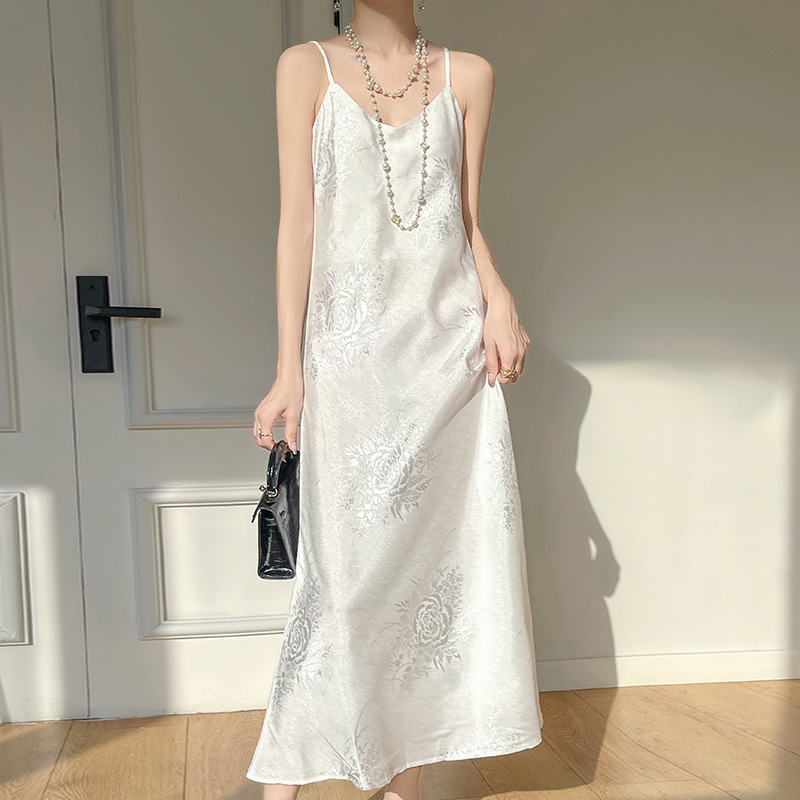
The world of high fashion is often characterized by fleeting trends and seasonal whims, yet certain garments transcend the temporal nature of the industry to become icons of permanent style. Among these, few items possess the evocative power and understated luxury of the silk dress white. This singular garment represents a harmonious marriage between one of nature’s most coveted fibers and a color palette that signifies purity, clarity, and ultimate sophistication. To wear a silk dress white is to embrace a legacy of elegance that stretches back through centuries of textile history, while simultaneously remaining at the very cutting edge of contemporary aesthetic standards.
Table of Contents
The Historical Genesis of Silk and the White Aesthetic
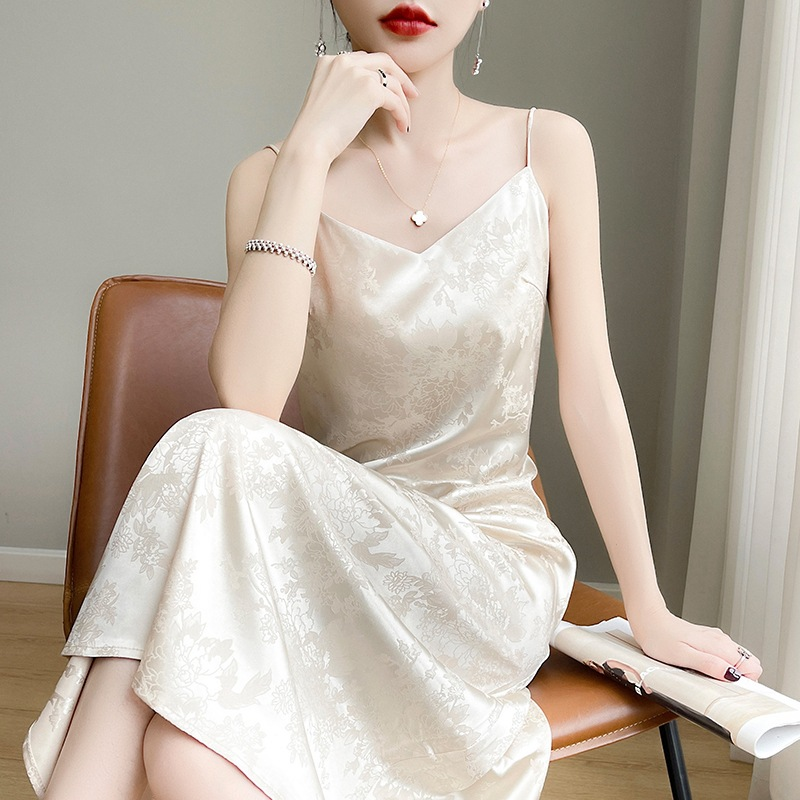
The journey of silk begins in ancient China, where for millennia, the secrets of sericulture were guarded as closely as state treasures. The discovery that the cocoon of the Bombyx mori moth could be unraveled into a continuous, shimmering thread revolutionized human adornment. When this material was rendered in its most natural, bleached, or pure white state, it became a symbol of the elite. In the courts of emperors and later in the royal houses of Europe, the silk dress white was a marker of status, not only because of the cost of the silk itself but because maintaining a pristine white garment required a level of wealth that exempted the wearer from manual labor.
As the centuries progressed, the silk dress white evolved from a strictly ceremonial or royal garment into a versatile staple of the modern woman’s wardrobe. During the neoclassical period, white silk gowns mirrored the marble statues of antiquity, emphasizing a return to grace and natural form. By the mid-20th century, Hollywood icons cemented the garment’s status as the ultimate symbol of glamour. The way the fabric caught the studio lights, creating a halo-like glow around the wearer, transformed the silk dress white into a cinematic tool for conveying ethereal beauty and high-society poise.
The Sensory Experience of Premium Silk
One cannot fully appreciate a silk dress white without understanding the unique physical properties of the fabric itself. Silk is a protein fiber, which gives it a structural similarity to human skin. This biological compatibility results in a textile that is remarkably comfortable, breathable, and hypoallergenic. When you slip into a silk dress white, the fabric immediately adjusts to your body temperature, providing a cool touch in the heat of summer and a surprising degree of insulation during cooler evenings.
The visual allure of the silk dress white is primarily due to the triangular prism-like structure of the silk fiber. This shape allows the fabric to refract incoming light at different angles, producing the famous multi-dimensional shimmer that synthetic substitutes like polyester or rayon can never truly replicate. In a pure white hue, this refraction is amplified. The dress does not simply sit on the body; it interacts with the environment, picking up subtle tones from the surrounding lighting and reflecting them back with a soft, pearlescent glow. This interaction creates a dynamic visual experience that makes the silk dress white appear different at a candlelit dinner than it does under the bright afternoon sun.
Navigating the Nuances of Silk Varieties
When selecting a silk dress white, the specific weave of the fabric plays a crucial role in determining the garment’s drape, weight, and overall vibe. Not all silks are created equal, and understanding the differences is essential for finding a piece that aligns with your personal style and the occasion at hand.
The Luster of Silk Charmeuse
Silk charmeuse is perhaps the most recognizable variety used for a silk dress white. Characterized by a high-sheen satin face and a dull back, charmeuse offers a liquid-like drape that clings beautifully to the curves of the body. A silk dress white crafted from heavy-weight charmeuse is the epitome of evening luxury. It moves with a serpentine grace, making it the preferred choice for slip dresses and bias-cut gowns that require a certain fluidity. The reflective quality of charmeuse in white is unparalleled, often giving the garment a metallic or glow-in-the-dark quality under evening lights.
The Sophistication of Crepe de Chine
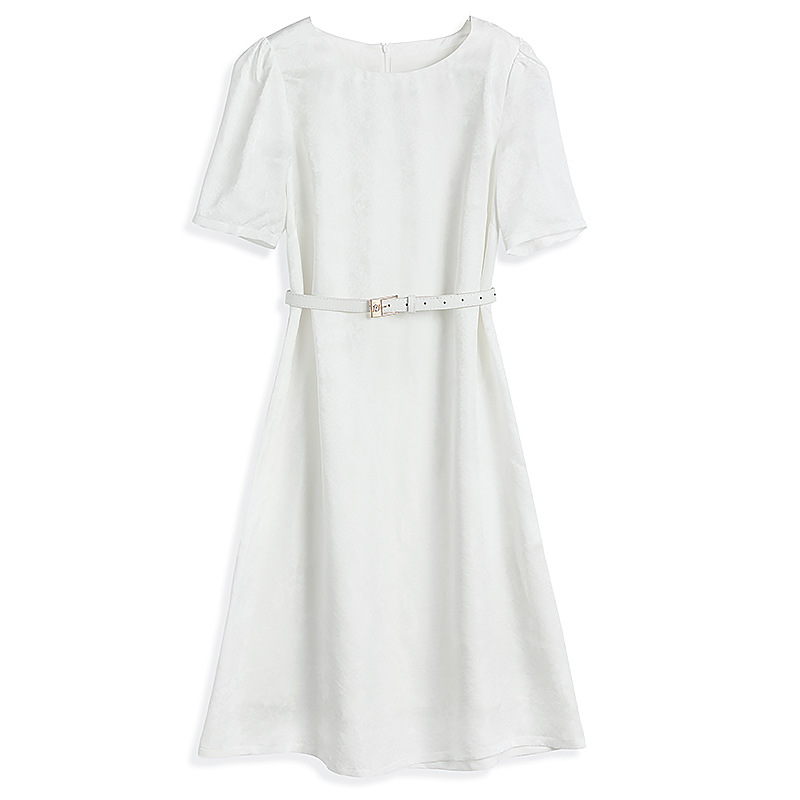
For those who prefer a more understated look, silk crepe de chine provides a sophisticated alternative. This fabric has a matte finish and a slightly pebbled texture achieved through high-twist yarns. A silk dress white in crepe de chine is exceptionally durable and resistant to wrinkling, making it an ideal choice for professional environments or daytime events. It lacks the aggressive shine of charmeuse but retains the unmistakable softness and luxury of pure silk. The white in this weave appears softer and more “creamy,” offering a subtle elegance that does not demand immediate attention but rewards closer inspection.
The Architectural Grace of Silk Organza and Mikado
When the goal is structure rather than fluidity, silk organza and silk Mikado come into play. A silk dress white made from these stiffer weaves allows for dramatic silhouettes, such as voluminous sleeves, structured bodices, or architectural skirts. Organza is sheer and lightweight, often used in layers to create a dreamlike, cloud-like effect. Mikado, on the other hand, is a heavier, blended silk that holds its shape with a slight, sophisticated luster. These fabrics transform the silk dress white from a fluid garment into a piece of wearable sculpture, perfect for high-fashion weddings or avant-garde red carpet appearances.
The Psychology of Wearing White Silk
The choice to wear a silk dress white is often an emotional one. Color psychology suggests that white is associated with new beginnings, cleanliness, and a sense of infinite possibility. It acts as a blank canvas, allowing the wearer’s natural features to take center stage. When combined with the tactile luxury of silk, white loses its potential coldness and instead becomes warm and inviting.
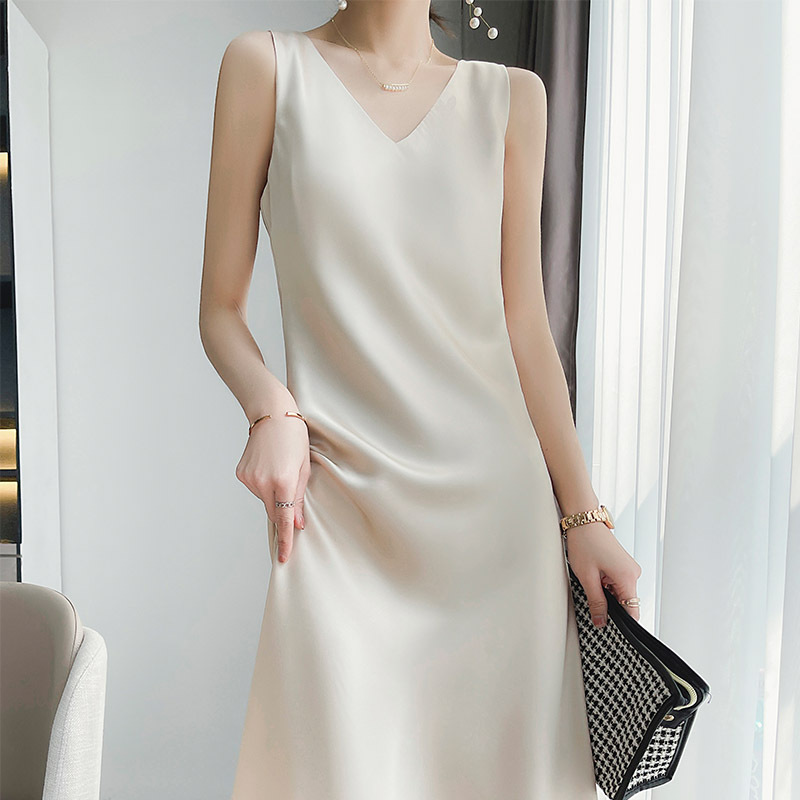
There is also an inherent confidence required to wear a silk dress white. Because white is unforgiving of stains and silk is a delicate material, wearing this garment signals a certain level of mindfulness and self-assuredness. It suggests a person who is in control of their environment and who values quality over convenience. This psychological edge contributes to the “power dressing” aspect of the silk dress white, making it a formidable choice for important life milestones or high-stakes social interactions.
Styling the Silk Dress White for Modern Contexts
One of the greatest misconceptions about the silk dress white is that it is reserved solely for brides or formal galas. In reality, the versatility of the fabric and color allows for a wide range of stylistic interpretations. The key to modernizing the silk dress white lies in the art of contrast and accessorizing.
For a daytime look that feels effortless yet polished, consider pairing a midi-length silk dress white with a structured blazer and leather loafers. The juxtaposition of the soft, shimmering silk against the sharp lines of the tailoring creates a balanced aesthetic suitable for a high-end lunch or a creative business meeting. In this context, the white dress acts as a luminous base that brightens the entire ensemble without appearing overly formal.
As the sun sets, the silk dress white can be transitioned into a high-octane evening look. By removing the blazer and adding statement jewelry—perhaps emerald drops or a bold gold collar—the dress reclaimed its status as a piece of evening wear. Because white is a neutral, it provides the perfect backdrop for virtually any gemstone or metal. Metallic sandals in silver or champagne gold can enhance the natural shimmer of the silk, creating a cohesive, radiant appearance that is both classic and contemporary.
Seasonal Adaptability of the Silk Dress White
While white is traditionally associated with the spring and summer months, the silk dress white is a surprisingly effective year-round staple. In the winter, the concept of “winter white” allows for stunning tonal layering. A silk dress white worn under a heavy cashmere coat in a similar ivory shade creates a rich, textural contrast that feels incredibly luxurious. The lightness of the silk prevents the heavy winter layers from feeling bulky, providing a breath of fresh air amidst the typical dark palettes of the colder seasons.
During the transitional months of autumn, the silk dress white can be grounded with earthy tones. Pairing the dress with cognac-colored leather boots and an oversized knit cardigan in oatmeal or camel creates a bohemian-chic aesthetic. The silk adds a touch of refinement to the rustic textures of wool and leather, proving that the silk dress white can adapt to various moods and environments with ease.
The Art of Maintenance and Preservation
Owning a silk dress white is a commitment to stewardship. Unlike synthetic garments that can be tossed into a standard laundry cycle, silk requires a gentle touch to maintain its structural integrity and luster. Professional dry cleaning is often the safest route, particularly for structured or heavily tailored pieces. However, for many fluid silk dresses, careful hand washing with a pH-neutral detergent designed for delicate fibers is possible.
The most critical aspect of caring for a silk dress white is immediate attention to spills and a strict avoidance of direct sunlight during storage. Silk is a natural fiber that can become brittle if exposed to UV rays for extended periods, and white silk is particularly susceptible to yellowing over time if not stored in a cool, dark, and breathable environment. Using acid-free tissue paper and cotton garment bags will ensure that your silk dress white remains as pristine and radiant as the day you first wore it, allowing it to eventually become a cherished vintage piece for future generations.
Sustainability and Ethical Considerations
In the modern fashion landscape, the provenance of our clothing is as important as its aesthetic appeal. When investing in a silk dress white, many consumers are now looking toward sustainable and ethical silk production. Traditional silk production, while natural, has faced criticism regarding the treatment of silkworms. This has led to the rise of “Peace Silk” or Ahimsa silk, where the fibers are harvested only after the moth has naturally emerged from the cocoon.
Furthermore, organic silk production avoids the use of harmful pesticides on the mulberry trees that feed the silkworms, resulting in a cleaner product that is better for both the environment and the wearer’s skin. Choosing a silk dress white from a brand that prioritizes transparent supply chains and ethical labor practices adds another layer of beauty to the garment. Knowing that your dress was produced with respect for both nature and humanity enhances the sense of purity that the color white already represents.
Conclusion
The silk dress white is far more than a simple fashion statement; it is a testament to the enduring appeal of quality, craftsmanship, and refined aesthetics. It occupies a unique space in the wardrobe, offering a level of versatility that ranges from the bridal altar to the urban boardroom. Its ability to capture and reflect light, its unparalleled tactile comfort, and its deep historical roots make it an investment piece that defies the cycle of fast fashion. Whether styled with minimalist accessories for a contemporary look or embraced in its full, shimmering glory for a formal event, the silk dress white remains the ultimate symbol of a life lived with grace and intentionality. To own one is to possess a piece of fashion history; to wear one is to radiate a timeless elegance that never goes out of style.
How to purchase:
Frequently Asked Questions
1. How can I prevent my white silk dress from becoming transparent?
The transparency of a silk dress white depends largely on the weight of the silk, often measured in “momme.” To ensure opacity, look for a higher momme count, typically 19mm to 22mm or higher. Additionally, wearing seamless, skin-toned undergarments—rather than white ones—is the most effective way to prevent lines or colors from showing through. For very light weaves like silk habotai, many designers include a built-in silk lining to provide extra coverage while maintaining the garment’s fluid drape.
2. What is the best way to remove a stain from white silk without ruining the fabric?
Time is of the essence when dealing with stains on a silk dress white. Gently blot the area with a clean, dry white cloth to absorb excess liquid; never rub, as this can damage the fibers and spread the stain. For water-based stains, a tiny amount of diluted silk-friendly detergent can be dabbed on, but it is usually best to take the garment to a professional dry cleaner who specializes in delicate fabrics. Avoid using bleach at all costs, as it will dissolve silk fibers and turn the white fabric a permanent, sickly yellow.
3. Can I wear a white silk dress to a wedding as a guest?
In many Western cultures, wearing a silk dress white to a wedding is traditionally considered a faux pas, as the color is reserved for the bride. However, modern dress codes are becoming more flexible. If the wedding theme specifically requests a “white party” or “all-white” attire, then it is perfectly acceptable. Otherwise, it is generally safer to opt for a patterned silk dress that features white as a secondary color, or to choose a different pale neutral like champagne or dove grey to avoid any potential conflict with the bridal party.
4. How do I get wrinkles out of silk without an iron?
Direct heat from a traditional iron can easily scorch or flatten the delicate fibers of a silk dress white. The safest method for removing wrinkles is using a handheld steamer on a low setting, keeping the nozzle a few inches away from the fabric. If you do not have a steamer, hanging the dress in a bathroom while you take a hot shower can allow the steam to naturally relax the creases. If you must use an iron, use the lowest “silk” setting and always place a clean cotton pressing cloth between the iron and the dress.
5. Why does my white silk dress turn yellow over time, and can it be fixed?
Yellowing in a silk dress white is often caused by oxidation, exposure to sunlight, or the buildup of perspiration and skin oils. It can also be a reaction to the chemicals used in standard dry cleaning or improper storage in plastic bags. While mild yellowing can sometimes be treated by a professional restorer using specialized oxygen-based soaks, it is difficult to reverse completely. Prevention is key: always clean the dress before storing it, and keep it in a breathable cotton bag away from light and humidity.
HOT TAG:
silk dress white, luxury fashion, timeless elegance, sustainable silk, silk styling tips, white silk maintenance, evening wear, silk fabric types, high-end textiles, minimalist style, fashion investment, ethical clothing, feminine silhouette, bridal aesthetics, sophisticated wardrobe, silk care guide, summer fashion trends, winter white style, iconic garments, textile history, premium silk quality, wardrobe staples, chic white outfits, fashion journalism, ethereal beauty, luxury lifestyle, apparel preservation, high-fashion trends, artisanal silk, minimalist elegance, refined glamour, silk weaving techniques, pure white silk, professional fashion guide, modern styling, organic silk options, peace silk, iconic white dresses, high-end fashion design, clothing longevity.