Conclusion: Choosing the right drop shipping partners is the cornerstone of a sustainable, scalable e-commerce venture. By understanding the core mechanics of how these companies operate, vetting them for quality, reliability, and integration capabilities, and maintaining a focus on customer experience, entrepreneurs can effectively bypass the logistical hurdles of traditional inventory management. Success requires a strategic approach to supplier selection and ongoing operational optimization to thrive in an increasingly competitive digital marketplace.
Table of Contents
Understanding the Drop Shipping Model and Its Strategic Importance
The e-commerce world has been revolutionized by the emergence of companies that offer drop shipping, a model that fundamentally changes how retail inventory is managed and fulfilled. At its core, drop shipping allows an online retailer to list products for sale without ever physically touching the merchandise. When a customer makes a purchase on the retailer’s store, the retailer forwards the order details to a third-party supplier—the drop shipping company—which then handles the storage, packaging, and direct shipping of the product to the end consumer.
This fulfillment method is highly attractive because it significantly reduces the upfront capital requirement for businesses. Entrepreneurs do not need to invest thousands of dollars in bulk inventory or lease expensive warehouse space. Instead, they can invest their resources into building a high-quality storefront, refining their brand identity, and implementing robust digital marketing strategies to attract customers.
How Companies That Offer Drop Shipping Empower Entrepreneurs
For many startups, the primary barrier to entry is the complexity of supply chain logistics. Drop shipping companies solve this by providing a bridge between manufacturers and online storefronts. They offer a catalog of products that can be seamlessly imported into e-commerce platforms like Shopify, WooCommerce, or BigCommerce.
These companies effectively act as the backbone of the business. By outsourcing the logistical heavy lifting, business owners are free to focus on what matters most: customer acquisition, conversion rate optimization, and brand storytelling. The partnership between the retailer and the drop shipping provider creates a symbiotic relationship where the provider focuses on operational efficiency and speed, while the retailer focuses on market reach and customer loyalty.
Evaluating Potential Partners: Selecting the Right Drop Shipping Companies
Not all companies that offer drop shipping are created equal. Finding the right partner is not just about finding the cheapest products; it is about finding a company that aligns with your brand standards, operational speed, and quality expectations. A subpar supplier can quickly destroy a brand’s reputation through slow shipping times, poor packaging, or inaccurate order fulfillment.
Key Criteria for Vetting Dropship Suppliers
When evaluating potential suppliers, entrepreneurs should apply a rigorous set of standards. First and foremost is product quality. If the items arriving at your customers’ doors do not match the photos or descriptions on your website, return rates will soar, and profit margins will vanish. Order samples from prospective suppliers to experience the process exactly as your customer would.
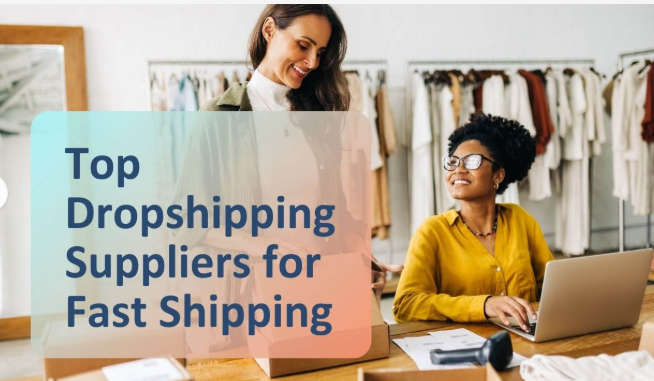
Secondly, analyze their shipping times and reliability. In an era where consumers expect Amazon-like delivery speeds, working with a company that takes three weeks to ship an item can be fatal to your brand. Look for suppliers who offer transparent tracking, localized warehousing in your target markets, and a history of consistent performance.
Lastly, consider their technology and integration capabilities. The best companies that offer drop shipping provide robust APIs or direct integrations with major e-commerce platforms. This automation is crucial; it ensures that order data flows seamlessly from your store to the supplier without human error, significantly reducing processing times and allowing your business to scale effortlessly as order volume increases.
The Financial Nuances of Drop Shipping Profitability
While the drop shipping model is praised for its low entry barrier, it introduces specific financial complexities that every entrepreneur must master. Because you are essentially paying for convenience—by offloading inventory risk and logistics—your profit margins per unit are typically lower than if you were manufacturing or wholesaling goods yourself.
Balancing Margins and Customer Acquisition Costs
The math of drop shipping requires a keen focus on the spread between your retail price and the supplier’s cost, minus your marketing expenses. Since your competitors might be using the same supplier, price wars are common. To combat this, successful retailers often focus on bundling products, creating high-value content, or targeting niche markets where the “value add” is the curated selection rather than the lowest price. Understanding these economic drivers is essential for survival; if your customer acquisition cost (CAC) exceeds your net margin, your business model will not be sustainable.
Handling Returns and Customer Service Refunds
One of the most challenging aspects of working with companies that offer drop shipping is managing the reverse logistics process. If a customer receives a damaged or incorrect item, the process of returning that item back to the supplier can be cumbersome. It is imperative to have a clear, pre-negotiated agreement with your suppliers regarding return policies. Who covers the shipping? Is there a restocking fee? How quickly will the supplier process a refund? Having these protocols clearly defined and communicated to your customers will protect your brand from the negative sentiment associated with bad return experiences.
Best Practices for Operational Excellence in Drop Shipping
Once you have established partnerships with reliable suppliers, the focus shifts to operational excellence. Running a successful drop shipping store requires more than just listing products; it demands active management of the supply chain and continuous improvement of the user experience.
Building Resilience into Your Supply Chain
A common mistake in drop shipping is relying on a single supplier for all your products. This creates a significant point of failure if that supplier faces delays, inventory shortages, or quality control issues. A more robust approach is to diversify your supplier network. By vetting multiple high-quality companies that offer drop shipping, you can mitigate risks. If one supplier encounters an issue, you can quickly pivot fulfillment to another partner, ensuring that your customers remain satisfied and that your store’s operations are not interrupted.
Communicating Effectively with Your Customers
Transparency is vital in the drop shipping model. Because you are not physically handling the product, you must be hyper-vigilant about the information provided to the customer. Always provide clear shipping estimates and proactively communicate any potential delays. If a product goes out of stock at your supplier’s facility, update your store immediately. Effective communication not only manages customer expectations but also builds trust, which is the most valuable currency in any online business.
Scaling Your Business Through Automation and Data Analysis
As your store begins to generate consistent sales, the manual processes that worked in the beginning will eventually become a bottleneck. This is where automation becomes indispensable. Many professional companies that offer drop shipping provide advanced tools that can automate stock updates, order routing, and even tracking number synchronization back to your customers.
The Role of Technology in Scaling
Modern dropshipping platforms are far more than just product directories. They function as sophisticated ERP (Enterprise Resource Planning) systems tailored for small businesses. By utilizing automated order processing, you eliminate the risk of manual data entry errors. For instance, if a customer updates their shipping address, a high-quality integration will propagate that change through your sales channel directly to the supplier’s warehouse management system. This level of technical synchronization is what allows a lean team of one or two people to manage thousands of orders per month without succumbing to burnout.
Leveraging Analytics to Drive Growth
Data-driven decision-making is what separates successful brands from those that plateau. Regularly analyze your store’s performance metrics, such as your top-selling products, average order value, and customer acquisition costs. Furthermore, dive into your supplier-specific data: which products have the lowest return rates? Which suppliers consistently hit their delivery deadlines? Use this information to prune your catalog of underperforming products and double down on the items and partners that contribute positively to your bottom line.
Future Trends: The Evolution of Drop Shipping Companies
The landscape of drop shipping is continuously evolving. We are seeing a shift away from generic, high-volume, low-quality products toward more curated, branded, and sustainable offerings. Modern consumers are increasingly sophisticated and value authenticity.
Adapting to Modern Consumer Demands
Forward-thinking entrepreneurs are now partnering with companies that offer custom branding, such as white-labeling or private-label options. This allows you to add your logo to the product packaging or the product itself, significantly enhancing your brand’s perceived value and customer retention. Additionally, there is a growing demand for eco-friendly and ethically sourced products. Aligning with drop shipping partners that share these values can provide a distinct competitive advantage in a crowded market. By staying agile and continuously adapting to these shifting consumer trends, you can ensure that your e-commerce business remains relevant, profitable, and ready for long-term success.
The Rise of Localized Fulfillment
As global supply chain volatility becomes the new normal, companies that offer drop shipping are increasingly moving toward localized fulfillment. Storing inventory closer to the customer—such as using fulfillment centers in the USA, Europe, or Australia—has become a mandatory feature rather than a luxury. This trend drastically reduces shipping times, lowers international customs headaches, and appeals to consumers who prefer supporting domestic distribution. As an entrepreneur, prioritizing partners who have a localized footprint will be a key differentiator in your future success.
To elevate your brand and streamline your supply chain with top-tier, reliable drop shipping solutions, start your journey today at https://looperbuy.com/
Summary
This guide explores the strategic advantages of the drop shipping model, emphasizing the importance of selecting high-quality, tech-enabled partners. It covers essential best practices for vetting suppliers, maintaining supply chain resilience, and leveraging automation for scalability. By focusing on quality control, transparent customer communication, and data-driven decision-making, entrepreneurs can effectively manage risks and build a sustainable brand in the evolving e-commerce ecosystem.
Hot Tags:
Drop Shipping Companies; E-commerce Fulfillment; Online Business; Supplier Sourcing; Dropshipping Best Practices; Ecommerce Strategy; Dropshipping Suppliers; Automated Fulfillment; Inventory Management; Private Label Dropshipping; Shopify Dropshipping; Dropshipping Guide; Scalable E-commerce; Business Automation; Order Fulfillment; Supply Chain Management; Product Sourcing; Online Retail; Dropship Partners; E-commerce Growth; Brand Building; White Label Products; Dropshipping Logistics; Digital Marketing; Conversion Optimization; Customer Experience; E-commerce Trends; Sustainable Dropshipping; Retail Strategy; Dropshipping Success
Related Questions & Answers
· What is the primary benefit of working with established drop shipping companies?
The primary benefit is that it allows entrepreneurs to run an online store without the risks and costs associated with holding physical inventory. It simplifies fulfillment, as the partner handles the storage, packaging, and shipping, allowing the business owner to focus on marketing and brand growth.
· How can I ensure product quality when using drop shipping?
The most effective way to ensure quality is to order samples of the products you intend to sell. This gives you firsthand experience with the product’s quality, the shipping time, and the quality of the packaging, which is crucial for maintaining your brand’s reputation.
· Why is it important to have multiple drop shipping suppliers?
Diversifying your supplier network creates supply chain resilience. If one supplier faces inventory shortages, shipping delays, or quality issues, having secondary partners ensures your store can continue operating without significant disruptions to your customers.
· How does automation help in a drop shipping business?
Automation tools provided by top-tier drop shipping companies handle routine tasks like syncing inventory levels, routing orders directly to suppliers, and updating tracking numbers in your store. This reduces human error, saves time, and allows your business to handle higher order volumes efficiently as it scales.
· What are private-label or white-label options in drop shipping?
These options allow retailers to sell products under their own brand name. You can have your logo added to the product or its packaging, which distinguishes your business from competitors selling generic products and helps build stronger brand recognition and customer loyalty.