The landscape of modern e-commerce has been fundamentally altered by the rise of the drop shipping business model. Unlike traditional retail structures that require massive investment in warehousing, logistics, and inventory management, drop shipping offers a lean, agile alternative. By partnering with third-party suppliers, companies that use drop shipping can focus their energy on marketing, brand building, and customer experience rather than the nitty-gritty of product fulfillment. This article explores how businesses leverage this model, the strategic advantages it provides, and the challenges they must navigate to thrive in a competitive market.
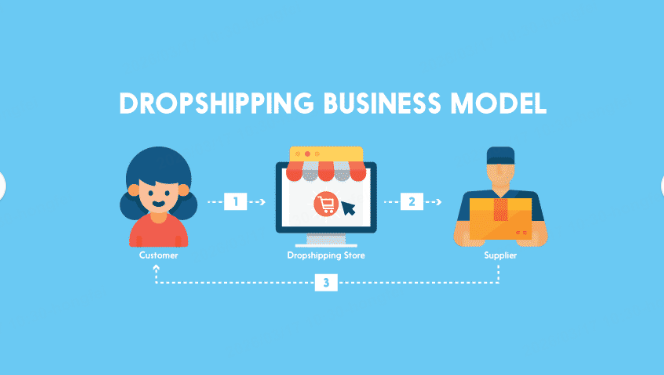
Table of Contents
Understanding the Mechanics of Drop Shipping
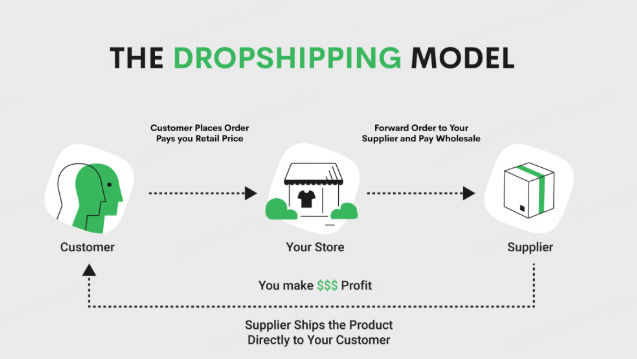
At its core, drop shipping is a retail fulfillment method where the seller does not keep the goods it sells in stock. Instead, when a store sells a product using this model, it purchases the item from a third party—usually a wholesaler or manufacturer—who then ships the order directly to the customer. This simple shift in the supply chain eliminates the need for physical inventory, significantly lowering the barrier to entry for entrepreneurs and established brands alike.
The Role of Third-Party Suppliers
The relationship between a retailer and their supplier is the backbone of any successful drop shipping operation. Suppliers act as the hidden engine behind the brand, handling the manufacturing, inventory storage, and shipping processes. For this model to work, the retailer must select partners that are reliable, responsive, and capable of maintaining quality control standards that reflect the retailer’s own brand reputation.
How Retailers Add Value
While the supplier handles the physical product, the retailer provides the essential value that attracts customers. This involves creating a compelling online storefront, crafting targeted marketing campaigns, and providing excellent customer service. Successful companies in this space treat their online store as a distinct brand, rather than merely a catalog of products. They differentiate themselves through unique product curation, superior customer experience, or specialized knowledge in a particular niche.
Why Businesses Choose the Drop Shipping Model
The popularity of drop shipping is driven by its unique blend of low financial risk and high operational flexibility. For startups, it serves as an excellent way to launch without substantial upfront investment. For established retailers, it acts as a strategic tool to expand product offerings without the logistical burden of stocking new inventory.
Minimizing Financial Risk and Overhead
One of the most significant advantages of drop shipping is the reduction in overhead costs. Because retailers do not need to purchase stock in advance, they avoid the risk of having unsold inventory sitting in a warehouse. This frees up capital that can be reinvested into other areas, such as customer acquisition, website optimization, or product development.
Scalability and Market Testing
Drop shipping enables incredible agility. Retailers can easily test new product categories or trending items without long-term commitment. If a product performs well, the business can scale quickly. If it fails, the business can drop it with minimal financial impact. This flexibility allows companies to stay ahead of consumer trends and pivot their offerings based on real-time market feedback, keeping them competitive in rapidly evolving industries.
Strategic Challenges and How to Overcome Them
Despite its benefits, drop shipping is not without its hurdles. Reliance on third-party suppliers means that the merchant often has less control over shipping times, packaging, and the unboxing experience. To build a long-term, profitable brand, businesses must be proactive in addressing these complexities.
Maintaining Quality Control and Branding
The biggest challenge for companies using drop shipping is ensuring a consistent brand experience. Since the retailer does not touch the product, it can be difficult to ensure that every order meets quality standards. To overcome this, successful brands often order samples, vet their suppliers rigorously, and seek out partners who support white-label products or custom packaging. These small touches help build a distinct identity and foster customer loyalty, even when the retailer isn’t the one packing the box.
Balancing Profit Margins
Because drop shipping is highly accessible, it often leads to a more competitive landscape. This can put pressure on profit margins. To thrive, retailers must find the right niche—one with strong, consistent demand—and focus on high-value products or specialized service. By positioning themselves as experts and focusing on customer retention rather than just one-off transactions, they can build a sustainable business that transcends price competition.
Operational Excellence and Advanced Strategies
As businesses mature, they often find that the basic drop shipping model must evolve to accommodate growth. Moving from a beginner store to an established, professional enterprise requires an investment in systems and refined operational strategies. It is no longer just about finding a supplier; it is about building a cohesive ecosystem that delivers value.
Optimizing the Supply Chain
As companies scale, reliance on a single supplier becomes a risk factor. Advanced drop shippers often diversify their supply chain by vetting multiple suppliers for the same or similar products. This strategy protects the business against sudden out-of-stock situations or unexpected changes in shipping costs. Furthermore, establishing clear communication channels and Service Level Agreements (SLAs) with suppliers ensures that the business is prioritized during peak seasons.
Data-Driven Product Selection
Successful drop shipping businesses do not rely on guesswork. They use advanced analytics to monitor trending products, evaluate supplier performance, and assess customer behavior on their websites. By leveraging data, retailers can identify high-margin items before they become saturated in the market. This proactive approach allows companies to stay ahead of the curve and maintain their competitive edge, ensuring that the products they offer are not only relevant but also highly profitable.
The Future of Drop Shipping in E-commerce
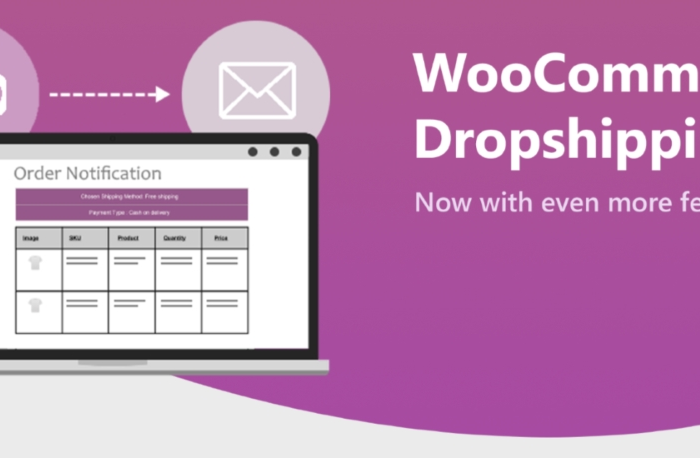
As technology continues to advance, the drop shipping model is becoming increasingly automated. Integration software now allows stores to sync product listings, real-time inventory levels, and order routing effortlessly. This automation streamlines operations, reduces errors, and improves the overall efficiency of the fulfillment process.
Shifting Towards Hybrid Models
Many successful companies are moving toward a hybrid model. They may drop ship niche or testing products while maintaining their own inventory for high-velocity or best-selling items. This approach offers the best of both worlds: the risk-mitigation of drop shipping combined with the speed and quality control of self-managed fulfillment. As brands grow, they often find that combining these strategies allows them to scale effectively while keeping costs under control and maintaining high customer satisfaction.
Embracing Sustainability and Ethics
Modern consumers are increasingly conscious of where their products come from. Companies that use drop shipping are now facing pressure to ensure their suppliers follow ethical labor practices and environmental standards. The most successful retailers are those that are transparent about their sourcing. By partnering with suppliers who prioritize sustainable manufacturing and eco-friendly shipping practices, retailers can build deep, meaningful connections with a socially conscious consumer base, turning ethical values into a brand differentiator.
The Evolution of Customer Trust
In an era where online shopping is ubiquitous, trust is the ultimate currency. Companies that use drop shipping successfully understand that they must act as a bridge between the manufacturer and the consumer. This means taking full responsibility for the customer experience, from the moment of purchase to long-term post-purchase support. By building a reputation for reliability, clear communication, and empathetic issue resolution, these businesses can overcome the inherent limitations of the drop shipping model and foster long-term loyalty that rivals companies with traditional supply chains.
Conclusion
Drop shipping is a powerful tool that, when executed with a brand-first mindset, can lead to significant success. By leveraging the logistical support of suppliers, focusing on effective marketing, and continuously optimizing the customer experience, companies can build scalable, profitable businesses without the constraints of traditional retail. Success in this field relies on choosing the right niche, building strong relationships with reliable partners, and consistently prioritizing the customer above all else. By integrating advanced automation, diversifying supply chains, and focusing on brand integrity, drop shipping businesses can create sustainable, long-term value in the ever-evolving e-commerce landscape.
Experience the future of seamless, stress-free retail by launching your dream business today with the optimized supply chain and premium solutions found at https://looperbuy.com/.
Article Summary
This article provides an in-depth analysis of the drop shipping business model, explaining how it functions as a low-risk, scalable alternative to traditional retail. It highlights how businesses utilize this method to test products, reduce overhead, and expand catalogs without the burden of inventory management. Furthermore, the text addresses the challenges of quality control and competition, offering strategic insights on brand building, supplier vetting, and the move toward hybrid fulfillment models in the evolving e-commerce landscape.
Hot Tags:
DropShipping; E-commerce; OnlineRetail; Fulfillment; SupplyChain; BusinessModel; DigitalMarketing; ProductSourcing; DropshipSuppliers; BrandBuilding; RetailStrategy; InventoryManagement; Entrepreneurship; StartupSuccess; ScalingBusiness; OnlineBusiness; ProfitMargins; CustomerExperience; NicheMarketing; MarketTrends; Logistics; OrderFulfillment; Automation; PrivateLabel; Wholesaling; EcommerceBusiness; SustainableGrowth; CompetitiveAdvantage; RetailInnovation; DigitalTransformation
Related Questions & Answers
· What is the primary advantage of the drop shipping model for new entrepreneurs?
The primary advantage is the significantly lower barrier to entry and reduced financial risk. Entrepreneurs do not need to invest heavily in upfront inventory or warehousing, allowing them to test product ideas and launch an online store with minimal initial capital.
· How can a company maintain quality control when using drop shipping?
To maintain quality control, retailers should order product samples to verify standards before adding items to their site, work only with highly vetted and reliable suppliers, and, where possible, negotiate for white-label services or custom packaging to ensure a consistent brand experience for the customer.
· Is drop shipping considered a sustainable long-term business strategy?
Yes, it can be sustainable if the business treats its store as a real brand rather than just a product catalog. Success requires focusing on a clear, high-demand niche, providing excellent customer service, and potentially evolving into a hybrid model that balances drop-shipped items with self-managed inventory for top-performing products.
· What are the biggest challenges faced by companies using drop shipping?
The biggest challenges include lower profit margins due to intense competition, lack of direct control over shipping speeds and packaging, and the potential for inventory inaccuracies if supplier systems are not properly integrated with the retailer’s store.
· How does automation help in a drop shipping business?
Automation tools help by syncing product listings and inventory levels in real-time, automatically routing customer orders to the correct supplier, and streamlining the management of returns and order tracking. This reduces manual labor and minimizes the risk of human error in the fulfillment process.