In an era dominated by mass production and fleeting trends, the emergence of brands that prioritize heritage, sustainability, and human connection feels like a breath of fresh air. Injiri home textiles stand at the forefront of this movement, offering more than just functional decor; they provide a tangible link to ancient Indian craftsmanship. Founded in 2009 by textile designer Chinar Farooqui, the brand has carved a unique niche by celebrating the inherent beauty of hand-loomed fabrics and the slow, deliberate processes that bring them to life. By merging time-honored traditional techniques with a sophisticated, contemporary design language, Injiri has redefined the essence of conscious living, inviting us to slow down, appreciate the imperfections of the handmade, and embrace the stories woven into every thread of our homes.
Table of Contents
The Philosophy of Deliberate Craftsmanship
At the heart of every piece created by Injiri lies a commitment to patience, purpose, and profound respect for the artisanal process. The brand does not simply manufacture home textiles; it facilitates a dialogue between historical weaving traditions and modern interior aesthetics. This philosophy is rooted in the belief that true luxury is found not in perfection, but in the human touch that defines every hand-woven creation.
Embracing the Beauty of Imperfection
Unlike industrial textiles, which are designed for uniformity and speed, Injiri’s home textiles are characterized by their organic, tactile quality. Each piece is a testament to the artisan’s rhythm, resulting in subtle variations that are often overlooked in mass-manufactured goods. This celebration of imperfection is a core element of the brand’s design language. By embracing these nuances—the slight shift in a weave, the subtle unevenness of yarn-dyed patterns—the textiles possess a warmth and character that artificial processes can never replicate. This philosophy encourages consumers to cultivate a deeper appreciation for the raw, authentic nature of materials and the labor-intensive journey required to transform them into something beautiful.
Sustainable Practices and Material Authenticity
Sustainability at Injiri is not a marketing buzzword; it is a foundational practice. The brand works primarily with natural fibers, utilizing lightweight cottons and occasionally incorporating eri silk, known for its soft, wool-like texture and its status as a cruelty-free silk produced by the silkworm without harm. The focus remains on sustainable material usage, ensuring that every collection respects environmental boundaries. Furthermore, by working directly with traditional cooperatives and artisans, the brand supports local livelihoods and helps preserve dying techniques that are at risk of being lost to modern mechanization. This holistic approach ensures that the final product is not only beautiful but also ethically sound, providing a guilt-free luxury that resonates with the values of the modern, conscientious consumer.
Design Narratives: Weaving History into Home Spaces
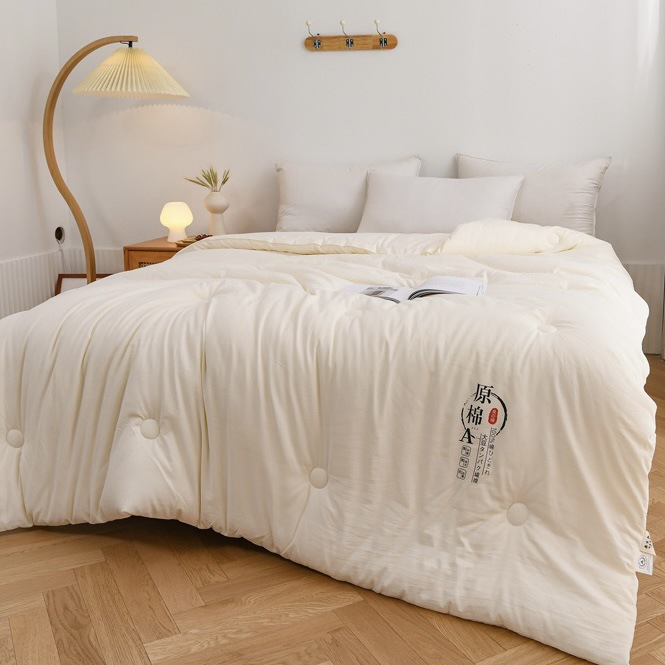
Injiri’s design language is profoundly narrative. Every collection serves as a form of storytelling, drawing deep inspiration from antique textiles, regional folk attire, and the rich, diverse cultural tapestry of India. The name “Injiri” itself is a nod to the historic, yarn-dyed Madras checkered textiles that were once highly valued and traded across the globe. This historical consciousness is reflected in their contemporary designs, which manage to feel both timeless and remarkably fresh.
The Influence of Traditional Motifs
The aesthetic of Injiri is centered around absolute simplicity. Designers often look to tribal textiles and regional weaving traditions, where joinery, geometry, and structured patterns play a crucial role. For instance, the use of plaid and checks is not merely a stylistic choice but an homage to the complex, hand-woven heritage of Indian artisans. By deconstructing these traditional motifs and recontextualizing them for modern home furnishings, the brand manages to bridge the gap between antiquity and today’s interior design trends. Whether it is a throw blanket inspired by tribal joinery or cushions featuring intricate, heritage-inspired weaves, each object serves as a bridge between the past and the present.
Curating a Harmonious Aesthetic
Injiri’s approach to home textiles is about creating balance. The designs are often lighthearted yet sophisticated, thoughtfully detailed yet restrained in their application. This allows their textiles to integrate seamlessly into a wide variety of home styles—from minimalist, modern apartments to cozy, eclectic spaces. The brand excels in color palettes that feel earthy and natural, often relying on the inherent beauty of the yarn dyes themselves to create visual interest. This color strategy, combined with their airy, breathable textiles, creates an environment of serenity and comfort, making their products highly sought after by those looking to turn their homes into personal sanctuaries of peace and reflection.
The Cultural Impact of Slow Textiles
The success of Injiri speaks to a growing global dissatisfaction with the fast-fashion and fast-decor culture that has dominated consumer markets for decades. By positioning itself as the antithesis of this rapid, disposability-focused cycle, the brand has found a passionate following among those who seek meaning in what they own.
Challenging the Fast-Decor Culture
In a world that prioritizes the “new and now,” Injiri asks us to value the “enduring and essential.” Their business model demonstrates that a brand can be successful while being intentionally slow. By keeping production cycles in harmony with the natural pace of artisanal work, they ensure that every piece receives the attention and care it deserves. This is a radical departure from mainstream manufacturing, where productivity metrics often come at the expense of quality and human dignity. By choosing to support such practices, consumers are actively participating in a cultural shift towards more meaningful consumption, where objects are cherished for years, if not generations.
The Role of Textile Arts in Modern Mental Health
Beyond the physical comfort of soft cotton or the visual pleasure of intricate weaves, Injiri’s home textiles contribute to a more profound psychological state. As we curate our living environments, the objects we surround ourselves with can significantly impact our mental health. Living with mass-produced items often leaves a space feeling cold and detached. In contrast, the presence of handcrafted textiles brings a sense of groundedness. When we drape an Injiri throw over a sofa, we are grounding our space in history and human effort. This tactile engagement with our environment acts as a sensory anchor, reminding us of the human hands behind the fabric and fostering a sense of mindfulness that is increasingly elusive in our digital-first lives.
Preserving Heritage and Global Exchange
The impact of Injiri goes beyond the individual home; it extends to the global stage, proving that indigenous craftsmanship has a vital role in contemporary design.
A Bridge Between Continents
By bringing the intricate art of Indian weaving to an international audience, Injiri acts as a cultural ambassador. The brand respects the original context of these textiles while making them accessible and relevant to global design sensibilities. This exchange is mutually beneficial: it provides artisans with a global platform and economic stability, while allowing international design enthusiasts to experience the richness of Indian textile heritage. It is a form of design diplomacy, where common appreciation for beauty and quality transcends borders and creates a shared language of appreciation for the slow, the manual, and the meaningful.
Education Through Design
Every Injiri product essentially carries an educational component. Consumers who are drawn to the aesthetic often find themselves diving deeper into the history of weaving, the specific regional differences in loom techniques, and the importance of supporting fair wages in the craft sector. The brand effectively uses its platform to educate, subtly shifting consumer behavior by proving that quality and ethics can be prioritized without sacrificing design excellence. This creates a cycle where the appreciation for the product grows into an appreciation for the process, ultimately nurturing a more informed and ethical consumer base for future generations of artisans.
Conclusion
Injiri home textiles offer a profound reminder that our living spaces are extensions of our values. Through a steadfast commitment to slow, artisanal craftsmanship, sustainable material usage, and a deep, respectful engagement with cultural heritage, the brand has created a portfolio of products that are as meaningful as they are beautiful. By choosing to incorporate these hand-loomed creations into our homes, we are not just adding aesthetic value; we are participating in a larger, important narrative of preserving human skill, honoring traditional history, and embracing a more intentional, thoughtful way of living in the modern world.
How to purchase:Online B2B sourcing platform, China purchase, Chinese suppliers – LooperBuy
Summary:
Injiri home textiles, founded by designer Chinar Farooqui, represent the intersection of Indian heritage, artisanal craftsmanship, and contemporary interior design. By championing slow, ethical production and celebrating the beauty of hand-loomed, natural fibers, the brand offers an authentic, sustainable alternative to mass-produced decor. Their collections serve as narrative pieces, blending ancient weaving traditions with modern simplicity, ultimately fostering a lifestyle rooted in conscious, intentional living.
Hot Tags:
Injiri Home Textiles; Handwoven Decor; Sustainable Home Goods; Artisan Made Textiles; Indian Heritage Crafts; Slow Living Interior; Ethical Home Decor; Hand-loomed Fabrics; Yarn-dyed Textiles; Contemporary Indian Design; Traditional Weaving Techniques; Luxury Handmade Linens; Conscious Consumerism; Interior Design Inspiration; Textile Artistry; Natural Fiber Decor; Heritage-inspired Home; Authentic Craftsmanship; Modern Rustic Decor; Heirloom Quality Textiles; Ethical Luxury Home; Textile Storytelling; Unique Handcrafted Decor; Global Interior Style; Minimalist Textile Design; Breathable Cotton Home; Artisanal Cooperation; Timeless Home Decor; Cultural Textile Preservation; Thoughtful Home Accessories
Related Questions & Answers
· What makes Injiri home textiles different from mass-produced items?
Injiri textiles are hand-loomed by artisans using traditional techniques, which results in unique, organic variations that mass-production cannot replicate. The brand prioritizes slow, ethical production, focusing on sustainability and the preservation of human skill rather than speed or uniformity.
· What types of materials are commonly used in Injiri’s collections?
The brand primarily uses natural, high-quality materials, especially lightweight cottons. They also occasionally incorporate eri silk, which is known for its soft, wool-like quality and is considered a sustainable, cruelty-free alternative to traditional silk.
· How does the design philosophy of Injiri influence their home textile aesthetic?
Injiri’s aesthetic is built around simplicity and storytelling. Their designs are heavily inspired by antique textiles, folk attire, and regional Indian weaving traditions, such as checkered patterns. This results in a timeless, sophisticated look that blends traditional motifs with modern, minimalist sensibilities.
· Is the focus on sustainability a core part of the Injiri brand?
Yes, sustainability is central to the brand. This includes the use of natural fibers, avoiding industrial waste, and ensuring ethical treatment of the artisans. By supporting these cooperatives, Injiri actively contributes to the preservation of traditional crafts and ensures fair economic outcomes for local weavers.
· Where can one typically use Injiri’s home textiles in interior design?
Because of their airy, breathable quality and their sophisticated, earthy aesthetic, Injiri textiles are incredibly versatile. They work well in a variety of spaces, from modern, minimalist living rooms to cozy, rustic bedrooms, adding a layer of tactile warmth, cultural history, and human-crafted character to any room.