For any firearm owner, the responsibility of maintaining safety and organization extends far beyond the safe storage of the weapons themselves. A critical, yet often overlooked, aspect of responsible ownership is the management of ammunition. Whether you are a casual target shooter, a competitive marksman, or someone who keeps a defensive firearm at home, you will eventually face the decision of how best to store your rounds. Should you rely on purpose-built ammo storage boxes, or is a more casual approach like loose storage sufficient? This choice impacts not only the longevity of your ammunition but also the efficiency of your range trips and the overall security of your household.

Table of Contents
The Case for Specialized Ammunition Containers
Dedicated storage boxes are engineered with the specific requirements of firearm enthusiasts in mind. They provide a controlled environment that shields ammunition from the three primary enemies of longevity: moisture, temperature fluctuations, and physical damage. When you invest in a quality storage container, you are investing in the reliability of your ammunition when it matters most.
Environmental Protection and Moisture Control
One of the most significant advantages of using a dedicated box is the presence of seals and moisture-mitigating features. Many modern ammunition boxes come equipped with O-ring gaskets that create a water-resistant and dust-proof seal. This is vital, especially if you live in a humid climate or store your gear in environments like a basement or garage. Humidity can penetrate the primer or degrade the propellant inside the casing over time, leading to misfires or inconsistent performance. A sealed box, often combined with a small desiccant pack, keeps your rounds in a stable, dry environment. Moisture is particularly insidious because it can cause subtle corrosion on the primer or even affect the chemical composition of the gunpowder, which might not be immediately visible but can cause dangerous hang-fires or squib loads.
Security and Inventory Management
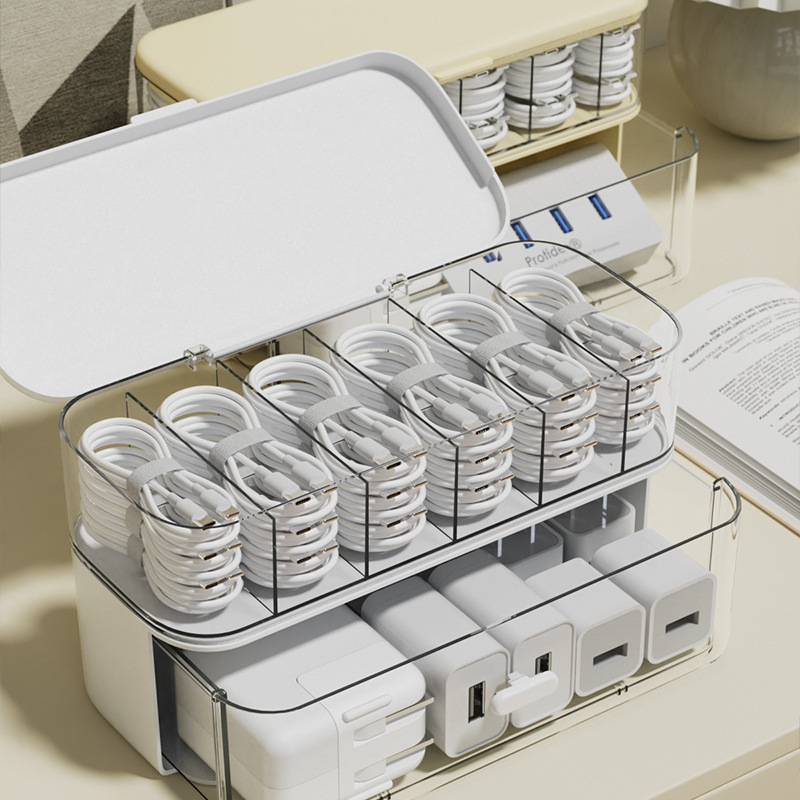
Beyond protecting the brass and lead, storage boxes offer a superior way to categorize and inventory your stock. Many containers are transparent or have clear labeling slots, allowing you to quickly identify caliber, bullet weight, and grain count without opening the package. This is particularly useful for those who manage multiple calibers and different load types. Furthermore, hard-shell boxes offer a level of security that loose storage cannot match. They are often stackable, making efficient use of shelf space, and can be locked with a small padlock, preventing unauthorized access by curious children or visitors. Proper compartmentalization ensures that you are not just piling boxes haphazardly, but creating a systematic library of your supplies.
The Reality of Loose Storage Methods
While specialized containers are ideal, the practice of keeping ammunition in its original cardboard boxes or loose in containers is widespread. This method often appeals to those who prioritize convenience or who rotate their stock so quickly that long-term storage is not a concern. However, it is essential to understand the limitations and risks associated with these informal methods, especially as your collection grows.
The Vulnerability of Cardboard Packaging
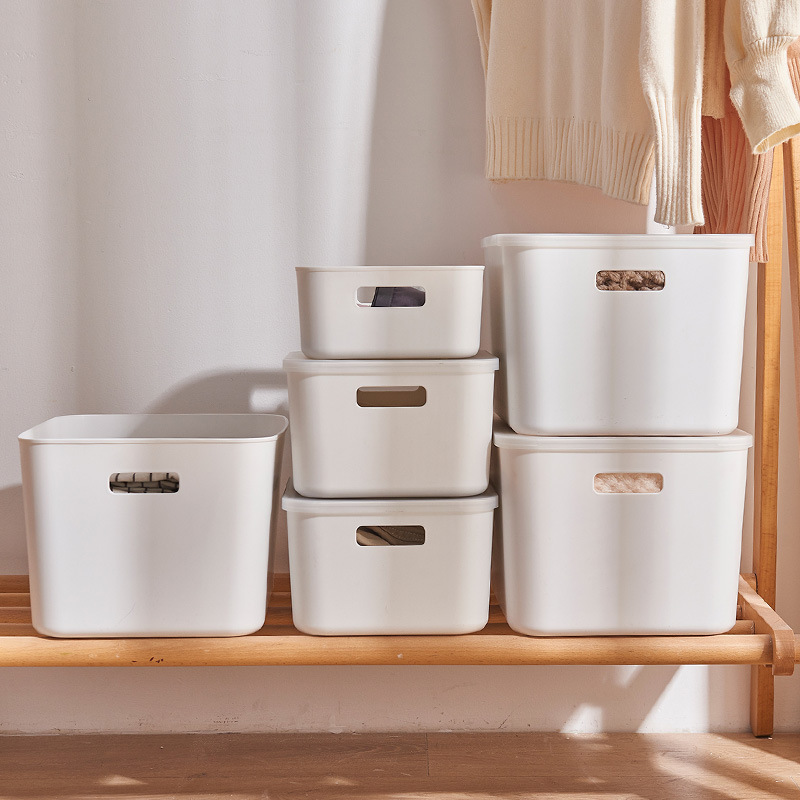
Most ammunition purchased from a retail store comes in lightweight cardboard packaging. While these boxes are convenient for the initial purchase, they are not designed for long-term storage. Cardboard is porous; it absorbs moisture from the air and can become a breeding ground for mildew if stored in less-than-ideal conditions. Furthermore, cardboard lacks structural integrity. If you stack these boxes too high, the bottom ones will inevitably crush, potentially spilling loose rounds into your storage cabinet or safe, leading to a disorganized mess that is difficult to navigate during an emergency. The structural failure of the cardboard also leaves the rounds exposed to external grime and dust, which can introduce abrasives into your firearm’s action during loading.
Safety Considerations for Loose Rounds
Storing rounds loose in a bin or a generic container can be problematic. While modern ammunition is generally stable, keeping hundreds of loose rounds in a single bin increases the likelihood of physical damage. Primers can be dented, casings can be scratched, and hollow-point projectiles can be deformed by the weight of the rounds sitting on top of them. Additionally, loose storage makes it extremely difficult to track how much ammunition you have on hand or to quickly identify different types of loads, which could lead to a dangerous error if you accidentally load the wrong caliber into your firearm. The kinetic energy generated during a fall or a shift in the container can also potentially impact the primer of a loose round if it strikes a sharp object, though this is rare, the risk of physical damage to the projectile remains the primary concern.
Balancing Accessibility and Long-Term Preservation
Deciding between specialized containers and loose storage often comes down to your specific usage patterns. The ideal storage strategy is rarely one-size-fits-all; instead, it is a hybrid approach that separates your range-ready ammunition from your long-term reserve stock.
Establishing an Effective Rotation System
For high-volume shooters, using specialized boxes to store rounds for upcoming range sessions is a best practice. You can prepare these boxes in advance, ensuring you have exactly what you need packed and ready to grab. For the remaining supply—the reserve stash that you hope not to use for years—a heavy-duty, sealed container is superior to any other method. This system ensures that your primary ammunition remains pristine, while your secondary stock stays protected from the elements. By using a “First-In, First-Out” (FIFO) approach, you ensure that your older ammunition is used before the newer batches, maintaining the freshness of your entire inventory.
The Role of Temperature and Stability
Regardless of the container, placement is everything. Even the best-sealed ammunition box cannot fully compensate for poor storage location. Always aim to store ammunition in a cool, dry place. Avoid locations that experience drastic temperature swings, such as the top shelf of a hot attic or a wall that receives direct afternoon sunlight. The constant expansion and contraction of the brass and the propellant components can accelerate chemical degradation over time. Consistency is the key to maintaining the chemical stability of your ammunition. If you store your ammo in a garage, ensure it is insulated or placed in an area that avoids the extreme heat generated under roof rafters during the summer months.
Advanced Considerations for Ammunition Integrity
As you accumulate more ammunition, the nuances of storage become more important. It is not just about keeping the rounds dry; it is about keeping them pristine.
Identifying Projectile Sensitivity
Certain types of ammunition, particularly those with delicate lead tips or polymer-tipped precision bullets, are significantly more susceptible to damage from loose storage than standard “full metal jacket” rounds. When these specialized bullets are jostled in a loose bin, the tips can be chipped or flattened. Even a minor deformity in the projectile can drastically alter the aerodynamics and accuracy of the round. Consequently, high-end match ammunition should almost exclusively be stored in individual-slot hard-shell boxes that prevent the bullet tips from touching anything.
The Hidden Risk of Lubricants and Solvents
Another aspect of storage that many overlook is the location of their ammunition in relation to other workshop supplies. Never store your ammunition in the same container as or in immediate proximity to gun oils, cleaning solvents, or battery-operated tools. If a bottle of solvent leaks, the chemical compounds can easily seep through cardboard packaging and even through the seals of subpar storage boxes, potentially deactivating the primer or causing corrosion on the brass casing. Your ammunition should have its own dedicated storage area that is physically separated from your cleaning chemicals to prevent accidental chemical contamination.
Conclusion
Ultimately, the choice between using specialized ammunition storage boxes and storing rounds loosely depends on your commitment to long-term reliability and organization. While loose storage or original cardboard packaging might suffice for short-term needs, the investment in high-quality, gasket-sealed containers provides unparalleled protection against moisture, physical damage, and unauthorized access. By prioritizing structured, climate-appropriate storage for your ammunition, you ensure that every round will perform consistently and safely, providing peace of mind whether you are practicing at the range or relying on your firearm for home defense.
How to purchase:Online B2B sourcing platform, China purchase, Chinese suppliers – LooperBuy
Related Questions & Answers
· Does temperature really affect the long-term storage of ammunition?
Yes, extreme temperature fluctuations can cause the metallic components of the cartridge to expand and contract, which may affect the seal between the bullet and the casing. Furthermore, high heat can accelerate the degradation of the chemical propellants inside, potentially leading to inconsistent velocity or accuracy issues over time.
· Can I use desiccant packs in my ammunition storage boxes?
Absolutely. Using a desiccant pack is highly recommended, especially when using an airtight or water-resistant container. It helps absorb any residual moisture trapped inside when you sealed the box, creating a much more stable and dry environment for your ammunition.
· Is it dangerous to keep ammunition loose in a container?
While not inherently dangerous in the sense of an accidental discharge, loose storage can lead to mechanical issues. Debris can enter the bin, potentially causing feeding issues in your firearm. Furthermore, the physical pressure of rounds against each other can lead to deformed casings or damaged projectiles, which can impact safety and accuracy.
· How long can I expect ammunition to last if stored properly?
If stored in a cool, dry, and stable environment—ideally in a sealed, specialized container—modern centerfire ammunition can remain reliable for decades. Many firearm enthusiasts have successfully fired ammunition that has been stored correctly for 20 to 30 years without any significant loss in performance.
· Why should I avoid storing ammunition on the floor?
Storing ammunition directly on a concrete floor is a bad idea because concrete is porous and can wick moisture upward. Even if your room seems dry, the contact point between your storage container and the floor can become a site for moisture accumulation, potentially leading to corrosion on your containers and, eventually, your ammunition.
Hot Tags:Ammunition Storage, Firearm Safety, Ammo Management, Shooting Sports, Storage Containers, Ammo Protection, Home Defense Readiness, Long Term Storage, Firearm Maintenance, Ballistic Security, Corrosion Prevention, Caliber Organization, Stockpile Management, Projectile Integrity, Humidity Control, Tactical Supply Storage, Range Preparedness, Chemical Safety, Ammunition Longevity, Secure Gun Storage, Reliable Inventory, Bullet Preservation, Environmental Shielding, Organized Shooting Gear, Safe Ammunition Handling