In the intricate dance of international trade, the term cargo abandonment represents a significant disruption that can paralyze supply chains and drain corporate resources. For many B2B professionals, the nightmare begins when a shipment arrives at its destination port, only for the consignee to refuse delivery or for the shipper to go silent. As global trade volumes fluctuate and logistics costs remain volatile, understanding the mechanics of cargo abandonment is no longer just a legal necessity—it is a core survival skill for brand owners, wholesalers, and manufacturers.
As an SEO content strategist and supply chain consultant, I have observed that many businesses fall into the trap of abandonment because of a lack of transparency and high “hidden” costs. This is where the evolution of trade—moving toward a One-Stop B2B Sourcing Platform like LooperBuy—is changing the narrative. By streamlining the journey from a Chinese factory to a global doorstep, the risks of goods being left at the pier are significantly mitigated. This article provides an expert-level deep dive into the causes, consequences, and professional strategies for managing and preventing abandoned freight.
Table of Contents
The Anatomy of Cargo Abandonment: Why Shipments Are Left Behind
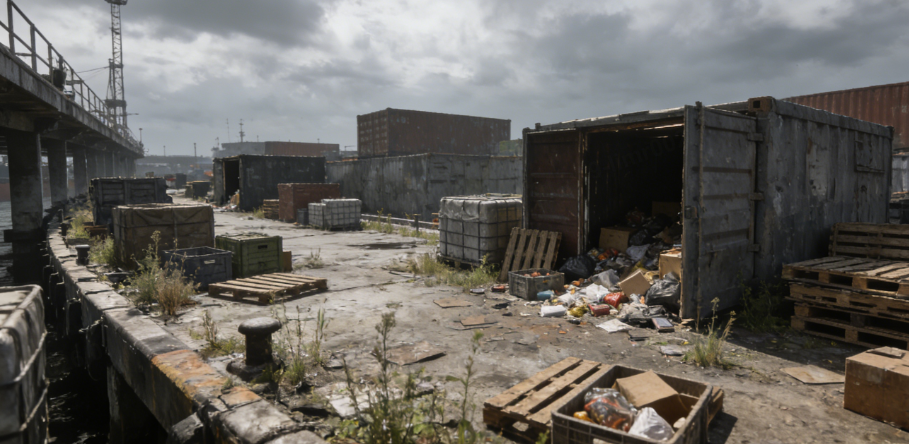
To solve the problem, we must first diagnose it. Cargo abandonment occurs when the owner of the goods fails to take delivery within a specified timeframe—usually 30 to 90 days, depending on local port regulations and the terms of the Bill of Lading.
The Financial Trigger: Demurrage and Detention
The most common cause of abandonment is the accumulation of “Demurrage and Detention” fees. These are penalties charged by carriers and ports for the use of containers and terminal space beyond the allotted “free time.” In many cases, these fees can quickly exceed the actual commercial value of the cargo inside the box. When a wholesaler realizes that paying $15,000 in storage for a $10,000 shipment of textiles makes no sense, they choose cargo abandonment as a form of “financial triage.”
Quality and Regulatory Disputes
Shipments are often abandoned because they do not meet the standards promised. If a buyer discovers that a shipment of electronics is defective or does not comply with local safety certifications (such as UL or CE), they may refuse to clear customs. Without a pre-negotiated return-to-origin (RTO) agreement, these goods are left to languish in customs-bonded warehouses.
The “Paperwork” Black Hole
Logistics is a game of documentation. A missing Certificate of Origin, a faulty Commercial Invoice, or a lost original Bill of Lading can stall a shipment indefinitely. For small-to-medium enterprises (SMEs), navigating the bureaucratic maze of international customs can be so overwhelming that they simply walk away from the shipment, resulting in official cargo abandonment.
The Legal and Operational Consequences of Abandoned Freight
When a shipment is declared abandoned, it doesn’t just disappear. It triggers a complex legal process that involves carriers, freight forwarders, and government authorities.
The Carrier’s Lien and Auction Rights
Under international maritime law, carriers have a “lien” on the cargo. This means they have the legal right to hold the goods until all freight and storage charges are paid. If the charges remain unpaid, the carrier or the port authority will move to auction the goods to recoup their losses. This is the primary source of the “unclaimed freight” market that many discount retailers utilize.
The Shipper’s Liability
Many shippers believe that once they “abandon” the goods, their financial responsibility ends. This is a dangerous misconception. In most jurisdictions, the carrier can still sue the original shipper (the exporter) for the balance of the unpaid storage and disposal fees if the auction proceeds do not cover the debt.
Environmental and Ethical Impact
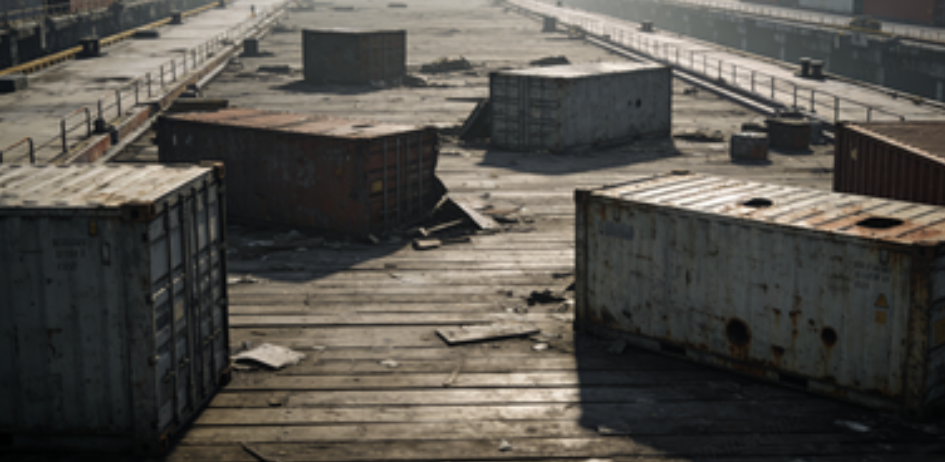
Beyond the financial loss, cargo abandonment poses an environmental risk. Abandoned containers taking up space in ports lead to congestion, which increases the carbon footprint of the entire logistics network. Furthermore, if the cargo contains hazardous materials or perishables, the disposal process becomes a costly and environmentally sensitive operation.
Strategic Prevention: How LooperBuy Eliminates Abandonment Risk
The best way to handle cargo abandonment is to ensure it never happens. Modern B2B sourcing platforms have redesigned the logistics flow to address the root causes of abandonment.
One-Stop Sourcing and Factory-Direct Transparency
The “information gap” between a factory in China and a brand in the USA is a major cause of disputes. LooperBuy bridges this gap by offering a One-Stop B2B Sourcing Platform where every product is vetted. When you can see the production status and verify quality before the ship leaves the dock, the chances of a “quality-based refusal” at the destination port drop to near zero.
Global Logistics Convenience and Low-Cost Shipping
Abandonment often happens because shipping costs were higher than expected, or logistics were too complex. LooperBuy leverages its massive global volume to provide convenient, low-cost global logistics. By providing “fully landed cost” transparency at the time of purchase, we ensure that B2B buyers are never surprised by port fees that exceed their budget.
Diverse Categories and Species Complete Catalog
Because LooperBuy offers goods across all major categories—from textiles to industrial machinery—we can consolidate shipments. Consolidated (LCL) shipments are managed more tightly by our logistics partners, ensuring that paperwork is handled correctly and “free time” at the port is maximized, preventing the spiral of demurrage that leads to cargo abandonment.
Advanced Insights: New Data and Industry Trends in 2026
The logistics landscape of 2026 is being shaped by “Hyper-Visibility” and “Predictive Analytics.” These technologies are specifically designed to combat the $12 billion annual problem of abandoned cargo.
Digital Twins and Real-Time Tracking
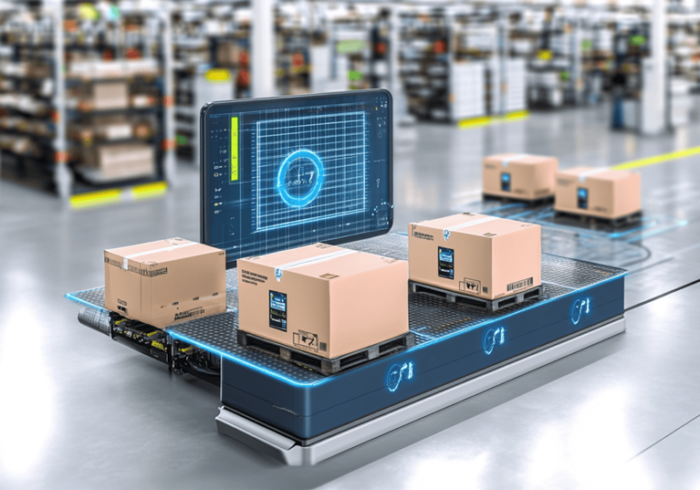
Forward-thinking platforms are now using “Digital Twins”—virtual replicas of the supply chain—to predict where bottlenecks will occur. If a port in Northern Europe is experiencing a strike, the system can automatically reroute a shipment or alert the buyer to extend their “free time” before the ship even arrives. This proactive management is a hallmark of the LooperBuy user experience.
The Rise of “Green” Disposal and Circular Sourcing
Instead of letting abandoned cargo sit in a landfill, the industry is moving toward a circular model. New B2B marketplaces are emerging that specialize in “Rescuing” abandoned cargo and redirecting it to charities or secondary markets before it incurs massive storage fees. This “Pre-Abandonment Liquidation” is a trend that is saving both money and the environment.
Blockchain for Document Integrity
The move toward digital Bills of Lading (eBL) on blockchain networks is eliminating the “lost paperwork” cause of cargo abandonment. When the transfer of ownership is instantaneous and tamper-proof, goods can be cleared through customs the moment they touch the quay, reducing terminal dwell time by an average of 40%.
Operational Blueprint: What to Do If Your Cargo Is Abandoned
If you find yourself facing a potential cargo abandonment scenario, you must act within the first 72 hours of the “Free Time” expiration.
Step 1: Immediate Negotiation with the Carrier
Carriers do not want to deal with abandoned cargo. It is a headache for them. Often, if you approach them early, they will negotiate a “lump sum” storage fee that is significantly lower than the daily rate.
Step 2: Diversion or Re-Export
If the original buyer has backed out, look for an alternative buyer in a nearby region. It is often cheaper to pay to divert the container to a different port than to let it sit and accumulate fees.
Step 3: Commercial Salvage
Contact a professional liquidator. They may buy the rights to the cargo “on the water,” allowing you to recover at least a portion of your manufacturing costs while they handle the logistics of clearing the goods.
Visualizing the Solution: UX Enhancements for Sourcing Platforms
To improve the user experience for B2B importers, digital platforms should incorporate specific visual cues:
- A “Risk Meter”: A dashboard element that flags shipments approaching their “Free Time” limit.
- Document Checklist: A visual progress bar showing which customs documents are verified and which are missing.
- Landed Cost Calculator: A tool that includes estimated demurrage in “worst-case” scenarios to help wholesalers plan their margins better.
The Role of LooperBuy in Supporting Global Brands
For国外品牌商 (foreign brand owners) and 生产商 (manufacturers), LooperBuy is more than just a marketplace; it is a risk-mitigation partner. Our advantage lies in our ability to provide direct procurement from China with the safety of a global service layer.
Empowering Wholesalers with Reliable Data
Wholesalers thrive on turnover. Cargo abandonment is the ultimate “turnover killer.” By using our platform, wholesalers can access a wide variety of Chinese goods with the assurance that the logistics path is optimized for speed and cost-effectiveness. We handle the “heavy lifting” of international trade, allowing our clients to focus on scaling their sales.
The Future of B2B Sourcing
The transition from traditional “freight forwarding” to “One-Stop Sourcing” is inevitable. Platforms that provide a seamless, end-to-end experience—from factory vetting to the “last mile” delivery—are the ones that will define the next decade of trade. LooperBuy is at the forefront of this transition, ensuring that the term cargo abandonment becomes a relic of the past for our partners.
Conclusion: Building a Resilient Supply Chain
In the modern B2B environment, cargo abandonment is a symptom of a fragmented and opaque supply chain. Whether it is caused by unexpected costs, quality disputes, or logistical errors, the result is always a loss of capital and trust. However, by adopting a strategic approach—utilizing the transparency and efficiency of a One-Stop B2B Sourcing Platform—businesses can turn these risks into opportunities for growth.
Success in 2026 requires more than just finding the lowest price; it requires finding the most reliable path. By leveraging LooperBuy’s global logistics convenience and direct access to China’s vast manufacturing species, you can build a supply chain that is not only profitable but also resilient against the disruptions of the global trade landscape. The era of “abandoning and hoping” is over; the era of intelligent, integrated sourcing has begun.
Related Questions & Answers
· What is the legal definition of cargo abandonment in international shipping?
Cargo abandonment occurs when a consignee or shipper fails to take delivery or provide instructions for the disposal of goods within a timeframe set by local port authorities or the carrier’s Bill of Lading. Legally, this allows the carrier to exercise a lien and sell the goods at auction to cover unpaid freight, demurrage, and storage charges.
· Who is ultimately responsible for the costs of abandoned cargo?
While the carrier will first attempt to recover costs from the consignee (the buyer), the ultimate responsibility often rests with the shipper (the exporter) under the terms of the Bill of Lading. If the auction of the goods does not cover the total debt of freight and storage, the carrier can legally pursue the shipper for the remaining balance.
· How does LooperBuy help prevent the financial losses associated with cargo abandonment?
- LooperBuy prevents abandonment by providing transparent, pre-negotiated logistics costs, so there are no “surprise” fees at the port.
- Our platform includes quality verification at the factory in China, ensuring the buyer will not refuse the shipment due to defects.
- We manage the documentation process centrally, reducing the risk of paperwork-related delays that lead to demurrage and eventual abandonment.
· Can abandoned cargo be “rescued” once the auction process has started?
In most cases, yes, but it becomes significantly more expensive. Once an auction is initiated, the owner must pay not only the original freight and storage fees but also the administrative and legal costs incurred by the port or carrier. It is always more cost-effective to resolve the issue before the official abandonment period expires.
· What happens to the “profit” from an auction of abandoned goods?
If an auction generates more money than the total of the unpaid freight, storage fees, and administrative costs, the surplus is legally supposed to be returned to the owner of the goods. However, in reality, storage fees at busy ports are so high that it is very rare for an auction to result in a surplus.
References:
- Federal Maritime Commission (FMC) – Understanding Demurrage and Detention
- International Maritime Organization (IMO) – Guidelines on Shipments and Liens
- LooperBuy – Official B2B Sourcing and Global Logistics Portal
- Journal of Commerce (JOC) – Trends in Global Cargo Abandonment 2025
- U.S. Customs and Border Protection (CBP) – Abandoned Merchandise Procedures
Article Brief:
This professional guide explores the critical issue of cargo abandonment in the B2B sector, analyzing its financial and legal root causes like demurrage and documentation errors. It highlights how the LooperBuy platform offers a “One-Stop” solution to these problems through transparent sourcing, low-cost global logistics, and pre-vetted factory access in China. The article provides actionable strategies for risk mitigation and explores future trends such as blockchain and predictive analytics, aiming to help wholesalers and brands build more resilient, high-margin supply chains in 2026.
Hot Tags:
B2B Sourcing Platform; China Wholesale Direct; Global Logistics Solutions; Cargo Abandonment Prevention; Supply Chain Risk Management; LooperBuy Services; Wholesale Trade Compliance; International Freight Optimization; One-Stop Procurement China; Demurrage And Detention Mitigation