In today’s fast-paced global trade environment, deciding between sea vs air cargo is more than a simple logistics choice—it is a critical business decision that impacts your bottom line, supply chain resilience, and customer satisfaction. As a B2B sourcing platform, LooperBuy helps businesses navigate this complexity by connecting you directly to Chinese manufacturers and streamlining global logistics to ensure efficiency and competitive pricing.
This guide provides an expert-led analysis, integrating current 2026 market dynamics to help you make informed decisions about your shipping requirements.
Table of Contents
Understanding the Core Differences
Choosing the right shipping mode depends on balancing urgency, cost, volume, and cargo type. While sea freight remains the backbone of global trade, air cargo serves as an essential lever for speed and high-value logistics icontainers.
| Feature | Sea Cargo | Air Cargo |
|---|---|---|
| Cost | Cost-effective for large, bulk volumes 6, 10 | Typically significantly higher 13, 9 |
| Speed | Slower (weeks/months) 10, 12 | Fast (days) 5, 7 |
| Reliability | Susceptible to port congestion icontainers | High, fewer handling points cargolineme |
| Best For | Heavy, bulky, non-urgent goods 6, 10 | Urgent, high-value, light goods 2, 13 |
| Sustainability | Significantly lower CO2 emissions 6, 15 | Higher carbon footprint 14, 15 |
The 2026 Logistics Landscape: Expert Insights
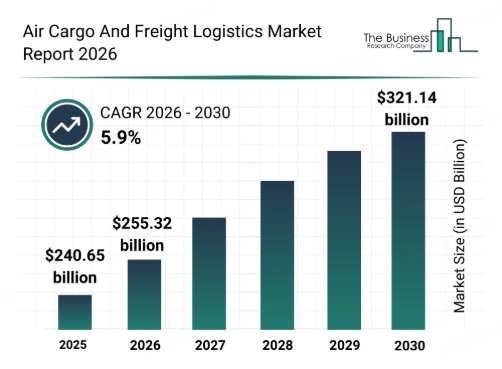
The freight market in 2026 is defined by structural challenges and new opportunities.
- Chokepoint Disruption: Structural risks at global chokepoints remain, necessitating robust scenario planning icontainers.
- Total Landed Cost: Beyond just freight rates, shippers must account for sticky costs including insurance, fuel, and compliance icontainers.
- Air as a Control Lever: Industry experts now view air freight not just as a “panic move” for emergencies, but as a strategic planned control lever to maintain supply chain flow when ocean networks are stressed icontainers.
Deep Dive: Analyzing the Trade-offs
The Economic Reality of Ocean Freight
Ocean freight accounts for over 80% of global trade volume by weight. For B2B companies sourcing bulk products from China via LooperBuy, ocean transport is almost universally the preferred method. The economies of scale are unmatched. By utilizing Full Container Loads (FCL), businesses can stabilize their cost-per-unit dramatically, which is essential for maintaining margins in competitive retail or manufacturing markets 6, 10.
The Strategic Velocity of Air Freight
While ocean shipping is about cost, air shipping is about market agility. In 2026, consumer trends shift in weeks. If your business relies on high-turnover inventory or faces sudden spikes in demand, the speed of air freight allows you to capture revenue that would otherwise be lost to “stock-outs.” While the immediate freight invoice is higher, the opportunity cost of missing a sales window often far outweighs the premium paid for air transport 2, 13.
How to Choose: Practical Decision Matrix
1. Analyze Your Shipment Profile
- Weight and Volume: If your cargo is heavy or bulky, Sea Cargo is almost always the better financial choice 11, 18.
- Value vs. Urgency: For high-value, small, or time-sensitive components, the speed of Air Cargo justifies the higher cost by minimizing inventory holding times 2, 13.
2. Prioritize Supply Chain Goals
- Sustainability: If your brand prioritizes lower carbon emissions, Sea Freight is the clear winner 6, 14.
- Flexibility: For businesses needing to pivot quickly due to shifting market demand, diversifying lanes and incorporating air options can provide a significant competitive edge icontainers.
3. Handling and Risk Assessment
- Damage Risk: Air freight involves fewer touchpoints, meaning your goods are handled less frequently between the factory in China and your warehouse cargolineme. This makes it safer for fragile or sensitive electronics.
- Security: Air hubs generally provide tighter security protocols, reducing the risk of cargo theft compared to long-haul ocean transit 7, 10.
The LooperBuy Advantage in Logistics Integration
At LooperBuy, we simplify this decision-making process. We understand that sourcing is only half the battle; getting goods to your door is the rest. Our platform enables you to:
- Directly Source: Purchase high-quality Chinese goods without unnecessary middlemen, ensuring transparency.
- Optimize Logistics: We analyze your shipment volume, destination, and product type to recommend the most cost-effective sea vs air cargo strategy.
- Reduce Costs: Take advantage of our consolidated logistics network to enjoy pricing that improves your total landed cost significantly.
Visual Recommendation: Insert a comparison bar chart here showing the “Cost vs. Time” curve for Sea vs Air to visually illustrate the inflection point where air becomes more economical due to time savings.
Expert Strategy: Hybrid Logistics Models
For many mature businesses, the choice is not “either-or,” but a hybrid approach.
- The Core-Flow Strategy: Maintain the bulk of your inventory via slower, cheaper ocean freight to maintain base stock levels.
- The Buffer-Flow Strategy: Use air freight to fulfill the “top-up” orders or to respond to unexpected demand spikes.
This balanced approach minimizes your overall logistics budget while maximizing your responsiveness to market trends 3, 4.
Conclusion
Navigating sea vs air cargo requires a strategic approach that aligns with your unique business model. By understanding the core trade-offs of cost, speed, and reliability in the 2026 market, you can optimize your supply chain for resilience. LooperBuy stands ready to assist you in bridging the gap between Chinese supply and global demand, offering seamless, cost-effective logistics solutions to help your business thrive.
Ready to streamline your global sourcing? Start your journey with LooperBuy today.
References
- [1] The Cooperative Logistics Network: Air Freight vs Sea Freight: What to choose under pressure?
- [2] Express Freight Oman: Sea Freight Forwarding Services vs Air Freight Which Is Better in 2026
- [3] iContainers: Ocean & Air Freight Market Outlook 2026
- [4] LinkedIn: Air vs Sea in 2026: Choosing the Right Mode Could Make or Break Your Supply Chain
- [5] Blue Water Shipping: Should you choose sea freight or air freight?
- [6] Carolina Logistics: Air Freight vs. Sea Freight: How to Pick the Right Shipping Method
- [7] ISS Relocations: The Pros and Cons of Air Freight and Sea Freight Shipping
- [8] Orex Trade: Air Freight vs Sea Freight: Which Is Better for Your International Business
- [9] Unival Logistics: Air Freight vs. Sea Freight – Comparison between the Cost, Speed
- [10] CargoLine: Exploring the Pros and Cons of Different Shipping Methods
- [11] Speedy Freight: Air Freight vs Sea Freight | What’s Best For Your Business
- [12] CargoTrans: The Pros and Cons of Air Freight vs. Ocean Freight Shipping
- [13] EP Logistics: Air or Ocean Freight? Choose the Best for Your Business
- [14] LinkedIn (Deccan Transcon): Sea Freight vs Air Freight: Choosing the Best Option
- [15] Globalia Logistics: Air Freight vs Sea Freight: Which One Should You Choose?
Frequently Asked Questions (FAQ)
- Which shipping method is cheaper?
Sea freight is significantly more cost-effective for large, bulk, or heavy shipments compared to air freight. 6, 11 - How much faster is air freight?
Air freight is dramatically faster, often delivering goods in days, whereas sea freight can take weeks or months. 5, 12 - When should I choose air freight?
Air freight is ideal for urgent, high-value, or lightweight goods where speed is more critical than cost. 2, 13 - Which mode is better for the environment?
Sea freight is much more sustainable, producing significantly lower carbon emissions per ton-mile compared to air transport. 6, 15 - Can LooperBuy help me choose the right method?
Yes, LooperBuy optimizes your logistics by providing tailored shipping solutions based on your specific urgency, volume, and budget.
Summary: This comprehensive 2026 guide helps B2B professionals master the strategic trade-offs between sea and air cargo. By evaluating cost, speed, and risk, it empowers businesses to optimize their supply chains. With insights on hybrid logistics and the LooperBuy platform’s role in sourcing and distribution, this article provides the expert clarity needed to balance efficiency with competitive market agility.
Hot tags: B2B sourcing, global logistics, sea vs air cargo, supply chain optimization, 2026 freight trends, ocean freight, air cargo, total landed cost, digital freight forwarding, trade compliance.