Summary: In China’s mature industrial belts (Jinjiang, Yiwu, Dongguan), the same product can vary in price by as much as 3x. The reason is not different raw materials, but rather the production systems, distribution chains, and fulfillment capabilities that quietly determine the true cost.
This article breaks down the underlying logic behind price differences and uses real cases to prove one thing: what truly impacts your profit is not the “lowest procurement price” but the total cost structure. We will also explore how LooperBuy helps cross-border sellers escape the “low‑price trap” and build a long‑term, controllable supply chain advantage.
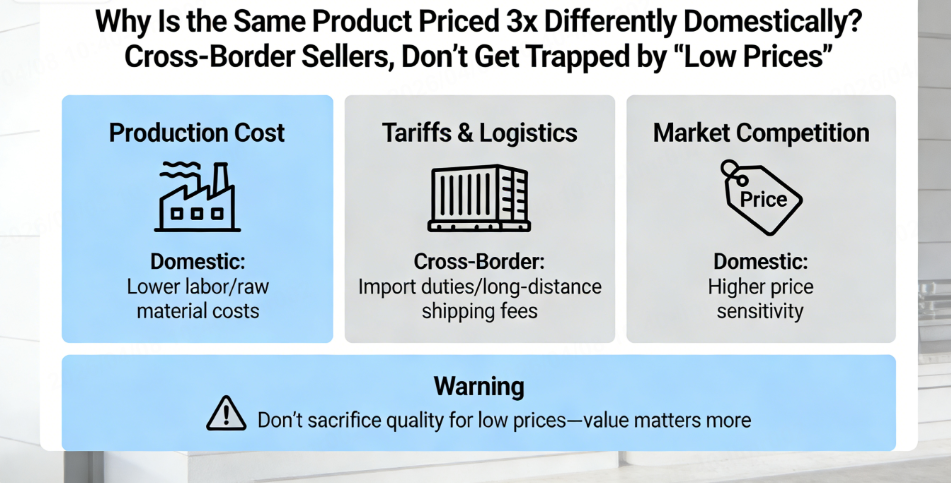
Table of Contents
Industrial Belt Stratification: Three “Factory Systems” Determine the Price Baseline in the Same Region
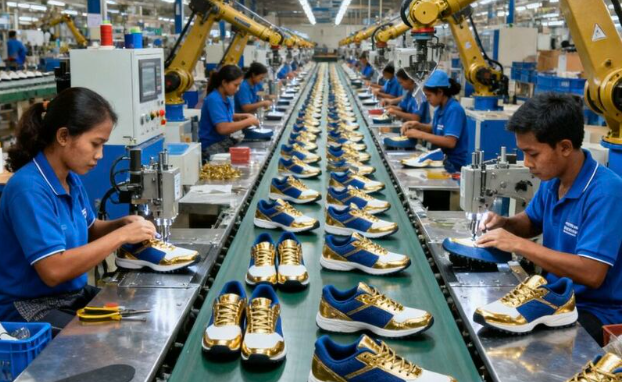
In mature industrial belts such as Jinjiang (footwear & apparel), Yiwu (small commodities), and Dongguan (electronics), the price differences for “the same product” essentially reflect the quality and risk costs of different production entities.
1 Standardized Production Factory (Brand/Export OEM)
- Uses virgin raw materials
- Complete production processes (including testing, aging, inspection)
- Supports international certifications such as CE, FCC
- Defect rate typically <3%
- 👉 Price range: Medium to high
2 Semi‑Standardized Factory (Domestic Sales Focus)
- Raw materials may be substituted (e.g., using lower‑grade materials instead of virgin)
- Simplified inspection processes (mostly sampling)
- Batch stability may fluctuate
- 👉 Price range: Medium
3 Small Workshop / Assembly‑Type Factory
- Uses recycled materials or leftover stock
- No standardized quality inspection process
- Obvious batch‑to‑batch variation (same SKU may show appearance or functional inconsistencies)
- 👉 Price range: Low
Key insight: Price difference ≠ profit difference. Instead, it reflects differences in quality stability + risk cost.
According to a sample survey of 1688 merchants:
- Low-cost sources: average return rate 20%–35%
- Standardized factory products: return rate 5%–10%
These differences ultimately translate into after‑sales costs, customer complaint costs, and inventory loss. What seems like saving on “unit price” often ends up losing money on “hidden costs”.
Distribution Layers: The Amplifier of Price Differences – The Further Downstream, the Less Transparent
The typical journey of a product from factory to cross‑border seller is:
Factory → Wholesaler → Secondary Distributor → E‑commerce Seller → End Merchant
Each layer adds:
- 10%–30% markup (channel profit)
- Information asymmetry costs (inability to verify source authenticity)
- Negotiation power differences (small sellers cannot access factory‑direct prices)
This is the core reason behind the differences you see on 1688: “factory direct price”, “distributor price”, and “dropshipping price”.
Take a basic Bluetooth headset as an example:
- Factory ex‑factory price: ¥11.5
- First‑tier distributor price: ¥15.8
- Platform dropshipping price: ¥22+
The price gap is nearly 2x. But more dangerously: the further downstream you go, the less controllable the quality becomes – mixed shipments, SKU substitutions, batch inconsistencies.
LooperBuy’s core strength is not “price comparison”. It is identifying genuine source factories, establishing stable supply relationships, and avoiding multiple layers of markup. This is supply chain structure optimization, not single‑point price squeezing.
Hidden Fulfillment Costs: The True Procurement Cost You Are Overlooking
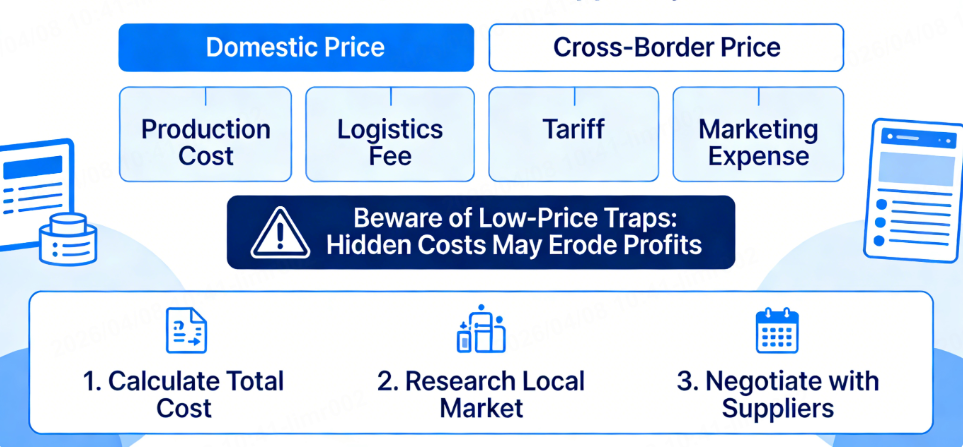
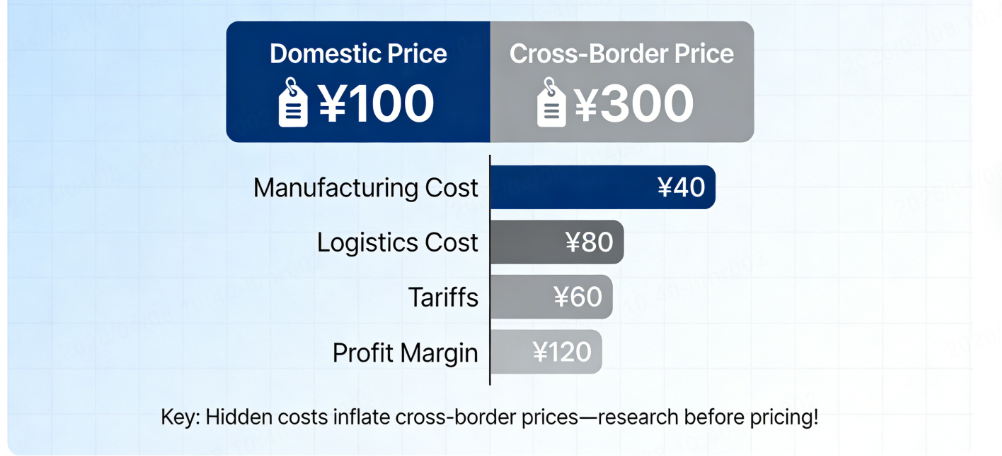
Many cross‑border sellers look only at the “unit price” and ignore the hidden costs in the fulfillment process. These costs often account for 15%–30% of total expenditure.
Quality Inspection & Defect Costs
Common issues with non‑inspected sources:
- Functional anomalies
- Appearance flaws
- Batch inconsistencies
- 👉 Industry average loss: 5%–20%
Consolidation & Shipping Errors
Common problems with platform dropshipping:
- Wrong SKU sent
- Quantity errors
- Inconsistent packaging
- 👉 Leads to secondary shipping and customer complaints (returns are much more expensive in cross‑border scenarios)
Domestic Warehousing & Sorting Costs
As order volumes grow, multi‑supplier consolidation, staggered arrivals, and repeated packing all add hidden costs.
LooperBuy’s value here: unified receiving at China warehouses, standardized quality inspection, centralized sorting and packing, and automatic separation of domestic and international orders – turning scattered hidden costs into controllable, predictable structured costs.
Real Case: From “Low‑Price Sourcing” to “Stable Profit” – A Complete Turnaround
A cross‑border home goods seller initially sourced low‑price products on 1688:
- Average purchase price: ¥6.2 (35% lower than the market average of ¥9.5)
- Actual operational data:
- Return rate 28%
- High negative review rate
- Inconsistent quality across batches
After adjusting the strategy, they worked with LooperBuy to connect with stable factories + unified quality inspection:
- Purchase price increased to ¥8.8
- Return rate dropped to 7%
- Customer complaints significantly reduced
Final results:
- Gross profit per unit increased by ~22%
- Store rating stabilized (platform ratings directly affect traffic)
- Sustainable replenishment capability improved (no need to constantly switch suppliers)
“I thought low prices meant higher profit. Later I realized returns and bad reviews ate up all the margin. LooperBuy helped turn our ‘invisible costs’ into ‘calculable profit’.”
— Operations manager of the seller
What truly determines profit is never the “lowest purchase price” – it is the “total cost structure”.
Conclusion: A 3x Price Difference Is Essentially a Supply Chain Capability Difference
The price differences in China’s domestic industrial belts stem from three things:
- Production system stratification (quality and stability differences)
- Redundant distribution chains (multiple markups and lack of transparency)
- Lack of fulfillment capabilities (uncontrollable hidden costs)
The cross‑border sourcing logic is shifting:
- From “find the lowest price” → “find stable supply”
- From “one‑off transaction” → “long‑term supply relationship”
- From “compare prices” → “compare supply chain efficiency”
What LooperBuy provides is not just a “sourcing channel”, but a supply chain solution suitable for scaled operations:
- Direct connection to quality factories in industrial belts (skip middlemen)
- Multi‑currency direct procurement (no complex settlements)
- Unified management & quality inspection at China warehouses (ensure consistency)
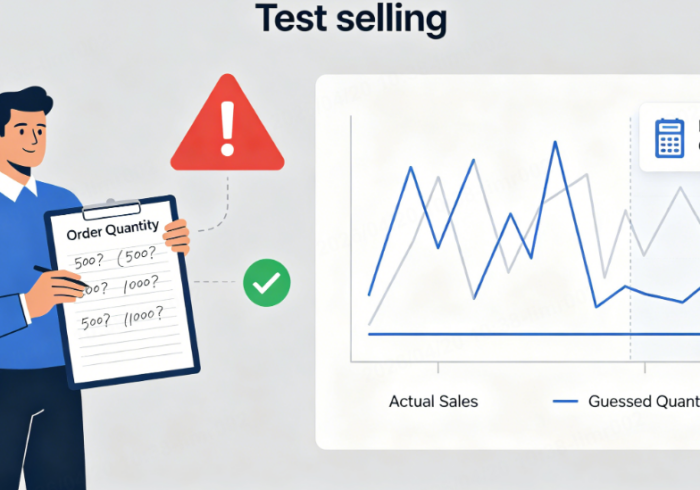
- Support for small‑batch testing and batch scaling (flexible for cross‑border sellers)
- Integrated fulfillment capabilities (reduce hidden costs)
A 3x price difference is never an opportunity in itself. Understanding the price structure is the real entry ticket to the supply chain.
For cross‑border sellers, instead of repeatedly falling into the “low‑price trap”, it is far better to exchange a controllable total cost for long‑term, stable profit. That is the true core competitiveness of a supply chain.