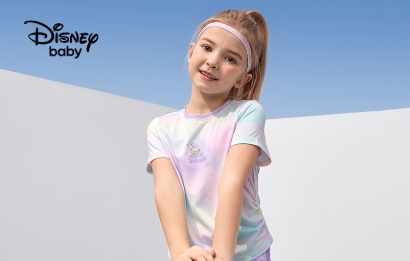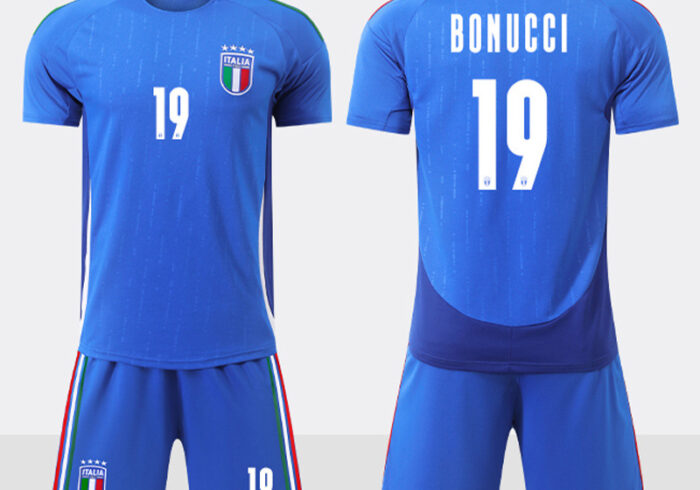
In today’s fast-paced world, the concept of daily clothing brands has gained significant traction. These brands cater to the everyday needs of consumers, offering stylish yet comfortable options that fit seamlessly into various lifestyles. As people increasingly seek clothing that can adapt to their busy schedules, daily clothes brands have emerged as essential players in the fashion industry. This article explores the characteristics that define a successful daily clothes brand, the trends shaping the industry, and the consumer preferences driving these brands’ popularity.
Table of Contents
Understanding Daily Clothes Brands
What Are Daily Clothes Brands?
Daily clothes brands focus on providing versatile, comfortable, and stylish clothing that can be worn for various occasions. These brands often emphasize practicality without sacrificing aesthetics, making them ideal for consumers who seek both functionality and fashion in their everyday wear. The rise of casual and relaxed styles has led to a demand for clothing that can transition from home to work, social gatherings, and even casual outings. This adaptability is a key selling point for daily clothes brands, as they cater to the modern consumer’s need for flexibility in their wardrobe.
The Importance of Comfort and Style
In the realm of daily clothing, comfort is paramount. Consumers today prioritize clothing that allows for ease of movement and adaptability throughout their day. Brands that successfully blend comfort with style tend to attract a loyal customer base. This balance is crucial, as many individuals are looking for outfits that can transition from casual settings to more formal environments without the need for a complete wardrobe change. The integration of soft fabrics, relaxed fits, and thoughtful design elements ensures that consumers feel good in what they wear, which in turn boosts their confidence and overall satisfaction with their clothing choices.
Key Features of Successful Daily Clothes Brands
Versatility in Design
A hallmark of successful daily clothes brands is their ability to offer versatile designs. Clothing items that can be mixed and matched or dressed up or down are particularly appealing. For instance, a simple t-shirt can be paired with jeans for a casual look or dressed up with a blazer for a more polished appearance. This versatility allows consumers to maximize their wardrobe without needing to invest in numerous pieces. Additionally, brands that provide layering options, such as cardigans or lightweight jackets, enhance the functionality of their collections, making it easier for consumers to adapt their outfits to changing weather conditions or different occasions.
Quality Materials
The choice of materials plays a significant role in the appeal of daily clothes brands. High-quality fabrics that are durable, breathable, and easy to care for are essential. Consumers are increasingly aware of the environmental impact of their clothing choices, leading many to prefer brands that prioritize sustainable materials and ethical production practices. Brands that invest in organic cotton, recycled polyester, and other eco-friendly materials not only appeal to environmentally conscious consumers but also enhance their reputation in a market that values sustainability. Furthermore, the longevity of quality materials means that consumers can enjoy their purchases for longer, reducing the need for frequent replacements and contributing to a more sustainable fashion cycle.
Trend Awareness
Daily clothes brands must stay attuned to current fashion trends while maintaining their unique identity. This awareness allows them to introduce fresh designs that resonate with consumers. Brands that can adapt to changing trends while remaining true to their core values often find greater success in the competitive fashion landscape. For example, the incorporation of bold colors, unique patterns, or innovative cuts can set a brand apart from its competitors. Additionally, brands that engage with their audience through social media and other platforms can gain valuable insights into emerging trends, allowing them to respond quickly and effectively to consumer demands.
The Role of Branding and Marketing
Building a Strong Brand Identity
A strong brand identity is crucial for daily clothes brands. This identity encompasses the brand’s values, mission, and aesthetic. Successful brands often create a narrative that resonates with their target audience, fostering a sense of community and loyalty among consumers. Engaging storytelling through marketing campaigns can significantly enhance brand recognition and consumer connection. For instance, brands that highlight their commitment to sustainability or ethical labor practices can attract consumers who share those values. By creating a relatable and authentic brand story, companies can build a loyal customer base that feels personally invested in the brand’s success.
Utilizing Social Media
In the digital age, social media has become a powerful tool for daily clothes brands. Platforms like Instagram and TikTok allow brands to showcase their products in real-time, engage with consumers, and build a community around their brand. Influencer partnerships and user-generated content can amplify a brand’s reach, making it essential for daily clothes brands to have a robust social media strategy. By leveraging visually appealing content and interactive features, brands can create a dynamic online presence that encourages consumer engagement and fosters a sense of belonging among their followers. Additionally, social media provides valuable feedback channels, allowing brands to adapt their offerings based on consumer preferences and trends.
Consumer Preferences and Trends
The Rise of Athleisure
One of the most significant trends influencing daily clothes brands is the rise of athleisure. This trend combines athletic wear with casual clothing, allowing consumers to wear comfortable, functional clothing in various settings. Brands that offer stylish athleisure options are well-positioned to capture the attention of consumers seeking both comfort and style. The popularity of athleisure reflects a broader cultural shift towards health and wellness, as more individuals prioritize active lifestyles. As a result, daily clothes brands that incorporate performance fabrics and functional designs into their collections can appeal to a growing demographic of health-conscious consumers.
Sustainability and Ethical Fashion
As consumers become more environmentally conscious, the demand for sustainable and ethically produced clothing has surged. Daily clothes brands that prioritize eco-friendly materials and transparent production processes are likely to attract a growing segment of the market. This shift towards sustainability is not just a trend; it reflects a fundamental change in consumer values. Brands that actively communicate their sustainability efforts, such as reducing waste or supporting fair labor practices, can differentiate themselves in a crowded marketplace. Moreover, consumers are increasingly willing to invest in higher-priced items if they believe those purchases contribute to a more sustainable future.
Personalization and Customization
Today’s consumers appreciate personalized shopping experiences. Daily clothes brands that offer customization options, such as tailored fits or unique designs, can create a more engaging shopping experience. This approach not only enhances customer satisfaction but also fosters brand loyalty. By allowing consumers to express their individuality through customized clothing, brands can create a deeper emotional connection with their audience. Additionally, personalized marketing strategies, such as targeted recommendations based on past purchases, can enhance the shopping experience and encourage repeat business.
Challenges Facing Daily Clothes Brands
Competition in the Market
The fashion industry is highly competitive, with numerous brands vying for consumer attention. Daily clothes brands must differentiate themselves through unique designs, quality, and marketing strategies. Establishing a strong online presence and engaging with consumers directly can help brands stand out in a crowded marketplace. Furthermore, brands that invest in innovative marketing techniques, such as collaborations with artists or limited-edition collections, can create buzz and attract new customers. Understanding the competitive landscape and continuously evolving to meet consumer needs is essential for long-term success.
Navigating Supply Chain Issues
Supply chain disruptions have become a significant challenge for many clothing brands. Daily clothes brands must navigate these issues while maintaining product quality and availability. Building strong relationships with suppliers and investing in local production can help mitigate some of these challenges. Additionally, brands that adopt flexible supply chain strategies, such as diversifying their supplier base or utilizing technology for better inventory management, can enhance their resilience in the face of unforeseen disruptions. By prioritizing transparency and communication throughout the supply chain, brands can build trust with consumers and ensure a consistent product offering.
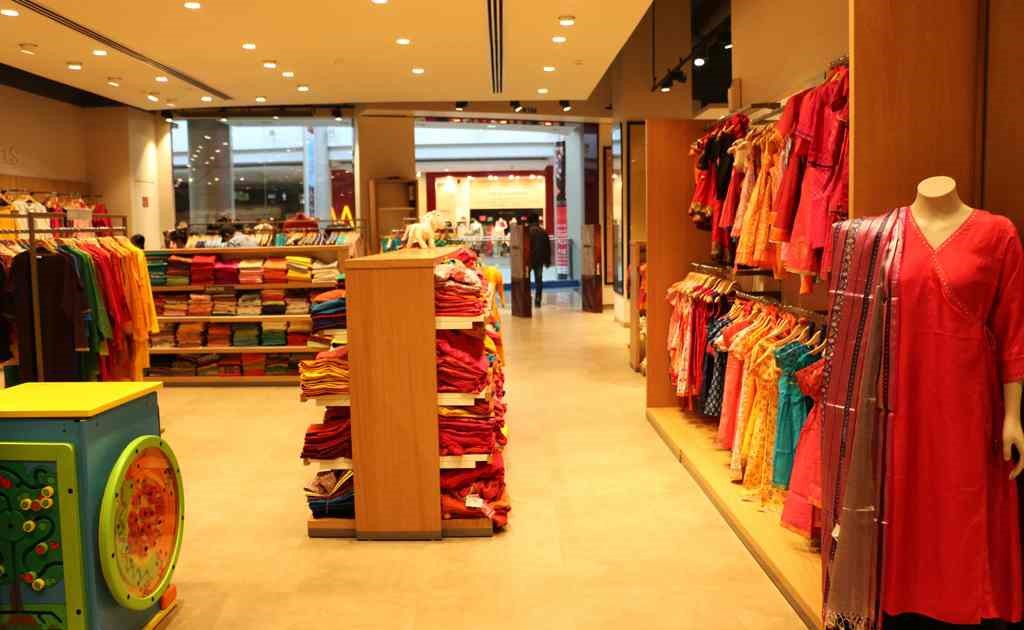
Conclusion
Daily clothes brands play a vital role in the modern fashion landscape, offering consumers stylish, comfortable, and versatile options for everyday wear. By focusing on quality, sustainability, and consumer engagement, these brands can thrive in a competitive market. As trends continue to evolve, daily clothes brands that adapt and innovate will likely lead the way in shaping the future of fashion. The ongoing dialogue between brands and consumers will be crucial in determining how these brands evolve to meet the changing needs and preferences of their audience.
How to purchase:https://looperbuy.com/search?keywords=daily+clothes+brand
Related Questions and Answers
1. What are some popular daily clothes brands?
Some popular daily clothes brands include Uniqlo, H&M, Zara, and Everlane, known for their stylish and affordable options.
2. How can I choose the right daily clothes brand for me?
Consider your personal style, budget, and values regarding sustainability and ethical production when choosing a daily clothes brand.
3. What materials should I look for in daily clothing?
Look for breathable, durable materials such as cotton, linen, and sustainable fabrics like Tencel or organic cotton.
4. How do daily clothes brands stay relevant?
They stay relevant by keeping up with fashion trends, engaging with consumers on social media, and adapting their offerings based on customer feedback.
5. What is athleisure, and why is it popular?
Athleisure is a trend that combines athletic wear with casual clothing, popular for its comfort and versatility, allowing for easy transitions between different activities throughout the day.