French kitchenware is synonymous with elegance, quality, and culinary excellence. From the rustic charm of traditional pieces to the sleek designs of modern cookware, French kitchenware has a unique ability to elevate any cooking experience. This article delves into the various aspects of French kitchenware, exploring its history, types, and the brands that have made a mark in kitchens around the world. The allure of French kitchenware lies not only in its functionality but also in its ability to inspire creativity and passion in the kitchen.
Table of Contents
The Rich History of French Kitchenware
French kitchenware has a storied history that reflects the country’s culinary traditions. The evolution of kitchen tools and cookware in France can be traced back to the Middle Ages when cooking was primarily done over open flames. As culinary techniques advanced, so did the tools used in the kitchen. The transition from simple cooking methods to more sophisticated techniques necessitated the development of specialized tools, leading to the creation of various kitchenware that catered to the needs of chefs and home cooks alike.
In the 18th century, the introduction of copper cookware marked a significant turning point. Copper pots and pans became the preferred choice for professional chefs due to their excellent heat conductivity. This period also saw the rise of ceramic and earthenware, which were used for baking and serving dishes. The craftsmanship involved in creating these pieces has been passed down through generations, making French kitchenware not just functional but also a work of art. The intricate designs and attention to detail in these pieces reflect the cultural heritage of France, where cooking is considered an art form.
Types of French Kitchenware
French kitchenware encompasses a wide range of items, each designed for specific culinary tasks. Here are some of the most popular types:
Copper Cookware
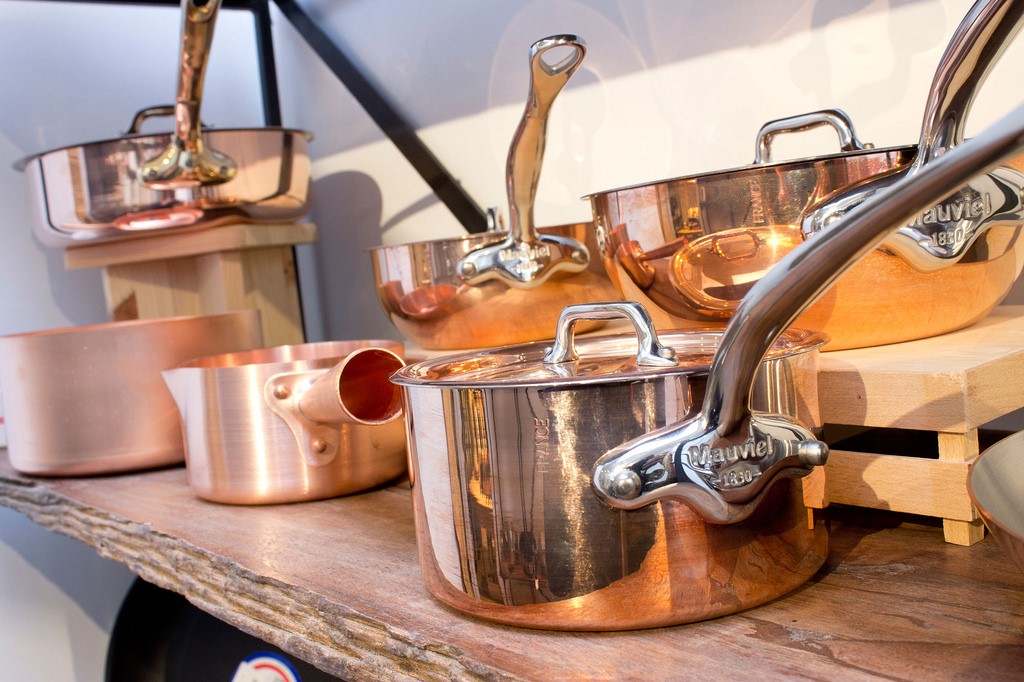
Copper cookware is a hallmark of French kitchens. Renowned for its superior heat conductivity, copper allows for precise temperature control, making it ideal for delicate sauces and confections. Many professional chefs prefer copper pots and pans for their ability to heat quickly and evenly. The aesthetic appeal of copper cookware, with its shiny surface and classic design, adds a touch of elegance to any kitchen. Brands like Mauviel and de Buyer are celebrated for their high-quality copper cookware, which is often handcrafted and designed to last a lifetime. The investment in copper cookware is not just about performance; it is also about owning a piece of culinary history.
Cast Iron Cookware
Cast iron cookware, particularly from brands like Le Creuset, is another staple in French kitchens. Known for its durability and heat retention, cast iron is perfect for slow-cooking and baking. The vibrant enamel finishes not only add a pop of color to the kitchen but also make the cookware easy to clean. Cast iron skillets and Dutch ovens are versatile tools that can be used for a variety of cooking methods, from frying to baking. The ability to go from stovetop to oven makes cast iron cookware a favorite among home cooks and professional chefs alike. Additionally, the natural non-stick properties that develop with proper seasoning enhance the cooking experience, allowing for healthier meal preparation.
Ceramic Bakeware
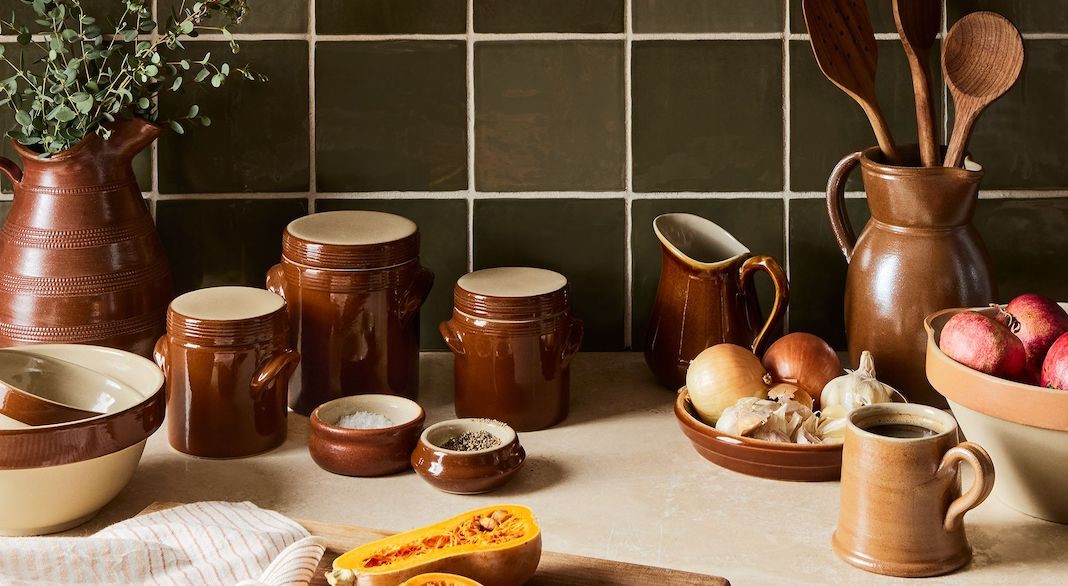
Ceramic bakeware, such as that produced by Emile Henry, is cherished for its aesthetic appeal and functionality. These pieces are perfect for baking dishes, casseroles, and even serving. The natural properties of ceramic allow for even cooking and excellent heat retention, making it a favorite among home cooks and professional chefs alike. The beautiful glazes and designs of ceramic bakeware can transform a simple dish into a stunning centerpiece for any table. Moreover, ceramic bakeware is often designed to be both oven and microwave safe, providing versatility in meal preparation and presentation.
Utensils and Gadgets
French kitchenware also includes a variety of utensils and gadgets that enhance the cooking experience. From wooden spoons and whisks to specialized tools like mandolins and zesters, these items are designed with both form and function in mind. Laguiole knives, known for their craftsmanship and elegance, are a prime example of the quality found in French kitchen utensils. The ergonomic designs of these tools not only make cooking easier but also more enjoyable. Investing in high-quality utensils can significantly improve the efficiency and precision of cooking, allowing chefs to focus on creativity and flavor.
The Influence of French Kitchenware on Culinary Arts
The impact of French kitchenware extends beyond the kitchen. It has influenced culinary arts worldwide, setting standards for quality and design. Many chefs and home cooks aspire to use French kitchenware, associating it with professionalism and culinary mastery. The reputation of French kitchenware as a benchmark for quality has led to its adoption in kitchens around the globe, where it is often seen as a symbol of culinary sophistication.
Aesthetic Appeal
One of the most compelling aspects of French kitchenware is its aesthetic appeal. The combination of functionality and beauty makes these pieces desirable not only for cooking but also for display. Many kitchens feature open shelving where colorful Le Creuset pots or polished copper pans are showcased, adding character to the space. The visual impact of French kitchenware can inspire creativity in cooking, encouraging chefs to present their dishes with the same care and attention to detail that went into their preparation. The art of plating and presentation is elevated when using beautiful cookware, making every meal a special occasion.
Culinary Techniques
French cooking techniques, such as sautéing, braising, and baking, are often best executed with the right tools. The precision offered by French kitchenware allows cooks to master these techniques, resulting in dishes that are both delicious and visually stunning. The use of high-quality materials ensures that the cookware can withstand the rigors of professional cooking while still being accessible to home chefs. Mastering these techniques not only enhances the flavor of the dishes but also builds confidence in the kitchen, allowing cooks to experiment and innovate.
Notable French Kitchenware Brands
Several brands have become synonymous with French kitchenware, each offering unique products that cater to different culinary needs.
Le Creuset
Founded in 1925, Le Creuset is perhaps the most recognized name in French kitchenware. Known for its colorful enameled cast iron cookware, the brand has become a staple in kitchens around the world. Le Creuset products are not only functional but also serve as beautiful serving pieces. The brand’s commitment to quality and innovation has led to a wide range of products, including bakeware, stoneware, and kitchen tools. The iconic Dutch oven, in particular, is celebrated for its versatility and ability to retain heat, making it ideal for a variety of cooking methods.
Mauviel
Mauviel has been producing copper cookware since 1830. The brand is renowned for its high-quality craftsmanship and innovative designs. Mauviel’s products are favored by professional chefs for their performance and durability. The attention to detail in the manufacturing process ensures that each piece meets the highest standards of quality. Mauviel also offers a range of stainless steel and non-stick cookware, catering to the diverse needs of modern kitchens while maintaining the brand’s commitment to excellence.
Emile Henry
Established in 1850, Emile Henry specializes in ceramic cookware and bakeware. The brand is known for its commitment to quality and sustainability, using natural materials to create beautiful and functional kitchenware. Emile Henry’s products are designed to withstand high temperatures and are often used in both conventional and microwave ovens. The brand’s focus on innovation has led to the development of unique products, such as their flame ceramic cookware, which can be used directly on the stovetop or grill.
de Buyer
With a history dating back to 1830, de Buyer is known for its premium cookware and utensils. The brand focuses on traditional craftsmanship and innovative designs, offering a wide range of products for both professional and home cooks. De Buyer is particularly known for its carbon steel pans, which are favored for their ability to develop a natural non-stick surface over time. The brand’s commitment to quality and performance has made it a trusted choice among chefs worldwide.
Cristel
Cristel is known for its high-end cookware that features removable handles, allowing for easy storage and versatility. Founded in Burgundy, France, the brand combines modern design with traditional craftsmanship. Cristel’s innovative approach to cookware design has garnered attention for its practicality and aesthetic appeal. The ability to customize cookware with different handle options makes Cristel a popular choice for those looking to maximize kitchen space without sacrificing style.
Caring for French Kitchenware
To ensure the longevity of French kitchenware, proper care and maintenance are essential. Here are some tips for keeping your kitchenware in top condition:
Copper Cookware
Copper cookware should be cleaned with a gentle copper cleaner to maintain its shine. Avoid using abrasive materials that can scratch the surface. It is also important to regularly season the interior with oil to prevent food from sticking. Proper care not only preserves the appearance of copper cookware but also enhances its performance, ensuring that it continues to deliver exceptional results in the kitchen.
Cast Iron Cookware
Cast iron cookware should be seasoned regularly to maintain its non-stick surface. After each use, clean it with hot water and a soft sponge, avoiding soap. Dry it thoroughly to prevent rusting. Regular seasoning with oil helps to build up a natural non-stick layer, making cooking and cleaning easier. With proper care, cast iron cookware can last for generations, becoming a cherished family heirloom.
Ceramic Bakeware
Ceramic bakeware is generally dishwasher safe, but hand washing is recommended to preserve the finish. Avoid sudden temperature changes, as this can cause cracking. Storing ceramic bakeware properly, away from heavy items, can also prevent chipping and damage. The durability of ceramic makes it a reliable choice for everyday use, and with proper care, it can maintain its beauty for years.
Utensils
Wooden utensils should be washed by hand and occasionally treated with mineral oil to prevent drying out. Metal utensils should be cleaned with mild soap and water. Proper care of utensils ensures that they remain functional and aesthetically pleasing, allowing cooks to enjoy their kitchen tools for many years.
Conclusion
French kitchenware is more than just tools for cooking; it is a celebration of culinary art and craftsmanship. The combination of quality materials, innovative designs, and rich history makes French kitchenware a cherished addition to any kitchen. Whether you are a professional chef or a home cook, investing in French kitchenware can enhance your cooking experience and inspire culinary creativity. The beauty and functionality of these pieces not only elevate the cooking process but also transform the kitchen into a space of inspiration and joy.
How to purchase:https://looperbuy.com/search?keywords=french+kitchenware
Frequently Asked Questions
1.What is the best type of French kitchenware for beginners?
For beginners, enameled cast iron cookware from brands like Le Creuset is highly recommended due to its versatility and ease of use. It can be used for a variety of cooking methods and is forgiving for novice cooks.
2.Are French kitchenware brands environmentally friendly?
Many French kitchenware brands, such as Emile Henry, focus on sustainability and use natural materials in their products. This commitment to the environment is increasingly important to consumers.
3.How do I choose the right French cookware for my needs?
Consider the types of dishes you frequently prepare and choose cookware that suits those cooking methods, such as copper for sauces or cast iron for slow cooking. Assessing your cooking style will help you make informed choices.
4.Can I use metal utensils with non-stick French cookware?
It is advisable to use silicone or wooden utensils with non-stick cookware to prevent scratching the surface. This will help maintain the integrity of the non-stick coating and prolong the life of the cookware.
5.Where can I buy authentic French kitchenware?
Authentic French kitchenware can be purchased from specialty kitchen stores, online retailers, and directly from brand websites. Look for authorized dealers to ensure you are getting genuine products.