In the world of audio devices, the choice between headband earphones and traditional headphones can significantly impact your listening experience. Both types of devices have their unique features, advantages, and disadvantages. This article will explore the differences between headband earphones and traditional headphones, helping you determine which option is best suited for your needs.
Table of Contents
Understanding Headband Earphones
What Are Headband Earphones?
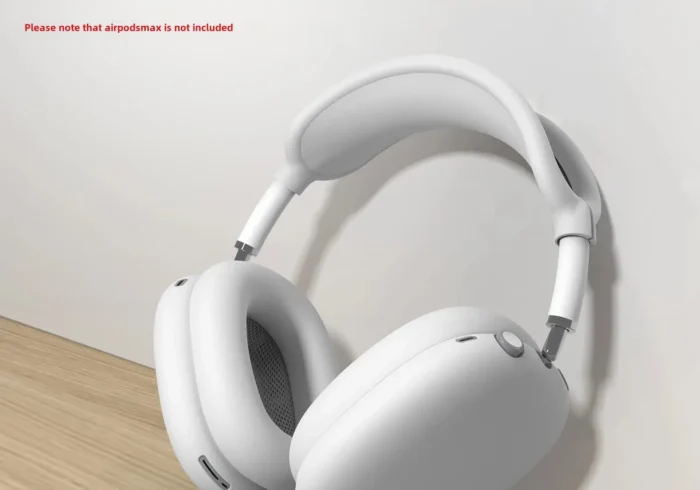
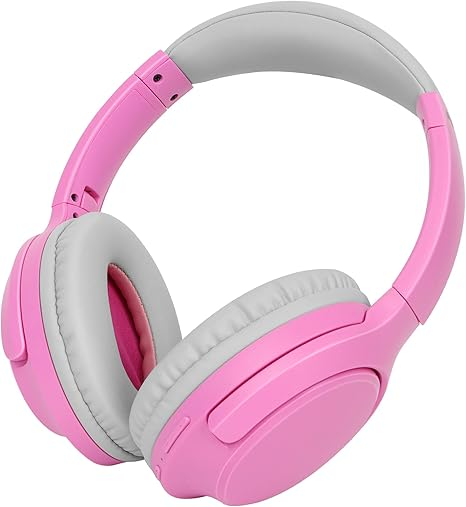
Headband earphones, often referred to as over-ear or on-ear headphones, are designed to rest on or around the ears. They typically feature a padded headband that connects two ear cups, providing a secure fit. This design allows for larger drivers, which can enhance sound quality and provide a more immersive listening experience. The construction of headband earphones often includes materials like plastic, metal, and soft padding, which contribute to their durability and comfort. Many models also come with adjustable headbands to ensure a perfect fit for different head sizes.
Advantages of Headband Earphones
1. Sound Quality: One of the most significant advantages of headband earphones is their superior sound quality. The larger drivers can produce a wider frequency range, resulting in richer bass and clearer highs. This capability makes them ideal for audiophiles who appreciate detailed sound reproduction. Additionally, many high-end models are equipped with advanced technologies such as noise cancellation and sound enhancement features, further elevating the listening experience.
2. Comfort: Many users find headband earphones more comfortable for extended listening sessions. The padding on the ear cups and headband can reduce pressure on the ears, making them ideal for long periods of use. This comfort is particularly beneficial for those who enjoy binge-watching shows or listening to music for hours on end. Some models even feature breathable materials that help keep your ears cool during extended wear.
3. Noise Isolation: Headband earphones often provide better noise isolation compared to smaller earbud designs. This feature allows users to enjoy their music without external distractions, making them suitable for noisy environments. The design of over-ear models helps to create a seal around the ears, blocking out ambient noise effectively. This is especially useful in settings like public transport or busy offices.
4. Durability: Generally, headband earphones are built to last longer than their earbud counterparts. The robust construction can withstand daily wear and tear, making them a worthwhile investment. Many brands offer warranties and guarantees, reflecting their confidence in the durability of their products. Additionally, some models come with replaceable parts, such as ear pads and cables, which can extend the lifespan of the headphones.
Disadvantages of Headband Earphones
1. Portability: One of the main drawbacks of headband earphones is their size. They can be bulky and less portable than earbuds, making them less convenient for travel. While some models are foldable, they still take up more space in a bag compared to compact earbuds. This can be a significant consideration for travelers or those who commute frequently.
2. Heat and Sweat: During extended use, headband earphones can cause heat buildup around the ears, leading to discomfort. This issue can be particularly noticeable in warmer climates or during physical activities. Users may find themselves needing to take breaks to relieve discomfort, which can interrupt their listening experience. Some brands have addressed this issue by incorporating moisture-wicking materials and ventilation systems into their designs.
3. Price: High-quality headband earphones can be more expensive than earbuds. While there are budget options available, premium models often come with a higher price tag. This price disparity can make it challenging for consumers to choose the right product, especially if they are on a tight budget. However, investing in a good pair of headband earphones can pay off in terms of sound quality and comfort.
Exploring Traditional Headphones
What Are Traditional Headphones?
Traditional headphones encompass a wide range of audio devices, including both over-ear and on-ear designs. They are characterized by their ability to deliver high-quality sound while being more compact than headband earphones. Traditional headphones can be wired or wireless, offering flexibility in how they connect to audio sources. This versatility makes them suitable for various activities, from casual listening to professional audio work.
Advantages of Traditional Headphones
1. Versatility: Traditional headphones come in various styles, including in-ear, on-ear, and over-ear designs. This variety allows users to choose a model that best fits their lifestyle and preferences. For instance, in-ear headphones are perfect for active individuals who need something lightweight and secure, while over-ear models may appeal to those who prioritize sound quality.
2. Portability: Many traditional headphones, especially in-ear models, are designed for portability. They can easily fit into pockets or small bags, making them ideal for on-the-go listening. This convenience is a significant advantage for commuters, travelers, and anyone who frequently moves between locations. Some models even come with carrying cases for added protection and ease of transport.
3. Affordability: Traditional headphones often come at a lower price point compared to headband earphones. This affordability makes them accessible to a broader audience. Consumers can find a wide range of options that fit their budget without sacrificing too much on quality. This price range allows users to experiment with different styles and brands without a significant financial commitment.
4. Lightweight: Many traditional headphones are lightweight, making them comfortable for extended wear without causing fatigue. This feature is particularly beneficial for users who enjoy long listening sessions, such as gamers or podcast enthusiasts. The lightweight design also contributes to their portability, making them easy to carry around.
Disadvantages of Traditional Headphones
1. Sound Quality: While many traditional headphones offer good sound quality, they may not match the audio performance of high-end headband earphones. Smaller drivers can limit the depth and richness of sound. Audiophiles may find that traditional headphones lack the same level of detail and clarity, especially in complex musical passages.
2. Comfort: Some users may find traditional headphones less comfortable for long listening sessions, especially if they do not fit securely in the ear. In-ear models can cause discomfort for some individuals, particularly if they are not the right size or shape. This discomfort can detract from the overall listening experience, leading to frustration during extended use.
3. Noise Isolation: Traditional headphones, particularly in-ear models, may not provide the same level of noise isolation as headband earphones. This factor can be a disadvantage in noisy environments. Users may find themselves needing to increase the volume to drown out background noise, which can lead to ear fatigue and potential hearing damage over time.
Key Differences Between Headband Earphones and Traditional Headphones
| Feature | Headband Earphones | Traditional Headphones |
| Sound Quality | Superior sound quality with larger drivers | Good sound quality, but may vary by model |
| Comfort | Generally more comfortable for long use | Can be less comfortable for extended wear |
| Portability | Bulky and less portable | More portable, especially in-ear models |
| Noise Isolation | Better noise isolation | Varies; in-ear models may isolate well |
| Price | Often more expensive | Generally more affordable |
Choosing the Right Option for You
When deciding between headband earphones and traditional headphones, consider the following factors:
1. Usage Scenario
– For Home Use: If you primarily listen to music at home, headband earphones may be the better choice due to their superior sound quality and comfort. They can create an immersive listening environment, making them ideal for enjoying music, movies, or gaming.
– For Travel: If you need something portable for commuting or traveling, traditional headphones, especially in-ear models, are more convenient. Their compact size allows for easy storage and quick access when you’re on the go.
2. Sound Quality Preference
If you prioritize sound quality and immersive listening experiences, headband earphones are likely the better option. However, if you are satisfied with good sound quality and need something more compact, traditional headphones may suffice. Consider your listening habits and the types of audio you enjoy most when making your decision.
3. Comfort Needs
Consider how long you plan to wear your headphones. If you often listen for extended periods, headband earphones may provide the comfort you need. Conversely, if you prefer lightweight options, traditional headphones might be more suitable. Trying on different models can help you find the best fit for your ears and head shape.
4. Budget
Your budget will also play a significant role in your decision. If you are looking for a high-quality audio experience without breaking the bank, traditional headphones may offer better value. However, investing in a good pair of headband earphones can pay off in terms of sound quality and comfort, making them a worthwhile long-term investment.
Conclusion
In conclusion, both headband earphones and traditional headphones have their unique advantages and disadvantages. The right choice ultimately depends on your personal preferences, usage scenarios, and budget. By considering the factors outlined in this article, you can make an informed decision that enhances your listening experience. Whether you opt for the immersive sound of headband earphones or the portability of traditional headphones, the key is to choose a product that aligns with your lifestyle and audio needs.
How to purchase:https://looperbuy.com/search?keywords=headband+earphones
Frequently Asked Questions
1. Are headband earphones better for sound quality than traditional headphones?
Yes, headband earphones typically have larger drivers, which can provide better sound quality and a more immersive listening experience. This makes them a preferred choice for audiophiles and those who appreciate high-fidelity sound.
2. Can I use headband earphones for exercise?
While headband earphones can be used for exercise, they may not be as secure or sweat-resistant as traditional in-ear models. Consider your activity level and the type of workouts you do when choosing headphones for exercise.
3. Do traditional headphones offer good noise isolation?
Noise isolation varies by model. In-ear traditional headphones generally provide better isolation than on-ear or over-ear models. If noise isolation is a priority, look for models specifically designed for that purpose.
4. Are headband earphones more expensive than traditional headphones?
Generally, high-quality headband earphones tend to be more expensive than traditional headphones, but there are budget options available for both types. It’s essential to compare features and sound quality to find the best value for your needs.
5. Which type of headphones is more comfortable for long listening sessions?
Headband earphones are often more comfortable for extended use due to their padded design, while traditional headphones may cause discomfort over time, especially if they do not fit securely in the ear. Trying different models can help you find the most comfortable option for your listening habits.