Table of Contents
Introduction
In Italy’s competitive B2B mobile tempered glass market, buyers must navigate a landscape of diverse suppliers, innovative materials, and evolving regulations. This purchase guide will help you identify reliable suppliers, understand market trends, and make informed bulk purchasing decisions.
Key Trends in Italy’s Mobile Tempered Glass Market
Innovation in Glass Technology
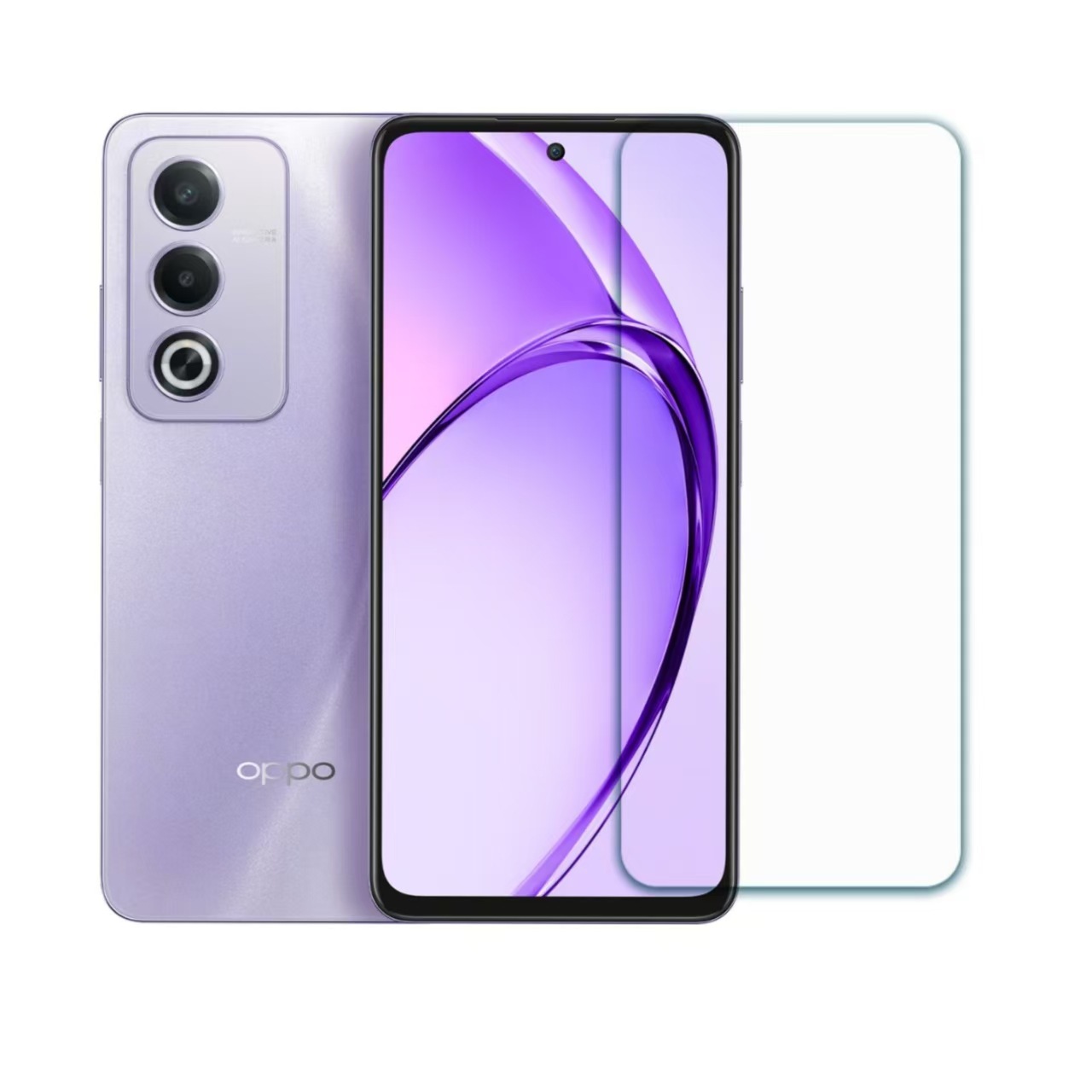
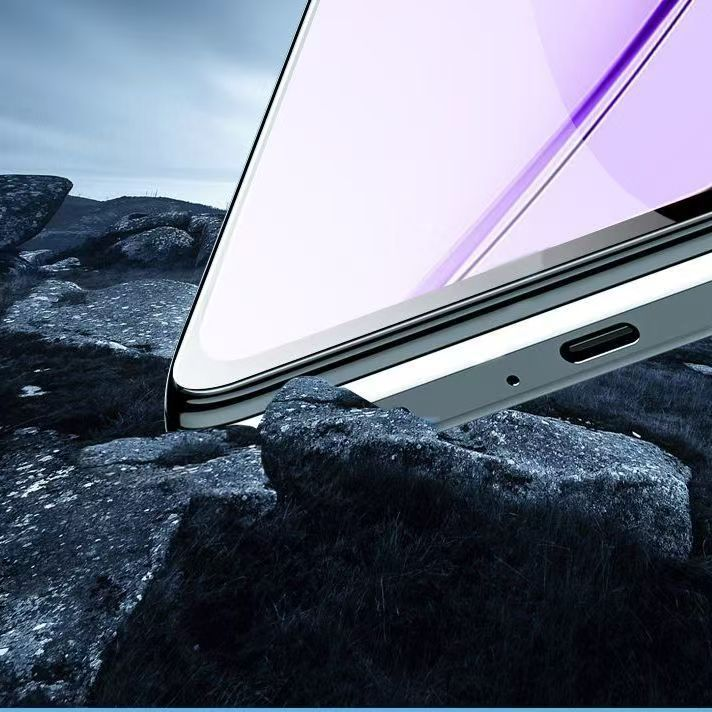
Italian manufacturers are at the forefront of tempered glass technology. They offer products with advanced features such as 9H hardness, oleophobic coatings, and anti-blue light properties. Innovations like self-healing nano-coatings and privacy filters activated via smartphone apps are also emerging.
- Self-Healing Nano-Coatings: These advanced coatings repair minor scratches automatically, extending the product’s lifespan. This technology involves a nano-thin layer that responds to heat from the user’s hand to restore the glass surface.
- Smart Privacy Filters: Activated via smartphone apps, these filters can switch between transparent and privacy modes. When activated, they prevent shoulder surfing by limiting the viewing angle of the screen.
Sustainability Practices
There is a growing emphasis on sustainability. Some manufacturers use recycled glass and biodegradable adhesives. For example, some products incorporate 30% post-consumer recycled glass, aligning with the demand for eco-friendly products.
- Recycled Materials: Italian manufacturers are increasingly using glass from post-consumer sources, reducing the environmental impact. This involves a rigorous recycling process to ensure the same optical clarity and durability as virgin glass.
- Biodegradable Adhesives: These adhesives break down naturally over time without leaving harmful residues. They are designed to maintain strong bonding while being environmentally friendly.
Market Expansion
The tempered glass market is expanding due to increasing demand for 5G-compatible and AR-integrated products. Heat-resistant tempered glass for 5G devices and glass with embedded QR codes for augmented reality marketing are gaining traction.
- 5G Heat-Resistant Glass: Specifically designed to withstand the higher thermal loads from 5G devices, this glass prevents yellowing and maintains clarity over time. The heat-resistant properties are achieved through specialized thermal treatments.
- AR-Integrated Glass: With embedded QR codes, these tempered glasses enable interactive marketing campaigns. When scanned, the QR code can link to promotional content or product information, enhancing user engagement.
Types of Suppliers in Italy
Manufacturers (OEM/ODM)
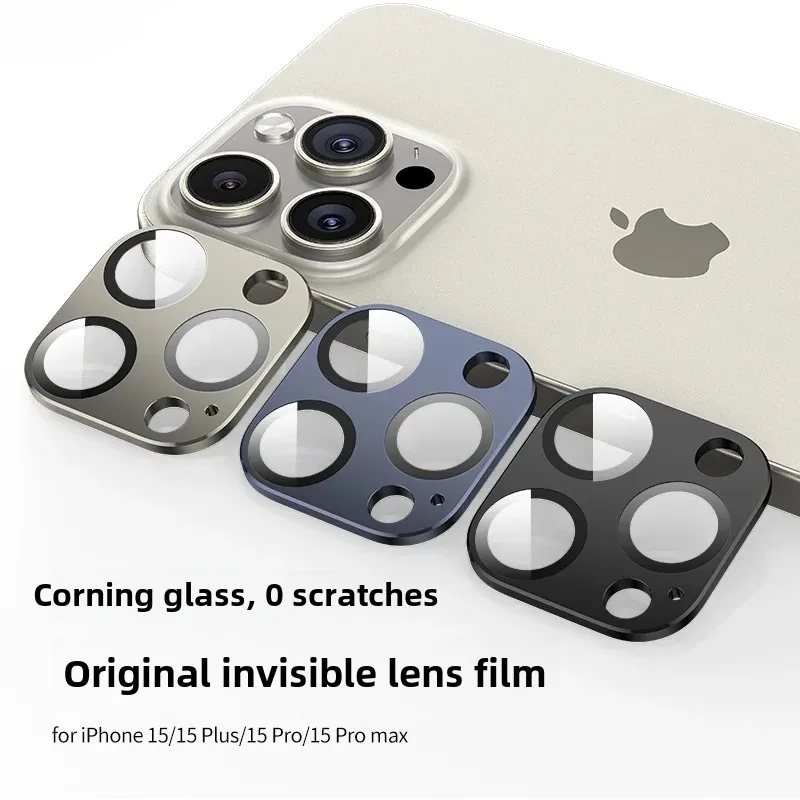
Italian manufacturers like Meibo Mobile Tempered Glass Factory provide customized solutions and adhere to high-quality standards. They offer tailored tempered glass for specific phone models with private-label branding. They utilize advanced technologies such as Corning Gorilla Glass or Asahi Glass Company materials and precision cutting machines.
- Customization Capabilities: Italian manufacturers excel in creating custom designs. They can produce glass with specific shapes, sizes, and branding elements to meet unique requirements. This includes custom packaging and labeling options.
- Quality Assurance: These manufacturers invest in state-of-the-art testing equipment to ensure each batch meets stringent quality standards. Testing includes impact resistance, scratch resistance, and optical clarity assessments.
Distributors and Trading Companies
Distributors and trading companies in Italy source products from multiple manufacturers and offer multi-brand portfolios. They often have regional warehousing facilities in cities like Milan or Naples, enabling fast EU-wide shipping within 2–4 business days.
- Product Diversity: Distributors provide a wide range of products from different manufacturers. This allows buyers to source various types of tempered glass under one roof, simplifying the procurement process.
- Logistical Support: With their extensive logistics networks, these companies can handle large volumes of shipments efficiently. They often offer additional services like inventory management and order fulfillment.
B2B Marketplaces
Platforms like 1688.com allow buyers to access Chinese suppliers via Italian agents for bulk orders at ultra-low pricing. Specialized B2B marketplaces connect buyers with European suppliers offering white-label services and dropshipping integration.
- Cost-Effective Sourcing: These platforms provide access to competitive pricing due to direct connections with manufacturers. They often facilitate negotiations for bulk orders, ensuring significant cost savings.
- Service Integration: Many B2B marketplaces offer additional services such as quality control, shipping coordination, and after-sales support. These services help streamline the procurement process and reduce buyer risk.
Strategies for Partnering with Italian Suppliers
Supplier Verification
- Compliance Checks: Ensure products meet EU regulations such as REACH and RoHS. Verify CE markings and request test reports from accredited labs like TÜV Rheinland.
- Factory Audits: Hire third-party agencies to inspect production lines and material sourcing. Check for dust-free assembly rooms and precision cutting machines.
- Sample Testing: Evaluate samples for fit, clarity, impact resistance, and other quality parameters. Conduct drop tests from 1.5 meters onto concrete to assess durability.
Cost Optimization
Negotiate bulk discounts for orders exceeding 1,000 units. Opt for thinner tempered glass (e.g., 0.3mm instead of 0.5mm) to reduce costs. Leverage Italy’s EU membership for duty-free intra-EU shipments.
- Bulk Discount Negotiation: Italian suppliers often provide volume-based discounts. Establish clear terms and conditions for bulk orders to maximize savings.
- Material Selection: Thinner glass not only reduces material costs but also improves user experience by being less obtrusive. Ensure the thinner glass still meets impact resistance standards.
Logistics and Inventory Management
Choose Delivered Duty Paid (DDP) shipping terms for hassle-free EU imports. Partner with suppliers offering Just-in-Time (JIT) delivery with lead times of 5–7 days. Use eco-friendly packaging like recyclable PET boxes to appeal to environmentally conscious markets.
- DDP Terms: These terms simplify the import process by having the supplier handle all customs clearance and related costs. This reduces administrative burdens and potential delays.
- Inventory Management: JIT delivery helps minimize inventory holding costs and reduces the risk of stock obsolescence. It also ensures products are available when needed, improving customer satisfaction.
Challenges and Solutions
Quality Control
Address issues like bubbling or peeling edges by requiring suppliers to use plasma surface treatment for better adhesion. Specify ±0.05mm thickness tolerance in contracts and conduct random batch inspections.
- Plasma Treatment: This advanced process enhances adhesion and reduces bubbles by cleaning the glass surface at a molecular level. It ensures a stronger bond between the glass and the screen.
- Thickness Tolerance: Tighter thickness tolerances improve fit and functionality. Specify these requirements in contracts to ensure consistency across batches.
Regulatory Compliance
Verify CE marking authenticity via the EU’s NANDO database and request a Declaration of Conformity. Ensure packaging labels meet EU language requirements.
- NANDO Database: Cross-referencing with this database ensures the CE marking is legitimate and applicable to the product. This step is crucial for avoiding regulatory issues.
- Labeling Requirements: EU regulations mandate specific language requirements for packaging. Ensure all labels are in the appropriate languages for the target markets.
Logistical Complexities
Work with suppliers pre-registered with the EU’s Authorized Economic Operator (AEO) program to avoid customs delays. Use Italian suppliers for EU shipments to bypass UK border checks post-Brexit.
- AEO Program: Suppliers with AEO status benefit from expedited customs processes. This reduces delivery times and potential inventory shortages.
- Post-Brexit Adjustments: Using Italian suppliers for EU shipments avoids the additional checks and paperwork required for shipments to the UK, streamlining logistics.
Conclusion
Italy’s mobile tempered glass market offers high-quality, innovative products with strong regulatory compliance. By carefully verifying suppliers, optimizing costs, and aligning with sustainability and technological trends, businesses can secure a competitive edge in the evolving mobile accessories landscape.
How to purchase:https://looperbuy.com/search?keywords=Italy+bulk+mobile+tempered+glass+purchase+guide
Related Questions & Answers
· How do I verify a supplier’s CE marking authenticity?
Cross-check the CE certificate number in the EU’s NANDO database and request a Declaration of Conformity signed by the manufacturer.
· What is the minimum order quantity (MOQ) for Italian suppliers?
MOQs typically start at 500–1,000 units per design, though some suppliers accept smaller orders for generic models.
· Are there Italian suppliers offering anti-microbial screen protectors?
Yes. Look for suppliers using silver ion or nano-copper coatings compliant with ISO 22196.
· How can I reduce shipping costs within the EU?
Partner with suppliers in Italy’s logistics hubs (e.g., Milan) and consolidate orders for bulk discounts.
· Can I request custom packaging designs?
Most Italian OEM suppliers offer custom logo printing and packaging, with MOQs as low as 500 units.
Hot Tags: Italian Tempered Glass Suppliers; CE Certified Screen Protectors; Anti-Blue Light Glass; OEM Mobile Accessories; EU Compliance Standards; Bulk Tempered Glass Orders; Eco-Friendly Phone Accessories; 9H Hardness Protectors; Privacy Screen Filters