Korean kitchenware has gained immense popularity in recent years, not just for its aesthetic appeal but also for its functionality and health benefits. This article explores the various aspects of Korean kitchenware, highlighting why it can revolutionize your cooking routine. From traditional tools to modern innovations, Korean kitchenware offers a unique blend of culture, efficiency, and health-conscious design.
Table of Contents
The Essence of Korean Cooking
Korean cuisine is known for its rich flavors, vibrant colors, and health benefits. Central to this culinary tradition is the use of specific kitchenware that enhances the cooking process. Korean kitchenware is designed to optimize the preparation of various dishes, from hearty stews to delicate side dishes. The tools and utensils used in Korean cooking are not just functional; they are also steeped in history and culture, making them an integral part of the cooking experience. Understanding the essence of Korean cooking involves appreciating how these tools contribute to the overall flavor and presentation of the dishes, reflecting the harmony and balance that is central to Korean culinary philosophy.
Traditional Korean Kitchenware
1. Stone Pots (Ddukbaegi)
Stone pots are a staple in Korean cooking, particularly for dishes like bibimbap and jjigae (stews). These pots retain heat exceptionally well, allowing food to cook evenly and stay warm longer. The unique properties of stone also enhance the flavors of the ingredients, making every meal a delightful experience. The use of stone pots is not just about practicality; it also connects the cook to centuries of tradition, where meals were often prepared in similar vessels, imparting a sense of authenticity to the dining experience.
2. Earthenware (Onggi)
Onggi is traditional Korean earthenware used for fermenting foods like kimchi and gochujang (red chili paste). The porous nature of the clay allows for air circulation, which is essential for fermentation. Using onggi not only preserves the flavors but also adds a depth of taste that is hard to replicate with modern containers. The fermentation process in onggi is a time-honored practice that enhances the nutritional value of foods, making them not only tastier but also healthier. This connection to fermentation reflects the Korean emphasis on health and wellness through food.
3. Wooden Utensils
Wooden spoons and spatulas are commonly used in Korean kitchens. They are gentle on cookware, preventing scratches and damage. Additionally, wooden utensils do not conduct heat, making them safe to use in hot dishes. The tactile experience of using wooden utensils can also enhance the cooking process, allowing for a more intuitive connection with the ingredients. The craftsmanship involved in creating these utensils often reflects the artistry of Korean culture, making them not just tools but also pieces of art.
4. Metal Cookware
Korean metal cookware, often made from stainless steel or bronze, is known for its durability and heat conductivity. These pots and pans are perfect for stir-frying and boiling, allowing for quick and efficient cooking. The design of metal cookware often incorporates traditional elements, ensuring that while they are modern in function, they still pay homage to the rich history of Korean cooking. This blend of old and new makes metal cookware a versatile choice for any kitchen.
Modern Innovations in Korean Kitchenware
In recent years, Korean kitchenware has evolved to include modern materials and designs that cater to contemporary cooking needs. Here are some innovations that are making waves in kitchens around the world:
1. Non-Stick Coatings
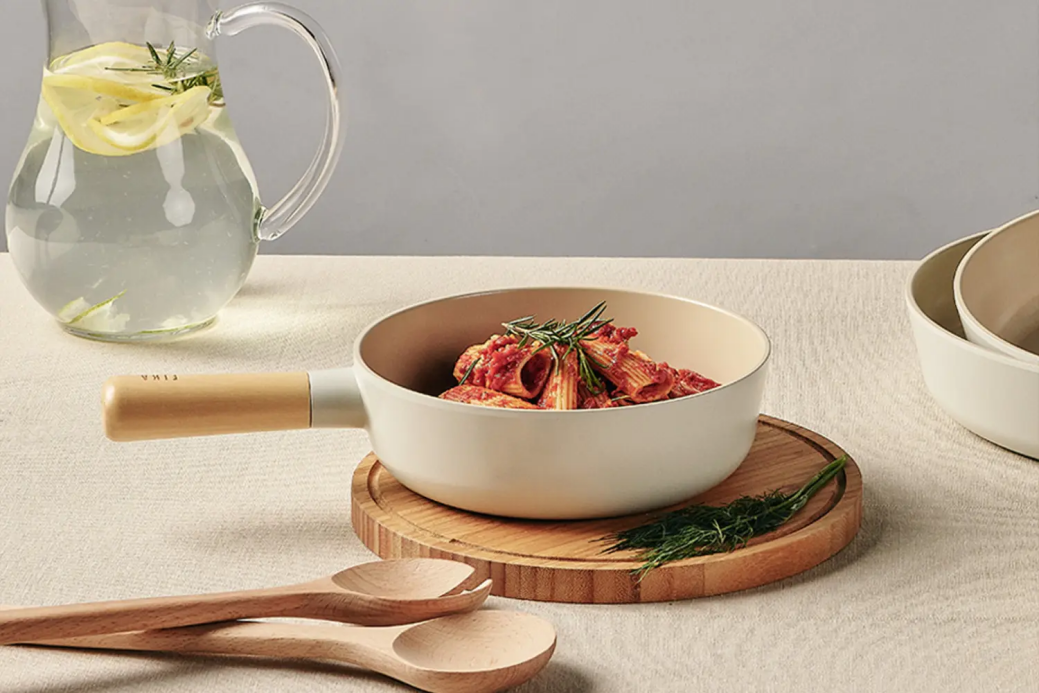
Many Korean cookware brands have introduced non-stick surfaces that are both durable and easy to clean. These coatings reduce the need for excessive oil, promoting healthier cooking methods. The convenience of non-stick cookware allows for a more enjoyable cooking experience, as it simplifies the cleanup process and encourages experimentation with various recipes without the fear of food sticking.
2. Multi-Functional Cookware
Modern Korean kitchenware often features multi-functional designs, such as pots with removable handles that can transition from stovetop to oven to table. This versatility simplifies cooking and serving, making it easier to prepare and enjoy meals. The ability to use one piece of cookware for multiple purposes not only saves space in the kitchen but also encourages creativity in meal preparation, allowing cooks to explore a wider range of culinary techniques.
3. Health-Conscious Materials
There is a growing trend towards using materials that are safe and free from harmful chemicals. Many Korean kitchenware products are now made from eco-friendly materials that promote health and sustainability. This shift reflects a broader awareness of the impact of cooking tools on health and the environment, encouraging consumers to make informed choices about the products they use in their kitchens.
Benefits of Using Korean Kitchenware
1. Enhanced Flavor and Texture
Korean kitchenware is designed to enhance the natural flavors of ingredients. For instance, cooking in stone pots allows for better heat retention, which helps to develop rich flavors in stews and soups. The unique properties of earthenware also contribute to the fermentation process, resulting in more complex tastes in fermented dishes. This focus on flavor and texture is a hallmark of Korean cuisine, where the quality of ingredients and the cooking method are paramount to achieving the desired culinary experience.
2. Health Benefits
Korean cooking emphasizes the use of fresh vegetables, lean proteins, and fermented foods, all of which are beneficial for health. Using traditional kitchenware like onggi for fermentation can increase the nutritional value of foods, making them more digestible and rich in probiotics. The health benefits of Korean cuisine extend beyond individual dishes; they reflect a holistic approach to eating that prioritizes balance and wellness, making Korean kitchenware an essential part of a healthy lifestyle.
3. Cultural Connection
Using Korean kitchenware connects you to the rich culinary traditions of Korea. Each piece tells a story and reflects the culture and history of Korean cooking. This connection can enhance your cooking experience, making it more meaningful and enjoyable. Engaging with these tools allows cooks to appreciate the artistry and craftsmanship that goes into each piece, fostering a deeper respect for the culinary arts.
4. Durability and Longevity
Korean kitchenware is often made from high-quality materials that are built to last. Whether it’s a sturdy stone pot or a well-crafted wooden spoon, investing in Korean kitchenware means you’ll have reliable tools that can withstand the test of time. This durability not only makes for a more sustainable kitchen but also ensures that you can enjoy the benefits of these tools for years to come, making them a worthwhile investment.
5. Aesthetic Appeal
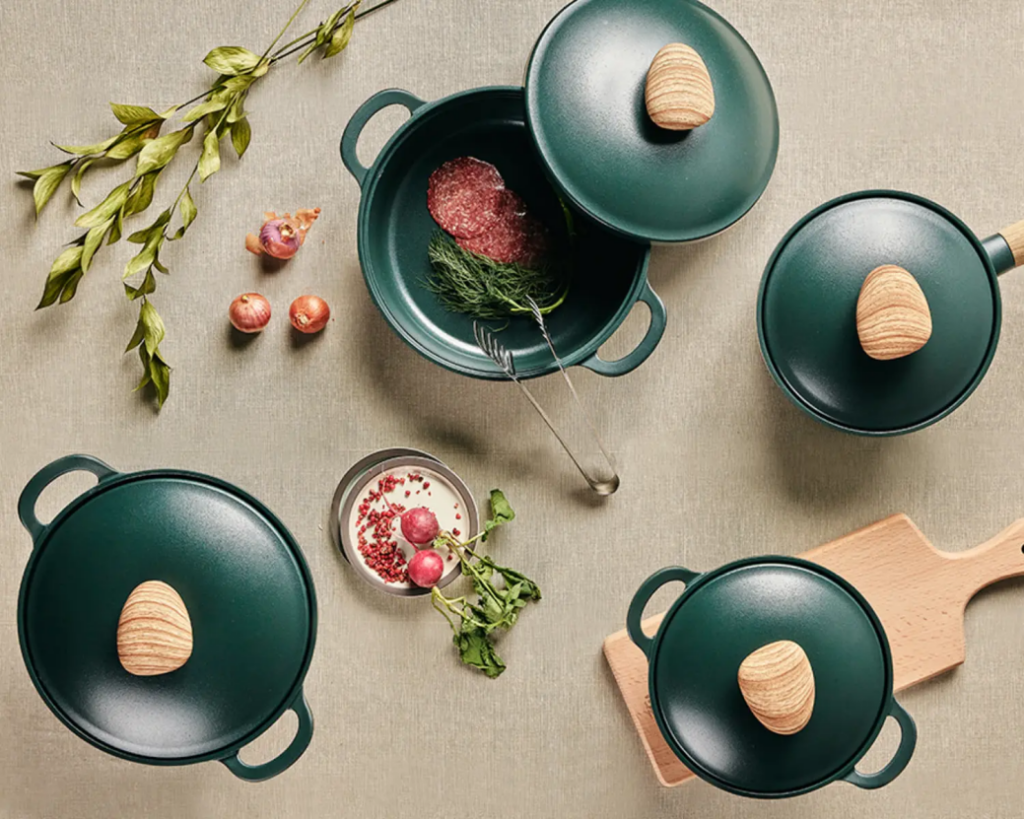
Korean kitchenware is not only functional but also beautifully designed. The aesthetic appeal of these tools can elevate your kitchen decor and make cooking a more enjoyable experience. From elegant stone pots to intricately designed wooden utensils, Korean kitchenware adds a touch of beauty to your culinary space. This visual appeal can inspire creativity in the kitchen, encouraging cooks to take pride in their cooking environment and the meals they prepare.
Incorporating Korean Kitchenware into Your Cooking Routine
Start with the Basics
If you’re new to Korean cooking, begin by incorporating a few essential pieces of Korean kitchenware into your routine. A stone pot, a wooden spoon, and a set of chopsticks are great starting points. These tools will allow you to explore traditional Korean recipes and cooking methods. As you become more familiar with these tools, you can gradually expand your collection to include more specialized items that cater to your cooking interests.
Experiment with Recipes
Once you have your kitchenware, try your hand at traditional Korean dishes. Start with simple recipes like kimchi fried rice or bibimbap. As you become more comfortable, you can explore more complex dishes that require specific tools, such as jjigae or bulgogi. Experimenting with different recipes not only enhances your cooking skills but also allows you to appreciate the versatility of Korean kitchenware in preparing a wide range of dishes.
Embrace the Fermentation Process
One of the hallmarks of Korean cuisine is fermentation. Invest in an onggi for fermenting your own kimchi or other fermented foods. This not only enhances the flavors of your dishes but also provides health benefits associated with probiotics. Embracing fermentation can transform your cooking routine, allowing you to create unique flavors and textures that elevate your meals.
Share the Experience
Cooking with Korean kitchenware can be a communal experience. Invite friends or family to join you in preparing meals. Share the stories behind the tools and the dishes you’re making, creating a deeper appreciation for the culinary traditions of Korea. This communal aspect of cooking fosters connections and creates lasting memories, making the cooking process as enjoyable as the meals themselves.
Conclusion
Korean kitchenware is more than just a collection of cooking tools; it is a gateway to a rich culinary tradition that emphasizes flavor, health, and community. By incorporating Korean kitchenware into your cooking routine, you can enhance your culinary skills, explore new flavors, and connect with a culture that values food as a central part of life. Whether you’re a seasoned chef or a novice cook, Korean kitchenware can transform your cooking experience and inspire you to create delicious, healthy meals.
How to purchase:https://looperbuy.com/search?keywords=zest+kitchenware
Frequently Asked Questions
1. What are the essential pieces of Korean kitchenware for beginners?
Essential pieces include a stone pot (ddukbaegi), wooden utensils, and a set of chopsticks. These tools will help you prepare a variety of traditional dishes.
2. How does cooking in a stone pot enhance flavors?
Stone pots retain heat well, allowing for even cooking and better flavor development in dishes like stews and rice.
3. What are the health benefits of using Korean kitchenware?
Korean kitchenware promotes healthier cooking methods, such as fermentation, which increases the nutritional value of foods and aids digestion.
4. Can I use Korean kitchenware for non-Korean recipes?
Absolutely! Korean kitchenware is versatile and can be used for a variety of cooking styles and recipes.
5. Where can I purchase authentic Korean kitchenware?
Authentic Korean kitchenware can be found in specialty Asian markets, online retailers, and stores that focus on international cooking supplies.