Halls Kitchenware, renowned for its quality and craftsmanship, has been a staple in kitchens across America since the early 20th century. This article delves into the history, product range, and significance of Halls Kitchenware, providing insights into why it remains a beloved choice for both collectors and everyday cooks. The combination of functionality, aesthetic appeal, and historical significance makes Halls Kitchenware a fascinating subject for anyone interested in culinary arts and home decor.
Table of Contents
History of Halls Kitchenware
Origins and Development
Halls Kitchenware was established in the 1900s, with its roots tracing back to the Hall China Company, founded in 1903 in East Liverpool, Ohio. The company initially focused on producing high-quality china and pottery, quickly gaining a reputation for its durable and aesthetically pleasing kitchenware. The early 20th century was a time of innovation in manufacturing, and Hall China capitalized on this by employing advanced techniques that allowed for the mass production of beautiful yet functional kitchen items. By the 1930s, Halls Kitchenware had expanded its product line to include a variety of kitchen items, such as casseroles, teapots, and serving dishes, which became essential in American households.
The Rise to Popularity
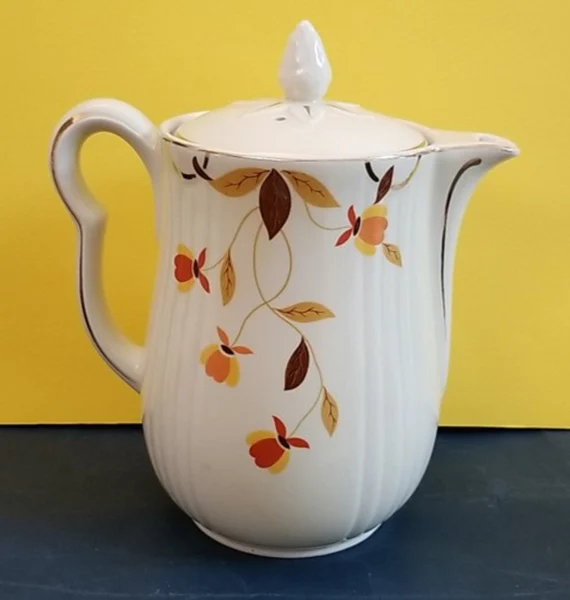
During the mid-20th century, Halls Kitchenware became synonymous with quality and style. The brand’s products were often featured in popular home magazines and were a favorite among homemakers. The introduction of vibrant colors and unique patterns, such as the iconic Autumn Leaf pattern, helped solidify its place in American kitchens. This period also saw the rise of television cooking shows, where Halls products were showcased, further enhancing their popularity. The combination of practical design and artistic flair made Halls Kitchenware a must-have for those looking to elevate their culinary experience.
Product Range
Halls Kitchenware offers a diverse array of products, catering to various culinary needs. Here are some of the most popular categories:
1. Casserole Dishes
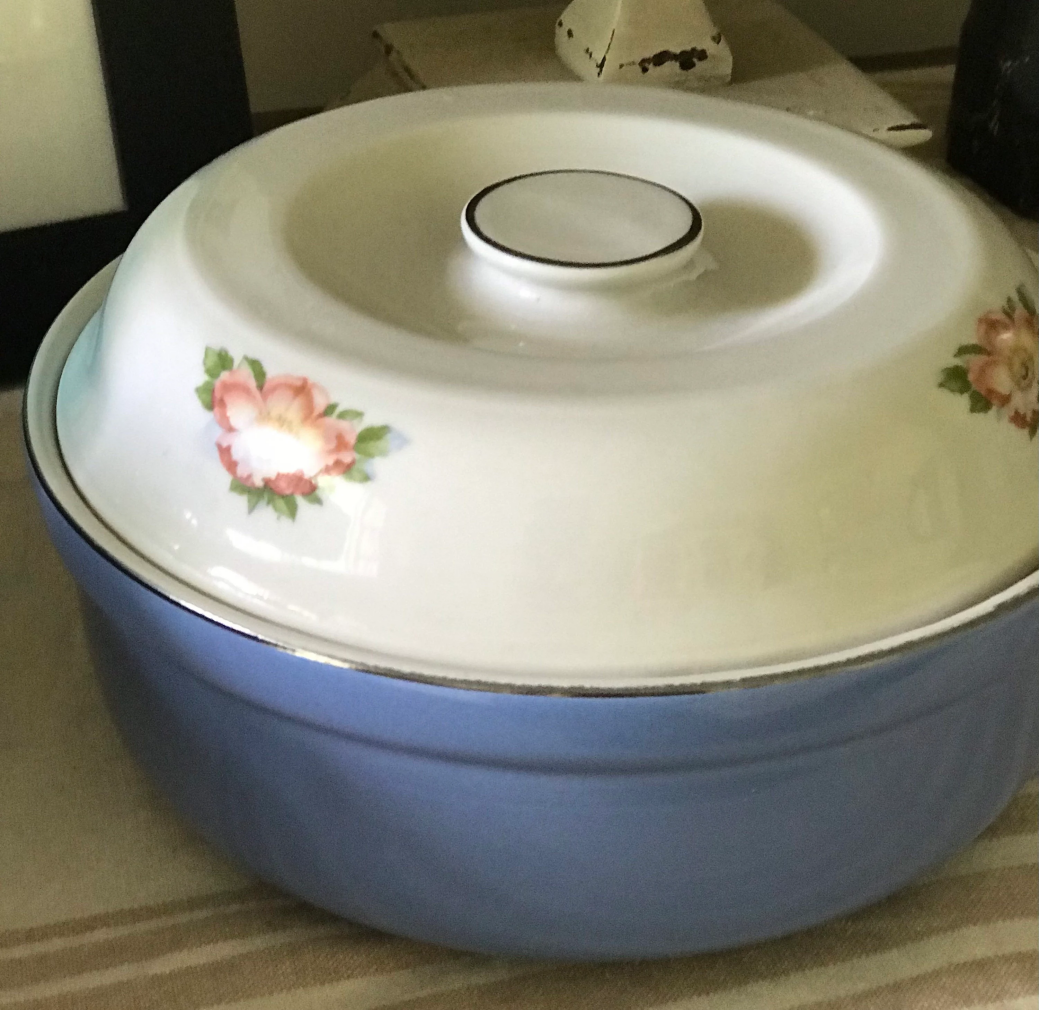
Halls casserole dishes are known for their durability and heat retention. They come in various sizes and colors, making them perfect for everything from family dinners to potlucks. The Chinese Red 2-quart casserole is a standout piece, celebrated for its vibrant hue and functional design. These dishes are not only practical for baking and serving but also serve as beautiful centerpieces on dining tables. The ability to go from oven to table seamlessly adds to their appeal, allowing cooks to present their culinary creations with style.
2. Teapots
The Hall Superior Quality teapot is a classic item that combines elegance with practicality. Often adorned with floral designs and gold rims, these teapots are not only functional but also serve as beautiful decorative pieces. The craftsmanship involved in creating these teapots is evident in their intricate designs and sturdy construction. Many collectors seek out specific patterns, making these teapots not just kitchen tools but also valuable collectibles that tell a story of craftsmanship and tradition.
3. Bowls and Serving Dishes
Halls Kitchenware bowls are available in various styles, from mixing bowls to serving dishes. The intricate floral patterns and vibrant colors make them a favorite for both everyday use and special occasions. These bowls are designed to be versatile, suitable for mixing ingredients, serving salads, or displaying fruits. Their aesthetic appeal means they can transition from kitchen to dining room effortlessly, enhancing the overall dining experience.
4. Specialty Items
In addition to standard kitchenware, Halls also produces specialty items such as coffee pots and decorative plates. These items often feature unique designs that appeal to collectors and those looking to add a touch of charm to their kitchen decor. Specialty items can include limited edition pieces or seasonal designs, making them perfect for collectors who enjoy showcasing their finds. The attention to detail in these products reflects the brand’s commitment to quality and artistry.
Collectibility and Value
Vintage Appeal
Many collectors seek out vintage Halls Kitchenware due to its historical significance and unique designs. Items from the 1930s to the 1970s are particularly sought after, with certain patterns fetching high prices at auctions and antique shops. The nostalgia associated with these vintage pieces often drives collectors to seek them out, as they represent a bygone era of American craftsmanship. Collecting Halls Kitchenware can be a rewarding hobby, as it allows individuals to connect with history while curating a collection that reflects their personal style.
Market Value
The market value of Halls Kitchenware can vary significantly based on the item’s condition, rarity, and demand. For instance, a vintage Autumn Leaf casserole dish can sell for anywhere from $20 to $200, depending on its condition and market trends. Collectors often keep a close eye on auction sites and antique fairs to find rare pieces, and the thrill of the hunt adds to the enjoyment of collecting. Understanding the market trends and knowing which patterns are in demand can help collectors make informed purchasing decisions.
Caring for Halls Kitchenware
To ensure the longevity of Halls Kitchenware, proper care is essential. Here are some tips:
– Avoid Abrasive Cleaners: Use gentle dish soap and a soft sponge to clean your kitchenware. Avoid abrasive cleaners that can scratch the surface. This simple step can help maintain the vibrant colors and intricate designs that make Halls products so appealing.
– Hand Wash When Possible: While many Halls products are dishwasher safe, hand washing can help preserve the vibrant colors and patterns. Taking the time to hand wash can prevent the wear and tear that often comes with dishwashing machines.
– Store Carefully: To prevent chipping, store items carefully, especially when stacking bowls or plates. Using protective padding between stacked items can help prevent scratches and damage, ensuring that your collection remains in pristine condition.
Conclusion
Halls Kitchenware has carved a niche in the culinary world, blending functionality with aesthetic appeal. Its rich history, diverse product range, and collectibility make it a cherished brand among both home cooks and collectors. Whether you’re using a classic casserole dish for a family meal or displaying a vintage teapot, Halls Kitchenware continues to be a symbol of quality and style in the kitchen. The enduring legacy of Halls Kitchenware is a testament to its ability to adapt to changing tastes while maintaining the core values of quality and craftsmanship.
How to purchase:https://looperbuy.com/search?keywords=halls+kitchenware
Frequently Asked Questions
1. What is Halls Kitchenware known for?
Halls Kitchenware is known for its high-quality ceramic and pottery kitchen items, including casserole dishes, teapots, and serving bowls, often featuring vibrant colors and unique patterns.
2. How can I identify vintage Halls Kitchenware?
Vintage Halls Kitchenware can often be identified by its backstamp, which typically includes the Hall China Company logo and the words “Halls Superior Quality.” Additionally, specific patterns and colors can help date the items.
3. Are Halls Kitchenware products dishwasher safe?
Many Halls Kitchenware products are dishwasher safe, but it is recommended to hand wash them to preserve their colors and patterns for longer.
4. What is the value of Halls Kitchenware?
The value of Halls Kitchenware varies widely based on the item’s condition, rarity, and demand. Vintage pieces can range from $20 to several hundred dollars at auctions.
5. Where can I buy Halls Kitchenware?
Halls Kitchenware can be purchased at antique shops, online marketplaces like Etsy, and specialty kitchenware stores. Collectors often find unique pieces at estate sales and auctions.