Covering furniture with plastic is a practice that has gained popularity for various reasons, including protection from dust, spills, and wear. This article explores the benefits, methods, and considerations of using plastic covers for furniture, along with practical tips for effective use.
Table of Contents
Introduction
In homes, offices, and public spaces, furniture is a significant investment. Protecting this investment is crucial, especially in environments prone to spills, dust, and damage. Covering furniture with plastic is a simple yet effective solution that can extend the life of your furniture while maintaining its aesthetic appeal. This practice not only preserves the furniture’s condition but also enhances its longevity, making it a wise choice for anyone looking to maintain their furnishings in pristine condition.
Benefits of Covering Furniture with Plastic
1. Protection from Dust and Dirt
One of the primary reasons for covering furniture with plastic is to protect it from dust and dirt. Dust accumulation can lead to discoloration and degradation of materials over time. Plastic covers act as a barrier, preventing dust from settling on surfaces. This is particularly important in homes with pets or in urban areas where dust and pollution levels are higher. By using plastic covers, you can significantly reduce the frequency of cleaning and maintain a healthier living environment.
2. Spill and Stain Prevention
Accidental spills can cause irreversible damage to upholstery and wood finishes. Plastic covers provide a waterproof layer that prevents liquids from penetrating the furniture, making cleanup easier and reducing the risk of stains. This is especially beneficial in households with children or during gatherings where food and drinks are served. With plastic covers, you can enjoy peace of mind knowing that your furniture is protected from unexpected accidents.
3. Protection from Pets
For pet owners, furniture can be a target for scratches, fur, and accidents. Plastic covers can safeguard against these issues, allowing pet owners to enjoy their furniture without constant worry. The covers can be easily removed and cleaned, ensuring that your furniture remains in good condition despite the challenges posed by furry friends. Additionally, using plastic covers can help reduce allergens in the home, as they can be wiped down regularly to remove pet dander.
4. Easy Maintenance
Plastic covers are generally easy to clean. Most can be wiped down with a damp cloth, making maintenance straightforward. This ease of cleaning is particularly beneficial in high-traffic areas or homes with children. Unlike traditional upholstery, which may require professional cleaning, plastic covers can be maintained with minimal effort, saving you time and money in the long run.
5. Cost-Effective Solution
Investing in plastic covers is often more cost-effective than frequent upholstery cleaning or furniture replacement. By protecting your furniture, you can save money in the long run. This is especially true for high-end or antique pieces that may require specialized care. By using plastic covers, you can extend the life of your furniture and avoid the costs associated with repairs or replacements.
Types of Plastic Covers
1. Clear Plastic Covers
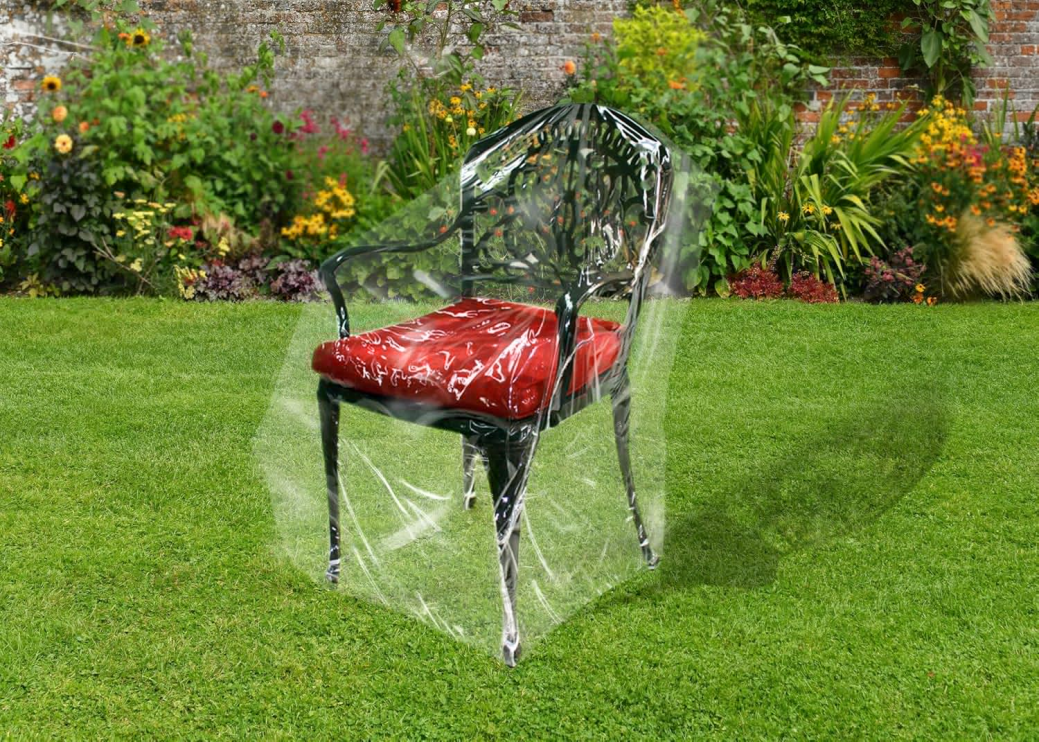
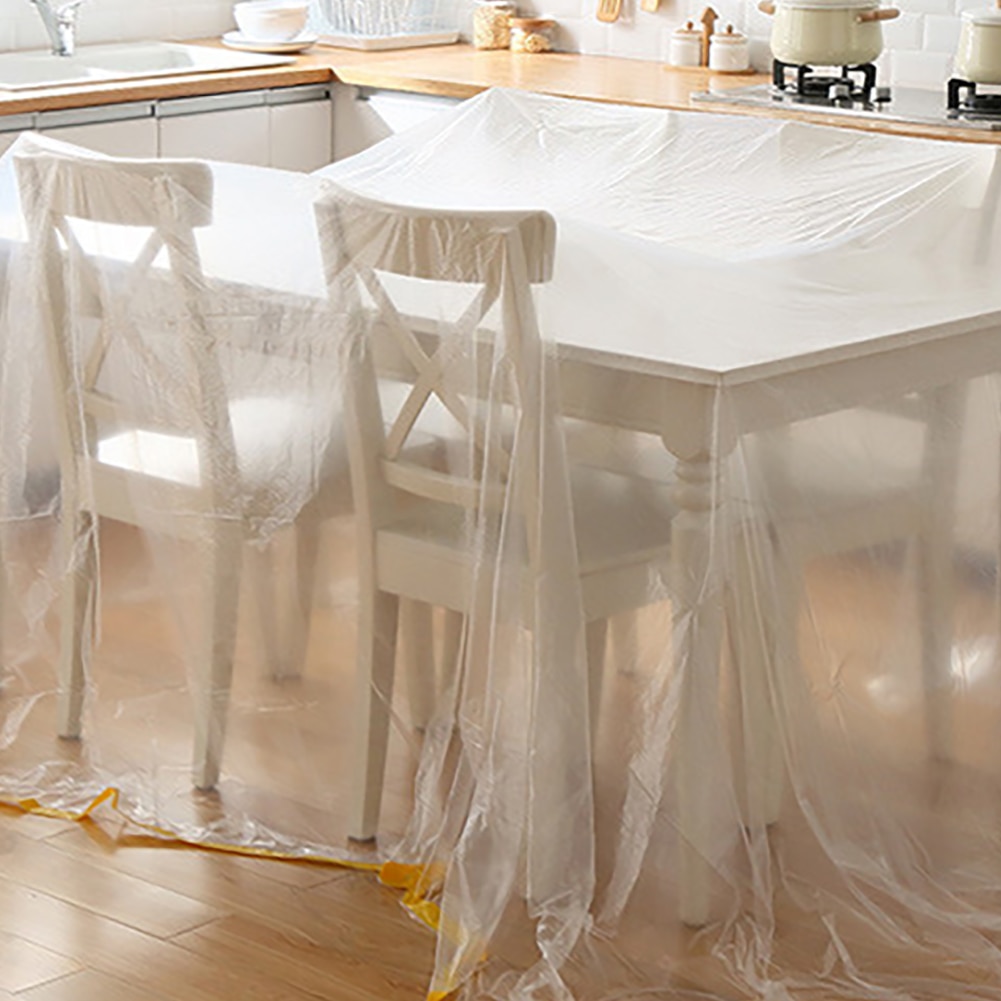
Clear plastic covers are popular for their ability to protect while allowing the original color and design of the furniture to show through. They are available in various thicknesses and can be custom-fitted to different furniture shapes. This type of cover is ideal for those who want to maintain the aesthetic appeal of their furniture while still providing a protective layer.
2. Disposable Plastic Covers
These covers are typically used for short-term protection, such as during moving or renovations. They are lightweight and can be discarded after use, making them convenient for temporary needs. Disposable covers are also useful for protecting furniture during painting or construction projects, ensuring that your furnishings remain clean and undamaged.
3. Heavy-Duty Plastic Covers
For long-term protection, heavy-duty plastic covers are ideal. They are thicker and more durable, providing enhanced protection against wear and tear. These covers are suitable for outdoor furniture or pieces that experience heavy use, as they can withstand the elements and daily wear better than standard plastic covers.
4. Custom-Fit Covers
Custom-fit plastic covers are tailored to specific furniture pieces, ensuring a snug fit that minimizes movement and exposure. These are particularly useful for irregularly shaped items. Custom covers can be designed to fit sofas, chairs, and even tables, providing maximum protection without compromising on style.
How to Properly Cover Furniture with Plastic
Step 1: Clean the Furniture
Before applying plastic covers, ensure that the furniture is clean and dry. Dust and dirt can become trapped under the cover, leading to potential damage. Cleaning the furniture not only prepares it for covering but also ensures that any existing stains or marks are addressed before they are sealed under plastic.
Step 2: Choose the Right Cover
Select a plastic cover that fits your furniture type and intended use. Consider factors such as thickness, transparency, and whether you need a custom fit. The right cover will depend on the specific needs of your furniture and the environment in which it is placed.
Step 3: Apply the Cover
Carefully drape the plastic cover over the furniture, ensuring it fits snugly. For loose covers, secure them with tape or ties to prevent slipping. Proper application is crucial to ensure that the cover provides adequate protection without shifting or bunching.
Step 4: Regularly Check the Cover
Periodically check the condition of the plastic cover. Look for signs of wear or damage, and replace it as necessary to maintain optimal protection. Regular maintenance of the cover itself is essential to ensure that it continues to serve its purpose effectively.
Considerations When Using Plastic Covers
1. Aesthetic Impact
While plastic covers provide protection, they can alter the appearance of your furniture. Consider using clear covers to maintain visibility of the original design. If aesthetics are a primary concern, explore options that blend well with your decor while still offering protection.
2. Comfort
Plastic can sometimes feel uncomfortable, especially in warm weather. If comfort is a concern, consider using breathable fabric covers instead. These alternatives can provide protection while ensuring that the furniture remains comfortable to sit on.
3. Environmental Impact
Plastic covers are often single-use and can contribute to environmental waste. Look for reusable options or biodegradable alternatives when possible. Being mindful of the environmental impact of your choices can help you make more sustainable decisions regarding furniture protection.
4. Allergies and Sensitivities
Some individuals may be sensitive to the materials used in plastic covers. Ensure that the covers you choose are safe for all household members. If allergies are a concern, consider using hypoallergenic materials or consulting with a professional for recommendations.
Conclusion
Covering furniture with plastic is a practical solution for protecting your investment from dust, spills, and wear. By understanding the benefits, types, and proper methods of application, you can effectively safeguard your furniture while maintaining its aesthetic appeal. Whether you opt for clear, disposable, or heavy-duty covers, the right choice will depend on your specific needs and circumstances. Ultimately, taking the time to protect your furniture can lead to significant savings and a more enjoyable living environment.
How to purchase:https://looperbuy.com/search?keywords=cover+furniture+with+plastic
Frequently Asked Questions
1. How often should I replace plastic furniture covers?
Answer: It depends on the wear and tear. Regularly check for damage and replace them as needed, typically every few months for heavy use. If you notice any tears or discoloration, it’s best to replace the cover to ensure continued protection.
2. Can I wash plastic furniture covers?
Answer: Yes, most plastic covers can be wiped clean with a damp cloth. Some may be machine washable, but check the manufacturer’s instructions. Regular cleaning will help maintain their clarity and effectiveness.
3. Do plastic covers make furniture uncomfortable?
Answer: They can feel warm in hot weather. If comfort is a concern, consider breathable fabric alternatives. These options can provide a protective layer while ensuring a comfortable seating experience.
4. Are there eco-friendly options for furniture covers?
Answer: Yes, look for biodegradable or reusable covers to minimize environmental impact. Many companies now offer sustainable options that are both effective and environmentally friendly.
5. Can I use plastic covers on outdoor furniture?
Answer: Yes, but ensure they are designed for outdoor use to withstand weather conditions. Outdoor-specific covers are typically made from materials that resist UV rays and moisture, providing better protection for your outdoor furniture.