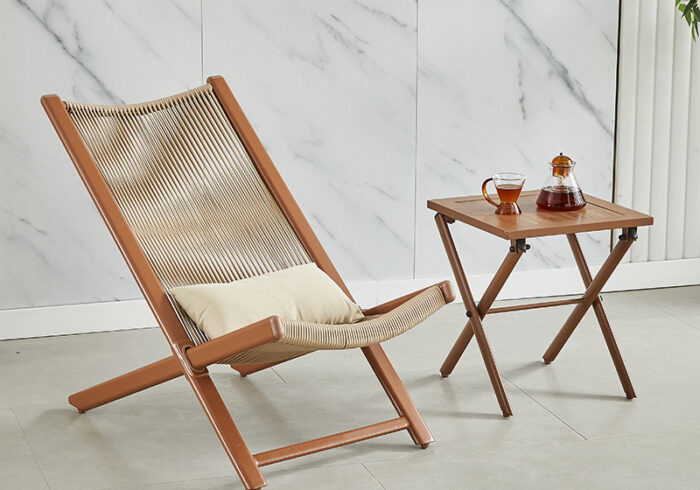
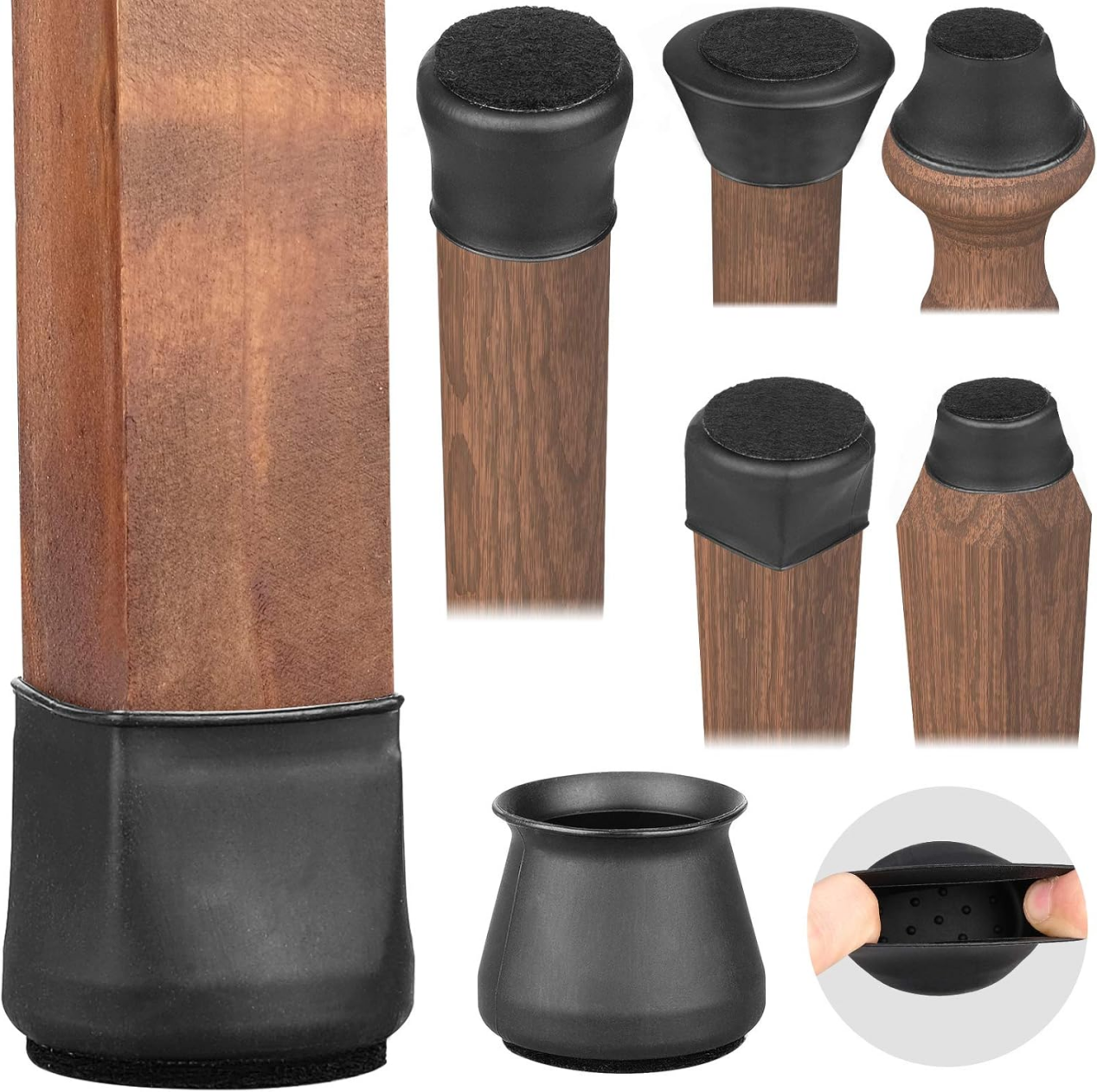
Protecting your furniture with plastic covers is an effective way to maintain its appearance and longevity. Whether you have pets, children, or simply want to keep your furniture looking new, installing a plastic cover can be a smart choice. This guide will walk you through the process of selecting, preparing, and installing plastic covers for your furniture, ensuring a perfect fit and a polished look.
Table of Contents
Why Use Plastic Covers?
Plastic covers serve multiple purposes that go beyond mere aesthetics. They are an essential investment for anyone looking to prolong the life of their furniture. Protection is the most significant benefit; they shield your furniture from spills, stains, and scratches that can occur from daily use. For families with young children or pets, this protection is invaluable. Durability is another key factor; plastic is resistant to wear and tear, making it ideal for high-traffic areas where furniture is frequently used. Additionally, plastic covers are easy to clean; most can be wiped down with a damp cloth, saving you time on maintenance and allowing you to enjoy your furniture without the constant worry of damage. Finally, they offer aesthetic appeal; clear plastic covers allow the beauty of your furniture to shine through while providing the necessary protection, ensuring that your living space remains stylish and inviting.
Choosing the Right Plastic Cover
When selecting a plastic cover for your furniture, consider several important factors to ensure you make the best choice. Material is crucial; options include polyethylene, which is lightweight and affordable, making it suitable for short-term use, and polyvinyl chloride (PVC), which is more durable and resistant to tearing, ideal for long-term protection. Polyester is another option that offers a soft feel and is often used for decorative covers, providing both protection and style. Size and fit are also essential; measure your furniture carefully to ensure a snug fit. Look for covers that are specifically designed for your type of furniture, such as sofas, chairs, or tables, to avoid any awkward draping or excess material. Lastly, consider the thickness of the cover; thicker covers provide better protection but may be less flexible. Choose a thickness that balances protection with ease of handling, ensuring that you can easily put on and take off the cover as needed.
Tools and Materials Needed
Before you begin, gather the following tools and materials to ensure a smooth installation process. You will need a plastic cover that is the appropriate size and type for your furniture. A pair of scissors will be necessary for cutting the cover to fit, while a measuring tape will help you take accurate measurements of your furniture. A marker or chalk will be useful for marking the dimensions on the plastic. If you want to secure the cover more permanently, a staple gun can be used, but be careful not to puncture the plastic too much, as this can weaken it. Velcro strips are another option for securing the cover; they can be attached to both the furniture and the plastic cover for a more adjustable fit. Having these tools and materials ready will make the installation process much more efficient and effective.
Preparing Your Furniture
Preparation is key to a successful installation. Start by cleaning the surface of your furniture to ensure it is free from dust, dirt, and debris. This step is crucial because any particles left on the surface can cause scratches under the cover, defeating the purpose of protection. After cleaning, inspect for damage; check for any existing scratches, dents, or other issues that may need repair before covering. Addressing these problems beforehand will ensure that your furniture is in the best possible condition. Next, measure your furniture using a measuring tape to determine its dimensions accurately. This will help you cut the plastic cover to the correct size, ensuring a snug fit that looks professional and neat.
Step-by-Step Installation Guide
Step 1: Cutting the Plastic Cover
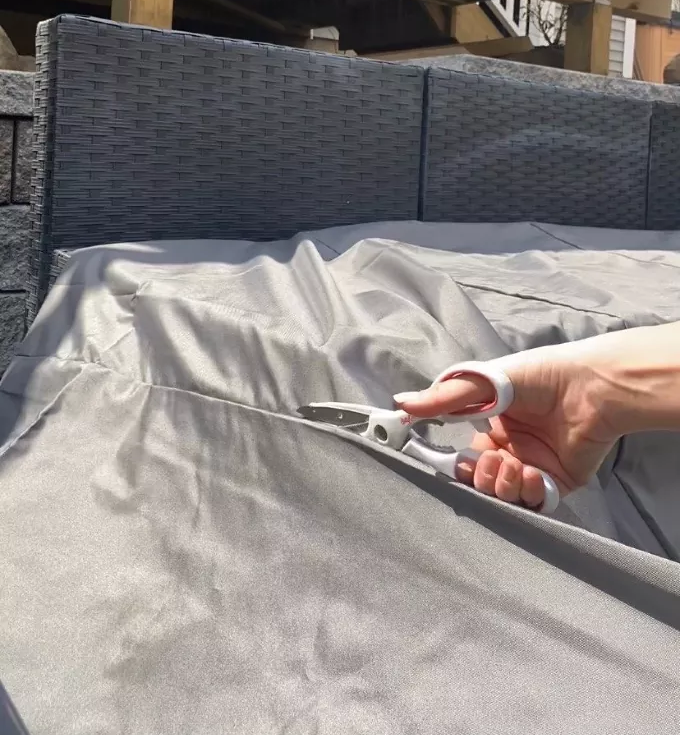
Begin by laying the plastic cover flat on a clean surface. This will give you a clear workspace to work with. Use your measurements to mark the dimensions on the plastic with a marker or chalk, ensuring that you account for any extra material needed for folding under. Carefully cut the plastic cover to size, leaving a little extra material for folding under. This extra material will help secure the cover and prevent it from slipping off.
Step 2: Positioning the Cover
Once you have cut the plastic cover, place it over the furniture, ensuring it is centered. If you are covering a chair or sofa, allow the plastic to drape over the sides. This positioning is important for both aesthetics and functionality, as it ensures that the cover will protect all exposed areas of the furniture.
Step 3: Securing the Cover
To achieve a snug fit, you can use a staple gun to attach the plastic to the underside of the furniture. Be careful not to puncture the plastic too much, as this can weaken it and lead to tears over time. Alternatively, you can use Velcro strips to secure the cover. Attach one side of the Velcro to the furniture and the other to the plastic cover, allowing for easy adjustments and removal when necessary.
Step 4: Final Adjustments
After securing the cover, take a moment to smooth out any wrinkles or bubbles in the plastic. This step is crucial for ensuring a neat appearance and preventing any unsightly folds that could detract from the overall look. If you notice any excess plastic, trim it carefully, but leave enough material to ensure the cover stays in place.
Step 5: Regular Checks
Once your plastic cover is installed, it’s important to periodically check it for any signs of wear or damage. Regular inspections will help you catch any issues early, allowing you to replace the cover as needed to maintain optimal protection for your furniture.
Tips for Maintaining Plastic Covers
To ensure the longevity of your plastic covers, follow these maintenance tips. Regular cleaning is essential; wipe down the plastic cover with a damp cloth regularly to prevent dust buildup and maintain its clarity. For tougher stains, use a mild soap solution to avoid damaging the plastic. Avoid sharp objects near the covered furniture to prevent punctures that could compromise the cover’s integrity. If you need to remove the cover, store it properly by laying it flat to avoid creases that could affect its appearance when reinstalled. By following these maintenance tips, you can extend the life of your plastic covers and keep your furniture looking great.
How to purchase:https://looperbuy.com/search?keywords=plastic+cover+for+furniture
Common Questions and Answers
1. How do I know what size plastic cover to buy?
To determine the right size plastic cover, measure the dimensions of your furniture (length, width, and height) and compare them to the sizes available for plastic covers. Look for covers specifically designed for your type of furniture, such as sofas, chairs, or tables, to ensure a proper fit.
2. Can I use plastic covers on outdoor furniture?
Yes, you can use plastic covers on outdoor furniture, but it’s essential to ensure that the plastic is UV-resistant and suitable for outdoor use. This will help prevent degradation from sunlight and ensure that your furniture remains protected from the elements.
3. How do I clean plastic covers?
Most plastic covers can be easily cleaned by wiping them down with a damp cloth. For tougher stains, you can use a mild soap solution. Avoid using harsh chemicals or abrasive materials, as these can damage the plastic.
4. Will plastic covers make my furniture look cheap?
High-quality plastic covers are designed to be clear and unobtrusive, allowing the beauty of your furniture to show through. To maintain a polished look, choose a cover that fits well and is made from durable materials. This will ensure that your furniture remains stylish while being protected.
5. How often should I replace my plastic covers?
The lifespan of a plastic cover depends on usage and exposure to elements. Regularly inspect your covers for any signs of wear, such as tears, discoloration, or loss of clarity. Replace them as needed to maintain optimal protection for your furniture.