Moving can be a daunting task, especially when it comes to ensuring that your furniture remains safe and undamaged during the process. One of the most effective ways to protect your furniture is by using furniture plastic covers. These covers not only shield your items from dust and moisture but also prevent scratches and other forms of damage. In this article, we will explore the best practices for using furniture plastic covers during moving and storage, ensuring that your belongings arrive at their destination in pristine condition.
Table of Contents
Understanding Furniture Plastic Covers
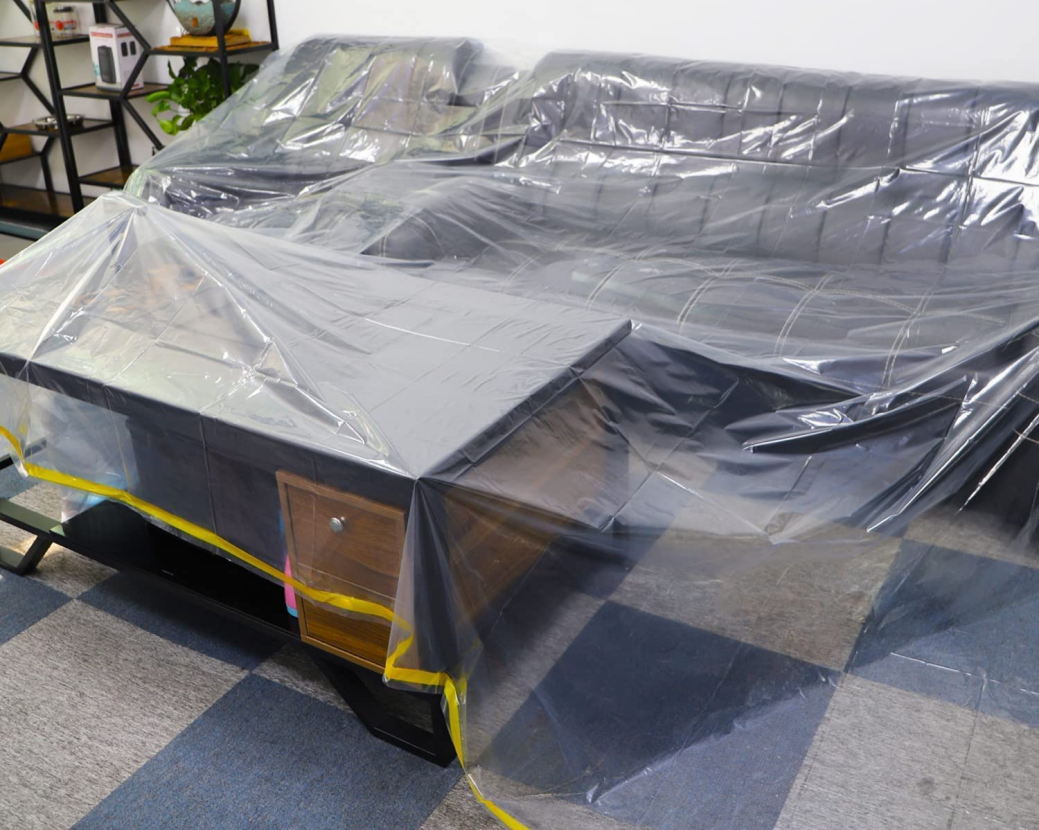
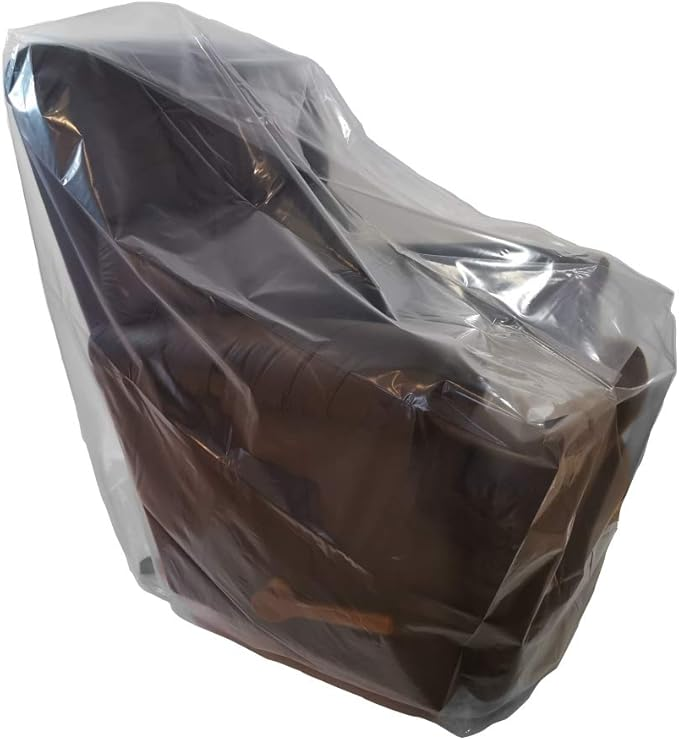
Furniture plastic covers are protective sheets made from durable plastic materials designed to wrap around furniture items. They come in various sizes and thicknesses, catering to different types of furniture, from sofas and chairs to mattresses and tables. The primary purpose of these covers is to provide a barrier against dirt, moisture, and physical damage. Understanding the different types of covers available can help you choose the right one for your needs, ensuring maximum protection for your furniture.
Types of Furniture Plastic Covers
1. Stretch Wrap: This is a thin, stretchy plastic film that clings to itself. It is ideal for wrapping furniture pieces tightly, preventing movement during transport. Stretch wrap is particularly useful for securing loose items together, such as cushions and pillows, making it easier to handle multiple pieces at once.
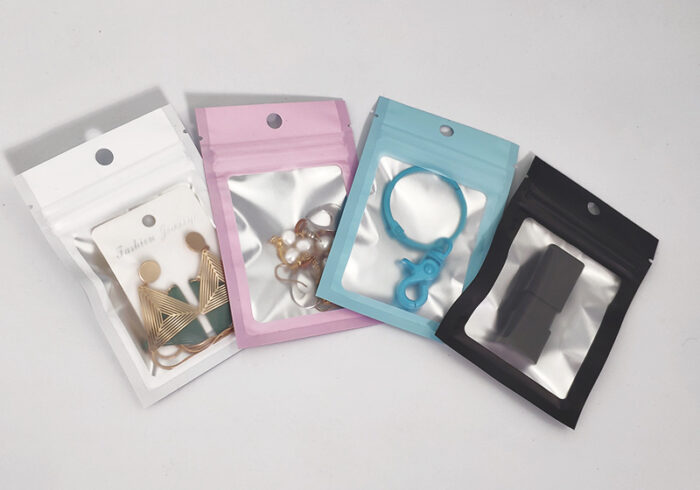
2. Plastic Bags: These are often used for smaller items or individual pieces of furniture. They can be sealed to keep out dust and moisture. Plastic bags are a cost-effective solution for protecting items like lamps, small tables, or decorative pieces that may not require heavy-duty protection.
3. Mattress Covers: Specifically designed to protect mattresses, these covers are usually thicker and provide a snug fit. They are essential for preventing stains and moisture damage, especially if the mattress will be stored for an extended period.
4. Custom Covers: Some companies offer custom-sized plastic covers for unique furniture shapes and sizes. These tailored solutions ensure that every piece of furniture is adequately protected, regardless of its dimensions or design.
Benefits of Using Furniture Plastic Covers
Using furniture plastic covers offers several advantages that can significantly ease the moving process:
– Protection from Dust and Dirt: Covers keep your furniture clean during the moving process. This is especially important if your furniture will be stored for a while, as dust can accumulate and lead to long-term damage.
– Moisture Resistance: They help prevent water damage, especially if you are moving during rainy weather. Moisture can warp wood and damage upholstery, so having a protective layer is crucial.
– Scratch Prevention: The plastic acts as a barrier against scratches and dents. This is particularly important for items with delicate finishes or surfaces that are prone to damage.
– Easy Handling: Wrapped furniture is easier to move and stack, reducing the risk of damage. The smooth surface of plastic covers allows for easier maneuvering through tight spaces, such as doorways and hallways.
How to Properly Use Furniture Plastic Covers
Step 1: Gather Your Supplies
Before you start wrapping your furniture, gather all necessary supplies. Having everything on hand will streamline the process and prevent interruptions:
– Furniture plastic covers (stretch wrap, bags, or custom covers)
– Scissors
– Packing tape (if needed)
– Moving blankets (for added protection)
Having a well-organized workspace will make the wrapping process more efficient and less stressful.
Step 2: Clean Your Furniture
Before wrapping, ensure that your furniture is clean and dry. Dust and dirt can scratch surfaces when wrapped. Use a soft cloth to wipe down surfaces and allow them to dry completely. This step is crucial because any debris left on the furniture can cause scratches during transport, negating the protective benefits of the plastic covers.
Step 3: Disassemble When Possible
If your furniture can be disassembled, do so. Remove legs from tables, cushions from sofas, and any other detachable parts. This not only makes wrapping easier but also reduces the risk of damage during transport. Disassembling larger items can also save space in the moving truck, allowing for more efficient packing.
Step 4: Wrap Each Piece
For Sofas and Chairs
1. Use Stretch Wrap: Start at the bottom of the piece and wrap upwards, overlapping the plastic as you go. Ensure that you cover all areas, including the arms and back. This method provides a tight seal that keeps the cover in place during transit.
2. Secure Loose Parts: If there are removable cushions, wrap them separately or place them in a plastic bag and tape it to the underside of the sofa. This prevents them from getting lost and ensures they remain clean.
For Tables
1. Wrap the Legs: If the legs are removable, wrap them separately. If not, wrap the entire table, starting from the legs and moving upwards. This protects the most vulnerable parts of the table from scratches and impacts.
2. Use Moving Blankets: For added protection, place a moving blanket over the table before wrapping it in plastic. This extra layer can absorb shocks and prevent damage from bumps during transport.
For Mattresses
1. Use a Mattress Cover: Slide the mattress into a plastic cover, ensuring it fits snugly. Seal the cover with tape to prevent it from slipping out. A well-fitted cover will keep the mattress clean and dry.
2. Avoid Compression: Do not compress the mattress too tightly, as this can damage the internal structure. Allow the mattress to maintain its shape for optimal comfort when you set it up again.
Step 5: Label Your Wrapped Furniture
Once everything is wrapped, label each piece clearly. Indicate which side is up and any special handling instructions, such as “Fragile” or “This Side Up.” This will help movers handle your items correctly and prevent accidents during loading and unloading.
Step 6: Load Carefully
When loading your wrapped furniture onto the moving truck, be mindful of how you stack items. Place heavier items on the bottom and lighter ones on top. Avoid placing sharp objects near your wrapped furniture to prevent punctures. Proper loading techniques will minimize the risk of damage during transport.
Storing Furniture with Plastic Covers
If you are storing furniture for an extended period, using plastic covers is equally important. Here are some tips for proper storage:
1. Choose a Climate-Controlled Environment: If possible, store your furniture in a climate-controlled space to prevent moisture buildup. This is especially important for wooden furniture, which can warp or crack in extreme temperatures.
2. Elevate Furniture: Use pallets or blocks to elevate your furniture off the ground. This helps prevent moisture from seeping in and protects against pests that may be present in the storage area.
3. Check Periodically: If you are storing furniture long-term, check on it periodically to ensure that the covers are intact and that no moisture has accumulated. Regular inspections can help you catch any potential issues before they cause significant damage.
Common Mistakes to Avoid
1. Not Cleaning Before Wrapping: Always clean your furniture before wrapping to avoid trapping dirt and dust. This simple step can save you from costly repairs later on.
2. Using Inadequate Covers: Ensure that the covers you use are appropriate for the type of furniture. Thin plastic may not provide enough protection for heavier items, leading to damage during transport.
3. Overpacking: Avoid overpacking boxes or stacking too many items on top of each other, as this can lead to damage. Proper packing techniques will help ensure that your furniture arrives safely at its destination.
Conclusion
Using furniture plastic covers is an essential step in protecting your belongings during moving and storage. By following the steps outlined in this guide, you can ensure that your furniture remains safe from damage, dirt, and moisture. Proper preparation and careful handling will make your moving experience smoother and more efficient. Remember, investing time in protecting your furniture will pay off in the long run, allowing you to enjoy your belongings without worry.
How to purchase:https://looperbuy.com/search?keywords=furniture+plastic+covers
Frequently Asked Questions
1. What type of plastic cover is best for moving furniture?
– Stretch wrap is often the best choice as it clings tightly and provides excellent protection against dust and moisture.
2. Can I use regular plastic bags to cover furniture?
– Yes, but ensure they are thick enough to provide adequate protection. Regular grocery bags may not be durable enough.
3. How do I prevent my furniture from getting scratched during a move?
– Use furniture plastic covers and moving blankets to provide cushioning and protection against scratches.
4. Is it necessary to wrap furniture if I’m using a moving truck?
– Yes, wrapping furniture is crucial regardless of the transport method to protect against dust, moisture, and physical damage.
5. How long can I store furniture in plastic covers?
– You can store furniture in plastic covers for an extended period, but it’s advisable to check periodically for any signs of moisture buildup.