Modest clothing has become a significant aspect of fashion, particularly within the Muslim community. This article delves into the concept of modesty in clothing, its cultural significance, and how it has evolved over time. We will explore various styles, the importance of modest fashion, and how it empowers individuals while maintaining cultural and religious values.
Table of Contents
Understanding Modesty in Clothing
What is Modesty?
Modesty, in the context of clothing, refers to the practice of dressing in a way that is not revealing and aligns with cultural or religious beliefs. For Muslims, modesty is deeply rooted in the teachings of Islam, which encourages both men and women to dress in a manner that reflects their faith and values. This often includes wearing loose-fitting garments that cover the body adequately. The concept of modesty extends beyond mere clothing; it encompasses behavior, speech, and overall demeanor, promoting a lifestyle that values humility and respect.
The Cultural Significance of Modest Clothing
Modest clothing serves as a form of identity for many Muslims. It reflects their cultural heritage and religious beliefs. In various cultures, modesty is associated with dignity, respect, and self-control. The way one dresses can convey messages about their values and beliefs, making modest clothing a powerful form of expression. For many, wearing modest clothing is not just a personal choice but a communal one, reinforcing a sense of belonging and shared identity within the Muslim community. This cultural significance is often celebrated during religious events, festivals, and daily life, where modest attire is worn with pride.
The Evolution of Modest Fashion
Historical Context
Historically, modest clothing has been a part of many cultures around the world. In Islamic tradition, the concept of hijab (headscarf) and loose-fitting garments has been prevalent since the time of the Prophet Muhammad. Over the years, these styles have adapted to modern trends while still adhering to the principles of modesty. The evolution of modest fashion can be traced back to various historical periods, where different regions and cultures influenced the styles and fabrics used. For instance, the rich textiles of the Middle East and the intricate designs of South Asian garments have contributed to the diverse landscape of modest fashion today.
Modern Trends in Modest Fashion
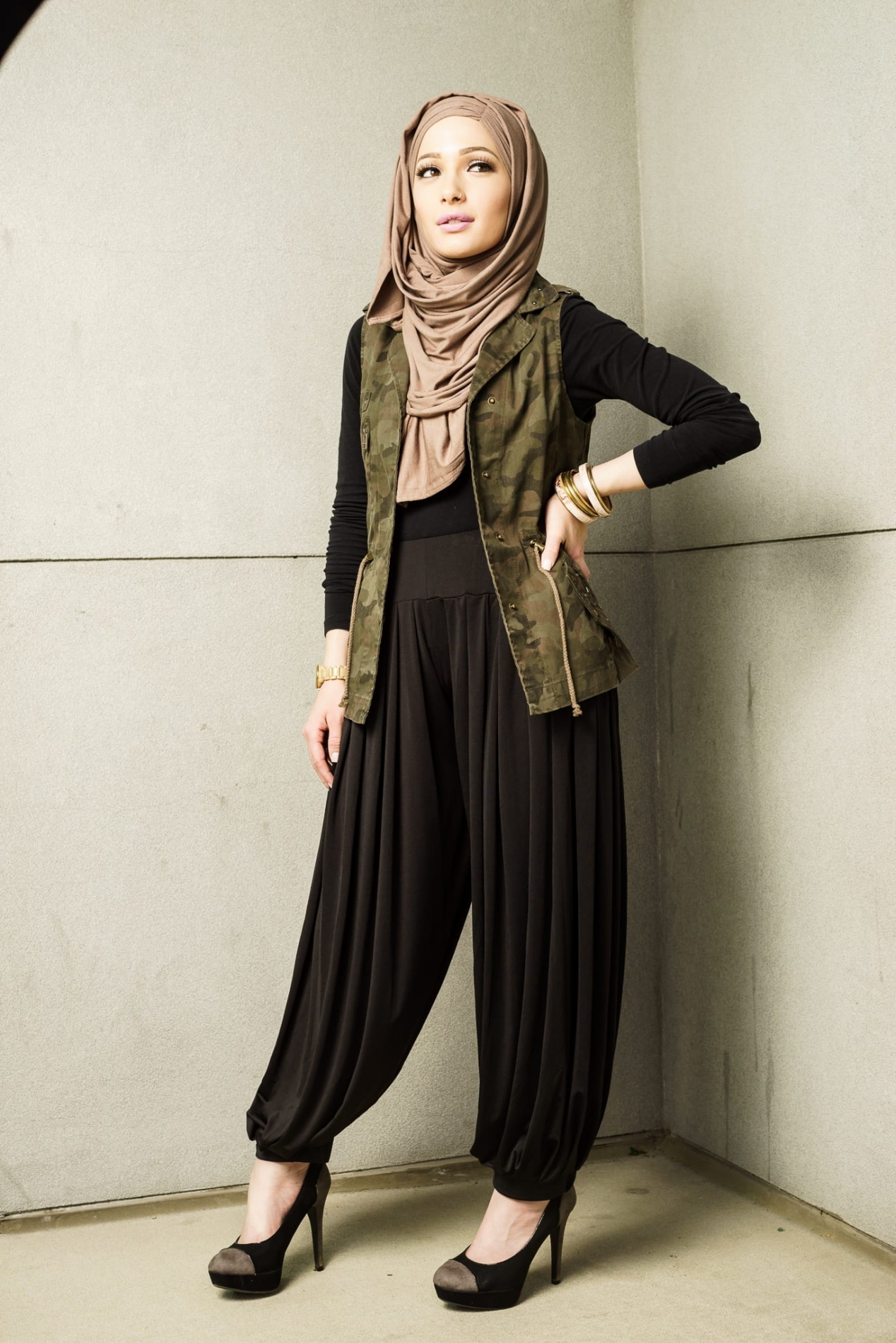
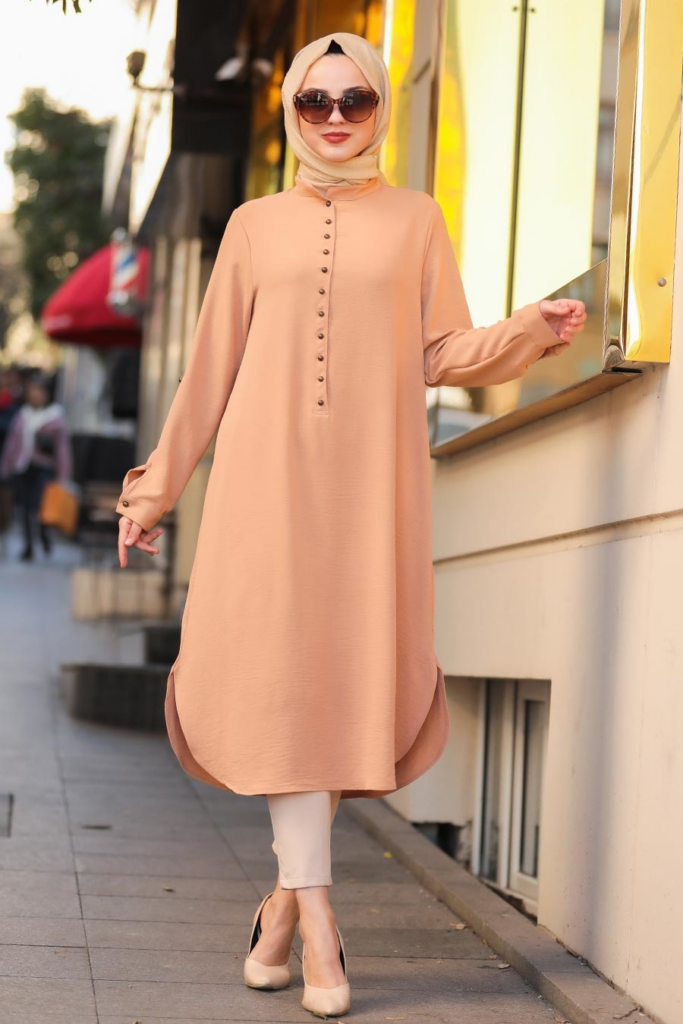
In recent years, the fashion industry has seen a significant shift towards modest clothing. Designers are increasingly creating stylish and contemporary pieces that cater to the needs of Muslim women. This includes a variety of garments such as abayas, maxi dresses, tunics, and hijabs that are both fashionable and modest. The rise of social media has played a crucial role in this transformation, allowing designers and influencers to showcase their creations and inspire others. Fashion shows dedicated to modest wear have emerged, highlighting the creativity and innovation within this niche market, and encouraging a broader acceptance of diverse fashion choices.
Key Elements of Modest Clothing
Fabrics and Styles
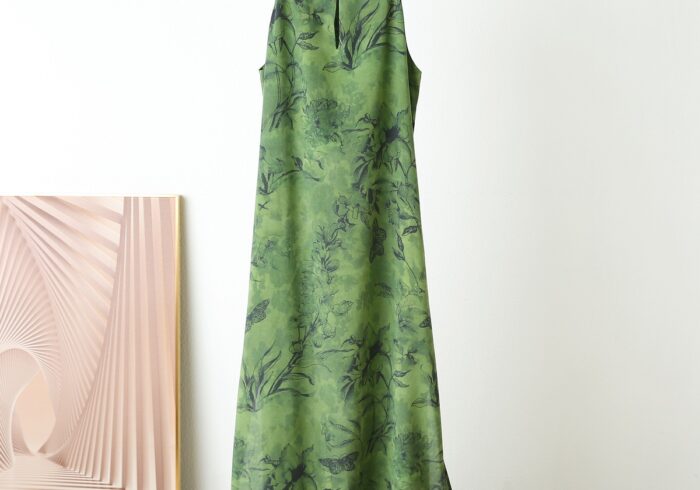
Modest clothing often features breathable fabrics that provide comfort while ensuring coverage. Common materials include cotton, linen, and jersey, which allow for ease of movement. Styles vary widely, from long-sleeved tops and wide-legged trousers to flowing skirts and dresses. The emphasis is on creating a silhouette that is elegant yet modest. Many designers are now experimenting with layering techniques, combining different textures and lengths to create visually appealing outfits that maintain modesty. This approach not only enhances the aesthetic appeal but also allows for versatility in styling, making modest clothing suitable for various occasions.
Color and Patterns
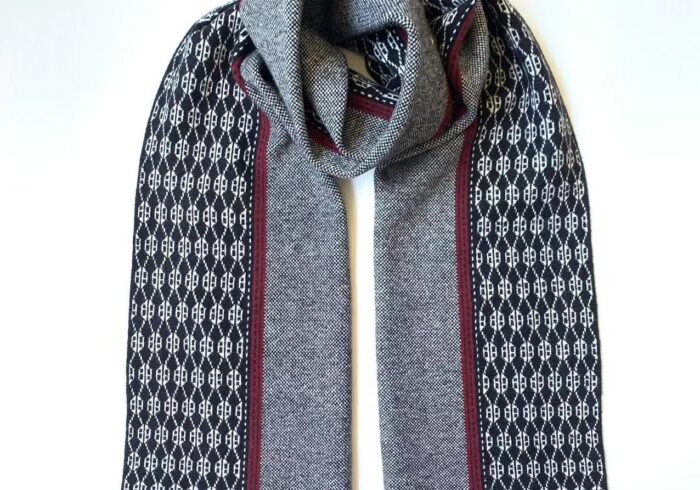
While modest clothing is often associated with neutral colors, there is a growing trend towards vibrant hues and intricate patterns. Many designers incorporate floral prints, geometric designs, and bold colors into their collections, allowing individuals to express their personal style while adhering to modesty guidelines. The use of color and patterns can also reflect cultural heritage, with traditional motifs being reinterpreted in modern designs. This fusion of old and new not only enriches the fashion landscape but also celebrates the diversity of Muslim cultures around the world.
The Role of Modest Fashion in Empowerment
Self-Expression and Identity
Modest fashion empowers individuals by allowing them to express their identity without compromising their values. Many Muslim women find confidence in wearing clothing that aligns with their beliefs, enabling them to navigate various social settings while staying true to themselves. This empowerment extends beyond personal expression; it fosters a sense of agency and autonomy, encouraging women to take pride in their choices. By embracing modest fashion, individuals can challenge societal norms and redefine beauty standards, promoting a more inclusive understanding of fashion.
Breaking Stereotypes
The rise of modest fashion has also played a crucial role in breaking stereotypes associated with Muslim women. By showcasing stylish and modern interpretations of modest clothing, the fashion industry challenges preconceived notions and promotes a more inclusive understanding of beauty and fashion. This shift is particularly important in a global context, where media representations of Muslim women have often been limited or negative. Modest fashion influencers and designers are actively working to reshape these narratives, highlighting the creativity, strength, and diversity of Muslim women around the world.
The Global Impact of Modest Fashion
Influencing the Fashion Industry
The demand for modest clothing has led to a significant shift in the fashion industry. Major brands and designers are now recognizing the importance of catering to this market, resulting in a wider variety of options for consumers. This shift not only benefits Muslim women but also promotes diversity and inclusivity in fashion. As more brands embrace modest fashion, they contribute to a broader dialogue about representation and accessibility in the industry. This evolution encourages consumers to seek out brands that align with their values, fostering a more ethical and conscious approach to fashion.
Community and Support
The modest fashion movement has fostered a sense of community among individuals who share similar values. Social media platforms have become a space for sharing fashion inspiration, tips, and support, creating a global network of individuals who celebrate modesty in style. Online communities and forums provide a platform for discussions about fashion, faith, and personal experiences, allowing individuals to connect and support one another. This sense of belonging is crucial in a world where cultural and religious identities are often misunderstood or marginalized.
Challenges in Modest Fashion
Navigating Trends and Traditions
While the rise of modest fashion has been largely positive, it also presents challenges. Balancing modern trends with traditional values can be difficult for some individuals. The pressure to conform to certain styles or trends may lead to confusion about what modesty truly means. This tension can create a sense of disconnection for those who feel torn between embracing contemporary fashion and adhering to their cultural or religious beliefs. It is essential for individuals to find a personal balance that respects their values while allowing for self-expression.
Accessibility and Affordability
Another challenge is the accessibility and affordability of modest clothing. While the market is expanding, not all individuals have access to stylish and affordable options. This can create barriers for those who wish to embrace modest fashion but may not have the means to do so. Additionally, the availability of modest clothing can vary significantly by region, with some areas lacking diverse options. Addressing these challenges requires a concerted effort from designers, retailers, and communities to ensure that modest fashion is accessible to all.
Conclusion
Modest clothing is more than just a fashion choice; it is a reflection of cultural identity, personal values, and empowerment. As the world of modest fashion continues to evolve, it is essential to celebrate the diversity and creativity within this space. By embracing modesty, individuals can express their unique styles while staying true to their beliefs. The journey of modest fashion is ongoing, and its impact on society will continue to grow as more people recognize the beauty and significance of dressing modestly.
How to purchase:https://looperbuy.com/search?keywords=modest+clothes+muslim
Questions and Answers
1. What defines modest clothing in the Muslim context?
Modest clothing in the Muslim context is characterized by loose-fitting garments that cover the body adequately, aligning with Islamic teachings on modesty.
2. How has modest fashion evolved over the years?
Modest fashion has evolved from traditional styles to include modern, stylish pieces that cater to contemporary tastes while maintaining the principles of modesty.
3. What are some common styles of modest clothing?
Common styles of modest clothing include abayas, maxi dresses, tunics, and wide-legged trousers, often made from breathable fabrics.
4. How does modest fashion empower individuals?
Modest fashion empowers individuals by allowing them to express their identity and values confidently, challenging stereotypes and promoting inclusivity.
5. What challenges does the modest fashion industry face?
The modest fashion industry faces challenges such as balancing modern trends with traditional values and ensuring accessibility and affordability for all individuals.