China’s e-commerce landscape is dominated by several key platforms, each catering to different market segments and business models. Among these, 1688, Taobao, and Tmall are three of the most prominent platforms, owned by the Alibaba Group. This article explores the features, strengths, and differences between these platforms, providing insights into how businesses can leverage them effectively.
Table of Contents
Introduction to China’s E-commerce Market
China’s e-commerce market is one of the largest in the world, with a vast array of platforms serving both domestic and international markets. The market’s size and complexity require businesses to understand the unique characteristics of each platform to navigate them successfully.
Overview of 1688, Taobao, and Tmall
1688
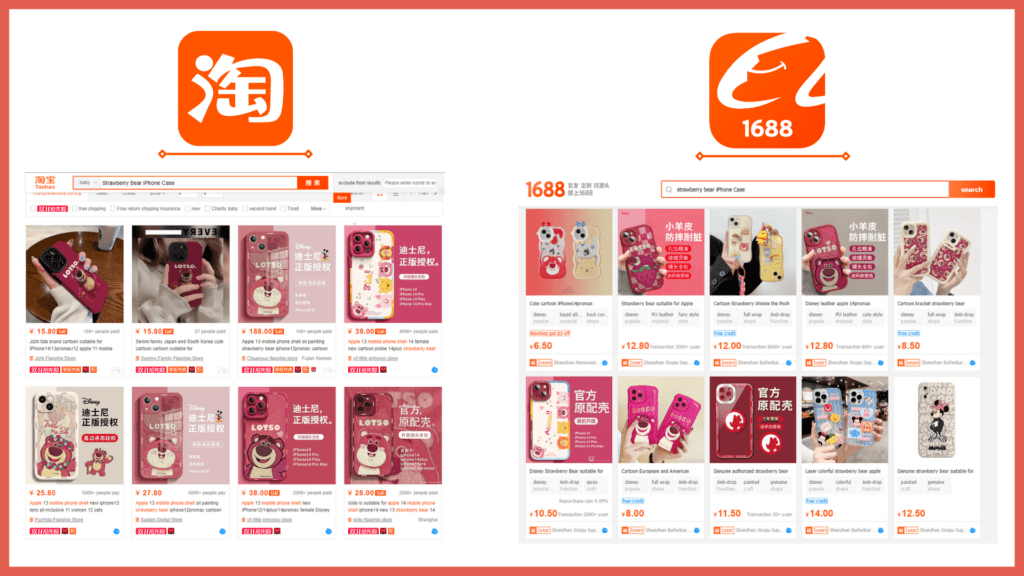
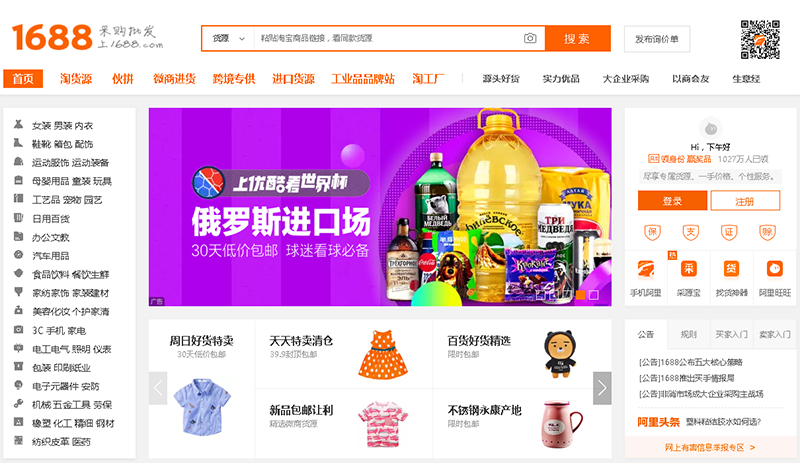
1688 is Alibaba’s domestic B2B wholesale platform, primarily serving the Chinese market. It connects businesses with factories and manufacturers, offering bulk purchases at competitive prices. The platform is ideal for sourcing products in large quantities, with many suppliers offering OEM and ODM services.
1688 Features:
- B2B Wholesale: Focuses on business-to-business transactions.
- Bulk Purchases: Offers products in large quantities.
- Supplier Network: Features a vast network of factories and manufacturers.
Taobao
Taobao is China’s largest consumer-to-consumer (C2C) platform, allowing individuals to sell products directly to consumers. It is known for its vibrant marketplace, where sellers can offer personalized products and engage with customers through live streaming and social features. Taobao is ideal for small businesses and individuals looking to source or sell products in smaller quantities.
Taobao Features:
- C2C Model: Focuses on consumer-to-consumer transactions.
- Product Range: Offers a wide variety of products, including fashion and electronics.
- Live Streaming: Taobao Live is a key feature for real-time engagement.
Tmall
Tmall is Alibaba’s business-to-consumer (B2C) platform, catering to established brands and retailers. It requires sellers to be legally registered businesses, ensuring high-quality products and strict quality control. Tmall is popular among luxury and international brands seeking to tap into China’s affluent consumer base.
Tmall Features:
- B2C Model: Focuses on business-to-consumer transactions.
- Quality Assurance: Ensures high-quality products through strict entry requirements.
- Brand Focus: Hosts international brands like Gucci and Burberry.
Differences Between 1688, Taobao, and Tmall
- Business Model: 1688 is B2B, Taobao is C2C, and Tmall is B2C.
- Product Range: 1688 focuses on bulk wholesale, Taobao offers a wide range of consumer goods, and Tmall specializes in high-quality branded products.
- Target Audience: 1688 targets businesses, Taobao targets individual consumers, and Tmall targets affluent consumers seeking branded products.
Challenges and Opportunities
While these platforms offer numerous opportunities for businesses, there are challenges to consider:
- Language Barriers: Platforms like 1688 are primarily in Chinese, requiring translation tools or sourcing agents for non-Chinese speakers.
- Payment and Shipping: International transactions can be complex, often requiring third-party agents.
- Quality Assurance: Buyers must conduct thorough due diligence as quality can vary.
Leveraging Social Commerce in China
China’s social commerce sector is booming, with platforms like WeChat and Douyin integrating payment options into social media. This trend presents opportunities for brands to engage directly with consumers through live streaming and influencer marketing.
Future Prospects
As China’s e-commerce giants continue to evolve, businesses must adapt to emerging trends and technologies. The integration of AI, blockchain, and other digital technologies will enhance supply chain efficiency and customer experiences, driving further growth in the sector.
Conclusion
Navigating 1688, Taobao, and Tmall requires understanding their unique strengths and challenges. By leveraging these platforms effectively and staying informed about market trends, businesses can successfully tap into China’s vast and dynamic e-commerce market.
Frequently Asked Questions
What are the main differences between 1688, Taobao, and Tmall?
1688 is a B2B wholesale platform, Taobao is a C2C marketplace, and Tmall is a B2C platform for established brands.
How do I navigate language barriers on these platforms?
Use translation tools or work with sourcing agents who speak Chinese.
What are the payment options available on these platforms?
Domestic platforms like 1688 primarily use local payment methods like Alipay, while international platforms offer more diverse options.
How can I ensure product quality when sourcing from these platforms?
Conduct thorough due diligence, check supplier ratings, and consider quality control services offered by some platforms.
What trends should I watch in China’s e-commerce market for 2025?
Social commerce growth, AI integration, and the luxury market’s performance are key trends to monitor.