In today’s fast-paced digital landscape, businesses are increasingly turning to artificial intelligence (AI) to enhance their customer experiences. B2B companies, in particular, are leveraging AI tools to create personalized interactions that not only meet but exceed customer expectations. This article explores how B2B AI tools are transforming customer experiences, the benefits they offer, and the strategies businesses can implement to harness their full potential.
Table of Contents
Understanding B2B AI Tools
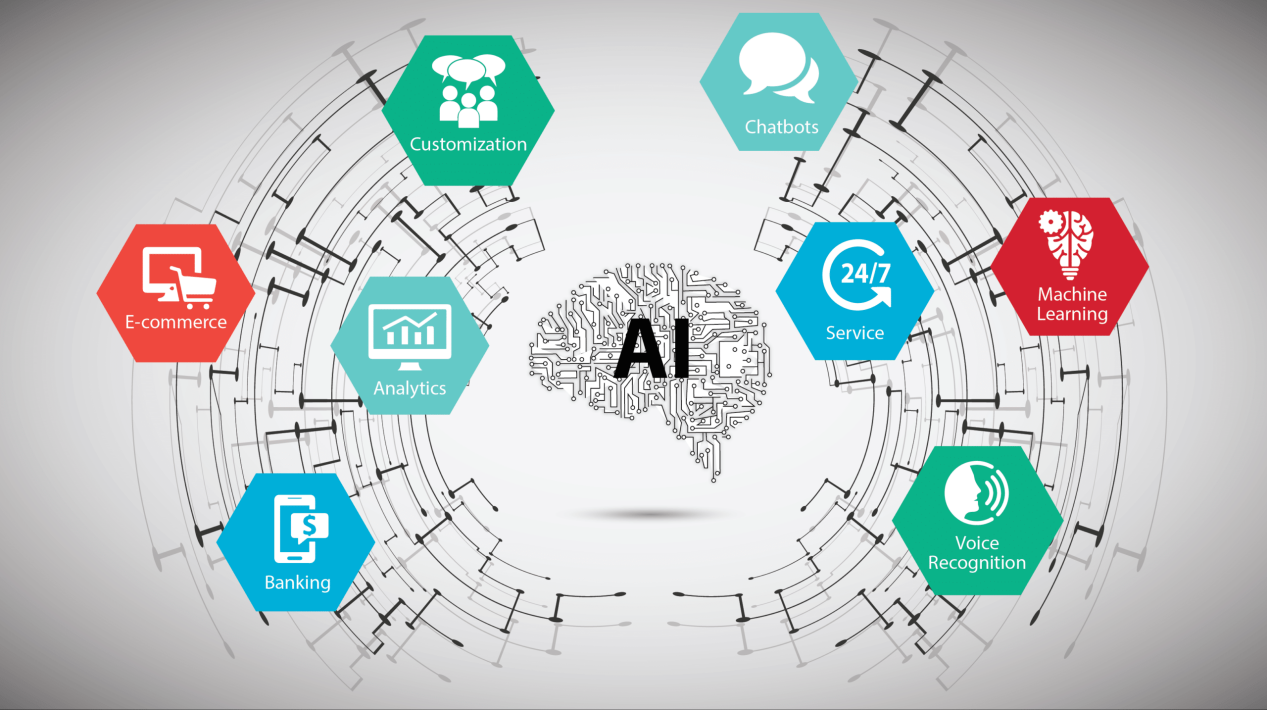
B2B AI tools encompass a wide range of technologies designed to improve business operations and customer interactions. These tools utilize machine learning, natural language processing, and data analytics to analyze customer behavior, preferences, and feedback. By doing so, they enable businesses to tailor their offerings and communications to individual customer needs. The integration of AI into B2B operations is not just a trend; it represents a fundamental shift in how businesses engage with their clients, allowing for more efficient and effective communication.
Key Features of B2B AI Tools
1. Data Analysis: AI tools can process vast amounts of data quickly, identifying trends and insights that would be impossible for humans to discern in a timely manner. This capability allows businesses to make data-driven decisions that enhance their strategies and operations.
2. Predictive Analytics: By analyzing historical data, AI can predict future customer behaviors, allowing businesses to proactively address needs and preferences. This foresight can lead to improved customer satisfaction and retention, as companies can anticipate and meet demands before they arise.
3. Personalization: AI tools can customize marketing messages, product recommendations, and customer interactions based on individual customer profiles. This level of personalization fosters a deeper connection between the business and its customers, making interactions feel more relevant and engaging.
4. Automation: Many AI tools automate routine tasks, freeing up human resources for more strategic initiatives. This not only increases efficiency but also allows employees to focus on higher-value activities that require human insight and creativity.
The Importance of Personalization in B2B
Personalization is no longer a luxury; it is a necessity in the B2B sector. Customers expect tailored experiences that resonate with their specific needs and challenges. According to recent studies, 92% of companies worldwide are embracing AI to provide personalized customer experiences, highlighting the critical role of AI in modern business strategies. In a competitive marketplace, businesses that fail to personalize their offerings risk losing customers to competitors who do.
Benefits of Personalization
– Increased Customer Satisfaction: Personalized experiences make customers feel valued and understood, leading to higher satisfaction rates. When customers receive tailored solutions, they are more likely to perceive the business as attentive and responsive to their needs.
– Enhanced Loyalty: When customers receive tailored interactions, they are more likely to remain loyal to a brand, resulting in repeat business. Loyalty programs that leverage AI to offer personalized rewards can further strengthen this bond.
– Higher Conversion Rates: Personalized marketing efforts can significantly increase conversion rates, as customers are more likely to engage with content that speaks directly to their needs. This targeted approach not only improves sales but also enhances the overall customer journey.
How B2B AI Tools Enhance Customer Experiences
B2B AI tools can enhance customer experiences in several ways:
1. AI-Powered Chatbots
Chatbots are one of the most visible applications of AI in customer service. They provide instant support, answering queries and resolving issues 24/7. This not only improves response times but also allows human agents to focus on more complex tasks. By utilizing natural language processing, chatbots can engage in meaningful conversations, providing customers with the information they need without delay.
2. Personalized Marketing Campaigns
AI tools can analyze customer data to create highly targeted marketing campaigns. By understanding customer preferences and behaviors, businesses can deliver relevant content that resonates with their audience, increasing engagement and conversion rates. This level of targeting ensures that marketing resources are used efficiently, maximizing return on investment.
3. Predictive Customer Insights
Predictive analytics tools can forecast customer needs based on historical data. This allows businesses to anticipate customer requirements and tailor their offerings accordingly, ensuring they remain relevant in a competitive market. By leveraging these insights, companies can develop proactive strategies that enhance customer satisfaction and loyalty.
4. Enhanced Customer Feedback Analysis
AI-driven sentiment analysis tools can process customer feedback from various sources, such as social media and surveys. By understanding customer sentiments, businesses can make informed decisions to improve their products and services. This feedback loop is crucial for continuous improvement and helps businesses stay aligned with customer expectations.
5. Streamlined Customer Journeys
AI tools can map out customer journeys, identifying key touchpoints and optimizing them for better engagement. This ensures that customers have a seamless experience from initial contact to post-purchase support. By analyzing customer interactions at each stage, businesses can identify pain points and enhance the overall journey.
Implementing B2B AI Tools: Strategies for Success
To effectively implement B2B AI tools, businesses should consider the following strategies:
1. Define Clear Objectives
Before adopting AI tools, businesses must define their goals. Whether it’s improving customer service, increasing sales, or enhancing marketing efforts, having clear objectives will guide the selection and implementation of AI technologies. This clarity will also help in measuring the success of AI initiatives.
2. Invest in Quality Data
AI tools rely on data to function effectively. Businesses should invest in collecting high-quality data and ensure it is clean, relevant, and up-to-date. This will enhance the accuracy of AI predictions and insights, leading to better decision-making and customer interactions.
3. Train Employees
Employees should be trained to use AI tools effectively. This includes understanding how to interpret AI-generated insights and integrating them into their workflows. Providing ongoing training and support will empower employees to leverage AI technologies to their fullest potential.
4. Monitor and Adjust
After implementing AI tools, businesses should continuously monitor their performance. Analyzing the effectiveness of AI-driven strategies will allow companies to make necessary adjustments and optimize their approaches. Regular reviews will help identify areas for improvement and ensure that AI tools are delivering the desired outcomes.
5. Foster a Culture of Innovation
Encouraging a culture of innovation within the organization will help employees embrace AI technologies. This mindset will facilitate the exploration of new AI applications and strategies to enhance customer experiences. By promoting creativity and experimentation, businesses can stay ahead of the curve in a rapidly evolving digital landscape.
Challenges in Adopting B2B AI Tools
While the benefits of B2B AI tools are significant, businesses may face challenges during implementation:
1. Resistance to Change
Employees may be resistant to adopting new technologies. It is essential to communicate the benefits of AI tools and provide adequate training to ease this transition. Addressing concerns and highlighting success stories can help build buy-in from staff.
2. Data Privacy Concerns
With the increasing focus on data privacy, businesses must ensure that their use of AI tools complies with regulations. This includes safeguarding customer data and being transparent about how it is used. Establishing robust data governance policies will help mitigate risks and build customer trust.
3. Integration with Existing Systems
Integrating AI tools with existing systems can be complex. Businesses should plan for potential integration challenges and allocate resources accordingly. Collaborating with IT teams and external vendors can facilitate smoother integration processes.

Future Trends in B2B AI Tools
As technology continues to evolve, several trends are emerging in the realm of B2B AI tools:
1. Increased Use of Natural Language Processing
Natural language processing (NLP) will play a crucial role in enhancing customer interactions. AI tools will become more adept at understanding and responding to customer inquiries in a conversational manner. This advancement will lead to more engaging and effective communication.
2. Greater Focus on Ethical AI
As AI becomes more prevalent, there will be a growing emphasis on ethical AI practices. Businesses will need to ensure that their AI tools are fair, transparent, and accountable. Establishing ethical guidelines will be essential for maintaining customer trust and compliance with regulations.
3. Enhanced Personalization Capabilities
The future of B2B AI tools will see even more advanced personalization capabilities. AI will be able to analyze customer data in real-time, allowing for hyper-personalized experiences that adapt to changing customer needs. This level of responsiveness will set businesses apart in a competitive landscape.
4. Integration of AI with Other Technologies
AI will increasingly be integrated with other technologies, such as the Internet of Things (IoT) and blockchain. This convergence will create new opportunities for enhancing customer experiences and streamlining operations. Businesses that embrace these integrations will be better positioned to innovate and meet customer demands.
Conclusion
B2B AI tools are revolutionizing the way businesses interact with their customers. By leveraging these technologies, companies can create personalized experiences that drive customer satisfaction, loyalty, and ultimately, business success. As the digital landscape continues to evolve, embracing AI will be essential for B2B companies looking to stay competitive and meet the ever-changing demands of their customers.
A one-stop online purchasing solution for overseas merchants, helping to facilitate worry-free cross-border transactions throughout the entire process of sourcing, payment, and logistics:https://global.lianlianpay.com/products/looperbuy
Frequently Asked Questions
1. What are B2B AI tools?
B2B AI tools are technologies that utilize artificial intelligence to enhance business operations and customer interactions, including data analysis, predictive analytics, and automation.
2. How do B2B AI tools improve customer experiences?
They improve customer experiences by providing personalized interactions, automating support, and analyzing customer data to tailor marketing efforts.
3. What are the benefits of personalization in B2B?
Personalization leads to increased customer satisfaction, enhanced loyalty, and higher conversion rates by making customers feel valued and understood.
4. What challenges do businesses face when implementing B2B AI tools?
Challenges include resistance to change, data privacy concerns, and integration with existing systems.
5. What future trends can we expect in B2B AI tools?
Future trends include increased use of natural language processing, a focus on ethical AI, enhanced personalization capabilities, and integration with other technologies.