Table of Contents
Introduction
Kitchenware scissors are versatile tools that every modern kitchen should have. From trimming herbs to cutting through poultry, these scissors offer precision and convenience that ordinary knives cannot match. In this comprehensive guide, we will explore the world of kitchenware scissors, discussing their types, uses, and essential maintenance tips. Whether you are a home cook or a professional chef, this guide will help you make the most of your kitchen scissors.
The Versatility of Kitchenware Scissors
Kitchenware scissors are not just ordinary scissors; they are specifically designed for culinary tasks. Their sharp blades and ergonomic handles make them ideal for a wide range of kitchen activities. Unlike traditional knives, which require a specific angle and technique, kitchen scissors offer a straightforward cutting motion that is easy to master. This versatility makes them a must-have tool for both beginners and experienced cooks.
Types of Kitchenware Scissors
Poultry Shears
Poultry shears are designed for cutting through bones and tough meat. They typically have strong, durable blades that can handle tasks like splitting a whole chicken or trimming ribs. Look for shears with a tight pivot point and a serrated edge for better grip and cutting power. Some models even come with a protective cover for safe storage.
Herb Scissors
Herb scissors are perfect for quickly chopping fresh herbs like parsley, basil, and cilantro. These scissors usually have multiple blades that mince herbs finely with just a few snips. The narrow design allows for easy handling and precise cutting, making herb preparation quick and effortless. Many herb scissors also come with a cleaning comb to remove leftover herbs from the blades.
General-Purpose Kitchen Scissors
General-purpose kitchen scissors are the most common type and can handle a variety of tasks. They are ideal for cutting vegetables, opening packages, and even trimming poultry or fish. Look for models with stainless steel blades for durability and rust resistance. Ergonomic handles ensure comfortable use during extended cutting sessions.
Serrated Kitchen Scissors
Serrated kitchen scissors feature a saw-like edge that is perfect for cutting through tough skins or crusts. They are particularly useful for slicing bread, tomatoes, and other foods that require a gentle sawing motion. The serrated edge reduces friction, making cutting smoother and more efficient. These scissors are also great for trimming fatty layers from meat.
Benefits of Using Kitchenware Scissors
Kitchenware scissors offer numerous benefits that make them an essential addition to any kitchen. First and foremost, they provide precision and control that is difficult to achieve with traditional knives. Their ability to reach into tight spaces and make clean cuts ensures efficient food preparation. Additionally, kitchen scissors require less physical effort than knives, reducing fatigue during cooking. They are also safer to use, as the blades are enclosed when not in use, minimizing the risk of accidental cuts.
Time-Saving Tool
One of the most significant advantages of kitchenware scissors is their time-saving nature. Tasks that would otherwise require multiple tools, such as chopping herbs or trimming meat, can be accomplished quickly with a single pair of scissors. This efficiency allows you to focus more on the creative aspects of cooking rather than spending excessive time on preparation.
Easy to Clean and Maintain
Kitchenware scissors are generally easy to clean and maintain. Most models are dishwasher-safe, though hand-washing is recommended to prolong their lifespan. Regular sharpening ensures that the blades remain effective, and proper storage prevents damage to the blades. With minimal care, your kitchen scissors can serve you reliably for years.
How to Choose the Right Kitchenware Scissors
Selecting the right kitchen scissors depends on your specific needs and preferences. Consider the following factors when making your choice:
Blade Material
Stainless steel is the most common material for kitchen scissors due to its durability, rust resistance, and ease of cleaning. Some high-end models use titanium-coated blades for enhanced sharpness and longevity. Avoid plastic or low-quality metal blades, as they are prone to dulling and breaking.
Handle Design
Ergonomic handles are crucial for comfort, especially during extended use. Look for scissors with non-slip grips and a design that fits naturally in your hand. Some models offer adjustable tension, allowing you to customize the cutting pressure to your preference.
Size and Weight
The size and weight of the scissors should match the tasks you plan to perform. Larger, heavier scissors are better for cutting through bones, while lighter, smaller scissors are ideal for delicate tasks like herb chopping. Ensure that the scissors are well-balanced to prevent strain during use.
Special Features
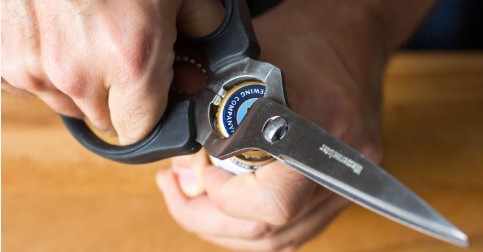
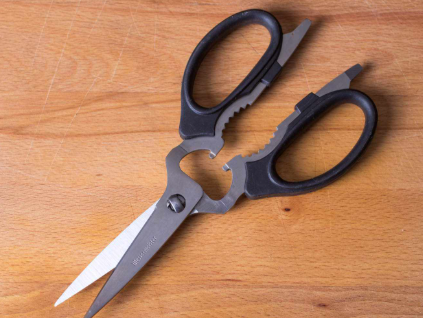
Consider any additional features that might enhance your cooking experience. Some scissors come with a built-in bottle opener or a sawtooth edge for cutting through tough materials. Others have a locking mechanism for safe storage or a protective cover to keep the blades safe.
Maintenance and Care Tips
Cleaning Your Kitchenware Scissors
Proper cleaning is essential to maintain the performance and longevity of your kitchen scissors. After each use, rinse the blades under warm water to remove food particles. For a thorough cleaning, use a soft sponge and mild dish soap. Avoid abrasive cleaners, as they can damage the blades. Dry the scissors completely before storing them to prevent rust.
Sharpening Your Scissors
Regular sharpening ensures that your kitchen scissors remain effective. Most scissors can be sharpened using a honing rod or a sharpening stone. Follow the manufacturer’s instructions for the best results. If you are unsure about sharpening, consider taking your scissors to a professional knife sharpener.
Storage Solutions
Proper storage protects your kitchen scissors and keeps them ready for use. Store them in a drawer or a dedicated scissors holder to prevent the blades from getting damaged. Some models come with a protective cover, which is highly recommended for safety.
Innovations in Kitchenware Scissors
The world of kitchenware scissors is continually evolving, with new innovations aimed at enhancing functionality and user experience. Some modern scissors feature adjustable tension settings, allowing you to customize the cutting pressure. Others incorporate non-stick coatings to prevent food from adhering to the blades. There are also smart scissors with built-in sensors that detect the type of material being cut and adjust the cutting motion accordingly.
Eco-Friendly Options
As environmental concerns grow, many manufacturers are producing eco-friendly kitchen scissors. These products are made from recycled materials and designed for longevity to reduce waste. Some companies even offer recycling programs for old kitchen tools, ensuring that your old scissors are disposed of responsibly.
Conclusion
Kitchenware scissors are invaluable tools that belong in every kitchen. Their versatility, precision, and ease of use make them ideal for a wide range of culinary tasks. By choosing the right type of scissors for your needs and maintaining them properly, you can enjoy efficient and enjoyable cooking experiences. With ongoing innovations and eco-friendly options, the future of kitchenware scissors looks promising, offering even more benefits for home cooks and professional chefs alike.
How to Purchase:https://looperbuy.com/search?keywords=kitchenware+scissors
Frequently Asked Questions
Q1: Can kitchenware scissors replace traditional knives?
A1: While kitchenware scissors can handle many tasks traditionally done with knives, they are not a complete replacement. Knives are still essential for chopping large quantities of vegetables or performing specific cutting techniques. However, scissors can significantly reduce the need for multiple knives in your kitchen.
Q2: How often should I sharpen my kitchen scissors?
A2: The frequency of sharpening depends on how often you use your scissors. Generally, sharpening every 3-6 months is recommended to maintain optimal performance. If you notice the blades becoming dull or requiring more effort to cut, it is time to sharpen them.
Q3: Are kitchenware scissors dishwasher-safe?
A3: Most kitchen scissors are dishwasher-safe, but hand-washing is recommended to prolong their lifespan. Dishwashers can expose the blades to harsh detergents and high temperatures, which may affect their sharpness and finish. Always check the manufacturer’s instructions for care recommendations.
Q4: Can I use kitchenware scissors on bones?
A4: Yes, but only if you have poultry shears or heavy-duty kitchen scissors designed for cutting through bones. Regular kitchen scissors may bend or break if used on tough bones. Always use the appropriate type of scissors for the task to avoid damage.
Q5: How do I clean herb scissors effectively?
A5: Herb scissors can be challenging to clean due to their multiple blades. Start by rinsing them under warm water to remove loose herbs. Use the cleaning comb (often included with the scissors) to remove herbs trapped between the blades. For a deeper clean, soak the scissors in warm soapy water for a few minutes before scrubbing gently with a soft brush.