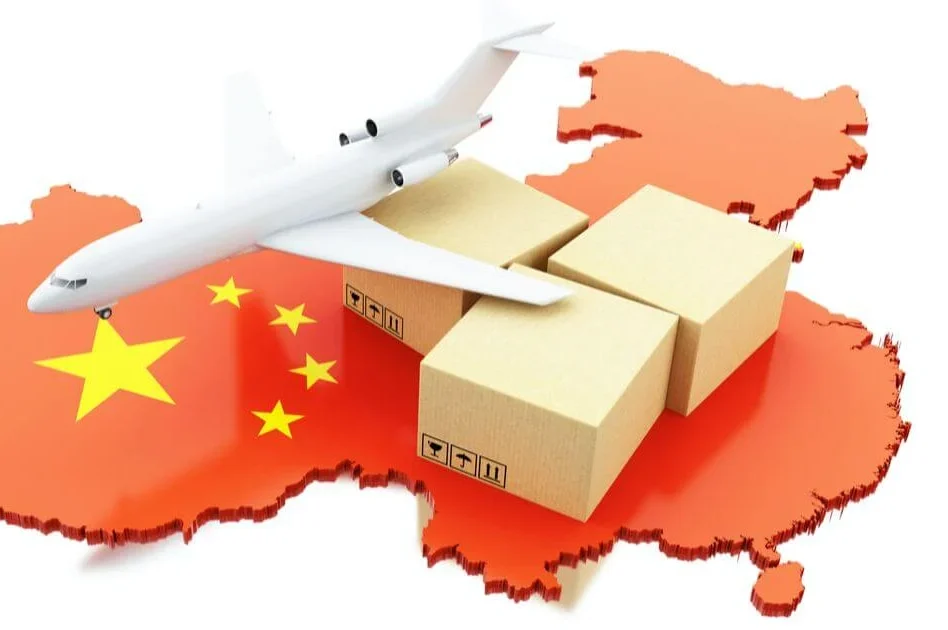
China remains the global epicenter for sourcing wholesale items, offering unparalleled cost efficiency, product diversity, and manufacturing scalability. From electronics and textiles to niche products like horse riding gear and wigs, Chinese suppliers dominate global supply chains79. However, navigating this vast market requires strategic planning, cultural awareness, and adaptability to emerging trends. This article explores the landscape of wholesale sourcing from China, providing actionable insights for businesses aiming to capitalize on its opportunities while mitigating risks.
Table of Contents
Why Source Wholesale Items from China?
Cost Efficiency
Chinese suppliers leverage economies of scale and lower labor costs to offer competitive pricing. Bulk orders further reduce per-unit costs, enabling retailers to maximize profit margins.
Product Diversity
China’s wholesale markets cater to virtually every industry. Key sectors include:
- Electronics : Shenzhen’s Huaqiangbei market is a global hub for gadgets and components.
- Textiles and Apparel : Guangzhou’s Baiyun Leather Market and Yiwu’s International Trade City specialize in garments and accessories.
- Niche Products : Suppliers like Meir Hair (wigs) and Guangzhou Hengli (medical-grade horse riding gear) highlight specialized manufacturing capabilities.
Integrated Supply Chains
China’s vertically integrated supply chains streamline production. For instance, Fujian-based factories produce shoe soles, insoles, and accessories under one roof, reducing lead times. Regions like Zhejiang and Guangdong host clusters of factories, enabling efficient raw material sourcing and logistics.
How to Find Reliable Suppliers
Online Platforms
- Alibaba : The largest B2B platform, hosting millions of verified suppliers. Look for suppliers with “Gold Supplier” status and positive reviews.
- DHgate : Ideal for small businesses, offering low MOQs (e.g., 50–200 units) and secure payment options.
- Made-in-China.com : Features audited suppliers with certifications like ISO 9001 and OEKO-TEX.
Trade Shows and Exhibitions
Events like the Canton Fair and Yiwu Commodities Fair provide direct access to suppliers. For example, the 2025 Canton Fair showcased innovations in sustainable textiles and smart manufacturing.
Regional Specializations
- Guangdong : Electronics, luxury apparel, and OEM services.
- Zhejiang : Small commodities (Yiwu) and affordable clothing (Hangzhou).
- Shandong : Human hair wigs and medical-grade products.
Challenges in Sourcing from China
Quality Control
Inconsistent quality remains a concern. Solutions include:
- Requesting pre-shipment inspections and third-party audits.
- Partnering with suppliers certified by BSCI or ISO 9001.
Logistics and Shipping
Delays due to port congestion or customs issues are common. Options include:
- Sea Freight : Cost-effective for bulk orders (4–6 weeks delivery).
- Air Freight : Faster but pricier (e.g., DHL or FedEx for urgent shipments).
Cultural and Communication Barriers
Misunderstandings over contracts or specifications can arise. Platforms like PandaDsc offer translation services and legal support to bridge gaps.
Future Trends in China’s Wholesale Industry
Digital Transformation
AI-driven platforms like 1688.com (Alibaba’s domestic arm) enable real-time inventory tracking and demand forecasting. Blockchain is also being adopted for supply chain transparency.
Sustainability Initiatives
Brands are pushing suppliers to adopt eco-friendly practices. For example, Rebecca Wig Factory uses organic dyes, while textile hubs in Zhejiang recycle 30% of water used in dyeing.
Market Diversification
Emerging markets like ASEAN and Central Asia are gaining traction. China’s exports to Kazakhstan grew by 93.6% in 2024, driven by demand for affordable consumer goods.
Conclusion
Sourcing wholesale items from China offers significant advantages in cost, variety, and scalability. However, success hinges on thorough supplier vetting, adaptability to logistics challenges, and alignment with trends like sustainability and digitalization. By leveraging platforms like 1688, attending trade fairs, and prioritizing certified suppliers, businesses can unlock China’s manufacturing potential while minimizing risks.
If you want to do purchasing directly without registering 1688, you can use looperbuy, a one-stop purchasing-logistics solution:https://looperbuy.com/
FAQs
- What is good platform to source wholesale items from China?
1688 is a top choice, offering verified suppliers and diverse product ranges.
- How can I ensure product quality when ordering from Chinese suppliers?
Request samples, verify certifications (e.g., ISO 9001), and conduct pre-shipment inspections.
- What are the most cost-effective shipping methods from China?
Sea freight is ideal for bulk orders, while air freight suits urgent shipments. Express couriers like DHL are best for samples.
- How do MOQs impact pricing?
Lower MOQs (e.g., 50 units) often have higher per-unit costs. Bulk orders (1,000+ units) typically qualify for discounts.
- Are Chinese suppliers adopting sustainable practices?
Yes. Many now use recycled materials, energy-efficient production, and eco-friendly packaging to meet global standards like GOTS.