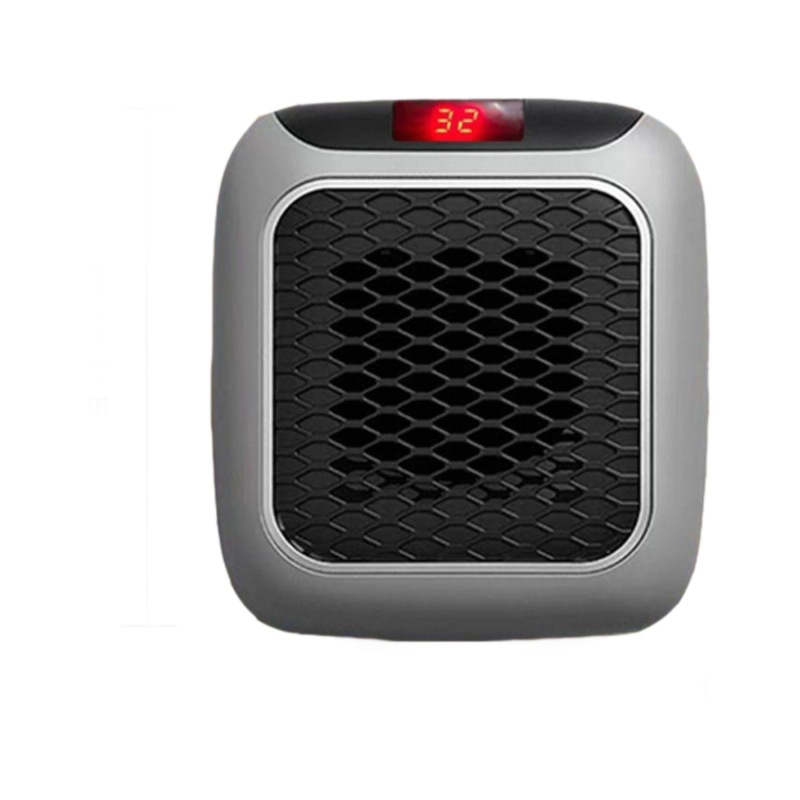
The purchase of small electrical appliances in the United States—from kitchen gadgets like blenders and air fryers to household essentials like fans and microwaves—has become increasingly complex due to evolving tariffs, shifting consumer preferences, and global supply chain dynamics. With rising concerns over price hikes triggered by trade policies, businesses and consumers alike are reevaluating procurement strategies. This article explores the challenges and opportunities in sourcing small electrical appliances, focusing on tariff impacts, supplier reliability, sustainability trends, and the role of digital platforms in streamlining procurement.
Table of Contents
Impact of Tariffs on Consumer Behavior
Accelerated Purchasing Decisions
Recent announcements of tariffs on imported goods, including a proposed 10% surcharge on nearly all imports to the U.S., have spurred consumers and businesses to act swiftly. For instance, retirees Charlene and Phil Willingham expedited their purchase of kitchen appliances—a stove, refrigerator, microwave, and dishwasher—to avoid anticipated price increases. This urgency reflects a broader trend of “panic buying,” where households stockpile essentials like water, soap, and small appliances to mitigate future financial strain.
Long-Term Cost Uncertainties
While some consumers prioritize immediate purchases, others adopt a wait-and-see approach, trusting that short-term price fluctuations will stabilize. For example, 61-year-old Gregg Harris expressed confidence that market prices would “recover,” opting not to alter his shopping habits despite tariff announcements. This dichotomy highlights the challenge of balancing short-term financial pressures with long-term budget planning.
Global Supply Chain Dynamics
China’s Dominance in Manufacturing
China remains the epicenter of small appliance production, offering cost efficiency, scalability, and integrated supply chains. Cities like Yiwu in Zhejiang Province host specialized trade fairs, such as the China Yiwu Hardware & Electrical Appliances Trade Fair , which connects global buyers with over 10,000 suppliers of tools, electronics, and household appliances. These events emphasize China’s ability to deliver bulk orders at competitive prices, with minimum order quantities (MOQs) as low as 50 units for startups.
Logistical Challenges
Despite China’s manufacturing prowess, logistical bottlenecks—such as port congestion and customs delays—complicate procurement. For example, sea freight, while cost-effective for bulk orders, requires 4–6 weeks for delivery, whereas air freight reduces transit time to 3–7 days but incurs higher costs. Businesses are increasingly turning to third-party logistics platforms like ShippingChimp to optimize shipping expenses and ensure timely delivery.
Consumer Preferences and Market Trends
Demand for Durability and Repairability
Growing frustration with built-in obsolescence —the deliberate shortening of product lifespans—has fueled demand for appliances that prioritize longevity. A 2024 EU Commission report highlighted consumer grievances over devices like printers and dishwashers that fail prematurely, often due to incompatible software or proprietary parts. Advocacy for a “right to repair” movement is gaining traction, pressuring manufacturers to design products that are easier to maintain and upgrade.
Sustainability and Eco-Friendly Practices
U.S. consumers increasingly favor suppliers adopting sustainable practices. For instance,Rebecca Wig Factory in China now uses organic dyes and recycled packaging, while textile hubs in Zhejiang recycle 30% of water used in dyeing processes. Certifications like OEKO-TEX and ISO 9001 are becoming critical differentiators for environmentally conscious buyers.
E-Commerce and Digital Procurement
Role of Online Platforms
Digital marketplaces like Alibaba and 1688.com have revolutionized wholesale sourcing. Alibaba’s Gold Supplier program and Trade Assurance escrow service mitigate risks by verifying supplier credentials and guaranteeing product quality. Meanwhile, 1688.com caters to domestic Chinese buyers with AI-powered tools like image search, enabling users to find products using photos.
Emerging Technologies
Blockchain and AI are transforming supply chain transparency. Alibaba’s DeepSeek model enhances demand forecasting, while blockchain tracks production stages for appliances like medical-grade fans. These innovations help businesses align procurement with real-time market demands.
Strategies for U.S. Buyers
Supplier Vetting and Quality Control
- Certifications : Prioritize suppliers with BSCI (social compliance) and ISO 9001 (quality management) certifications.
- Pre-Shipment Inspections : Third-party audits reduce risks of counterfeit products, particularly for electronics requiring FCC compliance.
Tariff Mitigation
- Bulk Purchasing : Negotiate volume discounts to offset tariff-induced price hikes.
- Diversification : Explore suppliers in ASEAN countries, though China’s integrated supply chains remain unmatched in cost efficiency.
Conclusion
Navigating the U.S. market for small electrical appliances requires a multifaceted approach. Businesses must balance tariff-driven urgency with strategic supplier partnerships, prioritize sustainability and repairability to meet consumer expectations, and leverage digital tools to streamline procurement. By aligning with these trends, companies can secure competitive advantages in a volatile market.
How to Purchase:https://looperbuy.com/search?keywords=United+States+small+electrical+appliances+purchase
FAQs
- How do tariffs impact the pricing of small electrical appliances in the U.S.?
ariffs, such as the proposed 10% surcharge on imports, directly increase costs for consumers. Businesses often mitigate this by negotiating bulk discounts or accelerating purchases before tariffs take effect.
- What certifications should I prioritize when sourcing appliances from China?
Key certifications include ISO 9001 (quality management), OEKO-TEX (chemical safety), and FCC (electronics compliance). These ensure products meet U.S. regulatory standards.
- How can I verify a supplier’s reliability on platforms like Alibaba?
Look for suppliers with “Gold Supplier” status, Trade Assurance badges, and positive customer reviews. Request samples and review transaction histories to assess consistency.
- What are the most cost-effective shipping methods for bulk appliance orders?
Sea freight is ideal for large orders, costing 800–1,500 per container. Air freight suits urgent shipments but costs 3–5 times more.
- Are U.S. consumers willing to pay more for sustainable appliances?
Yes. Surveys show 65% of U.S. buyers prioritize eco-friendly products, even at a 10–15% price premium. Suppliers adopting recycled materials or energy-efficient processes gain a competitive edge.
Hot Tags:Affordable Kitchen Appliances USA; Best Small Home Electronics Deals; Energy-Efficient Household Gadgets Online; Top-Rated Compact Appliances For Apartments; Wholesale Small Electronics Distributors; USA Discounted Countertop Appliances; Smart Home Device Retailers America; Commercial-Grade Mini Appliances Suppliers; Eco-Friendly Small Appliance Brands