Table of Contents
Introduction to China’s Beads Wholesale Ecosystem
China’s dominance in the global beads industry is unmatched, producing over 70% of the world’s beads across materials like glass, crystal, wood, metal, and semi-precious stones. From mass-market fashion accessories to luxury jewelry components, Chinese suppliers cater to diverse markets with competitive pricing, rapid production capabilities, and extensive customization options. This guide explores how to navigate this complex ecosystem, covering supplier selection, cost optimization, and compliance strategies for businesses sourcing beads from China in 2024.
Key Categories of Beads Wholesale Suppliers
OEM/ODM Manufacturers
Original Equipment Manufacturers (OEM) and Original Design Manufacturers (ODM) are pivotal for businesses seeking tailored solutions. These suppliers specialize in:
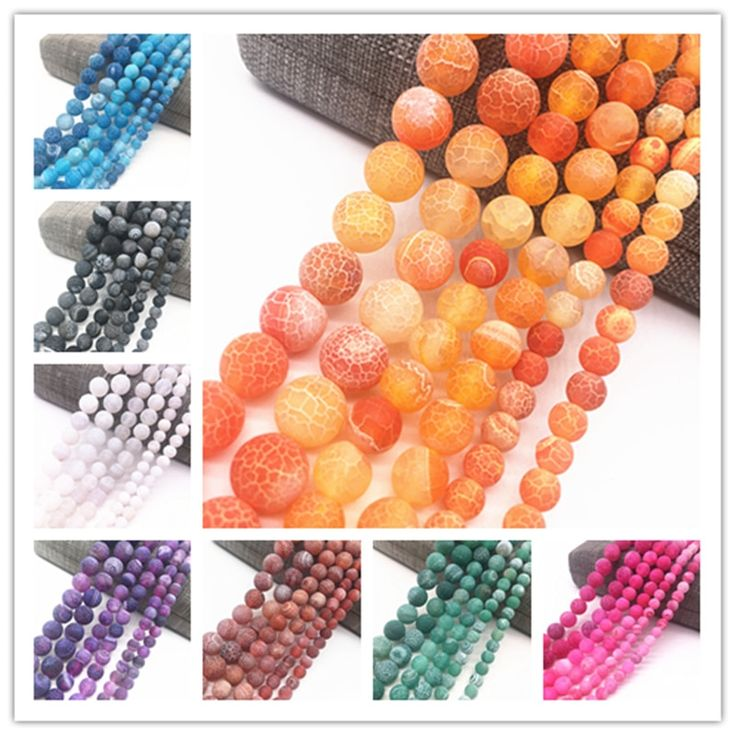
- Customization: Create unique bead designs based on client specifications, including shapes (e.g., faceted, round, bicone), sizes (2mm–20mm), and finishes (matte, glossy, iridescent).
- Material Expertise: Work with diverse materials such as recycled glass, Swarovski-style crystals, ceramic, and eco-friendly resin.
- Packaging Solutions: Offer branded packaging for retail-ready products, including drawstring pouches, display cards, or bulk jars.
Vertical-Specific Sourcing Channels
Specialized platforms and marketplaces cater to niche bead categories:
- Natural Stone Suppliers: Focus on semi-precious stones like agate, jade, and turquoise, often sourced from regions like Yunnan and Guangdong.
- Metal Bead Specialists: Provide brass, stainless steel, or alloy beads with plating options (gold, rose gold, antique finishes).
- Craft and DIY Platforms: Supply bulk quantities of plastic, acrylic, or wooden beads for hobbyists and small businesses.
Regional Wholesale Clusters
China’s bead production is concentrated in key manufacturing hubs:
- Yiwu, Zhejiang: Known as the “World’s Supermarket,” Yiwu International Trade City hosts thousands of bead vendors, offering over 50,000 designs. Popular categories include glass seed beads, plastic pony beads, and acrylic charms.
- Guangzhou, Guangdong: The Liwan Beads Market specializes in semi-precious stones, metal spacer beads, and high-end crystal components.
- Dongguan, Guangdong: A hub for metal bead manufacturing, particularly stainless steel and alloy varieties.
Strategies for Effective Sourcing
Supplier Verification and Due Diligence
Ensuring supplier reliability is critical to avoid quality issues or scams:
- Certifications: Prioritize suppliers with RoHS (Restriction of Hazardous Substances) compliance for non-toxic materials, ISO 9001 for quality management, and FSC (Forest Stewardship Council) certification for wooden beads.
- Sample Testing: Request physical samples to assess color accuracy, durability (e.g., resistance to scratches or fading), and consistency across batches.
- Third-Party Audits: Partner with inspection agencies to evaluate factory conditions, production capacity, and ethical labor practices.
Cost Optimization Techniques
- Bulk Order Discounts: Negotiate tiered pricing for orders exceeding 10,000 units. For example, per-unit costs for glass beads may drop by 15–20% for orders over 50,000 pieces.
- Material Alternatives: Opt for cost-effective materials without sacrificing aesthetics—e.g., resin beads mimicking amber or recycled glass instead of lead crystal.
- Shipping Efficiency: Consolidate orders into full-container loads (FCL) or use consolidated air freight for smaller shipments.
Logistics and Compliance Management
- DDP Shipping: Choose Delivered Duty Paid terms to streamline customs clearance. Suppliers handle tariffs, taxes, and documentation, reducing administrative burdens.
- Bonded Warehousing: Store goods in Chinese free trade zones like Shanghai or Shenzhen to defer duty payments until products are sold.
- Regulatory Compliance: Ensure beads meet destination-market standards, such as REACH (EU chemical safety), CPSIA (U.S. lead limits), and Nickel Directive (metal bead coatings).
Challenges in Sourcing Beads from China
Quality Consistency
- Color Variations: Dye lots may differ between production batches. Solution: Request Pantone color matching and approve samples before mass production.
- Material Defects: Subpar materials (e.g., brittle resin or tarnished metal) lead to returns. Mitigate by testing beads for UV resistance, water exposure, and tensile strength.
Ethical and Environmental Concerns
- Conflict Minerals: Avoid suppliers sourcing materials from regions linked to unethical mining practices. Verify origins through certifications like Kimberley Process for gemstones.
- Sustainable Practices: Partner with suppliers using recycled glass, biodegradable resins, or FSC-certified wood.
Tariffs and Trade Barriers
- U.S. Tariffs: Beads imported under HTS code 7117.90.50 face up to 25% tariffs. Mitigate by sourcing from Chinese suppliers with factories in ASEAN countries (e.g., Vietnam, Thailand) or utilizing Mexico’s USMCA trade benefits.
- EU Anti-Dumping Measures: Certain bead categories, like ceramic beads from specific provinces, may face additional duties.
Future Trends in Beads Manufacturing
Sustainable Innovations
- Circular Economy Models: Suppliers are adopting closed-loop systems, such as recycling defective glass beads into new batches or offering take-back programs for unused inventory.
- Plant-Based Materials: Biodegradable beads made from cornstarch, bamboo, or algae are gaining traction in eco-conscious markets.
Technology-Driven Customization
- 3D Printing: Enables intricate, custom-designed beads (e.g., geometric patterns, hollow structures) with rapid prototyping.
- Laser Engraving: Personalize beads with logos, initials, or cultural motifs for bespoke jewelry lines.
Niche Market Expansion
- Cultural and Religious Demand: Rising interest in prayer beads (e.g., Buddhist malas, Islamic misbaha) and ethnic designs (e.g., African trade beads).
- High-Tech Applications: Conductive metal beads for wearable electronics or glow-in-the-dark beads for safety accessories.
Conclusion
Sourcing beads from China offers unparalleled opportunities for customization, scalability, and cost efficiency. However, success hinges on rigorous supplier verification, proactive quality control, and compliance with global regulations. By embracing sustainable materials, leveraging technology like 3D printing, and optimizing logistics strategies, businesses can navigate challenges and capitalize on emerging trends. The future of the beads industry lies in balancing innovation with ethical practices, ensuring long-term competitiveness in a dynamic global market.
If you want to do ordering directly without registering 1688(a China’s high-quality goods platform), you can use looperbuy, a one-stop purchasing-logistics solution:https://looperbuy.com/
Related Questions & Answers
· How can I verify the quality of beads from Chinese suppliers?
Request physical samples to test durability, color consistency, and finish. Use third-party inspection services to conduct pre-shipment quality checks and factory audits.
· What are the common MOQs for beads suppliers in China?
MOQs typically range from 500–1,000 units per design, though some suppliers accept smaller orders for standardized products like glass seed beads or metal spacers.
· How do tariffs impact the cost of importing beads from China?
U.S. tariffs can add up to 25% to costs. Mitigate by sourcing from Chinese suppliers with factories in ASEAN countries or utilizing bonded warehousing to defer payments.
· Which materials are popular for eco-friendly beads?
Recycled glass, biodegradable resin, and sustainably harvested wood (FSC-certified) are increasingly popular among eco-conscious buyers.
· What certifications should I look for in beads suppliers?
Prioritize RoHS (non-toxic materials), ISO 9001 (quality management), and FSC (sustainable wood) certifications. For metal beads, ensure compliance with Nickel Directive standards.
Hot Tags: Beads Wholesale Suppliers China; Custom Bead Manufacturing; Eco-Friendly Bead Materials; Bulk Jewelry Components; Glass Bead Sourcing; Bead Tariff Management; OEM Bead Design; Ethical Bead Sourcing; 3D Printed Bead Innovations.