Table of Contents
Introduction to China’s Hair Industry
China is a global leader in hair product manufacturing, supplying over 70% of the world’s human hair extensions, wigs, and synthetic hair. From ethically sourced virgin hair to innovative heat-resistant synthetic fibers, Chinese vendors offer businesses scalability, affordability, and customization. However, navigating this market requires careful supplier selection, quality assurance, and compliance with international standards. This guide explores how to identify the best hair vendors in China while addressing challenges like ethical sourcing and counterfeit products.
Types of Hair Vendors in China
Human Hair Suppliers
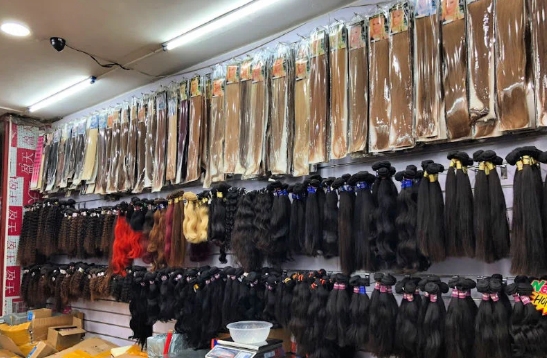
- Virgin Hair: Unprocessed, cuticle-intact hair sourced from donors in regions like Asia, Europe, and South America. Premium vendors provide DNA traceability reports.
- Remy Hair: Cuticles aligned in one direction for minimal tangling, often used in high-end extensions.
- Lace Front Wigs: Hand-tied wigs with natural hairlines, popular in luxury markets.
Synthetic Hair Manufacturers
- Heat-Resistant Fibers: Withstand temperatures up to 400°F for styling versatility.
- Pre-Bleached and Colored Hair: Ready-to-use options for salons and retailers.
Specialized Clusters
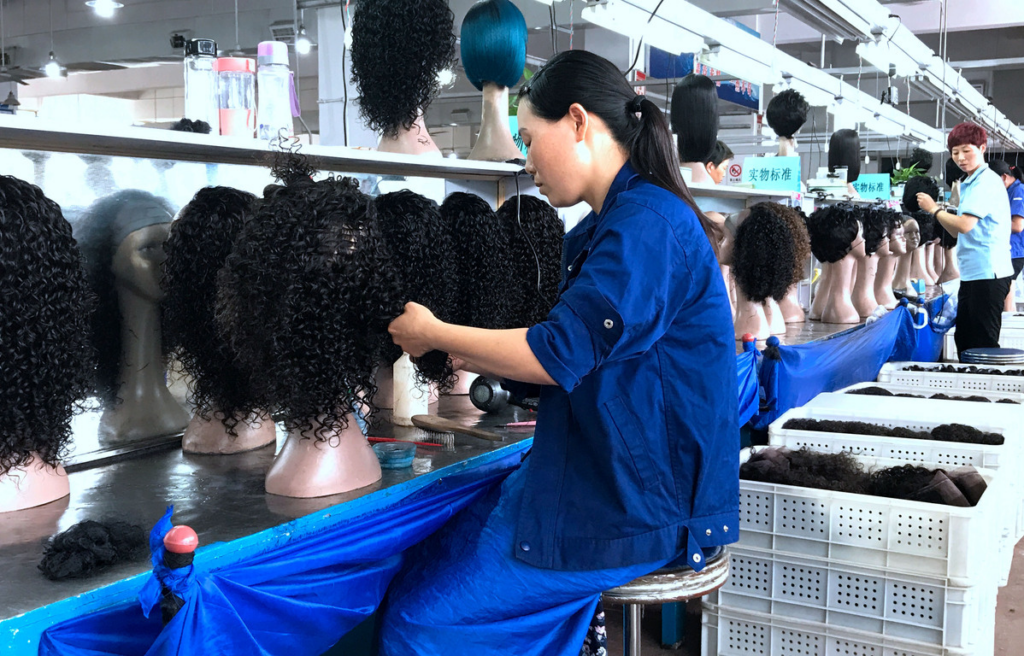
- Xuchang, Henan: Known as the “Hair Capital of the World,” home to over 5,000 hair factories.
- Qingdao, Shandong: A hub for synthetic hair innovation and fiber technology.
Strategies for Identifying Reliable Vendors
Supplier Verification
- Certifications: Prioritize vendors with ISO 9001 (quality management), SGS (product safety), or PETA-Approved Vegan certifications.
- Ethical Sourcing: Request traceability documents confirming donor compensation and ethical practices (e.g., no child labor).
- Factory Audits: Hire third-party agencies to inspect facilities, machinery, and working conditions.
Quality Testing
- Sample Evaluation: Test hair bundles for elasticity, shedding, and color consistency. For synthetic hair, verify heat resistance and durability.
- Compliance Checks: Ensure products meet safety standards like California Prop 65 (chemical safety) or EU REACH.
Cost Negotiation
- Bulk Discounts: Secure 10–20% price reductions for orders exceeding 1,000 units.
- Material Alternatives: Opt for blended human-synthetic hair or lower-grade Remy hair for budget-friendly options.
Common Challenges and Solutions
Quality Issues
- Hair Grade Misrepresentation: Vendors selling lower-grade hair as premium Remy or Virgin. Solution: Partner with suppliers offering third-party lab tests and DNA traceability.
- Synthetic Fiber Durability: Poor heat resistance or color fading. Solution: Require certifications for heat-resistant technology (e.g., Kanekalon).
Ethical Concerns
- Unethical Sourcing: Lack of transparency in hair origins. Solution: Work with PETA-certified or Fair Trade suppliers.
- Environmental Impact: Chemical waste from dyeing processes. Solution: Choose vendors with wastewater treatment systems and eco-friendly dyes.
Logistical Hurdles
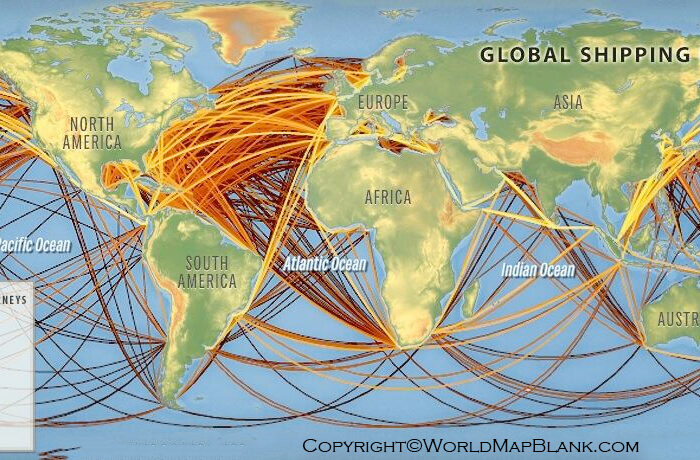
- Shipping Delays: Customs inspections or port congestion. Solution: Use air freight for urgent orders or diversify suppliers across regions.
- Counterfeit Products: Fake “human hair” made from synthetic blends. Solution: Conduct burn tests (human hair turns to ash; synthetic melts).
Future Trends in China’s Hair Industry
Technology Integration
- AI Quality Control: Automated systems detect hair defects and consistency issues.
- Blockchain Traceability: Track hair from donor to consumer using platforms like Arianee.
Sustainability Innovations
- Recycled Synthetic Hair: Made from post-consumer plastics or ocean waste.
- Zero-Waste Packaging: Biodegradable or reusable packaging solutions.
Market Expansion
- Afro-Textured Hair: Factories developing specialized products for diverse hair types.
- Men’s Grooming: Growing demand for toupees and hair systems in male-focused markets.
Conclusion
Partnering with the best hair vendors in China requires balancing quality, ethics, and cost-efficiency. By prioritizing certified suppliers, conducting rigorous testing, and embracing trends like blockchain traceability and sustainability, businesses can build trustworthy, future-ready supply chains. The industry’s evolution toward transparency and innovation ensures that ethical practices and cutting-edge technology will define success in the global hair market.
If you want to do purchasing directly without registering 1688(a China’s high-quality goods platform), you can use looperbuy, a one-stop purchasing-logistics solution:https://looperbuy.com/
Related Questions & Answers
· How can I verify if a vendor ethically sources human hair?
Request donor consent forms, Fair Trade certifications, and third-party audit reports.
· What is the average MOQ for hair vendors in China?
MOQs range from 500–1,000 units for synthetic hair and 200–500 units for human hair products.
· How do I handle customs duties when importing hair from China?
Opt for DDP (Delivered Duty Paid) shipping terms or use bonded warehouses to defer tariffs.
· Are there eco-friendly synthetic hair options?
Yes. Some vendors offer synthetic hair made from recycled PET bottles or biodegradable fibers.
· Can I request custom hair colors and textures?
Most OEM/ODM vendors accept custom orders. Provide Pantone codes or physical samples for accuracy.
Hot Tags: Human Hair Wholesale China; Ethical Hair Sourcing; Synthetic Hair Manufacturers; Custom Wig Suppliers; Hair Vendor Certifications; DDP Shipping Solutions; Afro-Textured Hair Suppliers; Blockchain Hair Traceability; Sustainable Hair Packaging.