
Table of Contents
Introduction
Plastic bags with handles have become an integral part of our daily lives, offering convenience and versatility across various settings. From grocery stores to retail shops, these bags have proven to be indispensable. However, their environmental impact has sparked significant debate. This comprehensive guide will explore the multifaceted world of plastic bags with handles, delving into their uses, environmental concerns, and sustainable alternatives.
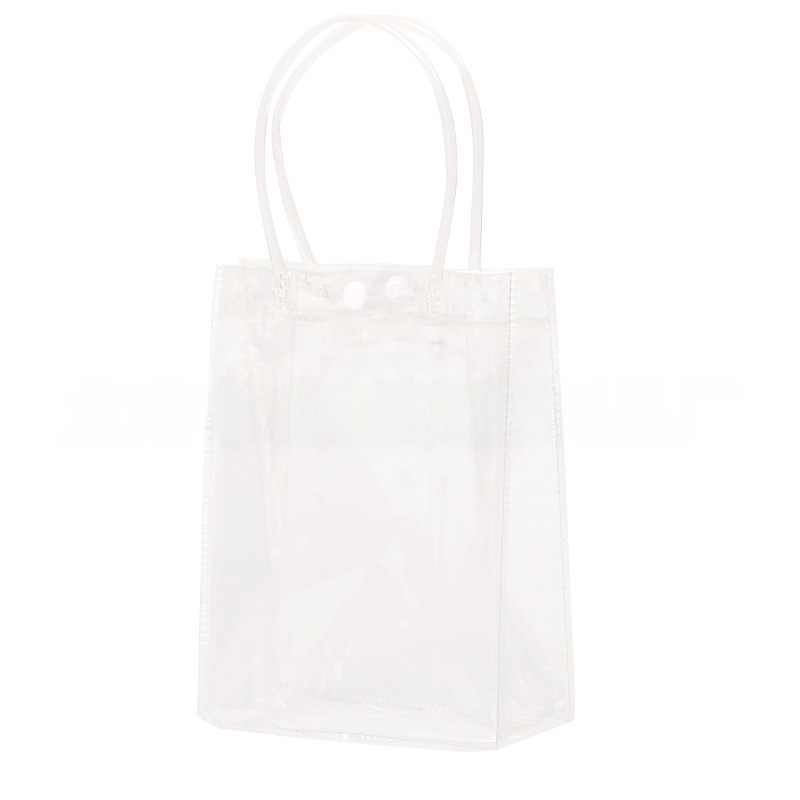
The Versatility of Plastic Bags with Handles
Plastic bags with handles are incredibly versatile and have found their way into numerous aspects of our daily lives. They are synonymous with grocery shopping, providing a convenient way to carry heavy loads. In the retail industry, they serve as walking advertisements when customized with store logos and branding messages. At home, they can be used for storing and organizing various items. They are also commonly used at events and promotions to distribute goodies and promotional materials. In some regions, they are utilized for collecting and disposing of household waste, promoting cleanliness and hygiene.
Environmental Concerns
While plastic bags with handles offer undeniable convenience, they also contribute significantly to environmental pollution. Their improper disposal, particularly as single-use items, has raised concerns about plastic waste accumulation and its impact on ecosystems. Plastic bags with handles made from LDPE or HDPE can take hundreds of years to decompose in landfills. This highlights the importance of proper recycling and responsible disposal. Additionally, there are concerns about the safety of using plastic bags, particularly for food items, due to potential chemical leaching. However, plastic bags made from food-grade materials like LDPE and HDPE are generally considered safe for carrying groceries and food items, provided they are not exposed to extreme temperatures or direct sunlight.
Sustainable Alternatives and Solutions
To address the environmental impact of plastic bags with handles, several sustainable alternatives and solutions have emerged. Reusable bags made from sustainable materials like cotton or jute can significantly reduce plastic waste. Biodegradable and compostable bags made from plant-based materials offer a greener option for occasional use. Recycling initiatives can ensure that plastic bags with handles are recycled properly. Reducing usage by opting for alternative packaging and storage solutions is also crucial. Education and awareness campaigns can promote responsible usage and encourage mindful consumption.
The Role of Businesses
Businesses play a pivotal role in promoting sustainability. They can contribute to plastic bag waste reduction by offering reusable bags, encouraging recycling, and exploring eco-friendly packaging options. For businesses subject to plastic bag bans and regulations, there are plastic bags made with higher mil weights that may be classified as ‘reusable bags’. It is essential to check local laws for specific requirements.

Conclusion
Plastic bags with handles have undeniably simplified our lives, providing a convenient way to carry items and organize our belongings. However, their environmental impact cannot be ignored. As responsible individuals, it is crucial for us to adopt sustainable practices and explore alternatives that help minimize plastic waste. By being mindful of our consumption, reusing bags whenever possible, and supporting recycling initiatives, we can collectively contribute to a cleaner and greener future. Let’s embrace sustainability and make conscious choices to ensure plastic bags with handles serve us without harming the environment.
How to Purchase:https://looperbuy.com/search?keywords=plastic+bags+with+handles
Related Questions and Answers
Q: Can plastic bags with handles be used for heavy items without tearing?
A: Plastic bags with handles made from HDPE are designed to handle moderate to heavy loads without tearing. However, it’s essential to avoid exceeding their weight-bearing capacity to prevent damage.
Q: How long does it take for a plastic bag with handles to decompose?
A: Plastic bags with handles made from LDPE or HDPE can take hundreds of years to decompose in landfills. This underscores the importance of proper recycling and responsible disposal.
Q: Are biodegradable plastic bags a better option?
A: Biodegradable plastic bags offer some benefits, but they are not a perfect solution. They require specific conditions to break down properly and may still cause harm if not disposed of correctly.
Q: Can I use plastic bags with handles in my garden compost?
A: While HDPE bags are less likely to break down in compost, some biodegradable bags are suitable for composting. However, it’s best to check the packaging and follow composting guidelines.
Q: Are plastic bags with handles banned in some regions?
A: Yes, several regions and countries have implemented bans or restrictions on single-use plastic bags, including plastic bags with handles, to reduce environmental impact.
Hot Tags: PLASTIC BAGS WITH HANDLES; Plastic Bags Environmental Impact; Plastic Recycling Solutions; Sustainable Packaging Alternatives; Eco-Friendly Business Practices; Grocery Shopping Bags; Retail Merchandise Packaging; Event Promotional Materials; Waste Management Solutions; Food-Safe Plastic Materials.